
Horseback riding is exciting, but sometimes dangerous. Every year, riders suffer serious injuries or die after a fall. A study has shown that horseback riding can be riskier than skiing or auto racing.
There are rules and certifications to ensure the safety of riders. Despite this, serious injuries to the head, neck, and chest remain possible. These injuries can have very serious consequences.
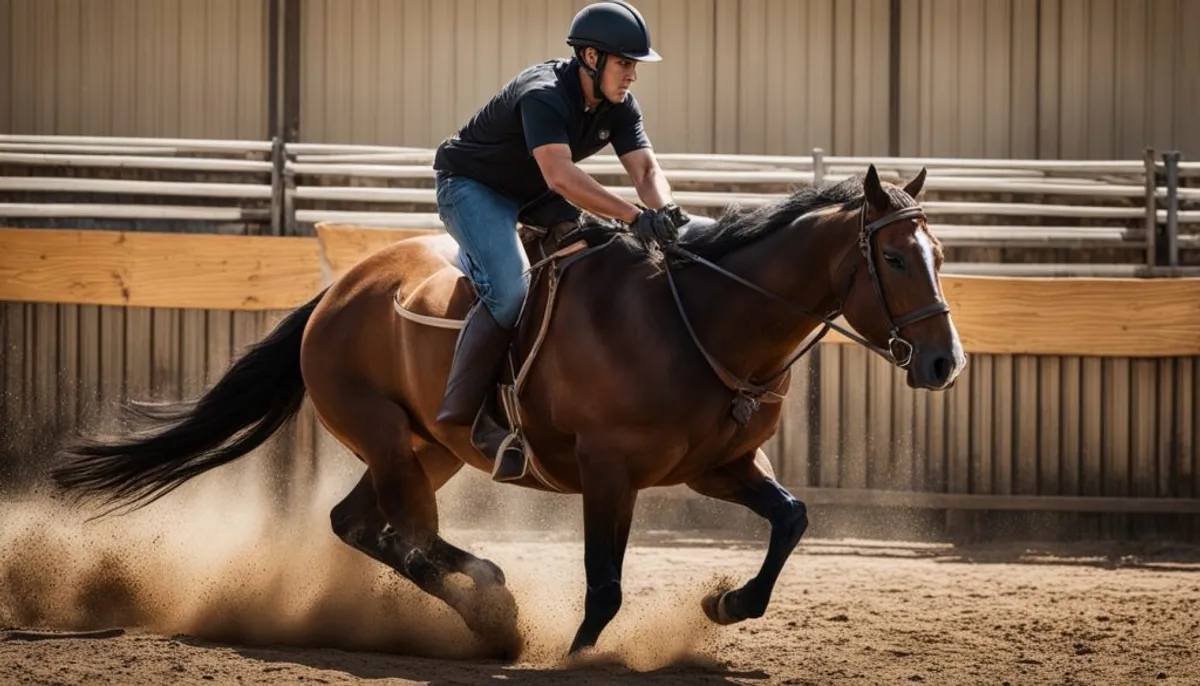
Key Points to Remember
- Horseback riding is a sport more dangerous than skiing or auto racing according to a study
- The most serious injuries involve the head, neck, and rib cage
- The use of protective equipment is essential for the safety of riders
- Safety regulations and certifications govern the practice of horseback riding
- Caution and adherence to safety rules are essential to prevent accidents
Introduction to the Risks Associated with Horseback Riding
Horseback riding is thrilling but risky. Statistics on equestrian injuries show serious risks, especially during horse falls. It is important to know how to avoid them so that riders can stay safe.
Statistics on Injuries Caused by Horse Falls
A study in the United States recorded over 45,600 injuries related to horse falls from 2007 to 2016. Generally, the chest, arms, and legs are affected. The most serious injuries involve the neck and head, responsible for 320 deaths during this period.
Testimony from a Rider Who Suffered a Serious Accident
Clara shares her story after a equestrian accident. From her first ride, the horse galloped, causing her to fall violently. She suffered a "fracture" of the liver, requiring hospitalization. This kind of serious accident frightens any rider.
These statistics and testimonies highlight how crucial it is to prioritize safety in horseback riding. Preventing equestrian accidents and responding appropriately to the consequences of horse falls allows for enjoying the sport safely.
Essential Safety Measures for Riders
To avoid serious injuries while horseback riding, it is crucial to wear the right equipment. The helmet and protective vest are very important. There is a new type of protection, the SAFEFIT vest, which helps as well.
Importance of Wearing Appropriate Protective Equipment
The SAFEFIT airbag vest protects vital parts of the body if one falls. It inflates quickly to reduce injuries by 94 to 81%. This vest has been tested to be very safe in horseback riding.
Regulations and Certifications Ensuring Safety
Safety standards are fundamental for riders, whether they ride for fun or in competition. The SAFEFIT vest has been tested by an independent lab for its effectiveness.
To ensure that horseback riding remains a fun yet safe sport, it is important to follow these rules. Every rider should therefore wear the right equipment, such as a helmet and an airbag vest.
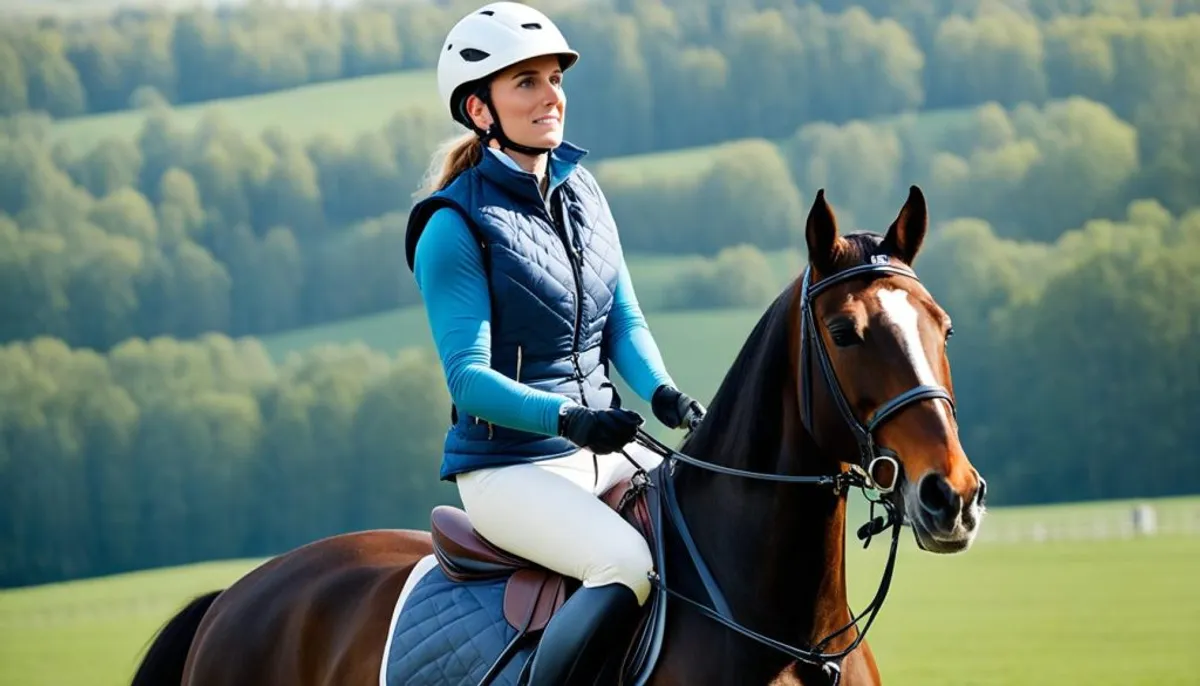
Is Horseback Riding a Dangerous Sport?
Horseback riding is a wonderful sport, where one bonds with a noble and strong horse. Yet, there are risks. Even if one is very skilled in riding, serious injuries can occur from falling off the horse.
In fact, horseback riding is the third most dangerous sport. Accidents can cause serious injuries such as to the head, chest, or back. Riders must be very attentive and strictly follow safety rules to reduce these dangers.
It is also important to remember that falls are among the major dangers of horseback riding. These falls can cause serious injuries, including head, chest, and back problems.
Horseback riding is indeed a beautiful sport, but one must always be aware of the risks. Prioritizing safety is crucial for having fun while practicing this sport.
Main Types of Injuries Related to Horseback Riding
Horseback riding is often seen as a safe sport. However, injuries are possible. Falls can cause muscle and joint injuries. They can also lead to head, chest, and spinal injuries.
Muscle and Joint Injuries
Riders can suffer muscular or joint injuries. They are particularly at risk for lower back pain, lumbago, contractures, and tendinitis. These issues often arise due to insufficient warm-up and lack of stretching. Intensive practice, especially in show jumping, can exacerbate these risks.
Head, Chest, and Spinal Injuries
Falls sometimes result in head, chest, and spinal injuries. These injuries can be severe, potentially fatal. If the rider's foot gets caught in the stirrup, the risks increase. Wearing a proper helmet and protective vest reduces the severity of these injuries.

| Type of Injury | Common Causes | Potential Consequences |
|---|---|---|
| Muscle and Joint Injuries | Lack of warm-up, intensity of practice | Lower back pain, lumbago, contractures, tendinitis |
| Head, Chest, and Spinal Injuries | Horse falls, foot caught in stirrup | Paralysis, death in case of spinal cord injury |
Prevention Tips for Beginner Riders and Children
Practicing horseback riding can be very fun but also dangerous, especially for beginners and young riders. To avoid injuries, it is important to follow some key safety rules. This way, you can enjoy without worries.
Safety Rules to Follow Around Horses
When you are near a horse, be attentive to its mood and reactions. Do not pass behind a horse, it might get scared and react dangerously. Approach it gently. If you have doubts, ask an expert for advice on how to interact. And above all, do not feed it by hand to avoid bites.
Young riders should always be under the supervision of an experienced adult. This will ensure their safety and proper learning.
Safety Rules to Observe During Practice
When practicing, choose a horse suitable for your level and size. Always wear a helmet to protect yourself if you fall.
Being accompanied by a professional instructor is crucial. They will teach you the right practices and how to stay safe. Finally, avoid riding alone, especially if you are a beginner. Having an experienced guide with you will make the experience safer.
By applying these rules, novice riders and children can safely experience their passion for horseback riding. This will allow them to fully enjoy this sport without worries.
Conclusion
Horseback riding is an incredible experience but carries risks. Injuries can be severe. However, by behaving safely and equipping oneself properly, riders, even beginners, can avoid these dangers.
It is important to fully understand the risks of horseback riding. By being attentive and respecting safety rules, one can practice this beloved sport without concern.
Ultimately, horseback riding creates a special bond with horses. By taking the necessary precautions, everyone can enjoy it safely. It is a sport that offers a lot, without the worries of risks.
FAQ
Is horseback riding a dangerous sport?
Yes, riding a horse presents significant risks. Falls are common and can be serious, even fatal. Studies show that horseback riding is riskier than skiing or racing.
The body parts most affected during falls are the neck, head, and chest. These areas can be injured, sometimes resulting in death.
What are the main injuries related to horseback riding?
The most serious injuries are those to the head, chest, and spine. They can cause paralysis or even death if the spinal cord is affected. Muscle and joint injuries are also common. We talk about lower back pain, contractures, or tendinitis.
What essential safety measures are there for riders?
To protect oneself, one must wear safety equipment. This includes a helmet and a vest.
There are even airbag vests, like the SAFEFIT, which better protect the body. They reduce the risk of serious injuries during a fall by 81 to 94%.
What are the safety rules to follow for beginner riders and children?
Beginners and children must follow specific rules. They need to be attentive to horses, not stand behind them, and approach them gently. Even if a horse seems gentle, one should never feed it directly from the hand.
An adult must always be present to supervise interactions with the horses.
What are the main safety rules to observe during horseback riding practice?
During riding lessons, it is crucial to follow certain rules. Choosing a suitable horse, always wearing a helmet, and being under the supervision of an instructor are essential.
Never riding alone is another important rule. Learning to fall correctly and listening to your body helps prevent injuries.