Many see horseback riding as a pastime, not as a sport. But this idea is changing. Horseback riding is now considered an Olympic sport, showcasing its athletic nature. This has raised questions about the role of the rider and the nature of horseback riding.
Some people say that the horse does all the work. This raises the question of whether horseback riding is truly a sport. This idea creates much debate about the role of the rider and the nature of horseback riding.
Key Ideas
- Horseback riding is recognized as an Olympic sport, but its status is still debated
- The role of the rider in performance is at the heart of the controversy
- Horseback riding is an integral part of equestrian culture and raises questions about animal welfare
- Enthusiasts defend the sporting aspect of horseback riding, while critics challenge this classification
- Understanding the different arguments allows for forming an opinion on this complex issue
What is horseback riding?
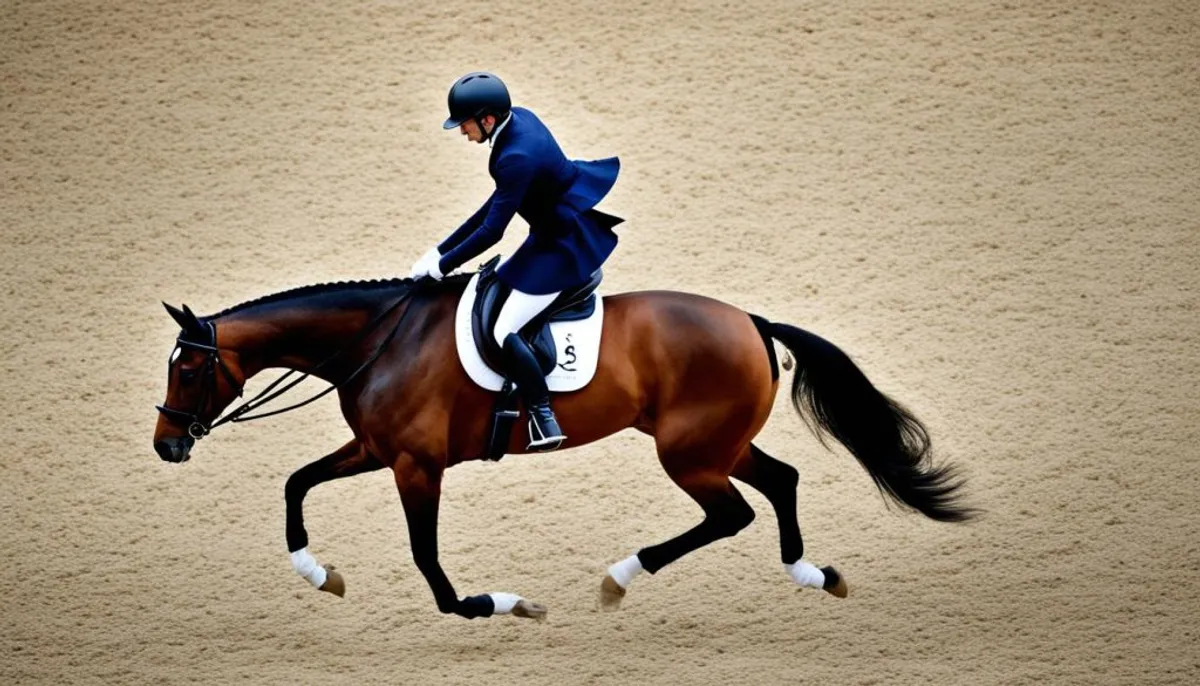
Horseback riding is an exciting sport that involves riding and directing a horse or pony. It requires balance, coordination, and communication with the animal. There are several interesting equestrian disciplines, each with its own techniques and challenges.
Equestrian Disciplines
The main equestrian disciplines are:
- Show jumping, where the rider and horse jump over obstacles.
- Dressage, which aims for harmony and precision between rider and horse.
- Horseball, a team sport similar to rugby.
- Endurance, which involves long-distance riding.
- Vaulting, with acrobatic exercises on a moving horse.
- Trail riding, a horseback ride through beautiful landscapes.
Each discipline requires specific skills and offers a unique experience on horseback.
Horseback riding is not a sport
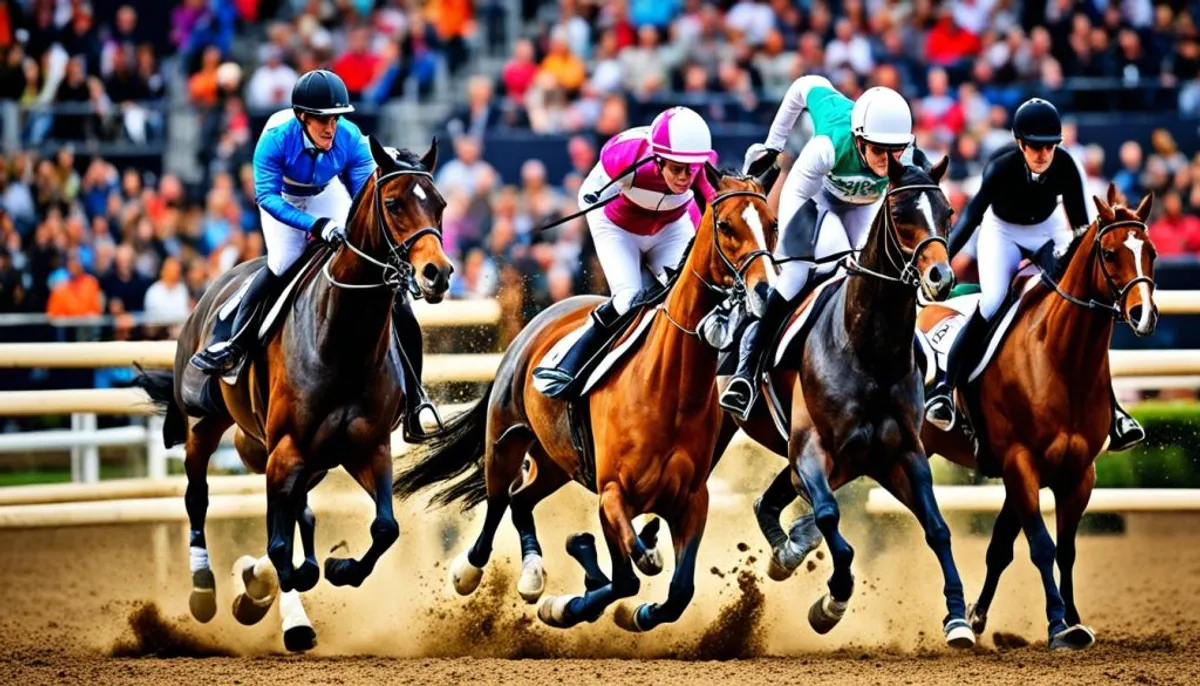
Some say that horseback riding is not a sport because the horse does all the work. But this is false. Horseback riding is a recognized sport, with a French Equestrian Federation and competitions at the Olympic Games.
The rider must possess numerous skills to effectively communicate with the horse. They must be balanced, coordinated, and strong to control the horse's movements.
- It requires subtle communication with the horse, using aids like legs and hands.
- It requires endurance to stay upright for long periods.
- The rider's physical condition is crucial, especially for show jumping.
The myth that the horse does all the work is false. Horseback riding is a sport that demands specific skills and training from the rider.
| Discipline | Physical Requirements | Presence at the Olympic Games |
|---|---|---|
| Dressage | Balance, flexibility, coordination | Yes |
| Show Jumping | Strength, explosiveness, agility | Yes |
| Eventing | Endurance, strength, coordination | Yes |
The Physical Demands of Horseback Riding
Horseback riding is not just a relaxing sport. It requires many muscles and good physical fitness. The physical demands of horseback riding are crucial for success and enjoyment.
Muscle Use and Physical Condition
Several muscle groups such as the abs and glutes are engaged. Riders must be in good shape to control the horse. The best can reach up to 75% of their VO2 max during training.
In horseback riding, a lot of calories are burned. An hour can burn up to 500 calories, depending on the intensity and fitness of the rider.
| Muscles Used | VO2 max Level | Calories Burned |
|---|---|---|
| Abdominals, adductors, calves, glutes | Up to 75% | 250 to 500 calories per hour |
Horseback riding is much more than a relaxing sport. It requires significant physical condition and muscle use. It is a discipline that tests the body and VO2 max of riders.
The Different Equestrian Disciplines
Horseback riding offers many disciplines, each with its own technical and physical requirements. Dressage and show jumping are among the most complex. They require a high level of technicality.
Dressage
Dressage requires a great independence of aids from the rider. It also demands significant core strength to mimic the horse's movements. The rider must communicate subtly with their horse, using clear signals to achieve precise movements.
Show Jumping
Show jumping requires sharp physical and technical preparation. Riders must jump at high speed, demonstrating strength, balance, and synchronization with their horse. This allows them to clear obstacles safely.
In dressage or show jumping, equestrian disciplines demand a lot from riders. They require high technical demands and physical requirements. Mastery of these disciplines takes years of training and practice.
Conclusion
Horseback riding is a recognized sport, despite preconceived notions. It requires significant technical and physical skills. The rider must communicate with a 500 kg animal.
Horseback riding is not just a leisure activity. It requires mastery and good physical fitness. The rider must control their mount with precision and remain in harmony with it.
This sport deserves recognition and appreciation. It opens discussions about the nature of sport and its defining criteria. Horseback riding challenges us to question our preconceived ideas and discover exciting new perspectives.
FAQ
Is horseback riding really considered a sport?
Opinions on horseback riding are changing. Some believe it is not a sport. However, it is recognized as such and included in Olympic sports.
Why do some claim that horseback riding is not a sport?
Some believe that the horse does all the work. But this is false. The rider must master many skills to communicate with the horse.
What are the recognized equestrian disciplines?
There are many disciplines such as show jumping, dressage, and endurance. Each discipline requires specific skills.
Why is horseback riding considered a demanding physical activity?
Riding a horse engages many muscles. High-level riders reach 75% of their VO2 max. An hour of horseback riding burns between 250 and 500 calories.
What are the technical and physical requirements of equestrian disciplines like dressage and show jumping?
Dressage requires independence and good core strength. Show jumping requires strength, balance, and synchronization with the horse.