
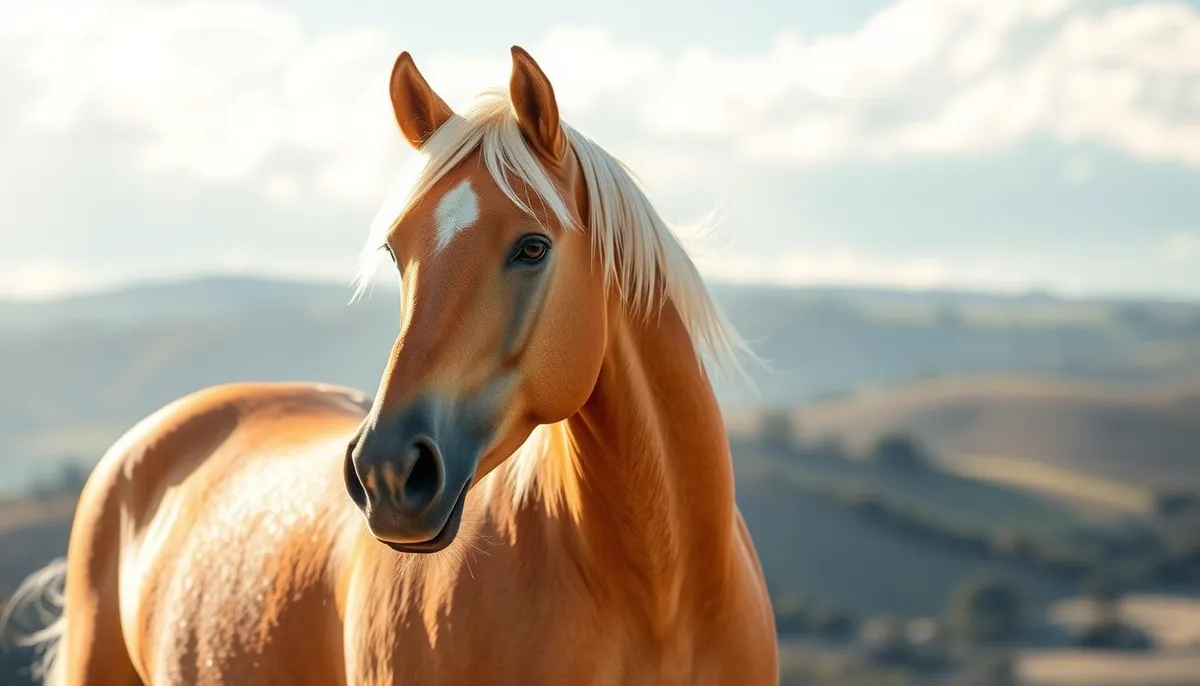
The isabelle horse symbolizes a rare beauty in the equine world. Its golden coat, resembling ripe wheat, catches the eye. The mane and tail, often a blonde or cream color, enhance its beauty.
The special color of the isabelle horse comes from a gene called Cream on a bay base. It can range from a light yellow to a deep gold. This depends on the age of the horse and its exposure to sunlight. Breeds like the Akhal-Teké and the Quarter Horse proudly showcase this coat.
This noble appearance of the isabelle horse is steeped in history and legends. For example, the connection with Isabella of Castile. In English, they are called “buckskin,” showing the universality of the term. Their elegance lies as much in their history as in their appearance.
Key Points
- Golden hue nuanced, light mane and tail: signature of the isabelle horse.
- Color modulated by the Cream gene on a bay base, sensitive to light and time.
- Marked presence in the Akhal-Teké, Quarter Horse, and certain pony lines.
- Equine elegancedressage, models and gaits, and shows.
- Vocabulary: isabelle in French, buckskin in English; to be distinguished from palomino and gray.
- Targeted care: sun protection, mane care, and management of light areas.
Definition, Origin, and Symbolism of the Isabelle Coat
The isabelle coat refers to a horse with a golden coat, situated between sand and gold. Its mane and tail are light, often blonde or cream. This color is immediately noticeable for its softness and brightness. It is highly valued, whether outdoors or in competition.
The origin of the isabelle coat comes from a dilution of the bay, resulting in a deep gold with darker tips. This characteristic makes isabelle horses a symbol of elegance and clarity. These traits are highly sought after by riders.
Etymology and Legend of Isabella of Castile
The word “isabelle” is linked to Isabella of Castile, a queen. A medieval legend says she made this golden color famous during a siege. Although historians do not all agree, this story has greatly influenced equestrian culture.
This etymology spread in texts throughout Europe. It helped make the name very well-known and still appreciated today.
Aesthetic Perception and Symbols of Nobility
The isabelle coat evokes distinction and aristocracy in the collective imagination. The contrast between the golden body and the light mane creates a natural relief. This aspect is valued during shows or ceremonies, enhancing the prestige of these horses.
Mural paintings and parades celebrate this nobility. The light on the mane attracts the eye before revealing the warmth of the body. This harmony sublimates movement and refines the horse's appearance.
Vocabulary Differences: Isabelle, Buckskin
In French, the term “isabelle coat” is used, while in English, it is called “buckskin.” Despite similarities, there are vocabulary differences. These nuances are important to avoid confusion between various horse colors.
| Term | Genetic Basis | Visual Aspect | Points of Confusion |
|---|---|---|---|
| Isabelle | Diluted bay (Cream gene) | Golden body, light mane, dark extremities | Confusion with palomino among beginners |
| Buckskin | English equivalent of isabelle | Sand to gold shades, cream to blonde mane | Variable usage depending on registries and breeding |
| Palomino | Diluted chestnut | Brighter gold, often without dark extremities | Seems close, but different genetic basis |
| Gray | Gray gene | Progressive lightening to white | Evolution over time, not a golden dilution |
Choosing the right term, isabelle or buckskin, is essential for precise communication. Whether for purchase, competition, or breeding. This vocabulary precision prevents misunderstandings and values the true color of the horse.
Characteristics of the Isabelle Horse and Visual Description
The isabelle catches the eye with its appearance. Its golden coat and light mane shine under the light. The white markings add contrast without disturbing its harmony.
Golden Base Color: From Pale Yellow to Intense Gold
The coat of the isabelle varies from light sand to honey. This range of colors covers the entire body. When the horse moves, it sparkles with a golden sheen without becoming coppery.
Light Mane and Tail: White to Cream, Luminescent Effect
The mane ranges from white to cream, adding brightness. Around the neck and tail, they create a beautiful effect. Under the sun, the golden sheen stands out even more.
Possible Markings: Blazes, Socks, and Variations
Some white markings, like blazes or socks, enhance their coat. They do not change the isabelle appearance but add visual points. The markings highlight the head and legs.
Evolution with Age and Under Light
Over time, the golden coat may lighten or take on warmer tones. The mane remains bright. Unlike gray, this transformation is neither continuous nor complete, thus maintaining the isabelle appearance.
Frequency, Genetics, and Associated Breeds
The genetics of the isabelle color is simple and fascinating. It is rare in pedigrees. The frequency of this color varies by location and stud books. This influences breeding decisions.
Role of the Cream Gene on Bay Base
The Cream gene dilutes the bay to give a golden color. The body becomes sandy with darker tips. These characteristics define the isabelle color. They can be verified with genetic tests.
Relative Rarity and Breeding Selection
The isabelle color is quite rare. Breeders work to maintain this color while preserving the quality of the horses. They use genetic tests and carefully track the lines.
Isabelle Horse Breeds: Akhal-Teké, Quarter Horse, Ponies
The Akhal-Teké and Quarter Horse often have this color. They are recognized by WAHO and the American Quarter Horse Association. Connemara and Welsh ponies also display this beautiful color. They are appreciated in sports and for leisure.
Clarification with Other Diluted Coats (Palomino, Gray)
Palomino comes from a different action of the Cream gene. It is often compared to isabelle. The palomino is uniformly golden, while the isabelle has specific black markings. Gray is found in the Pure Spanish Breed and the Lipizzan. They do not lighten in the same way over time.
Isabelle Horse
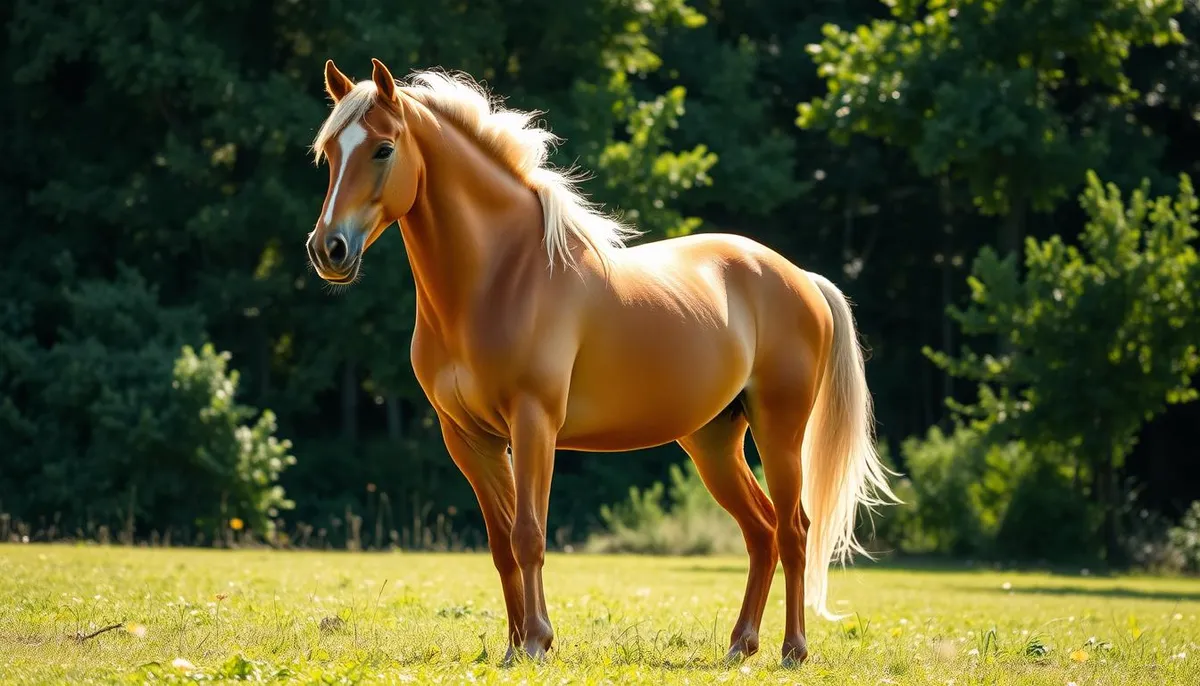
The isabelle horse stands out with its golden coat and light mane. Its noble appearance shines under the light, highlighting its isabelle elegance both in the field and in photos. Its unique color is easy to recognize thanks to the contrast between the warm coat and the cream mane.
This color is found in different types of horses. It ranges from the isabelle saddle horse, like the Quarter Horse, to the Akhal-Teké and even some ponies. This variety is due to the Cream gene that lightens the bay base. Although the shade sometimes changes with age or under sunlight, the golden color and the mane between white and cream remain constant, adding to their presence.
The isabelle horse knows how to stand out, whether in dressage or under the spotlight. Its color allows it to distinguish itself both outdoors and in the arena, making its movements and shape more visible and appreciated.
| Aspect | Visual Reference | Practical Interest | Cited Examples |
|---|---|---|---|
| Isabelle Horse Color | Uniform gold, shades from pale yellow to intense gold | Quick reading of the coat and identification in competition | Quarter Horse, Akhal-Teké, ponies |
| Mane and Tail | White to cream, marked luminous effect | Highlighting under stage lighting and in cinema | Equestrian shows, performances |
| Noble Appearance | Pure silhouette, sharp contrasts | Aesthetic impact in dressage and models and gaits | Competition careers, presentations |
| Isabelle Saddle Horse | Sporty type, taut lines | Versatility in riding and ease of staging | Dressage tests, performance work |
| Isabelle Elegance | Natural brilliance under light | Photogenic and visual consistency | Film sets, photo shoots |
Breeding Isabelle Horses, Use, and Disciplines
In France, interest is growing for isabelle horses, bright and golden. Breeders work hard to blend color, temperament, and utility. They aim to impress as much with their beauty as with their performance.
Selection Goals: Type, Health, Isabelle Horse Color
The selection aims to combine a bay coat and the Cream gene. All while maintaining sturdy legs and a strong back. Serious breeders ensure health through veterinary exams, dental monitoring, and controlled breeding.
They aspire to produce a well-proportioned, robust horse that is pleasant to ride. They emphasize the importance of not sacrificing health and temperament for the golden color.
Disciplines Where Elegance Prevails: Dressage, Models and Gaits, Shows
In competitions, a beautiful look offers an advantage. Dressage and shows highlight the superb isabelle coat.
For art, cinema, and performances benefit from this striking contrast. Fluid movements and a good connection with the rider amplify the visual impact.
Notable Examples: Isabelle Lusitano and Stage Horses
The isabelle lusitano is recognized for its excellence in dressage and high-stakes performances. Its stoicism, ability to aggregate, and appearance elevate performances.
Breeds like the isabelle Akhal-Teké and Quarter Horse demonstrate great adaptability. Their presence in various disciplines enhances the appeal of the isabelle coat on stage and at public events.
| Criterion | Priority in Isabelle Horse Breeding | Impact in Use | Examples of Equestrian Disciplines |
|---|---|---|---|
| Type and Conformation | Correct posture, strong back, open shoulder | Stability, amplitude, rider comfort | Dressage, models and gaits |
| Health and Mind | Regular exams, temperament selection | Reliability on the track and on stage | Performance, groundwork |
| Isabelle Color (Cream Gene on Bay) | Controlled transmission without inbreeding | Strong visual under lighting | Film, night shows |
| Gaits and Dressage | Flexibility, elevation, engagement | Precision of figures and expression | Classical dressage, Alta Escuela |
| Breeds and Models | Isabelle Lusitano, Akhal-Teké, Quarter Horse | Adaptation to various work settings | Dressage, ranch pattern, performance |
Care, Well-being, and Management of the Isabelle Coat
Caring for an isabelle coat is simple with a regular routine. This contributes to the well-being of the isabelle horse and maintains the beauty of its coat. Specific actions, adapted to the weather and the horse's activity, make all the difference.
Sun Sensitivity: Skin and Mane Protection
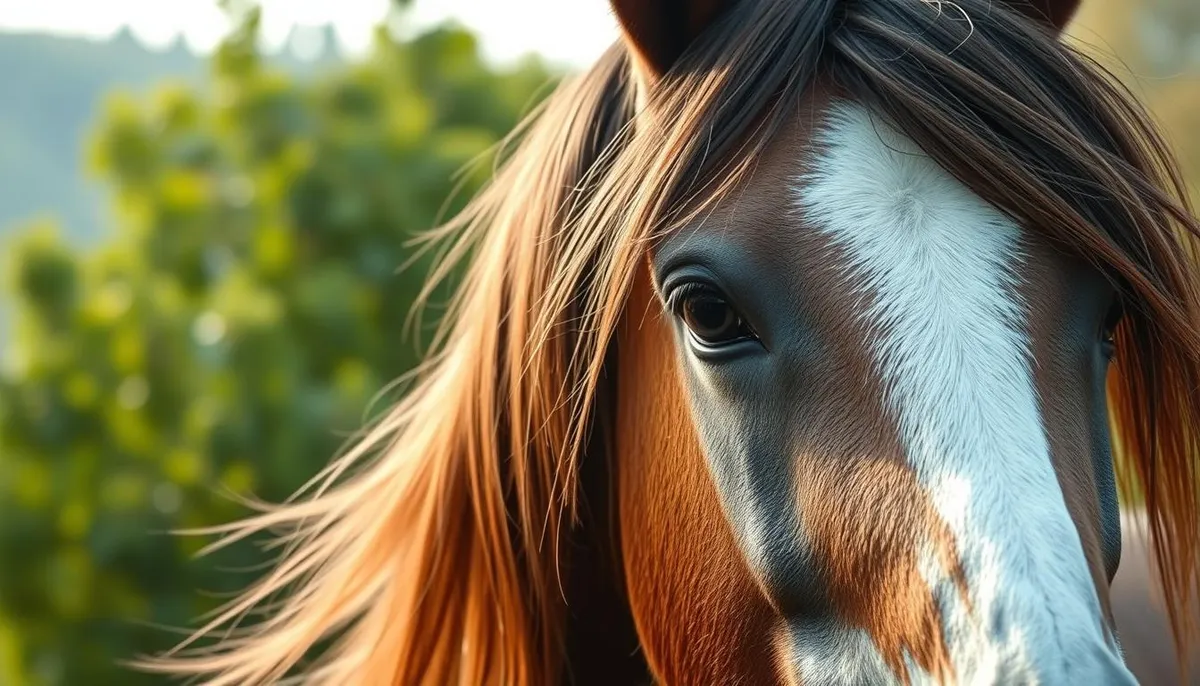
The golden color and light mane of isabelle horses are sensitive to sunlight. It is best to keep them in the shade during hot hours. Provide them with shelter and sun protection for horses, such as UV blankets and bonnets.
Use a special veterinary SPF sunscreen on delicate areas. For the mane, use UV sprays and non-greasy detanglers. This reduces breakage and prevents discoloration.
Care to Preserve Shine: Grooming, Suitable Shampoos
Brush your horse daily, first with a curry comb and then an American curry. This improves the beauty of the coat. Afterward, a microfiber glove smooths the hair, before and after exercise.
Choose gentle shampoos that respect the pH, and a leave-in conditioner for the lengths. These mane care products make the hair supple and prevent it from becoming dull. This is essential for good isabelle coat care.
Seasonal Management: Discoloration, Dust, and Stains on Light Areas
Exposure to light in spring and summer can change the coat colors. A good grooming program and sun protection for the horse helps keep the color uniform. In autumn, a stiff brush and a damp cloth remove dust.
Light areas like socks, the nose, and the tail get dirty easily. Clean these areas with gentle products. Afterward, dry well and apply protection. This routine improves the well-being of the isabelle horse and keeps its coat shiny.
High-End Equipment and Style: La Sellerie Française
For those seeking chic equipment for their isabelle horse, La Sellerie Française is essential. They offer items that highlight the horse's natural beauty. Everything is designed for comfort, whether in competition or performance.
The choice of materials, shape, and finishes plays a significant role. They enhance the horse's appearance and posture. With quality equipment, the horse's silhouette is highlighted, creating perfect harmony.
Custom Saddlery and Limited Series 100% Made in France
Everything is made in France, from design to finishing. Customization ensures a perfect fit for an isabelle horse.
Limited editions offer a unique style. The use of high-quality leather, sturdy fittings, and reinforced stitching ensures exceptional longevity.
Harnesses and Accessories that Enhance an Isabelle Coat
Choose premium equipment for unmatched shine: anatomical bridles, comfortable nosebands, and flexible reins. Ergonomic straps ensure good support without damaging the coat.
An elegant saddle pad, matched with the harness, highlights the horse's beauty. This showcases the coat under spotlights and natural light.
Why Choose La Sellerie Française: Exceptional Artisans, Durable Quality
La Sellerie Française guarantees 100% French production for impeccable quality. The artisans carefully select materials to ensure the best quality and durability.
The result is optimal comfort for all equestrian activities. The design is elegant, functional, worthy of a renowned brand.
Useful Link: https://laselleriefrancaise.com
Visit the La Sellerie Française website to see their collections. You will find customization options and maintenance tips for your equipment.
Conclusion
The isabelle coat stands out easily. Its color ranges from pale yellow to gold, thanks to the Cream gene. It should not be confused with palomino or gray, which change with age. The unique appearance of the isabelle horse evokes nobility and prestige, enriched by history.
The color of the isabelle coat changes with light. This requires special care, including grooming and sun protection. Attentive maintenance makes their coat shine, especially for the mane. This enhances their beauty outdoors or during competitions.
The isabelle horse is quite rare. It is found in Akhal-Teké, Quarter Horses, and some ponies. They are appreciated in dressage, competitions, and performances. Good saddlery enhances their appearance and movement.
Breeding isabelle horses seeks to balance health, type, and color. Choosing a horse for its character, movement style, and genetics ensures obtaining performing and beautiful animals. In short, well cared for, the isabelle coat shines remarkably.
FAQ
What is an isabelle horse and how to recognize its isabelle coat?
The isabelle horse has a unique golden coat, ranging from pale yellow to bright gold. Its mane and tail are lighter, blonde or cream. This special color comes from the Cream gene on a bay base. Sometimes, it may have white markings that do not affect its main color.
Where does the name “isabelle” come from and what is its connection to Isabella of Castile?
The name “isabelle” is linked to Isabella of Castile through an old story. Although this story is debated, it connects the name “Isabelle” to an elegant golden color.
What is the difference between isabelle and buckskin?
“Isabelle” and “buckskin” refer to the same coat in French and English. This color includes a golden body and light mane, resulting from the Cream gene on a bay base. It differs from palomino and gray, which change tone with age.
What are the most visible characteristics of isabelle horses?
Isabelle horses have a beautiful golden or sandy coat, with very light manes. This color varies under different lights. Over time, it retains its unique shine.
What signs help distinguish isabelle, palomino, and gray?
The isabelle is golden on a bay base with light manes. The palomino is more honey-colored with a pinkish skin under the white markings. The gray becomes almost white with age, different from the others due to the Cream gene.
How does the isabelle coat evolve with age and lighting?
With age, the isabelle color may lighten or gain warmth. Natural or stage lighting accentuates the shine of the mane. This is why these horses are often chosen for competitions and shows.
Is this coat rare and what is the genetic cause?
Yes, the isabelle coat is quite rare. It comes from a Cream gene on a bay base. This specific combination is infrequent, making these horses unique.
Which breeds most often present isabelle horses?
The isabelle is common in the Akhal-Teké, Quarter Horse, and some ponies. They are also seen in saddle horses in Iberian and Eastern stud books. The isabelle lusitano is highly valued.
In which disciplines does an isabelle saddle horse stand out?
Isabelle horses shine in dressage, during model and gait competitions, and in equestrian performances. Their golden coat and light manes capture attention and illuminate under spotlights.
What care is needed to protect an isabelle horse from the sun and preserve its shine?
Protect these horses from the sun with shade and UV blankets. Use special products for their skin and wash the mane with gentle shampoos. Frequent brushing helps keep the coat and white markings clean.
How to manage seasonal variation in the isabelle horse's color?
In summer, reinforce sun protection. Intensify grooming and cleaning, especially on the head and socks. In winter, apply nourishing products to maintain the shine and uniformity of the coat, essential in competition.
What does “isabelle horse breeding” mean and what are the goals?
Isabelle horse breeding selects this golden coat without compromising health. The goal is to have balanced horses, with good temperament, type, and color, that are elegant and performing.
What harnesses best highlight an isabelle horse?
The best choices are quality leathers in shades of Havana, chocolate, or black. Cream, sand, or burgundy pads highlight the coat. Choosing custom equipment ensures good comfort and look in competition.
Why choose La Sellerie Française for an isabelle horse?
La Sellerie Française makes custom saddlery, 100% French. High-quality products highlight the beauty of isabelle horses, especially in dressage and performances.
Where to discover collections suitable for an isabelle horse?
Visit https://laselleriefrancaise.com for special collections. You will find elegant equipment for isabelle horses, such as headstalls, reins, and pads.