
The gallop of a horse is captivating, especially for beginners. One feels both the speed and the rhythm. In France, riders, parents, and enthusiasts seek simple tips to progress without being stressed.
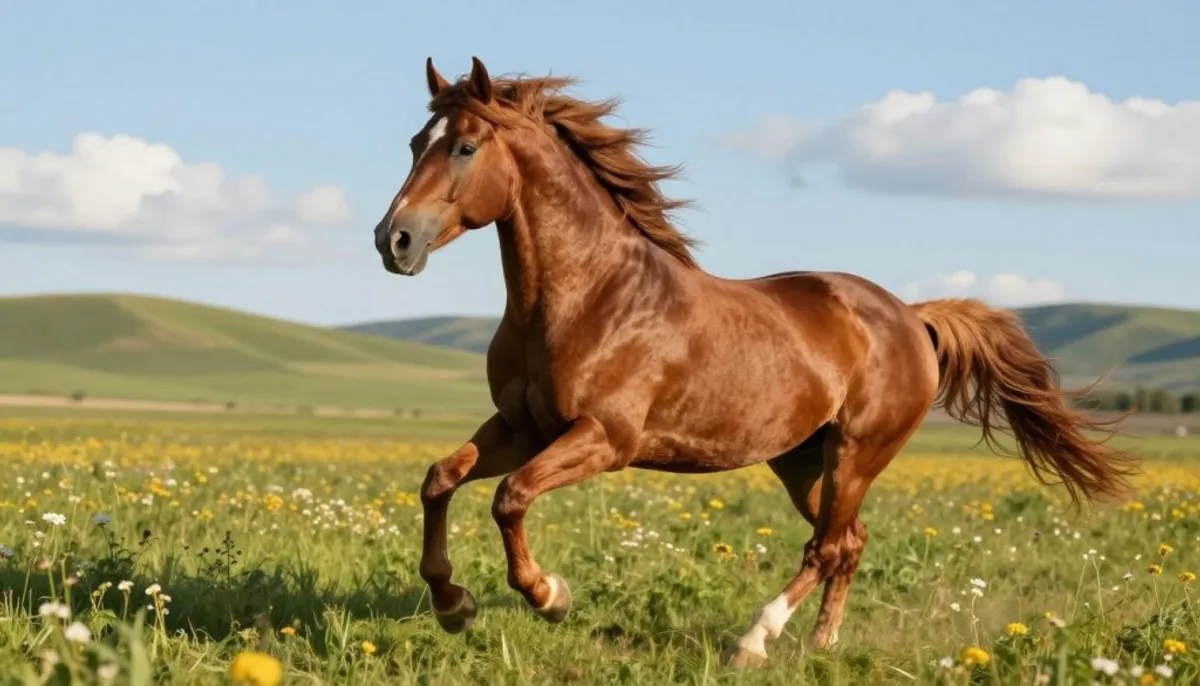
This equestrian guide explains the gallop for a more enjoyable horseback experience. It covers technique, learning with a pony, and good care practices. It also explores equestrian traditions, racing, and essential equipment in equestrianism.
Resources for the general public are very useful for demystifying the equestrian world. For example, the illustrated books by Larousse on horses and horseback riding. Larousse published a book on November 10, 2022. It has 96 pages and is well-suited even for families.
Another interesting book from Larousse was published on November 17, 2021. It contains 87 pages full of photos, drawings, maps, and color illustrations. It is perfect for those who want to understand horseback riding clearly.
This article aims to provide you with a comprehensive understanding, followed by practical advice. The goal is clear: to improve your gallop, respect the horse's gallop, and make safe choices for leisure or competition in France.
Key Points to Remember
- Understanding the horse gallop starts with grasping its rhythm and balance.
- This equestrian guide covers technique, learning, care, culture, sport, and equipment.
- In equestrianism, progression in horse gallop is built step by step, without rushing.
- Larousse's illustrated books provide a clear foundation for explaining and memorizing.
- Well-being and safety are as important as performance, in France and elsewhere.
- Good equipment helps maintain stability, precision, and calmness at the gallop.
Meta Titles and Search Intentions Around the Gallop
When searching for “horse gallop,” one wants an immediate answer. We try to understand the movement, the rhythm, and what can cause a loss of balance. This guide aims to help everyone interested in horseback riding in France, from beginners to outdoor riders.
The keyword “gallop” can mean many different things: learning, correcting, training, or simply preparing for a ride. One might want to compare the trot to the gallop before getting on a horse. This affects the writing style, word choice, and how information is organized.
Meta title and editorial consistency for France
The title “Magnificent Gallop: All About the Horse at Gallop” promises comprehensive yet easy-to-understand content. The approach is straightforward, with short sentences, accessible to all. We talk about feelings, aids, and easy-to-remember markers for horseback riding.
Meta description focused on equestrianism, dressage, and horse racing
The description combines practical and equine culture: exercises in arena, dressage, and the world of racing. This attracts a varied readership, from club riders to racing enthusiasts. Thus, it shows that the gallop is experienced as a sport, a leisure activity, or a part of equestrian history.
Related keywords to integrate naturally: trot, riding, equestrian
It is important to choose words that follow the action: how to transition from trot to gallop, position oneself, use hands and legs, and breathe well. “Equestrian” and “riding” are used when discussing aids, posture, and safety. To clarify without overwhelming, reference illustrations like those from Larousse can help visualize key movements.
| Search Intent | What the Reader Wants to Achieve | Angle Addressed in the Article | Terms That Naturally Appear |
|---|---|---|---|
| Learn | Understand how to start galloping without tensing up | Simple steps, sensations, common mistakes | horse gallop, trot, riding |
| Progress | Gain control, cadence, and balance | Exercises, transitions, curved and straight lines | dressage, equestrian |
| Find Your Way in France | Understand the club context, competitions, vocabulary | Accessible approach, local uses and markers | equestrian France, equestrian |
| Discover the Sport | Grasp the difference between training and leisure | Explanations on speed, breath, recovery | horse racing, horse gallop |
Understanding the Gallop in Equestrianism: Rhythm, Balance, and Control
In equestrianism, we progress in three steps: understanding, feeling, then controlling. The gallop is more than just going fast. It is a rhythmic movement where the rider's balance supports the horse. When everything is in harmony, riding becomes easy, fluid, and safe.
The right marker: when your breathing is calm and your shoulders relaxed, the horse gallops without rushing. We seek a feeling of fluidity, like being carried by a wave, instead of being jolted.
The Gallop Explained Simply: Beats and Sensation of Movement
The gallop consists of three beats, followed by a pause. The rider feels this rhythm in their pelvis. This dynamic creates a stable foundation for balance.
It is good to move with flexibility, without pushing all the time. With a stable hand, we maintain the connection, and the body follows. This is how control manifests: fewer abrupt actions, more finesse.
Differences Between Walk, Trot, and Gallop for the Rider
Each gait requires a distinct adaptation. At the walk, we direct. At the trot, we absorb the bounce. At the gallop, one must stay centered while following the movement.
| Gait | Sensation for the Rider | What to Monitor | Simple Control Indicator |
|---|---|---|---|
| walk | Gentle movement, regular sway | Straightness, relaxation, response to reins | The horse maintains the gait without speeding up while turning |
| trot | Clean bounce, clear cadence | Trunk stability, legs in just contact | Clear transitions from trot to walk, without forcing |
| horse gallop | Wide movement, “rolled,” with a pause | Balance, rhythm, trajectory, and breathing | The gallop remains fluid in a circle, without deviating |
Common Mistakes and Corrections: Hands, Legs, Seat
Problems often arise from small details. Correcting them quickly makes riding more enjoyable.
- Too firm or unstable hands: this disturbs the horse. Solution: hands resting, fingers firm but flexible, and a supple neck.
- Blurred legs: uncertain start, disorganized gallop. Solution: an inside leg for impulse, an outside leg for guidance, relaxation after the response.
- Rigid seat: this hinders the horse and causes imbalance. Solution: breathe, relax the hips, follow the movement without leaning.
- Incorrect gaze and posture: this disrupts the straight line. Solution: look far ahead, align shoulders, turn with the body, not the hands.
With these tips, we move from enduring to guiding the gait. Thus, the gallop transforms into a precise exchange between rhythm, balance, and control.
Horse Gallop: Technical Basics for a Calm Start
Starting by preparing for the gallop is essential. Seek tranquility, a clear path, and a well-disposed horse. A simple session helps learn more quickly.
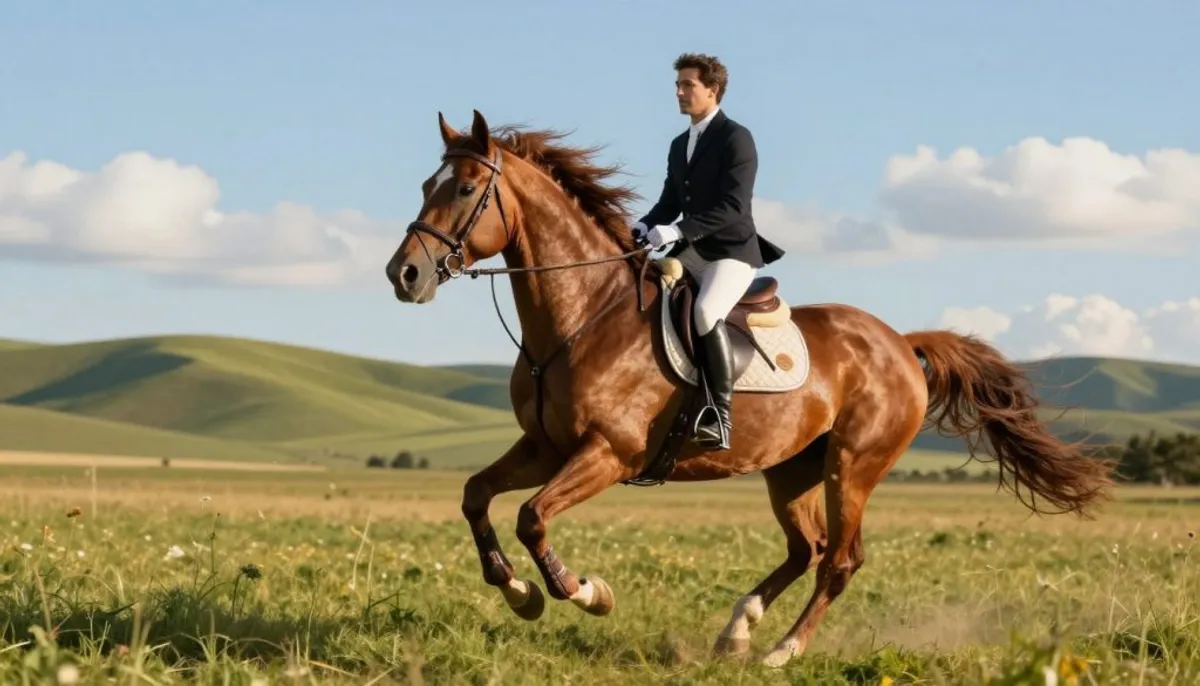
Before transitioning to the gallop, ensure a stable and dynamic trot. Maintain your direction and make large curves. If the trot is well-rhythmed, transitioning to the gallop will be smooth.
Instructions should be given calmly and step by step. The inside leg initiates the impulse, while the outside leg guides the horse. The rider should lean slightly to accompany the movement.
Observe your horse closely before asking for more. A relaxed back, calm breathing, and active ears indicate readiness. If excitement arises, return to the trot, breathe, and try again more gently.
| Workplace | Advantages for Starting the Gallop | Points of Attention |
|---|---|---|
| arena | Visible trajectories, ground markers, regularity adjustment | Check the ground, avoid tight turns at first |
| indoor arena | Constant environment, safety, fewer distractions to stabilize the rider's aids | Manage space with others, be cautious of enclosing corners |
| outdoors | Motivation, variety, straight line useful for maintaining rhythm | Prioritize control, choose a safe terrain and a mastered pace |
The choice of terrain greatly influences the start. In the arena, precision is key. In an indoor arena, consistency is found. Outdoors, we seek variety while remaining attentive to rhythm and kindness towards the horse.
Dressage and Gallop Work: Improving the Quality of Gaits
Dressage is not just about beautifying. It makes the horse's gallop more stable and smooth. It also facilitates control. Many question this method, as explained by Larousse.
The idea is to progress gradually. We seek to achieve a better rhythm and line. The goal is also to have an attentive and calm horse.
Flexibility and Engagement: Useful Exercises for the Gallop
Start with simple transitions for engagement. Alternate between trot and gallop, then gallop and walk, while maintaining calm. A few well-executed attempts suffice.
Introduce variations in speed at the gallop. Try a few wider strides, then return to a more concentrated rhythm. The goal is to feel the horse tense up, without pushing.
- Change gaits without forcing.
- Maintain a large circle with a regular breath.
- After exertion, walk with relaxed reins.
Cadence and Straightness: Straight Lines, Circles, Variations
We judge cadence by listening and feeling. The rhythm must be steady and unhurried. If the gallop speeds up, simplify and then restart.
Straightness is achieved by following a precise line. In a straight line, the horse must remain centered. On the circle, maintain a good diameter without pulling on the rein.
| Objective | Exercise | What You Seek to Feel | Simple Marker |
|---|---|---|---|
| Regular Cadence | Gallop on a large circle + return to trot | A constant tempo, balanced breathing | You can count the regular strides |
| Straightness on the Line | Straight line, then transition gallop-trot | Shoulders aligned, equal contact with the reins | The horse does not lean to one side |
| Progressive Engagement | Variations of amplitude over a few strides | More lively movements, a back that supports | The gallop balances without speeding up |
| Availability | Gallop-walk-gallop on a wide turn | A quick reaction, a flexible neck | The transition is smooth |
Building a Balanced Gallop to Progress in Equestrian Discipline
A balanced gallop is useful in any discipline: club, competition, or outdoors. This comes from methodical training. If the horse shows signs of fatigue, it’s time to simplify.
Don’t forget the importance of care: good hydration, attention to limbs, respect for the back, and calm recovery. Good dressage relies on observing equine behavior.
With this method, you will see the cadence stabilize. Straightness and engagement will naturally improve. Over time, the quality of the gallop enhances, step by step.
Pony and Young Riders: Learning the Gallop Safely
For many young riders, galloping for the first time is a special moment. In a pony club, the goal is simple: move forward, breathe, and maintain balance. Safety is emphasized from the start, with clear rules and simple instructions.
Why the Pony is an Excellent Learning Partner
Ponies, due to their small size and stable rhythm, provide reassurance. In riding, this allows children to focus on their balance rather than speed. It also makes it easier for instructors to adjust exercises without pressure.
The series Au galop ! aired on Okoo offers a beautiful glimpse into this equestrian world. It follows the daily life of two riding centers, showcasing the lives of horses, the care given, and the lessons taught. The episode S5 E5 It’s Back to School for the Ponies highlights the importance of assessing levels before transitioning to the gallop.
Key Gestures to Build Trust with Your Mount
Before transitioning to the gallop, there is a routine to follow: check the girth, adjust the stirrups, and ensure the helmet is securely fastened. Next, create a calm atmosphere: look ahead, breathe deeply, and keep hands relaxed. Ponies sense tension, hence the importance of a gentle contact.
For added safety, a few simple markers help: stay on the track, maintain distance from the pony in front, and listen to the instructor’s instructions. Children progress better with consistent rules.
Making the Session Fun: Simple Goals and Gentle Progression
Sessions at the club can be short, fun, yet precise. A single goal can suffice, such as maintaining a straight line at the gallop and then returning to trot without stress. It is also good to alternate between trot and walk for better control of the pony.
- Simple course with three cones: start at a trot, accelerate to gallop, and return to trot before the cone.
- Balance game: hold the mane for a few moments, then calmly take the reins back.
- Voice-guided transitions: “trot,” “gallop,” “trot,” for a steady rhythm.
| Objective in the Indoor Arena | What the Rider Does | Safety Point to Check | Sign that the Pony is Comfortable |
|---|---|---|---|
| Starting the Gallop on a Half-Circle | Looks at the exit, inside leg at the girth, stable seat | Distance from others, clear trajectory, instruction given before departure | Soft neck, attentive ears, steady cadence |
| Maintaining a Controlled Straight Line | Open shoulders, fixed hands, legs in contact without squeezing | Reins at the correct length, pace suited to young riders | Calm gallop, no sudden acceleration |
| Returning to Trot then Walk | Sits up, breathes, closes fingers, and follows with the pelvis | Gradual stop, no pulling, listening to guidance | Calm return, chewing the bit, regular breathing |
Horse Well-Being: Care, Behavior, and Trusting Relationship
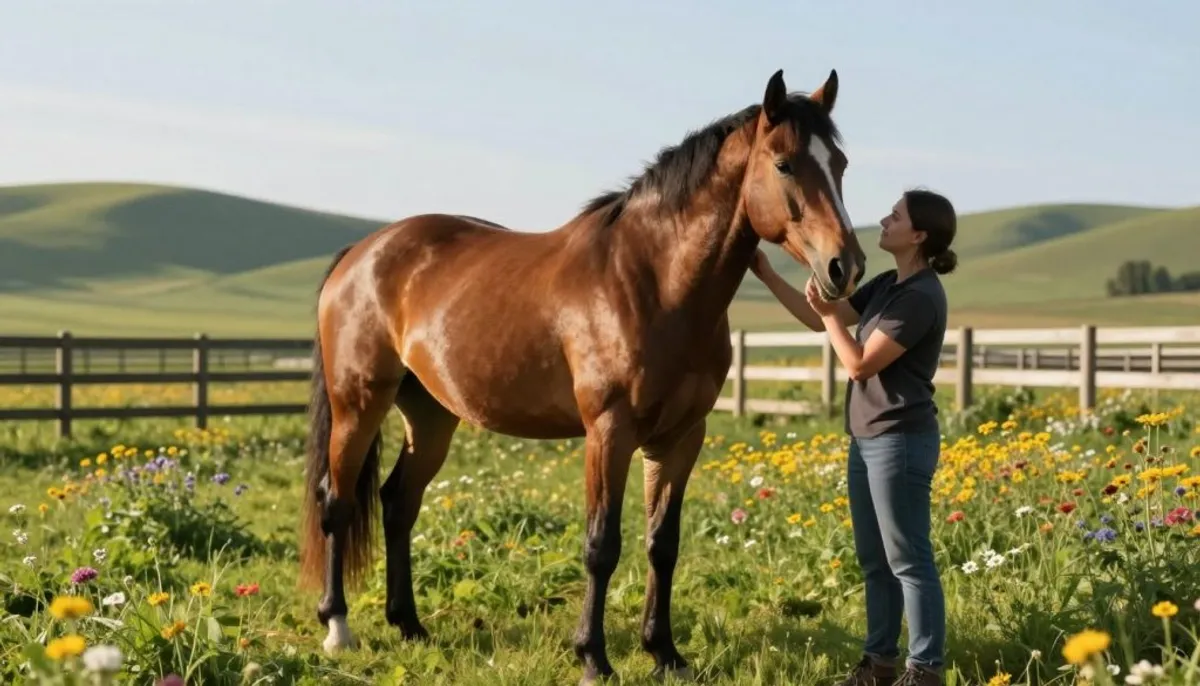
The well-being of the horse is more than just a good session. It comes from comfort, routine, and always being there for them. A horse that gallops freely often signifies a calm mind and a well-cared-for body.
Larousse's illustrated books highlight the important aspects through images and drawings. They provide a clear overview of anatomy and behavior over 96 or 87 pages. These books make it easy to understand what we see every day.
What Illustrated Equestrian Books Emphasize: Anatomy and Behavior
Knowing the anatomy helps adjust the horse's effort. During the gallop, its breathing, back, and balance are put to the test. Every movement must remain fluid.
Observing the behavior of the horse allows one to see if it is uncomfortable.
- Jerky breathing even at a slow walk.
- Hollow back, rigid neck, tight mouth.
- Ears back, worried look, fidgeting when saddled.
Caring for the Horse Daily: Observation, Routine, Comfort
Regular care gives the horse a sense of security. This helps during leisure moments and training. A daily routine creates a trusting bond.
Before asking for an energetic gallop, the horse's comfort is checked.
- Quick examination: feet, legs, back, friction points.
- Clean and well-fitted equipment: girth, saddle pad, bridle.
- Return to calm: walk, drink little by little, dry if necessary.
Horse-Human Communication: Signs Before and After the Gallop
The horse communicates constantly, often without a sound: through its posture, tension, and rhythm. Before galloping, if it is calm and wants to move forward, it is ready. How it recovers afterward says a lot about its condition.
In the episode “The Well-Being of the Horse Above All,” we see that the horse's health is a priority. Respecting the horse sometimes means stopping the exercise earlier or changing it if needed.
| Moment | Body Signals | Observed Behavior | Useful Care and Adjustments |
|---|---|---|---|
| Before Work | Regular breathing, supple back, equal strides | Curious, follows in hand, accepts contact | Check the tack, walk for 10 minutes, test a few flexions |
| During the Horse Gallop | Stable cadence, mobile neck, clear transition | Moves forward without rushing, remains attentive | Take breaks at the walk, vary curves, lighten the seat if tense |
| After the Session | Normal sweating, breath returning quickly, relaxed muscles | Regains calm, chews, stretches | Recovery walk, limb inspection, grooming, foot monitoring |
Cavalry and Equestrian Traditions: The Gallop in History and Culture
The cavalry in France places special importance on the gallop. It represents more than speed: it embodies brilliance and traditions. This culture is found in shows, demonstrations, and festivals.
In riding centers, daily life is marked by these traditions. Galloping becomes almost a ritual. This process includes entry, greeting, and choosing the path to follow. It allows for serene learning while capturing the essence of the spectacle.
The series Au galop ! on Okoo illustrates the relationship between learning and storytelling. Episode S5 E17 explains a place where spectacle and horses meet. It shows how the gallop tells a story while remaining simple.
In episodes S5 E18 “Let the Show Begin!” and S5 E19 “Light the Fire”, an adventurous atmosphere is felt. There is galloping, fire, and feats, all set against a medieval backdrop. This showcases the love of equestrianism for powerful imagery. These images come from a perfect balance of French equestrianism.
| Where We See the Gallop | What It Conveys | What We Retain in Equestrian France |
|---|---|---|
| Carousels and Demonstrations Inspired by the Cavalry | Collective discipline, precision of trajectories, sense of rhythm | Clear markers: space, cadence, control without tension |
| Equestrian Shows and Historical Tableaux | Emotion, storytelling, highlighting equestrian traditions | A readable gallop: stable posture, fixed hands, clear intention |
| Clubs, Pony Clubs, and Outdoor Outings | Transmission, respect for the horse, safety habits | A culture of progression: steps, instructions, trust |
In conclusion, these moments teach us something important. The gallop is more than just speed. It connects places, actions, and stories. Through cavalry, traditions, and popular culture, the horse becomes a universal means of communication.
Horse Racing: Speed, Training, and Specificities of the Gallop
The gallop in racing is not just about speed. It relies on the rhythm and balance learned during training. Then, one must maintain a constant speed without disrupting cadence or direction.
At this level, the racehorse shows its true capability. With clear objectives, it becomes a high-level athlete.
Objectives and Requirements: Propulsion, Breath, Recovery
Propulsion must be economical and primarily comes from the hind legs. Breath must be managed to last longer. At times, we slow down; at others, we speed up.
Regaining breath after exertion is essential. This helps prepare for the next races.
Training aims to improve endurance and freshness. This includes rest days. The goal is to progress without overexertion.
Differences Between Sport Work and Leisure Riding
In leisure riding, comfort and ease are sought. But in competition, everything is planned, from warm-up to recovery. The horse must respond quickly, even under pressure.
The series Au galop ! illustrates this discipline and preparation well. Whether in Deauville or Saint-Gatien, the demands are the same. Challenges like the PTV show the importance of good preparation and recovery.
| Marker | Leisure Riding | Horse Racing |
|---|---|---|
| Objective | Control, relaxation, pleasure | Mastered speed and efficiency |
| Gallop Work | Short sequences, varied terrain | Targeted sessions on the track, followed cadence |
| Breath Maintenance | Progressive, without seeking maximum | Interval, accelerations, effort management |
| Recovery | Simple return to calm, routine | Careful monitoring, planned rest, freshness |
Racing Culture in France: Vocabulary and Markers for Beginners
To understand horse racing, certain keywords are essential. “Track,” “cadence,” and “propulsion” are terms to know. They help grasp the nuances of racing.
Watching the consistency of the gallop can reveal much. A well-trained horse maintains its pace, breathes correctly, and recovers quickly. This is what makes the sport fascinating for novices.
Rider and Horse Equipment: Tack, Comfort, and Performance
When the horse gallops, everything changes quickly. Balance becomes crucial, and every detail matters a lot. Well-chosen equipment allows for a stable ride, without hurting the rider's back or the horse's mouth. The goal is to increase comfort, safety, and improve communication with the horse.
The Essentials for a Stable Gallop: Saddle, Bridle, Protection
The saddle must fit perfectly, avoiding any imbalance or pressure, and provide freedom of movement to the horse's shoulder. A well-fitted bridle ensures a stable connection, without being too tight or loose. This precision is vital at the gallop. Good protection for the horse's legs reduces the risk of injury, providing safety on varied terrain or outdoors.
- Saddle: rider's balance, horse's freedom, stability in curves.
- Bridle: regular contact, finer response, calmer mouth.
- Protection: tendon support, prevention of injuries, peace of mind.
Why the Quality of Tack Matters at Gallop: Safety and Precision
At gallop, lower-quality equipment can pose problems: moving girths, stretching leather, seams under tension. A quality tack remains fixed and absorbs stress better. Thus, communication with the horse is clearer, and it remains cooperative and calm.
The choice of material is also crucial. Sturdy leather, well-made pads, and solid buckles make a real difference. This changes everything during transitions and in seeking a controlled gallop.
Focus on La Sellerie Française: High-End, Made in France, Custom-Made and Limited Edition
For those seeking durable equestrian equipment, La Sellerie Française is a luxury brand. It offers unique products, custom-made or in limited editions, with impeccable finishing. This approach appeals to riders looking for a saddle and bridle perfectly suited to their duo, not just approximate.
Manufacturing Commitment: Products Made from A to Z in France (better than Made in France / Origin France)
The major advantage is the commitment to production entirely in France. This goes beyond simple Made in France or Origin France labels. It means better traceability and consistency, essential when the gallop tests the resilience of the equipment.
| Element | To Check for Gallop | Effect on Riding | Quality Marker |
|---|---|---|---|
| saddle | Appropriate arch, clear channel, symmetrical padding | More fixed legs, freer back, constant balance | Dense leather, regular panels, neat and durable stitching |
| bridle | Clear headpiece, adjusted noseband without excess, stable cheekpieces | Softer contact, more precise direction, calmer mouth | Reliable hardware, leather that does not stretch, clean finishes |
| protection | Good height, secure closure, no friction at the fetlock fold | Less shock, more confidence, bolder strides | Breathable materials, soft edges, support without compression |
| tack | Consistent assembly, compatibility of parts, easy maintenance | Stable material, finer aids, more regular horse gallop | Monitored production, constant control, daily durability |
Conclusion
Learning to ride a horse is progressing step by step, from trot to controlled gallop. We start by initiating correctly, then work on balance and direction. Thus, our body adapts better, and the horse reacts more precisely.
In dressage, the gallop becomes regular and fluid, without excessive effort. For beginners, riding a pony is safer and easier to learn. This reduces stress and makes the experience more enjoyable.
The well-being of the horse is essential, with particular attention before and after exercise. History shows that equestrianism is rich in techniques and traditions. Horse racing, on the other hand, emphasizes speed and endurance.
Larousse's books, with illustrations, offer reliable information on horseback riding (87 pages in 2021 and 96 pages in 2022). Good equipment, like that from La Sellerie Française, ensures comfort and safety. A respectful and patient approach to horseback riding is crucial for success.
FAQ
What is the horse gallop, and why does this gait seem “more difficult” than the trot?
The gallop is a gait that follows a three-beat rhythm, plus a moment when all feet are in the air. It is more expansive than the trot, with a movement that carries the rider. It is seen as more difficult because it requires good coordination of actions, maintaining balance, and the right rhythm.
What does one feel at the gallop, from the rider's side, and how to accompany without tensing up?
Galloping gives a sensation of steady swaying and gentle bouncing. One must remain supple while keeping the body stable. If one tenses up, it can hinder the horse and make the gallop jerky.
What are the clear differences between walk, trot, and gallop in terms of stability and breath?
At the walk, one feels stable and it is easy to breathe. The trot adds a bounce that can be tiring. At the gallop, although more comfortable, balance and proper contact are essential to manage the gait well.
What mistakes frequently occur at the gallop, and how to correct them?
Too firm hands can hinder the horse. Therefore, keep a light and stable contact. A poor leg position can cause failed departures. Clarify the position of your legs. A rigid posture causes imbalance. One should keep the body flexible and follow the movement well. Looking down can lead to losing the right direction. Therefore, keep your eyes forward and aim far.
How to successfully transition from trot to gallop without the horse accelerating?
Start with a calm and straight trot. Stabilize the direction, then ask for the gallop gently and clearly. If the horse gets excited, return to the trot to rebalance. Then, try again in a large circle to facilitate the transition.
What aids to use to ask for the gallop departure, in simple vocabulary?
Think about directing, stimulating, and balancing. The activity comes from the inside leg, initiate the gallop with the outside leg slightly behind. Keep the body well oriented in the movement. The hands should maintain a delicate contact so as not to hinder the horse.
Is it better to learn the gallop in an arena, indoor arena, or outdoors?
The arena is perfect for practicing straight lines and circles. The indoor arena offers a secure environment, ideal for beginners. Outdoors, however, allows for varied exercises while remaining focused on control and respect for the horse.
What simple exercises improve the gallop in dressage, without rushing?
The trot-gallop-trot transitions help control the gait. Varying stride length teaches how to adjust the gallop without tension. Working in a circle develops flexibility and balance, while galloping in a straight line strengthens control.
How to recognize a “balanced” gallop rather than a rushed gallop?
A balanced gallop shows a constant cadence, with rounded strides. The horse remains attentive and responsive. A rushed gallop is characterized by a too-fast rhythm, where the horse struggles to maintain good form. A sign of a good gallop is the ability to slow down or change direction easily.
Is the pony really ideal for teaching gallop to young riders?
Yes. A well-trained pony suited to the rider's level offers a reassuring experience. It helps learn the basics, improve balance, and gain confidence. With simple objectives, learning becomes safer, as seen in pony clubs.
What habits strengthen the trust between the horse (or pony) and its rider?
Establishing a calm routine, giving clear instructions, and listening to the horse strengthen trust. Regular exercises, such as walking with long reins, help progress. Adopting a step-by-step approach reduces stress and improves the rider-horse bond.
What fun session ideas can teach the gallop without overwhelming a child?
A simple course, balance exercises at walk and trot, before attempting the gallop. Transitions between gaits are educational games. The important thing is to ensure safety, enjoyment, and progression at their own pace.
What well-being signals to observe before, during, and after a gallop session?
Before, observe if the horse is relaxed and ready to move forward. During, check its breathing and ability to slow down easily. After, ensure it recovers well, breathes calmly, and remains attentive.
Why is well-being even more important at the gallop than at other gaits?
The gallop requires more effort, intensely taxing the horse. If the horse is uncomfortable or stressed, this is immediately reflected in a drop in quality. It is better to gallop less but do it correctly, ensuring proper recovery.
What illustrated books help understand horse anatomy, behavior, and care?
Larousse editions offer easy-to-understand illustrated books, with beautiful images. For example, a book released on November 10, 2022 (ISBN-10: 2036040632) explains the subject well. There is also another book, published on November 17, 2021, full of photos and drawings.
What does dressage involve, and what is its link to “leisure” gallop?
Dressage teaches one to remain attentive and responsive at each gait. At the gallop, this helps to be more supple and precise. Even outside of competition, a bit of dressage improves the experience and safety.
What does the series “Au galop !” (Okoo. Children) say about learning and life in a club?
The series shows daily life in stables focusing on the horses. One episode talks about the return to the club, welcoming new ponies, and assessing riders. This highlights the importance of gradual learning.
How do cavalry and equestrian traditions give meaning to the gallop today?
The gallop enriches French culture through shows and traditions. This approach values equestrianism as an art. It inspires respect and curiosity for the horse.
What is the link between equestrian spectacle and gallop, according to “Au galop !”?
Some episodes explore the gallop as a means of expression in spectacle. They show scenes of performance where gallops, fire, and rearing captivate the audience in thrilling adventures.
How does the gallop in horse racing differ from the gallop in leisure riding?
In racing, the focus is on speed and performance. For leisure, the emphasis is more on balance and the horse's well-being. The objectives vary: efficiency on one side, comfort on the other.
CSO, PTV, working equitation: is it the same as horse racing?
No. These disciplines require skill but differ from horse racing. They still demand good preparation and control of the gallop.
What “sport” markers are seen in “Au galop !” around competitions?
The series follows a show jumping competition in Deauville. It also addresses the challenges faced by riders, such as difficulties during a first PTV. The emphasis is on preparation and competition.
What essential equipment is needed for a stable gallop?
A good saddle and a well-fitted bridle are essential. At the gallop, even the slightest imbalance in equipment is noticeable. Proper equipment ensures the stability and safety of both rider and horse.
Why does the quality of tack matter more at the gallop?
At the gallop, everything is more demanding. Good tack ensures better seating and reduces pressure points. This allows for better guiding of the horse.
What does La Sellerie Française offer for riders who want to progress at the gallop with high-end equipment?
La Sellerie Française (https://laselleriefrancaise.com) offers quality equipment made in France. Its products, crafted by excellent artisans, combine comfort, precision, and safety.
What does “made from A to Z in France” mean, and how is it different from simply Made in France?
“Made from A to Z in France” means that the entire manufacturing process is done locally. This ensures better traceability and quality compared to simple products labeled Made in France.
What equestrian vocabulary words should be known to better work on the gallop?
Knowing terms like cadence, impulse, and balance helps. It is also useful to know what an arena, indoor arena, and sports aspects like training are. This facilitates understanding instructions and improves progression.
How long can it take to improve one's gallop, and what objectives are truly measurable?
Progress depends on each horse-rider pair. Clear goals, such as a regular cadence or precise departures, help measure advancement. Focusing on thoughtful practice is more useful than constantly rushing.
Is it better to gallop more to progress, or to gallop better?
Prioritize the quality of the gallop. Well-executed strides, with pauses and attention to the horse's well-being, are essential. Quantity matters once quality is assured.