
Equestrianism is a sport that closely connects humans and horses. Despite this, horse abuse remains a problem. This article explores ethical equestrianism and its important values.
It ranges from understanding horse behavior to fighting against abuse. We will see how ethical equestrianism is essential in our equestrian culture. This journey will blend passion and ethics for a better and more sustainable equestrian experience.
Main Ideas to Remember
- Understand the signs of equine abuse to better prevent it
- Promote horse welfare through more ethical care and practices
- Educate riders on equestrian ethics to foster a culture of respect
- Act collectively to eradicate any form of abuse in equestrianism
- Value initiatives that advocate for horse welfare
Understanding Equine Abuse
Horse abuse is an important topic. It is essential to understand what abuse is and how to recognize it. Abuse can take several forms, such as neglect or mistreatment. Knowing how to identify these situations is crucial for taking action.
Definition of Abuse
Equine abuse means any act or omission that causes harm to horses. This includes lack of care, poor nutrition, or abuse during training. Physical violence is also considered abuse.
Signs of Abuse to Recognize
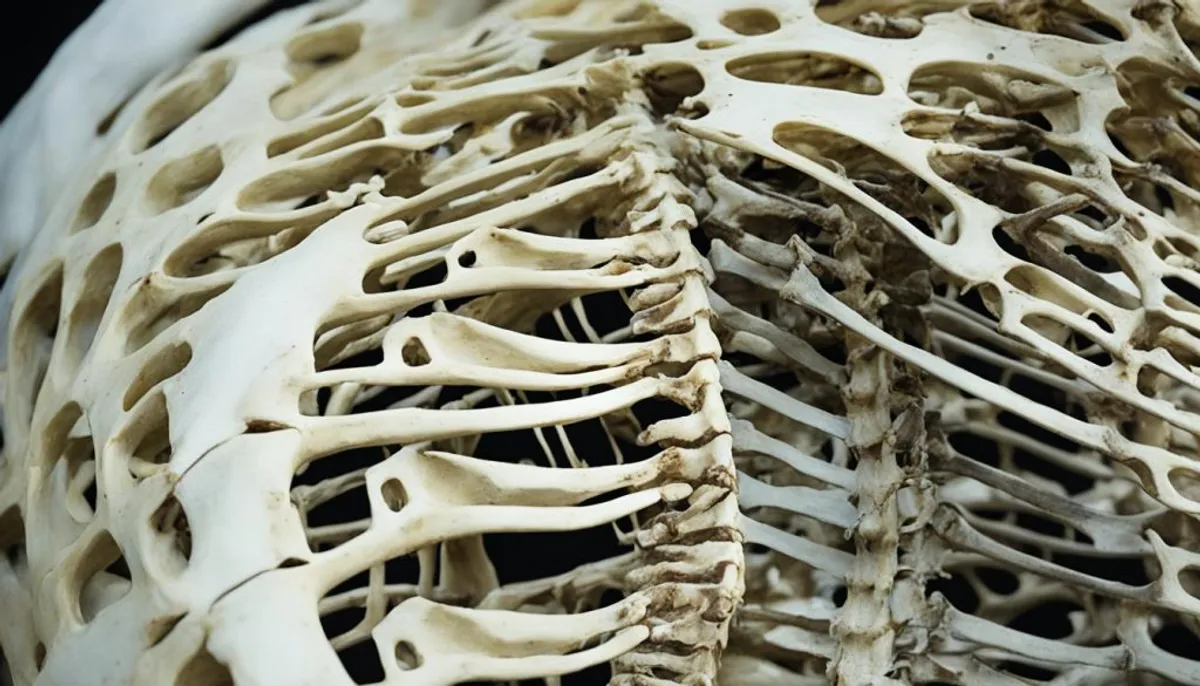
- Physical signs: injuries, thinness, dull coat, neglected hooves, lameness, etc.
- Behavioral signs: excessive fear of humans, stereotypies, aggression, etc.
- Housing conditions: lack of water, food, or adequate shelter.
It should be noted that some signs may not be due to abuse. A thorough assessment is necessary to be sure.
In case of doubt, contact experts. They can help you recognize and act against abuse.
Equestrian Abuse: A Complex Reality
Abuse in equestrianism is complex. Situations can be nuanced. Our representatives, in the 63 and other regions, cannot act everywhere.
If a report is outside our area, we will direct it to other associations or authorities. They may be better able to intervene.
Equine neglect can be due to owners in difficulty. They may not know how to care for their horse. A sick horse can receive care.
An established abuser may be aggressive towards those asking for information. Caution is needed in these cases.
We understand the complexity of these situations. We guide you through our means. Together, we fight against abusive practices. We want the welfare of horses, in a responsible equestrianism.
Promoting Equine Welfare
Ethical equestrianism emphasizes respect for the natural behavior of horses. It recognizes that these animals are social and have specific needs. The goal is to create a conducive environment for their psychological and emotional well-being.
By meeting their instinctive needs, a harmonious relationship between human and animal is created.
Respect for Natural Behavior
Horses need social interactions and natural activities to feel good. Ethical equestrianism encourages a conducive environment for these behaviors. This ensures their equine welfare and creates trust between the rider and the horse.
Optimal Care
Care in ethical equestrianism goes beyond riding. It aims for optimal health and overall well-being for horses. Owners ensure regular veterinary check-ups, proper hoof care, and appropriate management of the environment.
Their commitment to optimal care shows their dedication to the long-term health of horses.
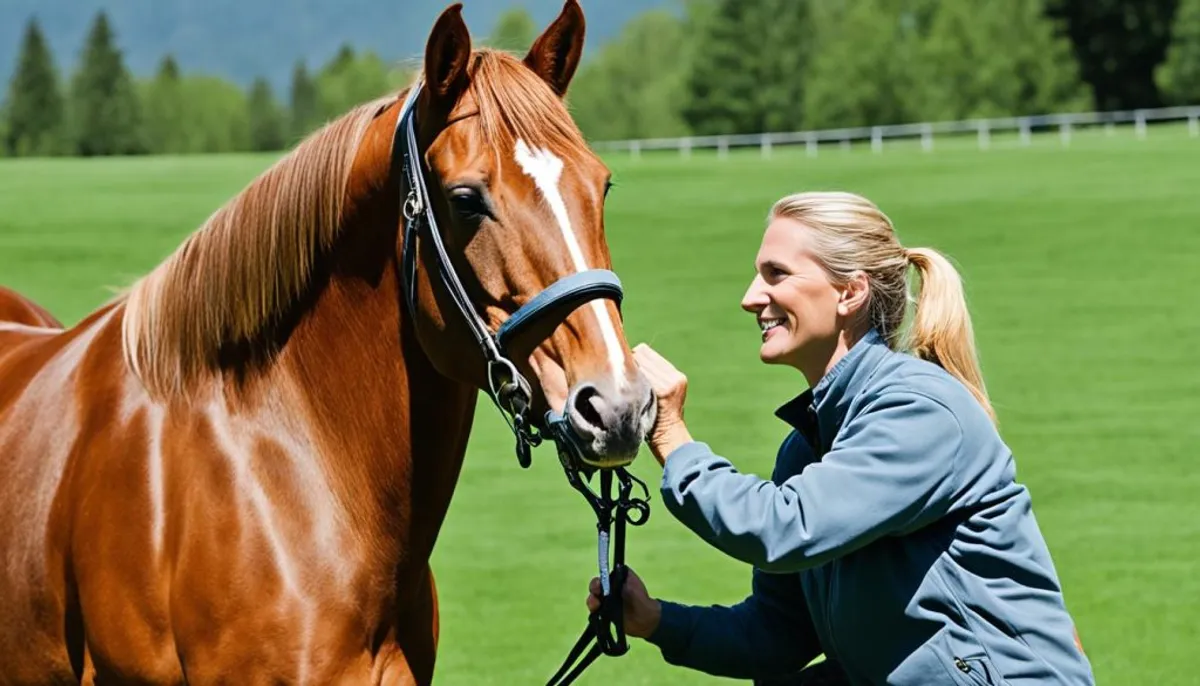
By promoting equine welfare, ethical equestrianism provides horses with a respectful living environment. It respects their natural behavior and basic needs. This approach aims for a relationship of trust and respect between human and animal.
The Ethical Training of Riders
Ethical equestrianism goes beyond kind behavior towards horses. It requires profound ethical training for riders. They want to better understand horse behavior and the latest discoveries about their welfare.
Riders learn to recognize signs of stress, discomfort, or satisfaction in their mounts. They use respectful communication with their horse.
Continuous Education
Conscious and respectful riders engage in continuous ethical training. They attend training sessions and workshops to raise awareness of the horse's needs. This improves their respectful communication.
This continuous education helps them learn the latest discoveries about equine ethics and animal welfare.
Practicing Ethics on the Ground
It is crucial to apply ethical principles in practice. Riders implement their knowledge during training and outings. They take responsibility for their horse's welfare.
This includes adequate care, proper nutrition, and a healthy environment for their mount. By training riders ethically, a conscious and respectful community towards horses is created. This promotes sustainable and ethical equestrian practices.
Conclusion: Act to Prevent
Abuse in equestrianism is a complex problem. It requires the effort of everyone in the equestrian community. Ethical equestrianism fights against animal abuse. It aims to raise awareness among riders and promote horse welfare.
Trained riders understand how to identify abuse. They also know how to report abuses and take action to protect horses. They support animal protection groups and encourage ethics in competitions.
By acting together, ethical equestrianism transforms anger into action. It creates high standards for horse welfare. The commitment of the community is crucial to fighting abuse and building a respectful future.
FAQ
How to recognize signs of abuse in a horse?
Before reacting, it is important to carefully observe the situation. A horse that seems unwell may be sick, or the owner may be unaware. Use the Henneke scale to assess its body condition.
Long hooves are not always a sign of abuse. Observe the horse without entering the pasture. Take photos from the public road. If in doubt, contact the relevant authorities.
What is ethical equestrianism and how does it differ from traditional practices?
Ethical equestrianism respects the natural behavior of horses. It creates a favorable environment for the psychological and emotional well-being of equines. Ethical riders learn to recognize signs of stress or satisfaction.
They use respectful communication with their mount.
How does ethical equestrianism engage in the fight against animal abuse?
Ethical equestrianism firmly combats animal abuse. Riders are trained to recognize signs of abuse. They report cases to authorities and take action to protect horses.
Ethical riders support animal protection organizations. They promote ethics in equestrian competitions.
What are the pillars of ethical equestrianism in terms of care provided to horses?
Ethical equestrianism goes beyond simple riding. It ensures optimal health and well-being for equines. This includes regular veterinary check-ups and hoof care.
A prudent deworming program and appropriate management of the environment are also essential.
How does ethical equestrianism train riders to adopt more respectful practices?
Ethical equestrianism trains riders through ethical education. They learn about equine behavior, ethology, and respectful care. They recognize signs of stress or satisfaction in their horse.
This theoretical training is put into practice on the ground. Riders have an increased responsibility for their mount's welfare.