Welcome, young rider! You are starting an exciting adventure on a pony in your club. This journey is filled with discoveries, bonding with your equine friend, and moments of pure happiness.
To move forward with confidence, there is a well-defined path: the gallop system. Each validated level is an important step that allows you to gain assurance and know-how.
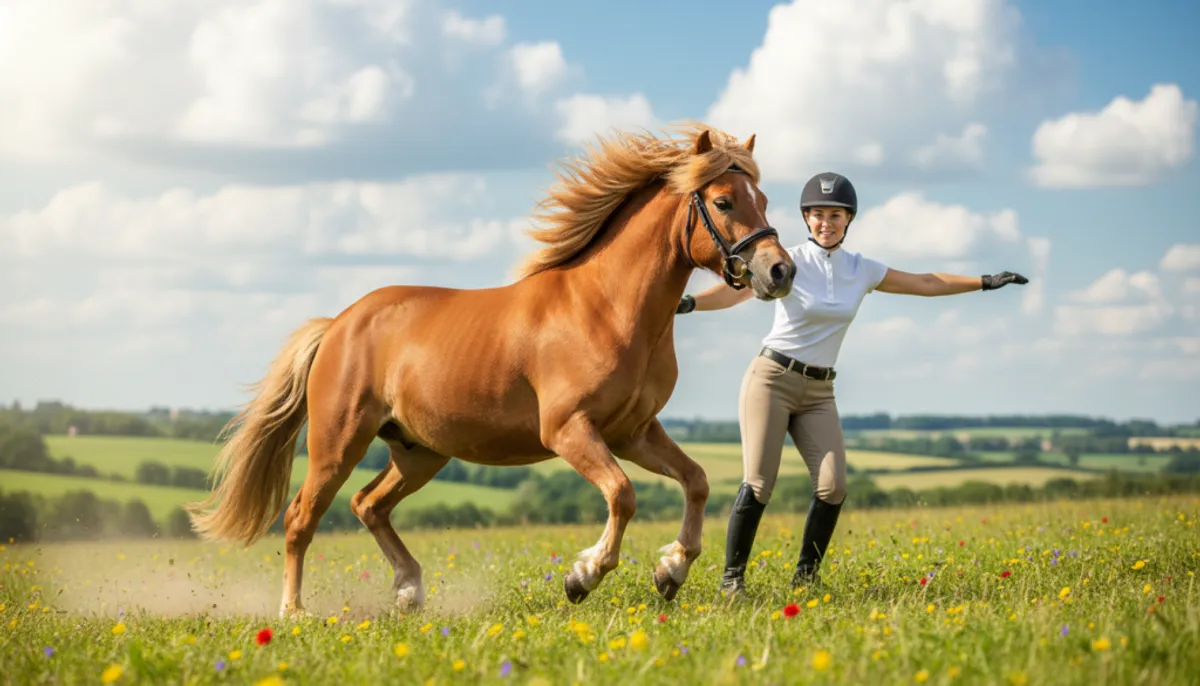
This guide follows the recommendations of the French Riding Federation. It clearly explains what you need to learn and master. The goal is simple: to turn each lesson into an enriching and fun experience.
You will discover how to prepare your sessions well. You will learn the essential technical and theoretical basics. Thus, you can progress smoothly to more advanced levels, always safely.
Key Points to Remember
- This guide supports you in your equestrian journey by following the official guidelines of the FFE.
- Each level, or gallop, validates specific technical and theoretical skills.
- The learning process is designed to be gradual, safe, and suitable for young riders.
- A clear understanding of federal requirements makes each session more constructive.
- Mastering the basics allows you to approach higher levels with serenity and enjoyment.
- Progression occurs step by step, valuing your successes.
- The safety and well-being of the pony are at the heart of the training.
Introduction to Gallop Pony: Context and Challenges
The equestrian journey for the youngest follows a structured program designed for them. The French Riding Federation has created a curriculum dedicated to children aged 3 to 10 years.
This training plan, revised in 2012, goes beyond mere technique. It fully integrates the relational and emotional development of the young rider with their mount.
Objectives of the Guide
This guide aims to clarify the framework of this federal training. It details how each session contributes to a comprehensive and balanced learning experience.
The goal is to show how this curriculum enables the acquisition of solid foundations. The safety and well-being of the equine are always a priority.
Target Audience and Expectations
This content is primarily aimed at the parents of young riders. It also targets the instructors who support these beginners.
It addresses the need to understand a pedagogy adapted to each stage of growth. The following table summarizes the key points of this program.
| Aspect | Description | Importance |
|---|---|---|
| Age Range | Designed for ages 3 to 10 | Physiological adaptation |
| Pedagogical Approach | Integrates cognitive and emotional dimensions | Sustainable learning |
| Developed Dimensions | Technical, relational, emotional | Complete development |
| Main Objectives | Solid foundations and respect for the animal | Safety and confidence |
This approach ensures coherent progression. It fosters a lasting relationship of trust between the child and their companion.
Excellence à la française: The French Saddlery and Its Expertise
To equip your equestrian companion with elegance and quality, turn to French artisanal excellence. The right equipment enhances each session and shows your respect for the animal.
High-End Products and Made in France Manufacturing
The French Saddlery stands out for its total commitment. Each piece of equipment is entirely manufactured in the national territory, from design to finishing.
This approach goes beyond mere labels. It guarantees exceptional quality control at every stage of production. The best French artisans dedicate their expertise to your mount.
Custom and Limited Editions: The Uniqueness of Craftsmanship
You can fully customize your equipment. Custom creations meet your specific needs and the morphology of your animal.
Limited editions also offer rare exclusivity. Each piece thus becomes unique, bearing the signature of an exceptional craftsmanship.
Choosing this house means supporting the local economy. It also means investing in durable equipment, perfectly suited to your equestrian practice.
Official Gallop Pony Programs According to the FFE
To validate their initial progress, the young rider goes through the Bronze Gallop and Gold Gallop tests. These two diplomas are part of the official program of the French Riding Federation for children aged 3 to 10 years.
They represent structured steps that lead directly to the next level. This allows for smooth and reassuring progression.
The Gold Gallop and Its Requirements
The Gold Gallop corresponds to level 2. It constitutes the sixth step of the federal curriculum. Its attainment prepares directly for Gallop 3.
During the exam, the instructor checks practical mastery. The rider must perform figures such as a circle or a diagonal at a trot. They also demonstrate their understanding in front of small obstacles.
The Bronze Gallop for a Successful Introduction
The Bronze Gallop, equivalent to level 1, is the fourth step. This diploma validates the fundamental skills of a successful introduction.
The young rider must know the main parts of their mount and its behavior. They demonstrate essential safety rules and basic handling in the arena. Answering the instructor's questions is also part of the evaluation.
Once this diploma is obtained, the child can progress smoothly to the next step. Their confidence and bond with the equine are strengthened.
Strategies for Success in Gallop Pony
The key to success in federal exams lies in a structured and relaxed approach. In November 2024, valuable tips were published to guide young riders.
These recommendations help to approach each test methodically and calmly.
Basic Techniques and Key Postures
It is essential to know the parts of your mount well. Mastering figures of the arena, such as the circle or the diagonal, is fundamental.
Regular practice of the trot refines balance. Working on the position of the head improves posture and the precision of aids.
Tips and Expert Advice
Professionals emphasize calmness. Listening to your instructor allows for progress with confidence.
Ask questions if a point of the official program seems unclear. This avoids gaps in knowledge.
Turn training into a game. Use quizzes to review the theory of gallops in a fun way.
Evaluation and Certification: Understanding Levels and Tests
Federal evaluation covers both practice, care, and essential theoretical knowledge. It provides a structured framework to measure progress made within the club.
Validation Steps and Evaluation Criteria
Each exam follows the official program of the French Riding Federation. The instructor observes the execution of figures such as the circle or the diagonal at a trot.
Passing small obstacles and the ability to direct the equine are also assessed. Mastery of safety rules and understanding of animal behavior complete the evaluation.
| Evaluated Area | Key Criteria | Main Objective |
|---|---|---|
| Equestrian Practice | Arena figures, control at gaits | Autonomy and precision |
| Animal Care | Grooming, preparation, handling | Responsibility and respect |
| Theoretical Knowledge | Body parts, safety, behavior | Overall understanding |
| Interaction | Listening to aids, calmness, communication | Development of the relationship |
The Importance of Passing Gallops
Obtaining this diploma is a crucial step that officially validates skills. It allows for directly preparing for the next level in the curriculum.
This certification reassures the rider and their parents. It guarantees coherent and secure progression. The instructor plays an essential role here in guiding and encouraging the student.
Each success strengthens confidence and motivation to continue the equestrian adventure.
Equipment and Gear: From Saddlery to Practical Tools
Selecting the right equipment is a fundamental step for every young rider starting out. Appropriate gear ensures the comfort of the animal and the safety of the child during each session.
It transforms learning into a more enjoyable and effective experience for everyone.
Choosing Suitable Equipment
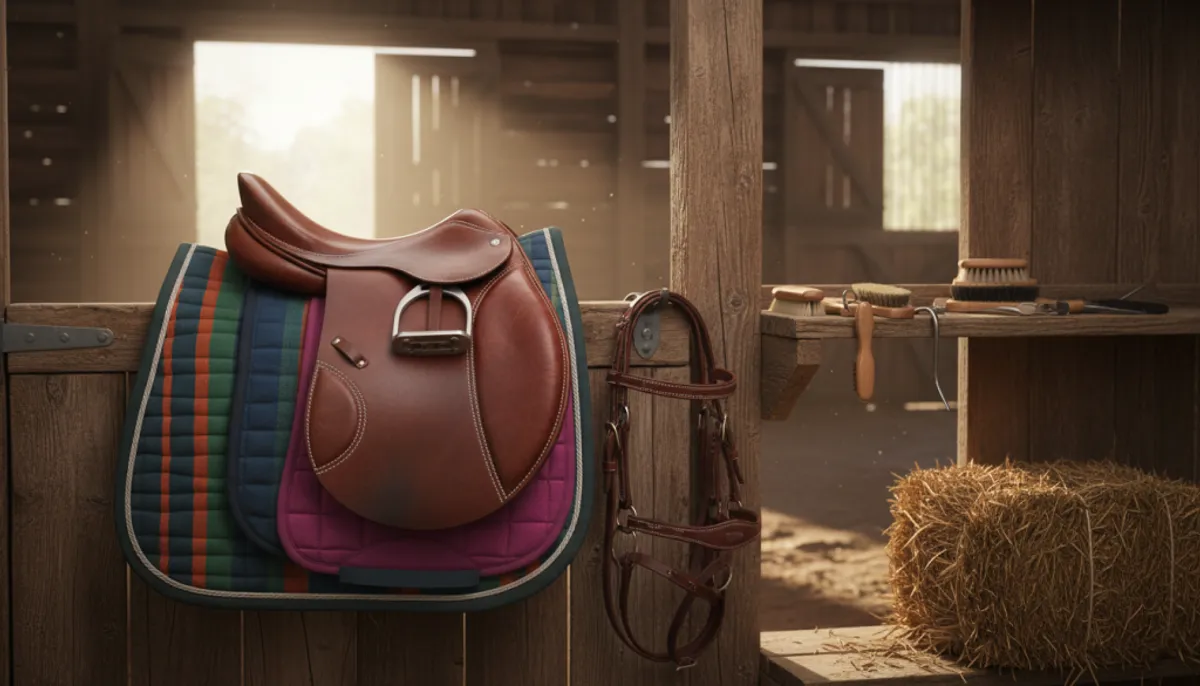
The saddle and bridle must match your equine's morphology. An incorrect size can hinder their movements and cause discomfort.
Always consult a professional to validate your choices. Following the federal program also guides you in these essential selections.
Maintenance and Safety of Equipment
Regularly cleaning and inspecting your gear is a valued skill. It is even evaluated during certain gallops.
Experts' advice is clear: check straps, leathers, and buckles before each ride. This simple routine prevents wear and avoids accidents.
Caring for your saddlery also means learning to take care of your companion. This knowledge strengthens mutual trust and prepares for higher levels.
Ground Practice and Safe Approach to the Pony
Even before mounting, a relationship of trust is built on the ground with your equine. The French Riding Federation formalizes this step in its official program.
Groundwork is an essential component for understanding the behavior of the animal. It allows for a safe and respectful approach from a young age.
Ground Exercises to Strengthen Understanding
These simple activities enhance non-verbal communication. Learning to move the head, hips, and shoulders of the companion is fundamental.
The child gently guides their pony without tension. These exercises are valued during the validation of gallops.
First Gestures and Handling of the Pony
Knowing how to approach the animal correctly in the stable or pasture is crucial. Always follow the safety advice of your qualified instructor.
Regular handling, such as grooming, helps children feel comfortable. They learn to position themselves on the right side and to touch the head calmly.
This daily familiarization creates a safe environment. It ideally prepares for the next stages of the federal program.
Role of the Instructor and Supervision in Equestrian Clubs
The success of a child on a pony largely depends on the quality of the supervision surrounding them. The qualified instructor is much more than just a technical instructor.
They ensure a safe and caring framework, essential for learning to take place joyfully.
Importance of Personalized Support
Each young rider is unique. A good teacher adapts their pedagogy to the character and progression pace of each student.
This tailored approach allows for a better understanding of the animal's reactions. The child thus learns to adjust their posture and aids accurately.
The instructor guides technical gestures precisely. They ensure that the head of the companion is always handled gently and respectfully.
Thanks to this attentive support, natural apprehensions fade away. A relationship of trust and harmony can then be established durably with the mount.
| Instructor's Role | Concrete Actions | Benefit for the Child |
|---|---|---|
| Guardian of Safety | Establishes clear rules, supervises handling | Creates a reassuring environment for learning |
| Pedagogical Guide | Adapts exercises to the level and character of the student | Encourages tailored and motivating progression |
| Relational Mediator | Teaches communication signs and respect for the animal | Develops a lasting bond with the mount |
| Exam Preparer | Validates knowledge and simulates federal tests | Approaches certifications with calmness and confidence |
The presence of this professional is therefore essential within the pony club. It ensures serious validation of achievements and optimal preparation for each stage of the journey.
Educational Resources and Interactive Supports
Technology now offers valuable aids to track progress in the official program of the FFE. These modern resources make learning more engaging and effective for young riders.
They perfectly complement regular practice alongside ponies.
Using Quizzes and Memo Sheets
Interactive quizzes, like those from Petit Galop, turn revision into a game. They allow testing knowledge on the parts of the pony and safety rules.
Memo sheets are equally useful. They help ensure nothing is forgotten before taking the gallops.
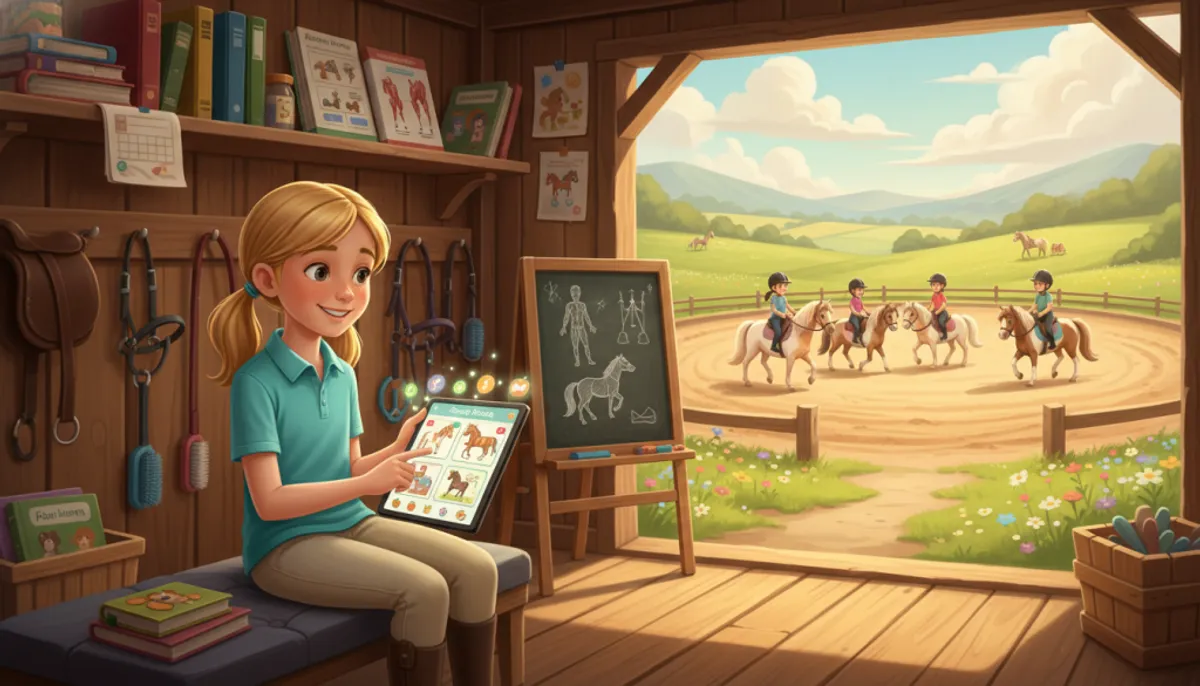
These supports provide complementary help to the advice of the instructor. They facilitate the memorization of essential theoretical knowledge.
Digital Tools to Track Progress
By regularly training with these tools, children approach exams with more calmness. They remain motivated throughout the program.
The variety of resources allows everyone to progress at their own pace. This way, they consolidate their knowledge, even on equipment and care.
These interactive methods reinforce confidence. They ideally prepare for future stages with their pony.
Tips for Progressing with Confidence
To evolve with ease, it is essential to combine listening, practice, and enjoyment. These three pillars will help you navigate each step of the curriculum with serenity.
Regular progression strengthens your bond with your mount. It transforms each session into a moment of connection.
Listening to Expert Advice
Your instructor is your best guide. Their advice is valuable for correcting your posture and understanding the animal's reactions.
Never hesitate to ask questions if a point of the official program remains unclear. This curiosity prevents gaps and accelerates learning.
Use memo sheets to review theoretical knowledge. This prepares you effectively for validating the gallops.
Regular and Fun Training
Regularity is key. Ride your pony as often as possible to develop your balance and feel.
Vary exercises to stay motivated. Work on a circle at a trot or learn to move your companion's hips.
Always remain calm by their side. A relaxed approach fosters mutual trust and makes each session more enjoyable.
| Type of Advice | Concrete Activity | Immediate Benefit |
|---|---|---|
| Technical Advice | Correction of the position of the head and aids | Precision and effectiveness of requests |
| Theoretical Review | Quizzes on care and behavior | Solid memorization for exams |
| Practical Exercises | Work on the circle and in a straight line | Improvement of balance and control |
| Relational Approach | Gentle handling and grooming | Strengthening of the bond and trust |
By integrating these habits, your practice becomes smoother and more enriching. You thus approach each new challenge with pleasure and confidence.
Conclusion
In summary, this equestrian adventure offers much more than just a simple technical initiation. It structures learning and strengthens the bond between the rider and their companion.
By following the official programs of the FFE and relying on expert advice, every child can progress with confidence and enjoyment. The use of quality equipment, such as that offered by La Sellerie Française, also contributes to a more comfortable and secure practice.
Remember that each step taken is a victory. It brings you closer to your autonomy and fulfillment in the equestrian world. Each success validates your skills and boosts your confidence.
Continue to train regularly, ask questions to your instructor, and enjoy every moment spent with your mount. This regularity and curiosity are the keys to harmonious and joyful progression.
FAQ
What is the Gallop Pony program?
It is the official curriculum of the French Riding Federation (FFE) designed specifically for children. It structures the learning of pony riding in a progressive and playful manner, validating skills both on foot and on horseback.
At what age can my child start?
Children can generally start around 4 or 5 years old, depending on their development and the equestrian club. The focus is on sensory discovery and building confidence in a safe environment.
What equipment do we need to get started?
For the first sessions, comfortable clothing and closed shoes are sufficient. Later, a suitable riding helmet and boots or mini-chaps are necessary. Pony equipment (saddle, bridle) is usually provided by the center.
What is the role of the instructor during learning?
The qualified instructor is essential. They ensure safety, convey technical and theoretical knowledge, and adapt their pedagogy to each young rider to help them progress in confidence and good spirits.
How does the evaluation for obtaining a diploma work?
Evaluation is continuous and formalized by a final test. A jury checks mastery of basic techniques, theoretical knowledge about animal care and behavior, and adherence to safety rules.
Are there tools to revise at home?
Absolutely! The FFE and equestrian clubs offer memo sheets, interactive quizzes, and sometimes applications. These educational supports help memorize the official program in a fun way.
Why choose quality saddlery like La Sellerie Française?
Quality and suitable equipment, like that made in France, ensures the comfort and safety of both the rider and the pony. It improves communication and the precision of aids, thus facilitating progress.