
Your companion's intestinal health is a fundamental pillar of its longevity and vitality. For equines living in the pasture, the unintentional ingestion of soil or sand is a daily risk that can severely disrupt their digestive system.
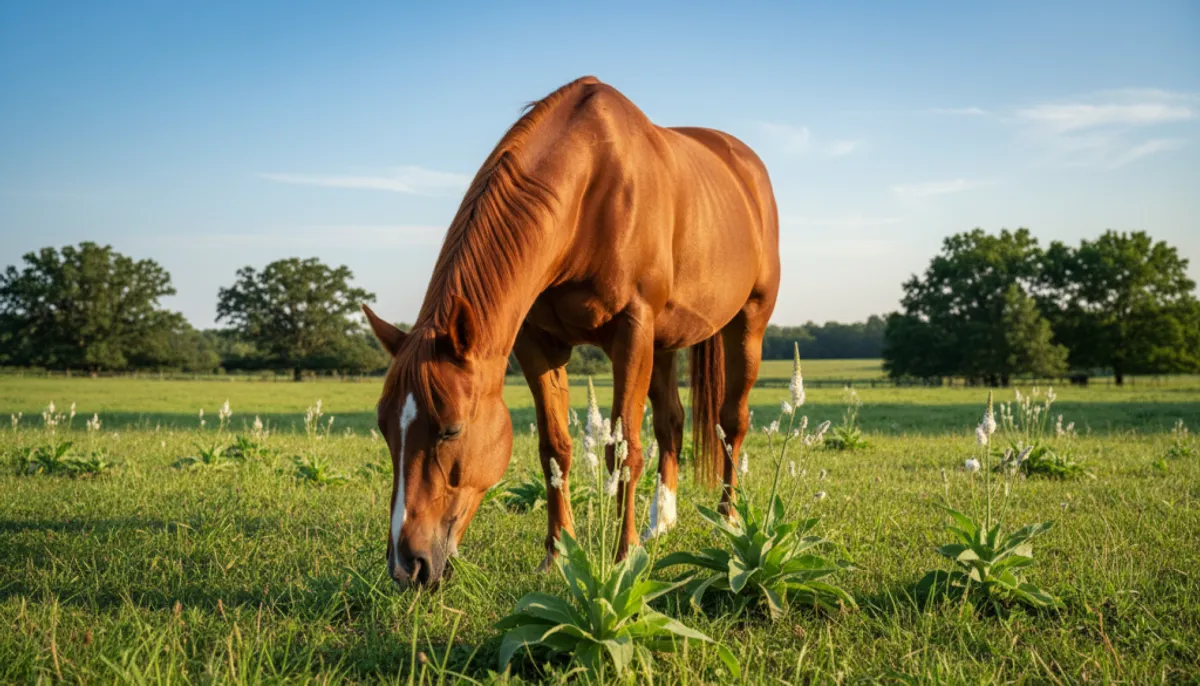
Fortunately, nature offers solutions. Black psyllium, derived from the Plantago ovata plant, is recognized as an effective natural regulator. It helps to cleanse the digestive tract and prevent the accumulation of abrasive particles.
Its optimal action depends on simple but essential conditions, such as permanent access to clean and fresh water. Preventive management, incorporating this supplement, helps to avoid many inconveniences and ensures smooth transit.
Caring for equine well-being means acting proactively to protect the animal's overall health. This guide supports you in this essential endeavor.
Key Points to Remember
- Psyllium is a plant with recognized digestive virtues for the equine system.
- The ingestion of sand can lead to serious complications requiring veterinary intervention.
- Maintaining good intestinal health is crucial for your horse's longevity.
- Clean and available water is essential to activate the benefits of psyllium.
- Equines in the pasture are particularly exposed to the risks of sand accumulation.
- This natural regulator contributes to balanced intestinal transit.
- A preventive approach is key to avoiding problems related to soil ingestion.
Introduction to Psyllium for Horses and Its Importance
In the face of the risks of sand ingestion, there is a product derived from a plant with unique properties. This natural supplement is specifically designed to meet the digestive needs of equines.
General Presentation of the Product
This plant, Plantago ovata, produces small seeds rich in mucilage. These psyllium seeds are used whole to preserve their effectiveness.
Their main function is to form a protective gel in the digestive system. This gel helps to capture impurities for natural elimination.
Context and Needs Related to Sand Ingestion
Sand ingestion is common in horses in the pasture. It occurs when animals graze on poor or bare soils.
These abrasive particles accumulate and can disrupt intestinal health. An appropriate diet including specific fibers becomes essential.
Psyllium for horses can be an effective preventive solution. It facilitates the elimination of sand and debris to maintain optimal digestive comfort.
In case of doubt, always consult a professional to assess your mount's needs.
The Benefits of Psyllium for Digestion
The secret to the benefits of psyllium lies in the mucilage, a soluble fiber that acts as a natural sponge. Upon contact with water, it swells to form a viscous and protective gel.
Gel Formation and Mechanical Action
Once ingested, this product transforms into a gelatinous mass. It lines the walls of the intestines and provides natural lubrication.
The digestive system thus benefits from a gentle mechanical action. The gel moves the accumulated sand particles and eliminates them without irritation.
Improvement of Intestinal Transit
This substance stimulates peristalsis, the muscle contractions that move food along. The transit is optimized, and the risks of blockage decrease.
In case of overly soft stools, it absorbs excess liquid. It helps to regulate the consistency of droppings in equines for better comfort.
| Gel Action | Main Effect | Result for Horses |
|---|---|---|
| Water Absorption | Formation of a natural lubricant | Protection of the mucous membranes of the digestive tract |
| Mechanical Stimulation | Activation of peristalsis | Regular transit and prevention of stagnation |
| Retention Capacity | Regulation of droppings' moisture | Optimal consistency of stools |
| Debris Movement | Gentle cleaning | Elimination of sand and impurities |
The beneficial effect is often visible in less than 48 hours. A well-conducted course ensures lasting digestive comfort for your mount.
The Role of Psyllium in Preventing Sand Colic
To protect your mount from colic, a natural solution exists and acts gently. Sand colic is a serious condition, particularly common in equines in the pasture.
It occurs when abrasive particles accumulate in the digestive tract. Preventive management is essential to maintain good intestinal health.
Mechanism of Sand Elimination
The product forms a viscous gel upon contact with internal liquids. This gel mechanically captures grains of sand and debris.
It then carries them out through natural pathways. This elimination occurs effortlessly for your animal's system.
The process is entirely physiological and safe.
Protective Effect on Intestinal Mucous Membranes
The mucilage creates a lubricating film on the walls of the intestines. This viscous barrier protects sensitive tissues from abrasive friction.
The effect is soothing and prevents irritations. Unlike some chemical treatments, this method of action is gentle and respectful.
The main advantages of this preventive approach are:
- A significant reduction in the risk of colic related to sand.
- A complete and gentle evacuation of accumulated sediments.
- A lasting protection of the stomach and digestive tract of horses.
A regular, tailored course offers peace of mind.
When and Why to Administer Psyllium for Horses?
The administration of this natural supplement addresses specific situations dictated by the environment and the animal's condition. Identifying the right time allows for proactive measures to maintain an optimal digestive balance.
Usage Scenarios (Grazing, Hay on the Ground)
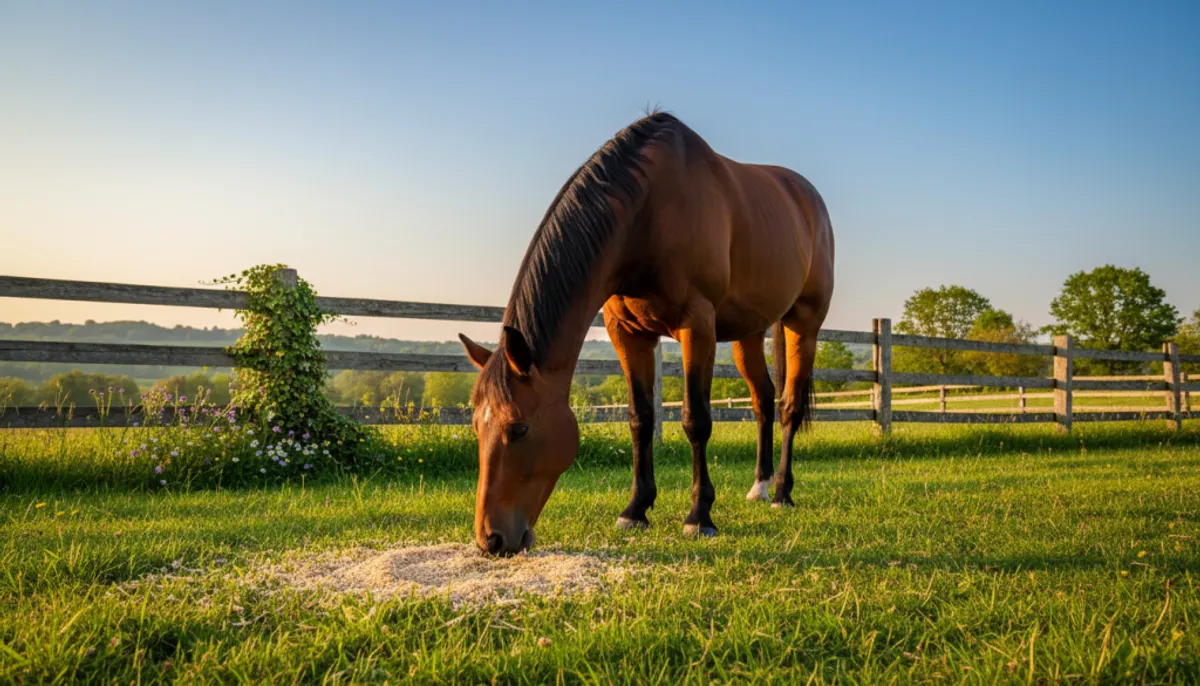
Grazing on short grass is a major risk factor. The ingestion of sand and soil becomes almost inevitable for equines.
Distributing hay directly on the ground exacerbates this phenomenon. Dust and sediments accumulate in the system.
In these cases, a preventive course is highly recommended. It helps to eliminate these abrasive particles before they cause issues.
| Situation | Main Risk | Preventive Action |
|---|---|---|
| Grazing on Short Grass | Ingestion of Sand and Soil | Formation of a capturing gel to cleanse the digestive tract |
| Hay Distributed on the Ground | Accumulation of Dust and Sediments | Lubrication and evacuation of debris |
| Dietary Change | Disruption of Transit | Support of Intestinal Flora and Regulation |
Indications for Digestive Disorders
Horses suffering from chronic diarrhea may benefit from a course. This product stabilizes transit by regulating stool consistency.
An abnormally swollen belly is a warning sign. It may indicate a blockage requiring prompt intervention.
During changes in diet, psyllium can be a valuable ally. It supports the adaptation of the flora and prevents disorders.
Acting early preserves intestinal health and reduces the risks of colic. A proactive approach is always preferable.
Dosage and Administration Method for Psyllium for Horses
An effective course relies on precise dosing and appropriate preparation. Adhering to these parameters ensures optimal and safe action for your equine.
Recommended Doses for Adult Horses, Ponies, and Foals
The amount to administer varies based on the size and age of the animal. Here is a practical guide for a standard seven-day course.
| Category | Daily Dose | Duration of the Course |
|---|---|---|
| Adult Horse | 3 measures (approximately 45g) | 7 days |
| Pony / Foal | 1.5 measures (approximately 22g) | 7 days |
This dose can be adjusted based on the observed ingestion of sand or soil. In case of doubt, consult an expert.
Tips for Preparing and Administering the Product
Preparation is simple but crucial. Mix one volume of this supplement with five volumes of clean water. Let it rest for 10 to 15 minutes.
The formed gel can then be incorporated into the usual ration, such as pellets. For better ingestion in horses, this wet method is often preferred.
- Ensure unlimited access to fresh water after administration.
- Maintain a 2-hour interval with any medication.
- Seeds should be used with caution to avoid any risk.
A well-conducted course over several days contributes to eliminating sand and preserving digestive health.
Comparison with Other Digestive Supplements for Equines
The effectiveness of a natural supplement often depends on its concentration of active ingredients and purity. The market offers various solutions for the intestinal health of equines.
It is therefore useful to compare them to make a choice suited to the specific needs of your mount.
Black Psyllium vs. Blond Psyllium
Among the products made from seeds, two main varieties exist. Black psyllium, derived from Plantago ovata, is known for its robustness.
It has a higher fiber content than its blond counterpart. This concentration optimizes its mechanical effectiveness in the digestive tract.
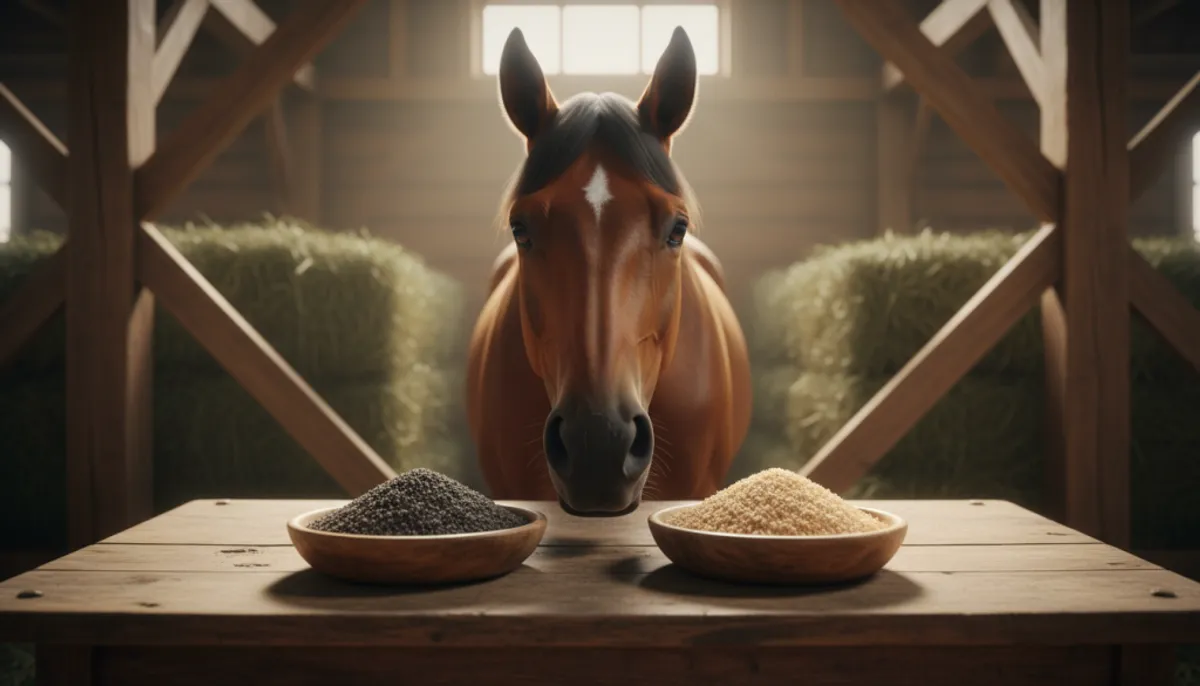
Psyllium for horses, in its black form, is therefore often preferred. Its action in facilitating the elimination of sand is particularly appreciated.
The whole psyllium seeds preserve all their nutrients. They form a more consistent gel that cleans deeply.
For a balanced diet, this contribution is valuable. It supports regular transit and prevents discomfort.
Choosing the right supplement is essential for your horse's overall health. A natural and concentrated solution offers lasting peace of mind.
Expert Opinions and Feedback
Field feedback and expert advice highlight a proven practice. Managing sand in the intestine is a top priority for professionals.
Their observations confirm the effectiveness of a regular preventive approach. This method sustainably protects the well-being of horses.
Professional Recommendations
A simple protocol is widely endorsed. It consists of a seven day course each month for at-risk equines.
This monthly routine deeply cleanses the digestive tract. It prevents the accumulation of abrasive particles.
Quality products, certified GMO-free, are essential. They guarantee safe and optimal action.
A balanced ration including this natural supplement reduces the risks of colic. This is a key point for an appropriate diet.
After each course, alternating with probiotics is often recommended. This allows for effective reseeding of the intestinal flora.
Feedback emphasizes the importance of this comprehensive strategy. Prevention remains the best defense.
Experts emphasize several points:
- Scrupulously respect the seven day duration for each monthly course.
- Prefer a pure plant, without heat treatment, to preserve its properties.
- Observe your horse and adjust the frequency if its environment is very sandy.
- Combine this practice with optimal hydration for a performing digestive system.
This approach, validated by professionals, offers a serene intestinal health. It protects your horse from the dangers associated with sand ingestion.
Tips to Optimize the Effectiveness of Psyllium for Horses
To get the most out of this natural regulator, a few simple tips make all the difference. Its maximum effectiveness depends on two essential factors: abundant hydration and a well-respected course schedule.
Importance of Hydration
The beneficial action of this fiber relies on its ability to swell. It must absorb a lot of water to form its protective gel in the intestine.
Ensure unlimited access to clean and fresh water. This constant hydration is key for the product to fulfill its deep cleaning function.
Ideal Frequency and Timing of the Course
The ideal course lasts seven consecutive days, to be renewed each month. This routine is crucial for equines living on sandy soils.
Psyllium can be mixed with a warm mash. This improves palatability and facilitates transit.
Adjust the dose based on your mount's weight. An appropriate amount ensures optimal action.
Distribute the psyllium seeds immediately after preparation. This prevents them from swelling prematurely.
This natural supplement can be a valuable aid in weight management. It ensures effective elimination while supporting digestive health.
Nutritional Data and Technical Analyses
Technical analyses reveal a complete and balanced nutritional profile.
Knowing the exact composition of this supplement allows for optimal integration into your mount's ration.
Study of Analytical Constituents
For 100 grams, this product provides 243 kcal, 21.6 g of protein, and 67.1 g of carbohydrates.
It also contains 4.8 g of lipids. This plant is an interesting source of energy for the horse.
Its mineral content is notable: 700 mg of calcium, 17 mg of iron, 208 mg of magnesium, and 900 mg of phosphorus.
These elements contribute to the mineral balance of the daily diet.
The mucilage is the main active component. It ensures the function of protective gel in the stomach and digestive tract.
The psyllium seeds are rigorously analyzed to guarantee optimal purity. These products are certified GMO-free and non-irradiated.
The hermetically sealed bucket preserves all these qualities.
A precise dose, calculated according to the animal's needs, allows for the benefits of all nutrients. This supports the digestive health of horses without overloading.
Preventive Use and Monthly Course
A well-established preventive routine is key to protecting your mount from digestive inconveniences. It relies on regular monitoring and attentive management of its environment.
Routine and Monitoring for Regular Use
The ideal course consists of seven consecutive days each month. This practice is particularly crucial for equines in grazing.
It facilitates the elimination of sand and accumulated debris. The digestive tract is thus cleaned gently and effectively.
This routine helps maintain a healthy digestive system. It prevents the risks of colic related to soil ingestion.
The dose should be adjusted to the weight of the animal. The ration should always be accompanied by unlimited access to water.
To optimize effectiveness, note these essential points:
- Scrupulously respect the seven day cycle each month.
- Observe your horse and adjust the frequency in case of very sandy soil.
- Psyllium for horses acts preventively to protect the intestines.
- Once a month, this course guarantees optimal digestive health.
This preventive management is an integral part of a balanced diet. It offers lasting peace of mind to owners.
Conclusion
In conclusion, integrating a natural digestive regulator into your equine's routine is a simple gesture with multiple benefits.
This essential supplement maintains optimal intestinal health on a daily basis. Its unique properties facilitate the evacuation of sand and protect the mucous membranes.
A monthly course of seven days effectively prevents the risks associated with soil ingestion. It ensures a regular transit and lasting comfort for your mount.
Don't forget: unlimited access to clean water is essential to activate the fibers. Follow the recommended dosages and preparation.
This proactive approach guarantees your animal's digestive well-being in the long term.
FAQ
What are the main benefits of this plant for the digestive system of equines?
This plant offers a dual advantage. Its seeds form a voluminous gel upon contact with water. This mechanical action gently cleanses the digestive tract and improves transit. It thus contributes to the comfort and overall health of the animal.
How does this supplement help prevent problems related to soil ingestion?
When ingested, the gel formed by the seeds traps the mineral particles present in the intestines. It then facilitates their natural elimination during transit. This process significantly reduces the risks of colic caused by sand accumulation, a frequent danger while grazing.
What is the recommended dosage for an adult weighing 500 kg?
For an equine of this weight, a daily dose of approximately 100 grams is generally recommended, often divided into two meals. It is crucial to mix the powder well with the ration and ensure that the animal drinks enough water to activate the beneficial effect of the product.
Should I prefer blond or black psyllium for my companion?
Blond psyllium, derived from the *Plantago ovata* variety, is the most commonly used. It is known for its high mucilage content, the substance that forms the gel. Black psyllium can also be used, but its profile is sometimes slightly different. Consult the recommendations of your preferred brand, such as EquiFirst or Pferd, to make the best choice.
How can I effectively integrate a course into my animal's routine?
For preventive use, a course of 5 to 7 days per month is a common practice. It is particularly useful for equines in the pasture or consuming hay directly from the ground. Ensure that you always provide abundant hydration during the course to guarantee optimal gel consistency and maximum effectiveness.