
The fascination for speed horses in France is great. But contrary to what some may think, running fast on horseback is not simply about “accelerating to the max.” In fact, the key lies in calmness, precision, and a good relationship between the rider and their horse.
When accelerating, everything seems clearer. The hooves clatter on the ground, the breathing intensifies, and the desire to surpass oneself rises. In this field, there is no room for imprecision. One must perfectly understand the movement, feel the ground beneath the hooves, and maintain a clear path.
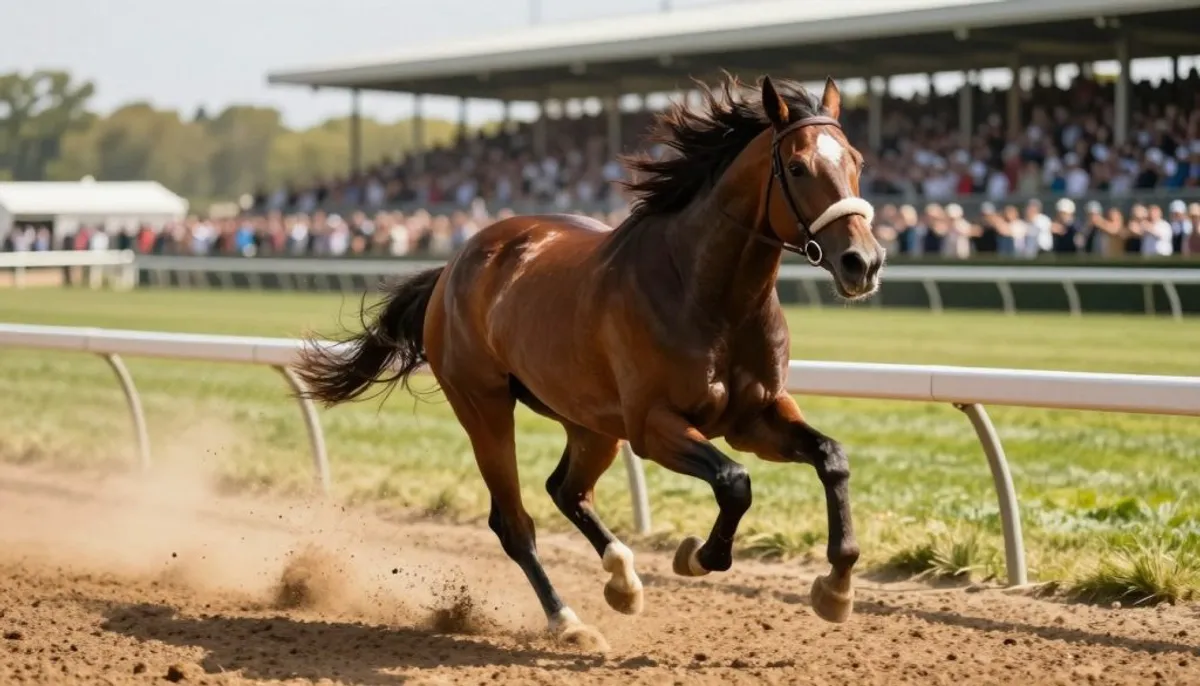
This guide aims to understand what truly enhances performance. We will discuss how to manage effort, anticipate movements, ensure safety, and develop a strategy. While also talking about the equipment that helps with better control. Because speed is, above all, about maintaining a steady yet controlled rhythm, from the starting line to the finish.
Key Points
- The speed horse is prepared methodically, not hastily.
- Fast riding requires a fine reading of pace and terrain.
- In equestrian sports, equestrian speed must remain stable and controlled.
- Effort management protects the physical condition of both horse and rider.
- Anticipation prevents mistakes: trajectory, balance, accelerations, and braking.
- In France, disciplines, practices, and equipment influence performance.
Understanding Fast Racing and Equestrianism in France
In France, “going fast” in equestrianism means more than just accelerating. It involves aiming for consistency, precision, and making the right choices. It pertains to a discipline where the rider and their horse learn to maintain a steady pace without becoming disorganized.
Watching an equestrian event takes on a new meaning with this approach. One evaluates not only the speed but also the ability to continue, to remain calm, and to breathe correctly. Horse races provide a reference, but they do not tell the whole story.
What Makes Equestrian Speed Unique in Equestrian Sports
The key to equestrian speed lies in the management of pace. This involves adjusting rhythm, conserving movements, and maintaining constant contact. A small oversight can lead to significant consequences.
The work is physical for both horse and rider. The horse must push and balance its effort. The rider, in turn, must absorb this effort, position themselves well, and make quick decisions.
Differences Between Horse Racing, Cross-Country, and Other Equestrian Competition Formats
| Format | Main Objective | What “Makes” Speed | Key Constraints |
|---|---|---|---|
| horse racing | Win on time and placement | Acceleration, peloton tactics, straight line timing | Density of competitors, tight trajectories, start management |
| Cross-country | Go fast while jumping outdoors | Steady pace, accelerations, choice of approaches and lines | Fixed obstacles, changing terrain, progressive fatigue |
| Other equestrian competition formats | Precision and control according to the discipline | “Useful” speed on transitions, curves, options | Risk of faults, penalties, technical requirements |
In more technical competitions, speed lies in fluidity. A well-negotiated turn or a good transition can save a lot of time. This is where the importance of choice and strategy is seen, not just speed.
The Sensations of the Ground: Hooves, Breath, Adrenaline, and Pace Reading
On the ground, every sensation counts. The sound of hooves varies with the surface, breathing quickens, and adrenaline rises on challenging terrain. These elements are very important in cross-country, as they require attentiveness to both sound and sight.
Understanding pace involves feeling the horse's movements and anticipating changes in terrain. This interaction creates harmony between strength, balance, and quick decisions.
Speed Horse: Basics, Potential, and Natural Limits
The key to speed in equestrian competition is not just about going fast. It involves a horse that maintains its energy, direction, and clarity of mind. Useful speed comes from a steady pace and precise accelerations, not from a hasty start.
Each horse has its own potential, influenced by its breed, age, recovery, and mental state. Natural limits manifest through fatigue, less precise movements, and a duller gaze. If precision decreases, performance suffers, even with a good time on the clock.
Speed vs. Endurance: Finding Balance Over Time
The challenge is to maintain speed while going the distance. Endurance allows for a steady pace without losing clarity. In a competition, accelerating for too long often costs more than it benefits.
It is essential to find an acceptable rhythm for both horse and rider. Speed management is like a budget: there are times to push forward and others to preserve endurance.
Power, Agility, Balance: The Qualities That Make a Difference
Power facilitates overcoming obstacles without excessive effort. Agility helps quickly adjust trajectory on challenging terrain. As for balance, it ensures stability in all situations.
| Quality | What We Observe in Training | Impact on Equestrian Performance |
|---|---|---|
| Power | Regular impulse, round jump, acceleration without pulling | Less wasted energy, cleaner jumps |
| Agility | Sharp direction changes, quick responses to the leg | Shorter trajectories, better line choices |
| Balance | Stable cadence, withers that stay “high,” horse settled | More safety, more consistent equestrian speed |
Why Speed Must Remain “Steady but Controlled”
A steady yet controlled rhythm allows the horse to see well, adjust, and breathe. Every step and every decision matter. Mistakes occur when one steps outside their comfort zone.
Controlling speed helps maintain a good safety margin. This protects endurance and precision, keeping a horse ready. In a race, fine-tuning this detail often differentiates performances.
Breeds and Profiles of Horses Suitable for Equestrian Speed
Going fast is different from rushing. A good horse maintains its speed, turns easily, and recovers quickly. In France, competitions take place on varied terrains. There, technique is as important as the ability to move.
Some breeds are favored, but other factors also count. The horse's mentality, its ability to recover, and its focus under stress greatly influence its performance. A horse that listens can save seconds without exhausting itself.
Thoroughbred: speed and endurance, perfect for competition
The Thoroughbred is designed for a sustained rhythm over distance. It covers great distances with its stride and has excellent cardio. It remains a reference in the world of horse racing. Poor acceleration management can be costly.
Selle Français: adaptable and versatile
The Selle Français excels on varied courses where the rider must constantly adjust their mount. It is powerful, well-balanced, and a good jumper. Its versatility is an asset for maintaining a regular and orderly rhythm.
Irish Sport Horse and Trakehner: strong, brave, and agile
The Irish Sport Horse is valued for its sturdiness and bravery in the face of large obstacles. It is forgiving of maneuvering mistakes and always motivated. The Trakehner adds agility and intelligence, valuable for analyzing and adjusting its course.
| Profile | Key Asset for Speed | What Saves Time on Varied Terrain | Point to Watch |
|---|---|---|---|
| Thoroughbred | High-intensity endurance | Long stride and quick accelerations, close to horse racing | Channel energy and maintain control in transitions |
| Selle Français | Versatility and balance | Easy adjustments before and after obstacles, more “organized” gallop | Build breath to maintain a steady rhythm over time |
| Irish Sport Horse | Robustness and courage | Strong commitment, stability in impressive passages | Preserve lightness to remain maneuverable in turns |
| Trakehner | Agility and intelligence | Terrain reading, fine adjustments, better precision on approaches | Avoid mental overload and keep a simple routine |
- Concentration: stay attentive despite distractions.
- Recovery: quickly regain breath after intense effort.
- Manoeuvrability: respond well to commands and turn well.
- Courage: move forward even when it seems difficult.
Cross-Country: A Key Discipline for Learning to Go Fast with Control
Cross-country is at the heart of equestrian competitions. It teaches us to be fast while controlling our speed. This type of competition directly confronts the rider and their horse with the outdoor environment, far from the usual arenas.
Format of Outdoor Courses: 3 to 6 km and Effort Management
Outdoor courses often span a distance of 3 to 6 km. This length requires constant effort management, not just rapid acceleration. The goal is to maintain a steady gallop, with precise cadence and accelerations.
On this type of distance, endurance is as important as the time achieved. The rider must adapt their speed to the various elements of the course such as climbs, difficult terrain, or tight turns. This makes speed in cross-country a matter of strategy and precision.
Steady Speed and Instant Decisions: The Paradox of Cross
Going quickly without rushing is the challenge of cross-country. Each obstacle requires making a clear decision regarding trajectory and where to focus. In competition, gaining a second is only useful if the jump is executed smoothly.
Good speed is based on simple decisions made in advance. It is important not to pull on the reins or push too hard just before jumping. The horse-rider duo saves time by maintaining a steady rhythm.
Concentration and Terrain Adaptation: The Real “Reading” of the Course
Each part of the course is different: wet grass, hard ground, forest paths, water entries. Cross-country requires constant attention at all times. The mental aspect also plays a role in effort management. One must stay focused despite stress and fatigue.
The key to the discipline is the trust between the rider and their horse. A horse responds well when it senses that its rider is confident and consistent. This is how controlled speed is achieved, based on symbiosis rather than force.
| Element of Cross-Country | What the Pair Must Do | Effect on Equestrian Speed | Practical Hint in Equestrian Competition |
|---|---|---|---|
| Distance of 3 to 6 km | Establish a sustainable and breathable gallop | Stable speed, fewer unnecessary variations | Set a rhythm from the start and protect it |
| Relief (climbs, descents) | Rebalance without braking abruptly | Less fatigue, better effort management | Shorten slightly before the descent, rebound after |
| Changing ground on outdoor course | Adapt supports and trajectory | Fewer slips, safer strides | Anticipate deep areas and maintain a simple line |
| Sequence of obstacles | Choose the line and the beat early | Steady speed without rushing | Look far ahead, keep legs present, stable hands |
| Stress and distraction | Stay consistent in aids | Fewer rhythm breaks | Speak little, breathe, and maintain the same control routine |
Obstacles and Technique: What Speed Changes on a Course
Speed on a cross-country course is not just about going fast. It heightens sensitivity to every detail: turns become tighter, balance shifts, and timing must be precise. In this discipline, hesitation can be costly, leading to lost time or even a horse refusal.
As speed increases, technique becomes essential. One must look far ahead and quickly check where to place their foot. Cross-country obstacles require making clear decisions to avoid rushing the horse.
Here are the most common types of obstacles:
- Fixed wooden: logs and fences, which require a precise trajectory.
- Natural: ditches, water crossings, and banks, where the terrain changes suddenly.
The most challenging moments often come from sequences of obstacles. Complex combinations require maintaining a constant rhythm, without slowing down or rushing. Jumps into water require a well-aligned horse, capable of maintaining its momentum despite splashes.
Ascending and descending banks truly test control. With controlled speed, one must aim for a stable landing, good impulse, and a quick recovery. On a cross-country course, these details make all the difference as they follow one another without interruption.
| Type of Obstacle | What Speed Amplifies | Key Mastery Point |
|---|---|---|
| Logs | “Too long” or too short stride, messy approach | Regular rhythm and straight shoulders |
| Fences | Too flat trajectory, reduced margin | Centered approach and maintained impulse |
| Ditches | Hesitant gaze, messy jump | Decision early, leg present |
| Water crossings | Loss of balance at entry or exit | Stable cadence, discreet hands |
| Banks | Sudden change of balance, heavy landing | Preparation beforehand, rebound after |
A cross-country course often consists of between 25 and 45 obstacles. Therefore, one must repeat the right movements, even when tired. Each course is unique. Knowing how to read the terrain is vital at every competition.
Preparation and Training to Gain Speed Without Losing Safety
A good training plan does not just seek to increase speed. It aims to maintain a stable speed with an attentive horse and an alert rider. To achieve this goal, training must be rigorous, varied, and progressive.
Fast riding relies on solid foundations, short exercises, and clear recovery times. Endurance is also developed without tiring the horse's mind or damaging its muscles.
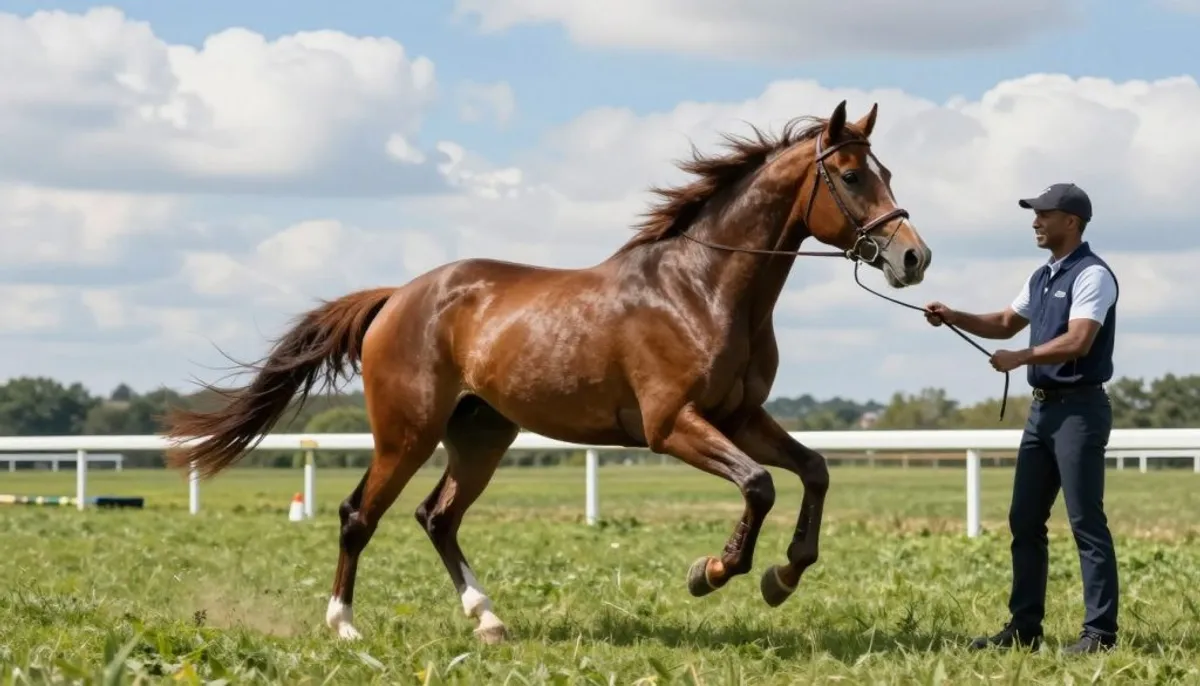
Flat Work: Balance, Cadence, and Straightness in Service of Speed
On the flat, the goal is to make movements more precise. Balance, cadence, and straightness help the horse stay aligned during effort. Thus, by increasing speed, deviations and surprises are limited.
Practicing frequent transitions improves the horse's reactions. This allows for better management of its energy and breathing. This foundation is essential for maintaining controlled speed.
Jumping: Trajectories, Beats, and Efficiency
Jumping teaches how to be fast without sacrificing safety. A clear trajectory, regular cadence, and good distance between obstacles help avoid unnecessary risks.
The aim is to simplify: anticipate, maintain a straight line, and keep a stable cadence. This method preserves the horse's momentum while ensuring a safety margin, even during a fast course.
Outdoor Outings: Variable Terrain, Endurance, and Mentality
Outside, the terrain varies: soft ground, elevation changes, turns, uneven support. These outings allow the horse-rider duo to adapt smoothly. They also strengthen endurance with varied paces.
The horse's mentality is also strengthened. It learns to manage stress through frequent experiences. The calmer the horse analyzes the terrain, the more easily it can maintain its speed.
Conditioning: Optimal Physical Condition for Horse and Rider
Physical condition develops over several weeks. For the horse, a mix of aerobic efforts, short sprints, and rest days is varied. For the rider, working on core strength, mobility, and cardio is crucial to stay focused, especially when tired.
Over distances of 3 to 6 km, the effects of this training become noticeable, especially at the end. Breathing, relaxation, and jump quality improve. A good training program preserves the horse's liveliness and its endurance, while maintaining the precision of commands.
| Work Block | Main Objective | Simple Example Over 7 Days | Safety Vigilance Point |
|---|---|---|---|
| Flat | Cadence, straightness, clean transitions to stabilize equestrian speed | 2 sessions: close transitions + amplitude variations at trot and gallop | Stop before tension: blocked neck, shortening strides, irregularity |
| Jumping | Efficiency: trajectories, beats, distance management in fast riding | 1 session: simple lines, then wide curves, moderate heights | Do not “force” a place; prioritize regularity and balanced landing |
| Outdoor | Adaptation to terrain and development of endurance | 1 outing: trotting + some controlled gallops on good ground | Monitor heat, hydration, and choose a safe surface (no slippery) |
| Physical Condition | Maintain effort: energetic horse, stable and clear-headed rider | 2 rider sessions: light cardio + core work; 1 day active recovery | Respect recovery: sleep, stretching, and reduce load if stiffness |
The Role of the Rider and Professional Jockey in Performance
In horse racing, a professional jockey pilots at high speed. They seek the shortest trajectory and conserve energy for the perfect moment. Often, performance relies on small details.
In cross-country, the rider adds an important skill: they analyze the ground. This can be slippery or surprising. Making quick decisions is essential for safety and performance.
The rider's communication goes beyond the reins. A good rider breathes correctly and maintains a firm posture. This confidence is crucial, especially before an obstacle.
To improve, one can use a simple method. It includes controlling speed, fixing their gaze, and clearing obstacles with precision. This is not just training, but a reminder of the basics. These principles are vital for staying focused under pressure.
| Context | Immediate Priority | What Triggers Quick Decision-Making | Direct Impact on Performance |
|---|---|---|---|
| horse racing | Trajectory, cadence, placement against opponents | Opening a passage, changing rhythm, movement of the peloton | Less distance traveled, better effort distribution, sharper finish |
| Cross-country | Ground reading, safety of approaches, balance at the obstacle | Closing turn, uneven terrain, changing beat, deep landing | Smoother course, fewer faults, more confident and available horse |
At high speed, making a decision too late puts the horse in danger. Whether you are a jockey or a rider, choosing wisely and quickly is crucial. This ability often makes the difference between being fast and being precise.
Race Strategy: Managing Pace, Endurance, and Time
In cross, it is not just about running fast. One must maintain a constant and manageable speed from start to finish. From the very first meters, one must already think about their speed while keeping one eye on the course and the other on the time.
Speed/Endurance Dosage: When to Accelerate, When to Preserve
To meet the allotted time, it is better to adopt a steady but controlled pace. When climbing, it is advisable to let the horse take off freely without forcing unnecessarily. During descents, it is crucial to maintain balance and protect the joints to avoid rapid loss of endurance.
One should accelerate on straight and simple sections. However, it is wise to slow down before technical passages or after a tiring sequence. The goal is to arrive in good shape to jump without losing precision.
| Terrain Profile | Pace Management | Desired Effect |
|---|---|---|
| Rolling straight line | Lengthen without rushing, stable cadence | Save time without breaking balance |
| Climb | Gather, let push, light hands | Save endurance and maintain bounce |
| Descent | Come back, control the axis, safe strides | Reduce risk and prepare for the next jump |
| Technical zone (turns, combinations) | Priority to trajectory, short accelerations | Limit faults and loss of seconds |
| Water entry/exit | Constant rhythm, look far, legs present | Pass cleanly, avoid hesitation |
Anticipating Obstacles: Look Far, Prepare Early, Correct Quickly
Each obstacle requires reflection. By looking far ahead, one avoids last-minute mistakes. It is necessary to determine the course in advance, choose a clear path, and adjust carefully.
If a problem arises, it is better to correct quickly without panicking. A slight correction upstream is preferable to a sudden stop. This also helps save endurance by avoiding abrupt efforts.
Staying Clean and Fluid: Saving Time Without “Forcing” the Horse
An efficient race is key for endurance. It is essential to avoid unnecessary detours and prioritize a fluid pace without harshly accelerating after each obstacle. Riding lessons show that fluidity allows for saving precious seconds.
When a horse moves with ease and confidence, it jumps better and tires less. Thus, managing speed means choosing not to struggle constantly. It is more about guiding smoothly, breathing, and letting the race strategy take over.
Safety and Evolution of Competitions: Going Faster, but Better
In cross-country, speed alone is not enough. On lively terrains with fixed obstacles, every stride counts. For this, safety is not an obstacle but a reflex.
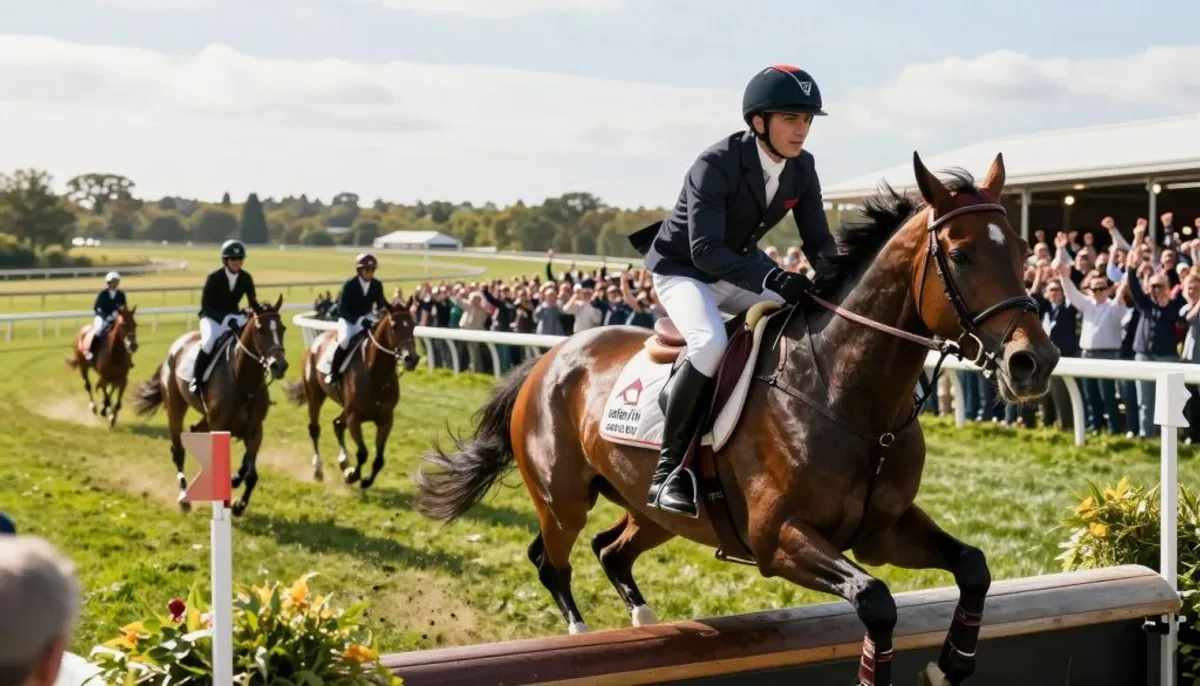
Modern equestrian competition emphasizes controlled speed. The courses are designed to value strategy over risk. One seeks a good trajectory, an adapted rhythm, and a horse that listens.
Why Safety is Paramount in Equestrian Competition
When going fast, reacting to the unexpected becomes difficult. A distraction or a poor approach can have significant consequences. The culture of safety shared among all is therefore essential.
In 2002, cross-country almost disappeared from the Olympic Games. The community managed to evolve, changing obstacles and risk management. This marked the beginning of significant changes.
Notable Evolutions: Frangible Obstacles and More Technical Courses
Frangible obstacles have revolutionized course design. They aim to mitigate the consequences of an error while maintaining a level of difficulty. Courses have become more technical, requiring more precision and attention.
Modern cross-country is full of subtle challenges: water entry points, descents, tight combinations. Frangible obstacles fit into this logic, minimizing the risk of serious accidents while maintaining a high level of demand.
Protective Equipment: Investing in Quality for the Pair
Protective equipment is essential and not just reassuring. A well-fitted helmet, an ideal vest, and reliable protections help maintain focus. In cross-country, this comfort reduces errors and strengthens control.
For the horse, breathable and sturdy protections are needed. For the rider, good equipment reduces fatigue and improves stability. Safety in riding is worked on as much in training as in competition.
| Key Point | Effect on Performance | Effect on Equestrian Safety |
|---|---|---|
| Frangible obstacles on certain profiles | Encourages a more regular attack and better line reading | Can reduce severity in case of a fault on a concerned obstacle |
| More technical cross-country courses | Values precision, reactivity, and balanced gallop | Reduces the temptation to go “full throttle” without a plan |
| Well-fitted protective equipment | Stability of the upper body, clearer decisions at the approach | Reduces the risk of trauma and improves stress management |
Premium Equipment and French Know-How: Focus on La Sellerie Française
When riding at speed, every detail matters immensely. With quality leather, a perfect cut, and impeccable finishes, riding becomes a new experience. This is what La Sellerie Française offers through its meticulous approach.
For horse-rider duos, it is not just a matter of style. These equipments aim for precision and comfort, even at high speed.
High-end products, made in France, unique and custom-made
La Sellerie Française offers equipment designed for daily use and competition. They are made for intensive use, thanks to a rigorous selection of materials, cuts, and finishes.
One can find custom-made and limited series. This approach ensures a perfect fit without settling for standard solutions.
Manufacturing from A to Z in France: beyond the Made in France and Origin France label
The made in France is not just a slogan here. Complete manufacturing in France guarantees traceability and quality control at every stage.
In a world where assembly often takes place internationally, this ensures consistent quality from one product to another.
Why Well-Designed Equipment Improves Comfort, Control, and Performance
With poor equipment, tensions hinder performance. The rider must constantly adjust, which affects the course.
Quality equipment, on the contrary, allows for better stability. Custom-made makes support more intuitive and helps the horse remain balanced on different terrains.
Where to Discover the Brand
To see the collections and understand their philosophy, visit https://laselleriefrancaise.com. The site offers a clear overview of manufacturing choices and available options.
| Key Point | What It Changes in Training and Cross | What La Sellerie Française Offers |
|---|---|---|
| Adjustment | More stability in transitions, sharper aids at the approach | Custom-made options to aim for a more consistent position |
| Horse Comfort | Less resistance, back more available over time | Premium equestrian equipment designed for clean weight distribution |
| Manufacturing Consistency | Reliable material when the rhythm accelerates and the terrain varies | Manufacturing from A to Z in France, with a committed made in France |
| Exclusivity | Less compromise between aesthetics and use, more targeted choices | Parts in limited series, careful finishes and details |
Conclusion
Going fast on horseback is not just about “accelerating.” It is about finding the balance between speed and endurance. In fast riding, one must be steady but controlled, from start to finish.
Cross-country illustrates this in every race. A course of 3 to 6 km, with climbs, rhythm, and quick decisions. With 25 to 45 varied obstacles, precision and stability are key.
In horse racing or cross, the human often makes the difference. The rider reads the terrain, anticipates, and manages stress. They must protect their horse and choose the right rhythm.
Aiming for sustainable performance means seeking to go faster, but better. Safer obstacles and quality equipment reduce risks. High-end equipment, like that from La Sellerie Française, made in France, is essential for those seeking excellence.
FAQ
What does “speed horse” really mean in equestrian competition?
The speed horse is not limited to going very fast. In equestrian sports, one needs a steady but controlled speed. It requires maintaining balance, being precise and confident. This demands controlling one's pace, knowing the terrain, having a strategy, and being fit.
Why is equestrian speed so specific in fast riding?
Equestrian speed requires physical effort and quick thinking. Every step is important: one must keep the rhythm, stay straight, and control the horse, all while keeping it mentally prepared. The goal is to achieve sustainable performance, not just to go as fast as possible.
What are the differences between horse racing, cross-country, and other equestrian competition formats?
Horse racing focuses on time, positioning, and tactics, with a professional jockey. Cross-country adds the difficulty of jumping fixed and natural obstacles on variable terrain. Other disciplines place more emphasis on technique and control. This shifts the importance from speed to efficiency and fluidity.
What sensations dominate when going fast on horseback, especially in cross-country?
The terrain dictates everything: the sound of hooves, short breath, the adrenaline that rises. Outdoors, one must constantly adapt pace and trajectory. Each change in slope or ground affects balance.
What is the “right” speed in cross-country?
The right speed is one that the horse can maintain without tiring or losing concentration. In cross, a steady pace is necessary, managing technical passages well and knowing when to accelerate or slow down.
Speed vs. Endurance: How to Find the Balance?
One must find the right mix between endurance and speed. A horse that is too fast can tire quickly and lose precision. A horse that is too slow may not finish on time. The important thing is to maintain a speed suitable for the terrain and obstacles.
What qualities make a difference at high speed?
One needs power, agility, and good balance to succeed at high speed. Balance is especially crucial on difficult terrains, for everyone's safety.
What are the natural limits when seeking speed in fast riding?
Fatigue can reduce precision, attention, and timing accuracy. At high speed, one must calculate every step and decide on every jump carefully. This is why maintaining a steady but controlled speed is crucial.
Which breeds are often suited for equestrian speed in cross-country?
Some breeds are favored for their physical and mental capabilities. The Thoroughbred is known for its speed and endurance. The Selle Français is appreciated for its versatility. The Irish Sport Horse is famous for its robustness and courage. The Trakehner is recognized for its agility and intelligence.
Does the “speed profile” depend solely on breed?
No. Mentality is just as important: courage, stress management, and the ability to stay focused. Even among the same breeds, each horse is unique. It depends on their temperament, training, and experience in equestrian competition.
Why is cross-country a school for controlled speed?
Cross-country teaches how to maintain useful speed outdoors. One must be fast but also precise, aligned, and ready to adjust at any moment. It is the perfect balance between speed and control.
What is the distance of a cross-country course, and what does it change?
A course typically measures 3 to 6 km outdoors. This requires good effort management: keeping the rhythm, breathing, recovering between efforts. One must arrive ready for the last obstacles.
Why do they say “every stride is a calculation” in cross?
At high speed, margins for error are slim. One must choose their path, adjust their balance, and decide quickly. The key is to maintain good speed while clearing complex obstacles.
What obstacles are found in cross-country?
There are fixed obstacles like logs and fences, and natural ones like ditches, water crossings, and banks. They require constant attention to the terrain and speed.
What makes certain obstacle profiles more technical at steady speed?
Complex combinations, jumps into water, and ascending and descending banks require anticipation and control. At high speed, every decision counts: a bad angle or delay can be costly.
How many obstacles can a cross-country course have?
A course typically has 25 to 45 obstacles. This requires a good strategy to maintain the quality of the race and not exhaust the horse.
What training helps to gain speed without losing safety?
A rigorous and varied training is crucial: working on the flat, jumping, going outdoors, and preparing for technical obstacles. The goal is to be faster with less effort, thanks to a well-balanced and responsive horse.
What is the purpose of flat work for equestrian speed?
Flat work improves balance, cadence, and straightness. It makes changes sharper and stabilizes the horse at speed. This results in less disorder, more control, and a more efficient use of speed.
How does jumping improve performance in cross?
Jumping refines trajectories, improves jumps and distance management. This makes everything more efficient: less time is lost, less force is used, and one remains safer on technical obstacles.
Why are outdoor outings essential for a speed horse?
They prepare for variable terrain, increase endurance, and strengthen mentality. The horse learns to stay calm in the face of the unexpected. The rider learns to read the terrain and manage their speed in real situations.
Why is the physical condition of the pair decisive in fast riding?
Maintaining a steady speed over kilometers requires excellent physical condition for both horse and rider. Being fit allows one to stay focused, stable, and precise until the end, even when fatigue sets in.
What is the role of the professional jockey in horse racing?
In horse racing, the professional jockey controls rhythm, trajectory, and effort. They manage tactics: when to accelerate, how to conserve energy, and stay fit for the end of the race.
In cross-country, what rider skills save time without risk?
Knowing how to read the terrain, decide quickly, and stay balanced is essential. Reassuring the horse and maintaining its confidence is crucial. At high speed, making the right decisions is key to performance and safety.
How to manage pace: when to accelerate and when to preserve?
Accelerating in simple areas and conserving in technical or uncertain parts is wise. The goal is to balance endurance and speed, to finish on time without compromising the ability to jump cleanly.
How to better anticipate obstacles at steady speed?
One must look far, recognize challenges in advance, then quickly adjust direction and balance. This helps avoid unnecessary speed changes and secures jumps at critical moments.
Why is fluidity a major lever for equestrian speed?
Forcing wears and disrupts. True speed comes from efficiency: avoiding unnecessary detours, abrupt changes, and maintaining a good cadence. This allows one to save time without increasing risks.
Why is safety paramount when seeking performance?
In cross, a small mistake can have serious consequences at high speed. Safety is essential to protect both horse and rider, and it is crucial for long-term performance.
What evolutions have marked safety in cross-country?
Modern courses include frangible obstacles and prioritize technique over risk. An important change occurred in 2002, when cross-country risked being excluded from the Olympic Games. Since then, the sport has adapted to be safer.
What protective equipment should be prioritized for fast riding?
Choosing quality gear is crucial for both rider and horse. Good equipment provides comfort and stability, which helps maintain control even under pressure.
Why does well-designed equipment also improve speed and control?
Good equipment avoids discomfort, stabilizes position, and clarifies signals. This facilitates rapid and precise communication. In equestrian speed, this translates into more safety and speed.
What is La Sellerie Française, and who is the brand aimed at?
A: La Sellerie Française offers high-end gear for riders and their horses. It provides unique, custom-made, or limited series items, crafted by French artisans. The brand targets those seeking superior and durable quality for their sporting practice.
What does “manufacturing from A to Z in France” mean at La Sellerie Française?
This means that everything is made in France, from start to finish. The brand is committed to quality work and complete traceability, well beyond just a “Made in France” label.
Where to discover La Sellerie Française?
The brand is accessible here: https://laselleriefrancaise.com.