
The French equestrian art is a special skill. It is characterized by its elegance, delicacy, and respect for horses. Since 2011, UNESCO has recognized its importance on its list of intangible cultural heritage of humanity.
This tradition highlights the harmony between the rider and the horse. It is practiced without violence or constraints. It takes into account respect for the horse as well as the aspiration for fluid and light movements.
Practiced throughout France, one school stands out. It is the Cadre Noir de Saumur. There, the importance of a respectful relationship between man and horse is experienced every day. This institution is an example worldwide for French equestrianism.
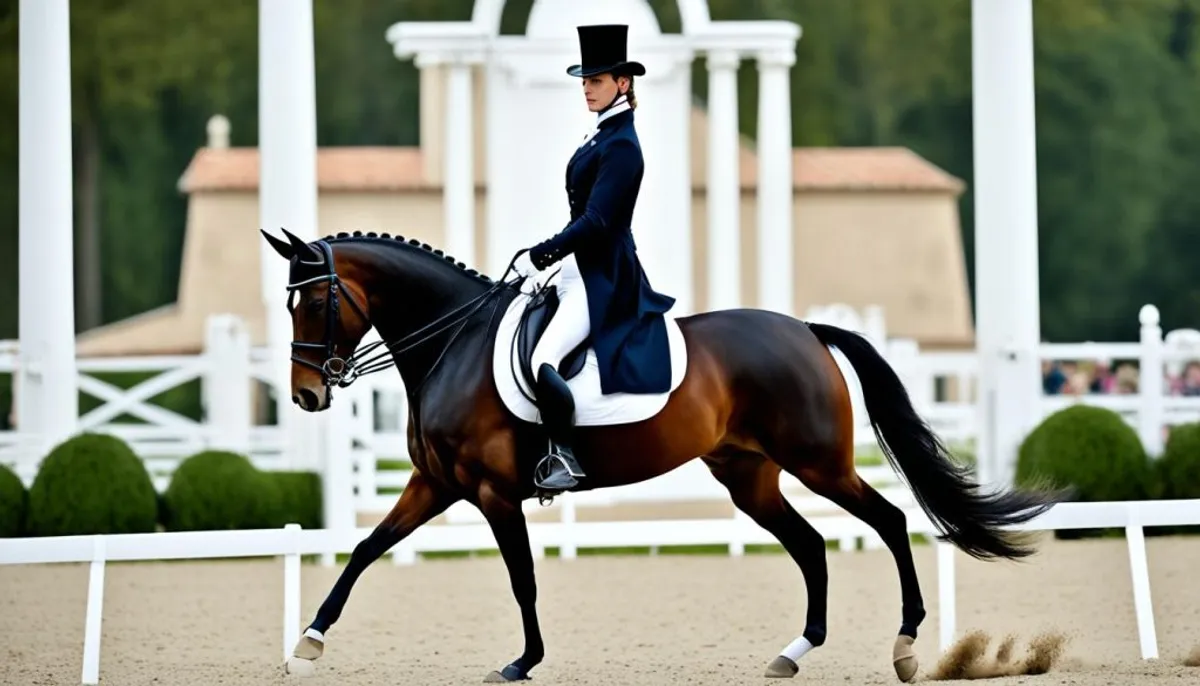
Main points to remember
- French equestrianism, an intangible cultural heritage of humanity
- A harmony between man and horse, without constraint
- Respect for the horse and the pursuit of lightness
- The Cadre Noir de Saumur, ambassador of this equestrian tradition
- An equestrian discipline of excellence, practiced in France and around the world
French equestrianism: a tradition rich in history
Academic riding in France began during the Renaissance. Famous French horsemen, such as Antoine de Pluvinel and Salomon de La Broue, established academies for horses. These schools were inspired by those in Italy. Later, at the Royal Riding School of Versailles, emphasis was placed on elegance during equestrian shows.
The origins of academic riding
François Robichon de La Guérinière was significant in equestrianism in France. He was the king's horseman at the Tuileries riding school. He taught how to be in harmony with one's horse, the lightness of gestures, and the precision of movements.
The major currents of French equestrianism
French equestrianism has evolved over time. Military riding played an important role, as did the school of Count d'Aure in Saumur. The baucherism of François Baucher also influenced riding. Equestrian sports began in the late 19th century. Despite these changes, the essence of French equestrianism remains: the harmony between rider and horse.
The principles of French equestrianism
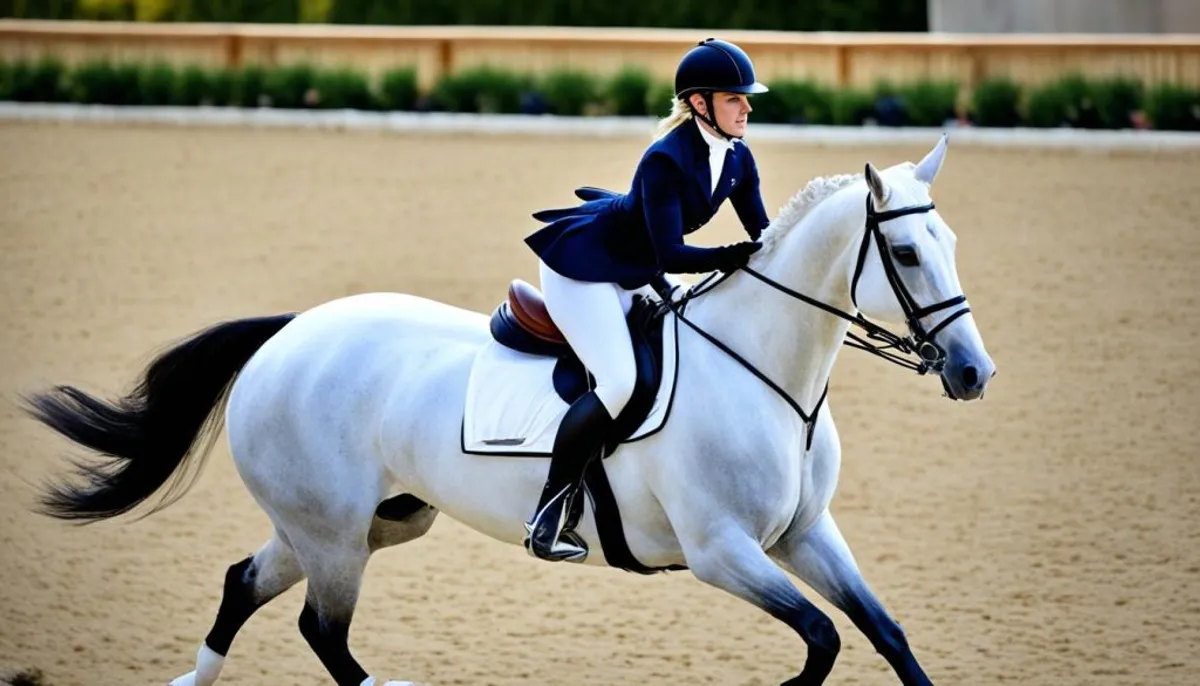
French equestrianism is based on ideas from L'Hotte in the 19th century. These ideas seek to create a bond of lightness between the rider and the horse. The goal is for the horse to respond to the subtlest gestures.
It emphasizes the collection and contact of the horse. The horse is placed so that it is relaxed in the mouth, a process called "bringing back." This process sharpens the rider's aids and increases the flexibility of the horse.
L'Hotte emphasized key elements: the horse must be calm, forward, straight. This means it must listen to the rider, react quickly without deviating from its path.
French equestrianism also seeks a balance between impulsion and flexibility. The horse must be full of energy but relaxed, ready to act promptly yet with gentleness and agility.
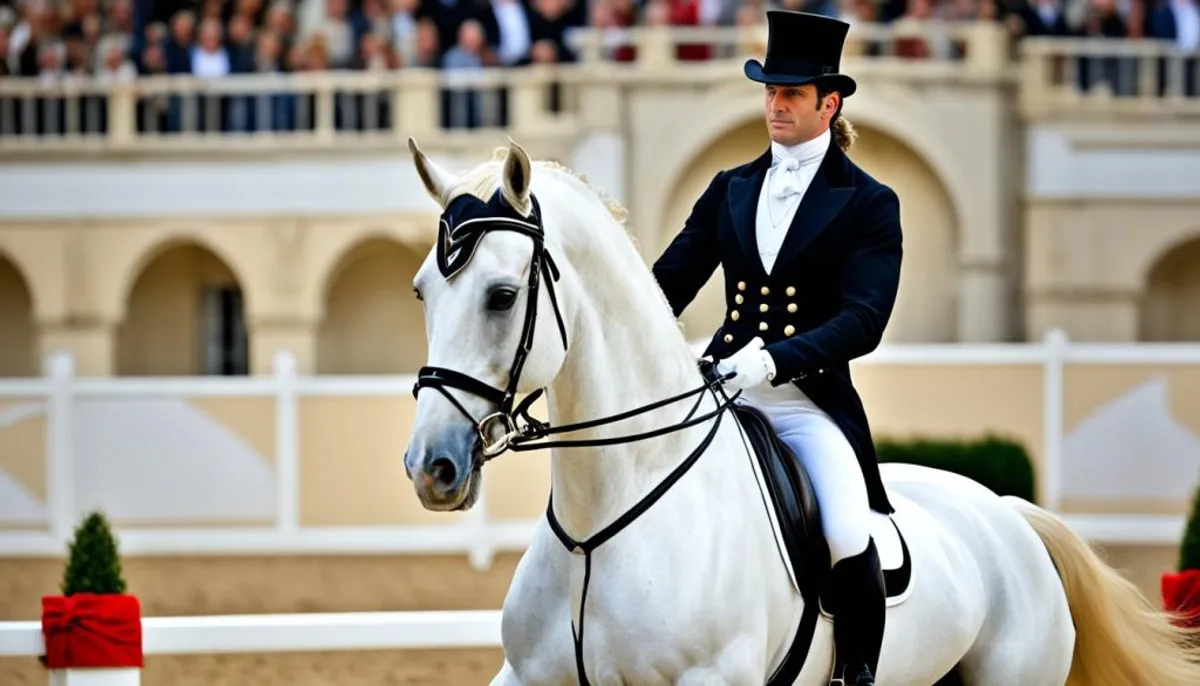
These principles are essential to French equestrianism, passed down for centuries. They represent the tradition of lightness that characterizes this renowned equestrian art.
The spirit of French equestrianism
French equestrianism has a unique spirit, distinctly French. It emphasizes the feel, the feeling, of the rider. It is an art to make a movement appear fluid and natural, even though a lot of work has gone into it.
This Latin spirit is characterized by a quest for freedom and lightness. Unlike other styles, French equestrianism is all about elegance and harmony with the horse. This reflects a true philosophy of riding.
The “difficult ease”
Looking naturally good is essential in French equestrianism. When done correctly, a movement seems simple and demonstrates spontaneity. But in reality, a tremendous amount of work is hidden behind that.
One must know how to communicate very well with the horse. Being subtle in gestures, mastering the aids. All this results in an outcome that seems a gentle and balanced dialogue, in tune with the Latin spirit of this discipline.
French equestrianism values elegance, freedom, and lightness of gesture. These principles give it all its charm and attract enthusiasts worldwide.
The Cadre Noir de Saumur, ambassador of French equestrianism
The Cadre Noir de Saumur is a national gem, located at the National Riding School. The horsemen who serve there demonstrate the importance of respect between humans and horses. They highlight lightness and harmony in their work.
This sanctuary plays a key role in preserving the intangible cultural heritage of France. UNESCO recognized it in 2011. Through its shows and education, it shares the values of French equestrianism around the world. Thus, it helps preserve this ancient tradition.
The Cadre Noir is the aristocracy of equestrianism. It symbolizes the perfection and discipline of this art. The master horsemen maintain a tradition of technical finesse and grace.
| Characteristics of the Cadre Noir de Saumur | Values conveyed |
|---|---|
| Community of horsemen of the National Riding School | Respect, harmony, lightness |
| Guardian of the French intangible cultural heritage in equestrianism | Tradition, excellence, transmission |
| Ambassador of French equestrianism worldwide | Influence, know-how, elegance |
The Cadre Noir impresses with its performances and lessons. It is a perfect model of French equestrianism. Thanks to it, this form of art is cherished and respected worldwide.
Conclusion
French equestrianism was recognized by UNESCO in 2011. This demonstrates its importance in France's culture. It goes beyond merely riding a horse. It conveys values of respect and harmony between man and animal.
It continues to evolve and helps maintain France's strong culture. It influences equestrian practices worldwide. This shows that French equestrianism is a precious heritage.
The techniques of the Cadre Noir de Saumur and academic riding are admired. They symbolize the elegance and beauty of the relationship with the horse. This heritage continues to inspire, everywhere in the world.
FAQ
What is French equestrianism?
French equestrianism highlights the harmony between the rider and the horse. This is done without using force. The character and body of the horse are respected. The goal is to achieve a strong bond gently.
What are the origins of French equestrianism?
During the Renaissance, French masters such as Antoine de Pluvinel created schools. They were inspired by the Italians. Later, at Versailles, the Royal Riding School emphasized the grace of horses.
What are the key principles of French equestrianism?
The foundations of French equestrianism come from General L'Hotte. He advocates the concept of “lightness,” the subtlety of the rider's aids. This involves working gently and building trust with the horse.
What characterizes the spirit of French equestrianism?
French equestrianism has its own spirit, typically French. Finding elegance and naturalness is essential, despite the demands of craftsmanship. This philosophy emphasizes the feeling and delicacy between the rider and the horse.
What role does the Cadre Noir de Saumur play in preserving French equestrianism?
The Cadre Noir de Saumur, in France, is at the heart of French equestrianism. It symbolizes respect and lightness. Contributing to the preservation of this art, it was recognized by UNESCO in 2011.