
The riding helmet is the rider's helmet. It is super important for the safety and comfort of those who love to ride. We will talk about why it is crucial to wear a helmet, the types available, safety standards, how to choose the right one, and how to take care of it. A riding helmet is not just a cool accessory – it is the guarantor of the rider's well-being on every outing.

Main Findings
- The riding helmet is essential for the safety and comfort of the rider
- It protects against head injuries in case of a fall
- Safety standards and certification are important to ensure its reliability
- Choosing a helmet should consider fit, size, style, and personal preferences
- Regular maintenance is necessary to ensure the durability of the helmet
Why Wear a Riding Helmet?
Wearing a riding helmet is more than just a guideline to follow. It is choosing to keep your head protected to avoid serious injuries. The brain is fragile, and injuring your head can have severe consequences.
Prevention of Head Injuries
The helmet protects against head trauma. It reduces the impact of shocks, keeping the brain safe. This barrier is crucial for all riders, regardless of their level.
Compliance with Safety Standards
Helmets are tested according to strict safety standards. Those who ride properly must wear a helmet. This creates a shared safety culture among equestrian enthusiasts.
The Different Types of Riding Helmets
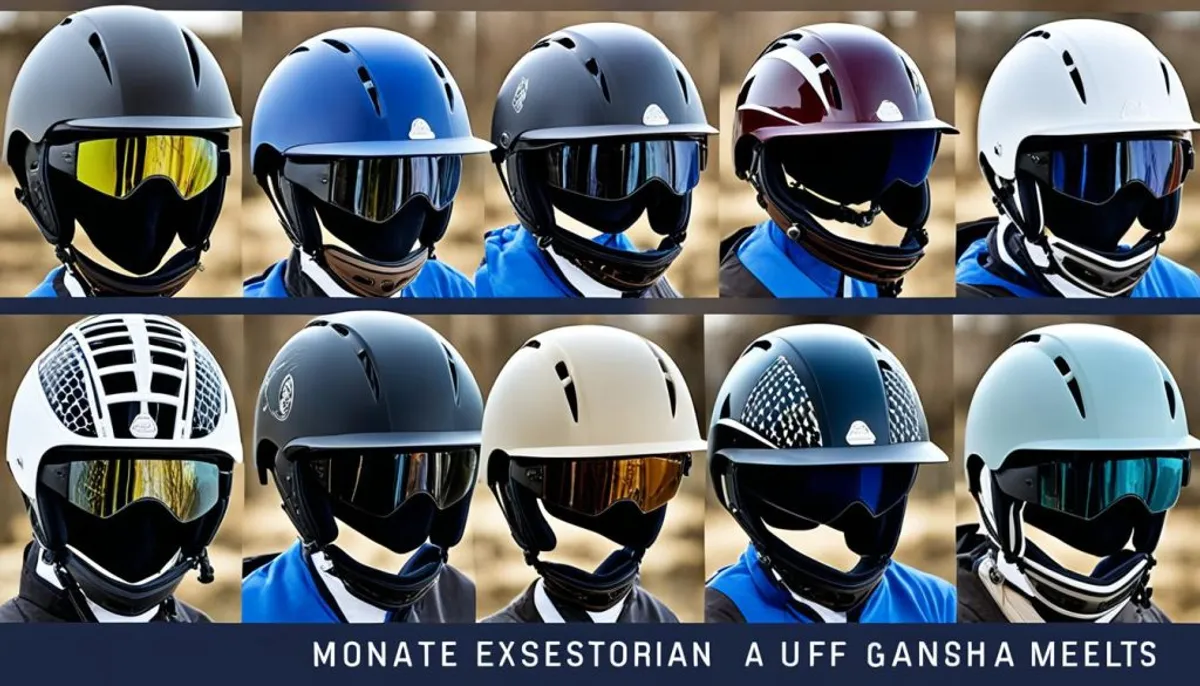
On the market, there are many types of riding helmets. Each type meets the specific needs of riders, depending on their equestrian discipline. For example, show jumpers prefer lightweight helmets that cut through the air well, known as jumping helmets.
On the other hand, western riders opt for a more classic design. Dressage riders choose elegant helmets. Meanwhile, endurance fans prefer those that are lightweight and well-ventilated.
There are also versatile helmets that are good for multiple practices. Additionally, connected helmets are a new trend in the equestrian world.
| Discipline | Desired Features |
|---|---|
| Show Jumping | Lightweight, aerodynamic |
| Western Riding | Traditional design |
| Dressage | Elegant, well-fitted |
| Endurance | Lightweight, ventilated |
Whatever your discipline, there is a riding helmet perfect for you. With so many choices, you will easily find the one that suits you best. This not only enhances safety but also your comfort while riding.
Safety Standards and Certification
The safety of riders is crucial, hence the importance of safety standards for riding helmets. These standards ensure that helmets are of high quality and reliable. Thus, they best protect riders.
ASTM/SEI Certification
The ASTM/SEI certification is very important in the equestrian world. It proves that a helmet has passed strict tests for its strength and shock-absorbing ability. Having this certification means that the helmet is very safe for riders.
European CE Standards
The CE safety standards in Europe ensure that helmets meet EU standards. They concern protection, comfort, and durability. These standards are crucial for the safety of riders in Europe.
Approval by Equestrian Federations
Equestrian federations, whether national or international, can approve helmets. They must meet the safety testing standards specific to these federations.
This approval is a sign of safety and quality of helmets for the sports recognized by these federations.
In addition to official certifications, some manufacturers have their own control systems. This further ensures the quality and safety of their equipment.
How to Choose the Perfect Riding Helmet
Choosing the right riding helmet is crucial for safety and comfort. The helmet should fit well, resting perfectly on your head. The size of the helmet should be chosen based on your head shape and your riding style.
Consider the ventilation of the helmet, its weight, and whether you like the design. These are important elements to consider.
Correct Fit
The fit of the helmet should not be overlooked. It must fit your head perfectly. Ensure that it is neither too tight nor too loose.
Appropriate Size
The size of the helmet should be just right for you. A helmet that is too big can move on your head. But a helmet that is too small will be uncomfortable and unsafe.
Riding Style
The riding style you practice matters a lot. If you enjoy dressage, you might choose a more stylish helmet. Show jumpers will lean towards something more robust.
Ventilation
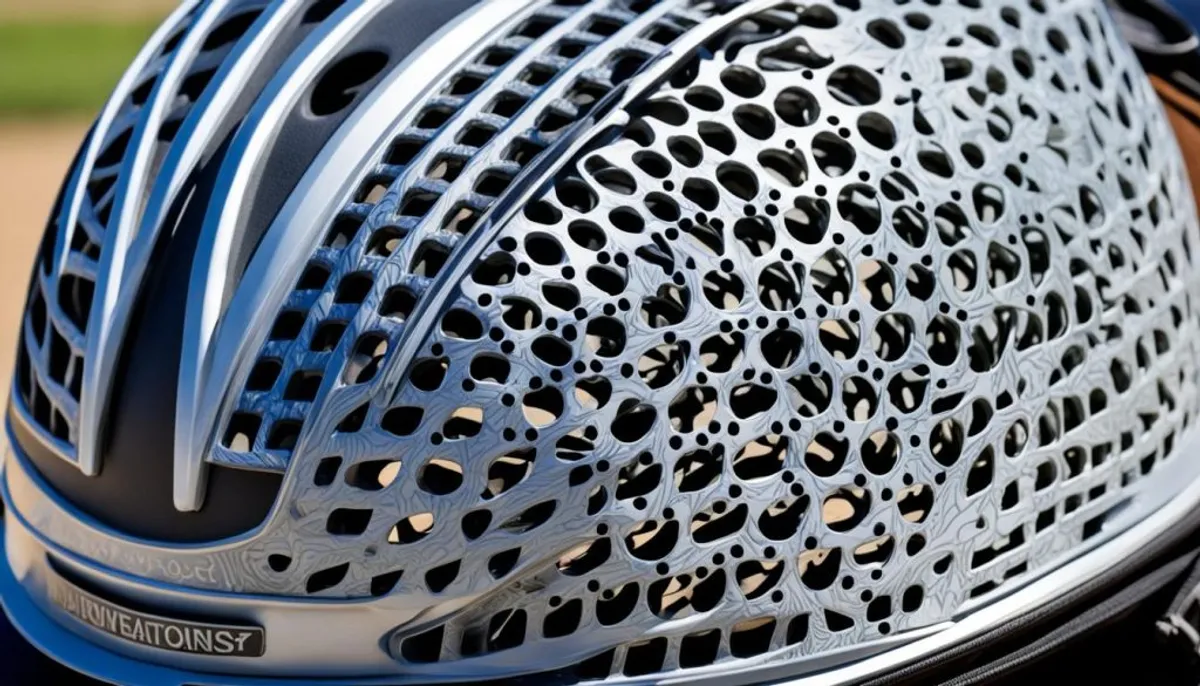
Do not underestimate the importance of ventilation. A well-ventilated helmet will keep you cool and focused during exertion.
Weight
Choosing a lightweight helmet avoids unnecessary fatigue and keeps your mind alert. But remember that safety always comes first.
Personal Preferences
Your personal tastes in design matter a lot. Choosing a helmet that you like adds to the joy of being on horseback. And it will make you feel more confident.
In conclusion, finding the right riding helmet blends practical needs and desires wisely. Whether for safety, comfort, or appearance, every aspect should be taken into serious consideration. This will allow you to fully enjoy your passion with peace of mind.
Maintenance and Lifespan of a Riding Helmet
Taking care of your riding helmet is crucial for its longevity. Make sure to perform regular helmet maintenance and frequent checks. This will extend the lifespan of the helmet and ensure your safety.
Proper Cleaning
Regularly perform helmet cleaning to keep it in good condition. Use water and mild soap if necessary. Do not use strong chemicals. They can damage the helmet. Then, dry it well before storing it.
Proper Storage
When you are not wearing your helmet, store it properly. Choose a cool, dry place away from direct light. Never leave it in a hot place or under the sun. This can damage the helmet.
Regular Checks
Inspect your helmet often. Look for any wear or damage. Ensure that the shell, straps, and everything else are in good condition. Even if it does not appear damaged after a shock, replace it for your safety.
With good helmet maintenance, appropriate helmet cleaning, proper helmet storage, and frequent checks, your helmet will last a long time. It will be your best ally in riding with safety.
Conclusion
The riding helmet is not just a fashionable accessory. It is vital for the safety of the rider. It protects the head, which is essential in recreational or competitive riding.
Choosing a suitable helmet and keeping it in good condition helps the rider enjoy their sport without worries. Safety first, a good riding helmet is therefore essential.
In summary, the riding helmet is crucial for all riders, regardless of their level. Not neglecting it allows for fully and peacefully experiencing this beautiful passion.
FAQ
What is the importance of the riding helmet?
The riding helmet is essential for the well-being and safety of riders. It protects the head, a critical part of the body, from serious injuries. In many places, wearing a helmet is a rule. This helps make riding safer for everyone.
What are the safety standards for riding helmets?
Helmets are checked according to very strict standards, such as ASTM/SEI or CE, to ensure their quality. Equestrian sport federations also have their requirements. These rules ensure that helmets adequately protect riders.
What are the different types of riding helmets?
There are many styles of helmets, suited for each type of riding. Whether you are jumping, doing dressage, western riding, or endurance, you will find a helmet that fits you well. You can choose one that is lightweight, stylish, ventilated, or even aerodynamic.
How to choose the right riding helmet?
Choosing the right helmet is essential. It must fit well and match your head. Think about your practice, what you like, and find a model that suits you. Remember that comfort and safety are the most important things.
How to maintain your riding helmet?
Taking care of the helmet is vital for its longevity and effectiveness. Clean it gently, store it in a dry place. Check often to ensure it is in good condition. If it is damaged after a shock, replace it immediately, even if you do not see any defects.