
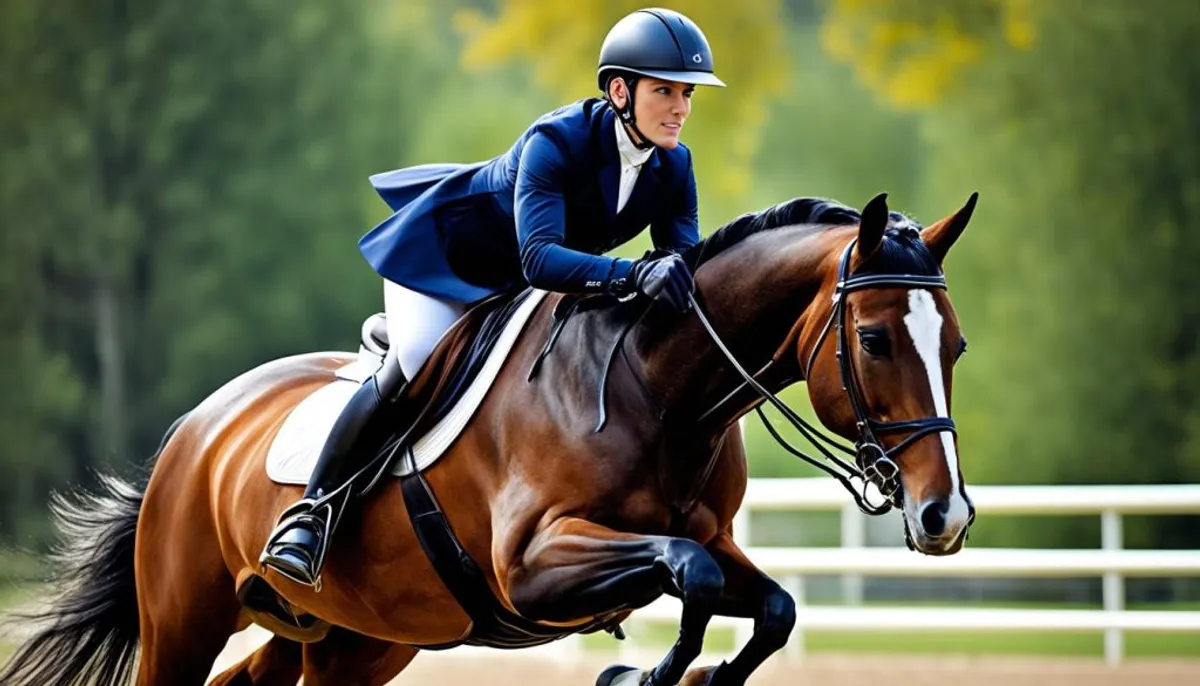
The riding helmet, also known as a riding cap, is essential for the rider. It is the equipment that protects the head in case of a fall. In equestrian centers and competitions, wearing a helmet is mandatory. Of English origin, it has changed over time to become safe, comfortable, and stylish for all riders.
Main points to remember
- The riding helmet is an essential safety equipment for riders.
- It protects the rider's head in case of a fall.
- The helmet is of English origin and has evolved over the centuries.
- It combines safety, comfort, and style for riding.
- The helmet is mandatory in most equestrian facilities and in competitions.
The history of the riding helmet
The riding helmet is a key accessory for horse enthusiasts. Its history began several centuries ago. In the Viking era, riders used rudimentary helmets.
However, it was in England, at the end of the 18th century, that the true helmet was born. The English already had a love for thoroughbreds. Thus, jockeys sought a way to be safer.
English origins of the riding helmet
The first helmets were created to protect the heads of riders. They were very exposed during thoroughbred races. Thanks to them, fewer serious injuries were reported.
In addition to their practical aspect, helmets were also very elegant. They were part of the traditional uniforms of royal stables. They were worn during fox hunts, a pastime of the wealthy in Britain.
Evolution of the helmet over the centuries
Over the years, the helmet has changed and improved. Better materials have been used, and safer designs have been conceived. In the 20th century, wearing one became mandatory in equestrian centers worldwide.
Today, it is unthinkable to ride without a helmet. It not only protects the head but is also part of the rider's uniform. It signifies that one pays attention to safety and appreciates style.
Importance of the riding helmet
The protection of the head is essential for the safety of the rider. The risks of injury during falls are high. Even with a well-trained horse, these incidents can happen. The helmet plays a crucial role in riding.
The helmet helps reduce the severity of injuries, especially those to the head. This part of the body is vital. It controls many functions of the body. Thus, the helmet is a necessary safety element for all riders, regardless of their skill levels.
- The riding helmet protects the rider's head in case of a fall.
- It reduces the risks of severe injuries, particularly to the skull.
- Wearing a helmet is essential for safety. Falls are common in riding.

The helmet is not only for head protection. It is also essential for the rider's style. This accessory is part of their outfit. It helps perfect their appearance while riding.
Characteristics of a secure helmet
When looking for a riding helmet, safety should be a priority. A secure helmet has a reinforced shell and a soft visor.
Reinforced shell and soft visor
A reinforced shell provides good protection for the head against impacts. It also prevents objects from injuring the rider. At the same time, a soft visor reduces the risk of nose fractures in case of a fall.
Safety standards and certifications
A secure riding helmet must meet strict safety standards. For example, the European standard EN 1384. These certifications ensure comprehensive testing on the helmet's safety.
Choosing a riding helmet with these characteristics ensures maximum protection for riders. They can then ride their horses with confidence.
Riding helmet: selection criteria
When looking for a helmet for riding, consider the type of riding you do. Each equestrian activity requires a specific helmet in terms of safety, comfort, and performance. It is important to choose your helmet according to the equestrian disciplines you practice.
Types of helmets according to equestrian discipline
- Cross requires a helmet with a polycarbonate visor and large vents for protection and ventilation.
- For dressing, a smooth and aerodynamic helmet with a fine visor is ideal for aesthetics during the event.
- In endurance, lightweight and good ventilation are essential in the selection.
- In polo, the helmet must well protect the temples and the back of the head.
High-performance materials for increased safety
Helmet brands, such as GPA, use carbon, titanium, or textalium to make top helmets. These high-tech materials combine lightness, strength, and safety. Thus, they provide good protection while being lightweight for more enjoyment in riding.
Style and trends of riding helmets
Riders take the look of their helmets very seriously. Today, there is a wide variety of styles and trends. There are many options for customization.
You can choose from various materials for helmets. There is leather, alcantara, and even special finishes like glossy. Some models are limited edition, making the equipment unique.
Customizing helmets is a real plus for many. Adding accessories or stickers allows them to be made unique.
Besides the look, the quality of the materials and finishes is key for riders. They want to ensure that their style aligns with the latest trends.
Maintenance and replacement of the helmet
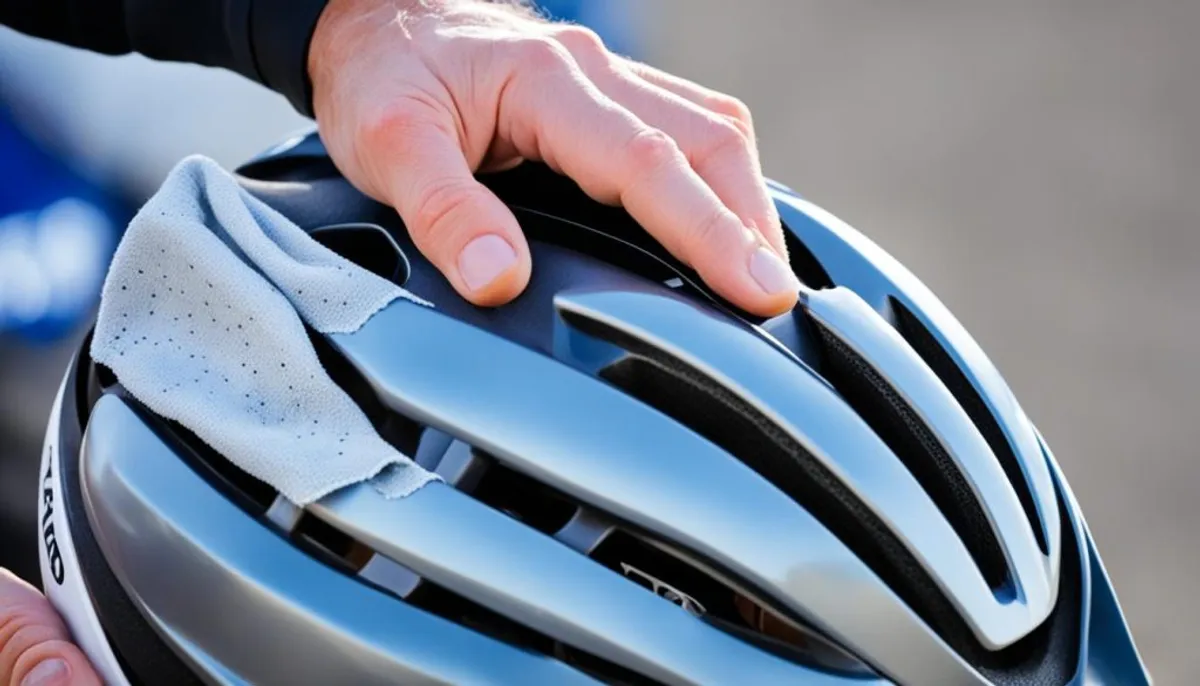
Keeping your riding helmet in good condition is very important. It ensures our protection during rides. It needs regular maintenance to remain safe.
Helmet maintenance tips
- Regularly wash the foam and linings inside. Do this as indicated by the manufacturer.
- Use a protective bag to transport it. This will prevent shocks and scratches.
- Before each use, check the shell and visor for any damage.
When to replace your helmet after a fall?
If you fall even without breaking the helmet, it is better to change it. It may be damaged inside and no longer provide protection. Safety is the most important.
| Recommendations | Explanations |
|---|---|
| Replace the helmet after a fall | Even if it doesn't seem damaged, it may be inside. |
| Follow the manufacturer's advice | Each helmet has specific recommendations. They should be followed. |
| Prioritize safety | Protecting the rider is crucial. Prevention is always better than cure. |
Taking care of your helmet and replacing it if necessary is vital. It maintains our safety. Simple actions extend its lifespan.
Conclusion
The riding helmet is crucial for the safety of riders, whether they ride for pleasure or in competition. It is both stylish and secure. Over time, it has evolved to become indispensable, adhering to very strict standards.
Choose your helmet based on the riding you do and its safety. Riders also choose it for its style.
It is important to maintain it and replace it after a fall to stay safe. The helmet is essential for protecting riders while giving them a unique look on their mount.
In summary, the helmet is essential for riders attentive to their safety and style. Its evolution and the safety standards imposed make it a major element in riding. Whether you practice for pleasure or in competition, it remains of great importance.
FAQ
What is a riding helmet?
A helmet is a cap for riding. It is crucial for protection. It protects against head injuries in case of a fall. Additionally, it is required in most places where riding is practiced and in competitions.
What is the origin of the riding helmet?
It comes from England. Over the centuries, its design has combined safety, comfort, and fashion.
It has become an important element for every rider, whether for pleasure or to win prizes in competitions.
Why is wearing a helmet so important for the rider's safety?
Wearing a helmet is essential. It protects the head in case of a fall. Without it, serious injuries could occur, especially to the skull. The skull controls all vital processes of the body.
What are the characteristics of a secure riding helmet?
A safe helmet must have a solid shell. This protects against sharp objects. It should also have a soft visor to reduce the risk of nose fractures.
Walking confidently while riding is important. Other elements like a neck protector and safety certification are also important.
How to choose the right riding helmet?
To choose, consider your riding style. The choice varies depending on whether you practice cross, dressage, etc. Each type of helmet is adapted to the needs of each discipline, whether for ventilation, visor, or protection.
What about the aesthetics of riding helmets?
Appearance matters to many riders. There are many models to choose from. You can opt for various materials, colors, and finishes. There are even special models that will make you stand out.
How to maintain and replace your riding helmet?
To keep it effective, it must be maintained. If you fall with it, it is wise to replace it, even if it doesn't seem damaged. Hidden damage can reduce its protection.