
We often see funny photos of a badly trimmed horse circulating online. Next to them, there are also images of perfect horses in magazines. This can make us doubt the beauty of our own horse.
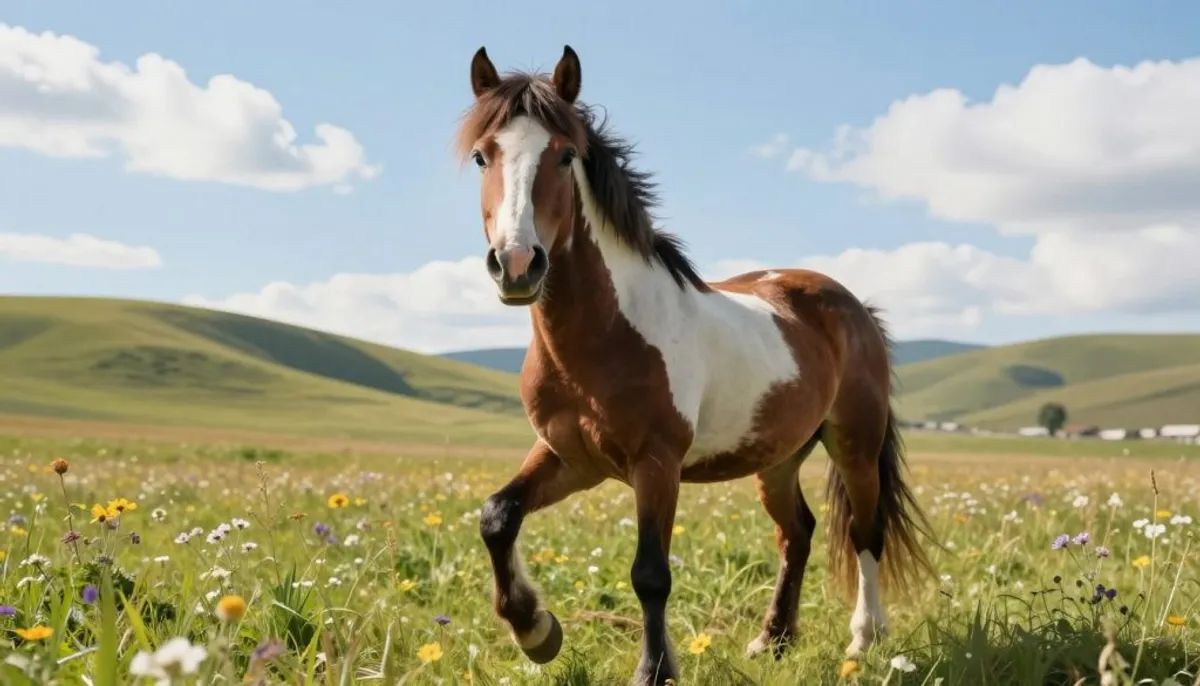
In France, this strange feeling is more common than we imagine. In reality, the idea of an “ugly horse” doesn’t hold. What seems shocking is often just a matter of perspective, a bad moment captured, or poorly cut fur.
We will explore together what creates this false idea of an unattractive horse. We will understand why a one-of-a-kind horse becomes so special to us, the one we can’t forget and with whom we love to spend our days.
Love for your horse goes far beyond appearances. It means seeing its true beauty in its behavior, patience, sincerity, and how it behaves at work and during rides.
And for those who cherish every little detail of horseback riding, let’s talk about a prime location in France: La Sellerie Française. Here, you will find luxurious, unique, custom-made or limited-edition equipment, all crafted by French artisans.
Key Takeaways
- A badly trimmed horse is often an impression created by the photo, not a lasting reality.
- Loving your horse starts when you stop comparing it to unrealistic standards.
- An atypical horse can become the most reliable and remarkable over time.
- The inner beauty of a horse is seen in its temperament, not in a snapshot.
- In France, equestrian culture also values comfort and daily care.
- Demanding equipment, like those from La Sellerie Française, supports this long-lasting relationship.
Understanding why the “ugly horse” doesn’t really exist
Sometimes we say “ugly horse” as if it were a real fact. But in fact, it speaks more about what we think when seeing selected photos, carefully posed shots, and perfect bodies everywhere.
Between a stable and a “perfect” photo, there is a big difference. A non-photogenic horse can be judged too quickly, without being looked at closely.
An expression born from quick judgments and unrealistic standards
Often, we say “ugly” in an instant, because of a small detail. For example, a neck that seems short, a head facing forward, or a grimace at the wrong moment.
The equestrian world has very strong beauty standards. They come from competitions, advertisements, and social media. There, only the best images are shown.
As a result, we compare a real horse to a photo. And very quickly, we find it ugly, even if it looks different in motion.
What we call “ugly” is often temporary, reversible, or subjective
Many “flaws” don’t last: uneven trimming, winter coat, or being covered in mud. In a few weeks or days, a horse’s appearance can transform.
Other aspects can easily improve: good nutrition, dental care, hoof trimming, and gradual training. A horse that seemed ugly may just need more comfort.
And then, tastes differ. What doesn’t please one person may charm another. Beauty is not universal.
Changing our perspective to better love our equine, regardless of its appearance
We think we see “ugly” horses, but often, they are just poorly photographed. A bad angle, harsh light, or a poorly captured movement can make a horse look “strange” in a photo.
To avoid judging based on appearance, we can ask other questions: how does it breathe, is it relaxed, how does it move, what is the state of its back, does it want to communicate?
Changing our perspective allows us to see its story, character, and reliability. When we focus on the horse's well-being, our vision changes too.
| What triggers the label | What it often reflects | What we can observe instead |
|---|---|---|
| Photo taken at the wrong moment (grimace, movement) | An isolated moment that distorts perception | Gaits at walk and trot, ears, relaxation |
| Failed trimming, unruly coat, mud | A temporary effect that makes for an “ugly animal” in image | Quality of the coat over time, skin, comfort while grooming |
| Comparison to equestrian aesthetic standards | A constructed ideal, not a universal truth | Body condition, functional balance, ease under saddle |
| Angles that compress or stretch the silhouette | A non-photogenic horse more than a real “flaw” | Observation in hand, profile view, on flat ground and soft light |
When the Internet creates unattractive equines: social media and humor
On the Internet, a simple photo can quickly become a “truth.” This is how stories of unattractive equines are born. The world of the ugly horse online combines quick shares, humor, and screenshots.
Pinterest, Reddit, TikTok: the virality of poorly trimmed photos and disastrous angles
The “fails” on Pinterest horse captivate. They often come from uneven trimming or a cut that is too short. These images become visual jokes, easily shared.
Reddit adds a touch of humor with the text accompanying the photos. Stories from owners recounting a bad shot without blaming their horse find resonance there. The important thing is that the anecdote remains light and fun.
The successful formula on TikTok horse is simple: a short video, a tight zoom, capturing a movement or expression at an unflattering moment. It’s all about timing and angle, which can quickly change the preview of a scene.
Why “before/after” images leave such a strong impression
The “before/after” montages tell a story in two images. The “before” shows a less flattering moment, and the “after” a favorable image. This difference creates an illusion of radical change.
In these montages, the contrast strikes the mind. It allows us to easily distinguish a “fail” from a “success.” But this simplicity can sometimes deceive, as reality is often more nuanced.
Differentiating between teasing, self-deprecation, and malice towards an ugly animal
There is a difference between gently teasing and being malicious. When the owner shares a bad photo while laughing, without blaming the animal, it’s called self-deprecation. Teasing remains light if it is occasional and without malice. But it becomes malicious when the animal is belittled or constantly ridiculed.
To maintain a positive environment, certain criteria help understand the tone of a post:
- Context: A specific situation can explain a bad photo.
- Intention: Is it a share to laugh together or to mock?
- Effect: A joke goes unnoticed or leads to negative reactions.
| Format that circulates | What we see | Why it goes viral | Useful reading |
|---|---|---|---|
| Album Pinterest horse | Uneven trimming, marks, “patchwork” on the neck | Simple, very visual images, easy to save | Often temporary: hair regrowth, photo taken just after trimming |
| Post Reddit horse | Photo + funny caption, owner's anecdote | Situational humor, community effect, chain comments | Spot if the text protects the animal or seeks to belittle it |
| Clip TikTok horse | Grimace, blurry movement, close-up, low angle | Fast pace, editing, perfect “capture” moment for replay | One second doesn’t summarize a temperament or morphology |
| Before/After | Two opposing images: unflattering moment vs flattering moment | Strong contrast, immediate story, emotional reaction | The result often depends on the shot, not a stable “flaw” |
Many images of supposedly ugly equines come from a bad shot. Backlighting, an unexpected zoom, a sudden movement. These small capture details greatly influence the final image, much more than the actual beauty of the animal.
The trap of photos: angle, light, and timing that transform an unattractive horse
Often, we think we are evaluating a horse but are mistaken due to the photo. An image can capture an unflattering moment, with perspective or shadow errors. Thus, a not very beautiful horse can appear different from what it really is.
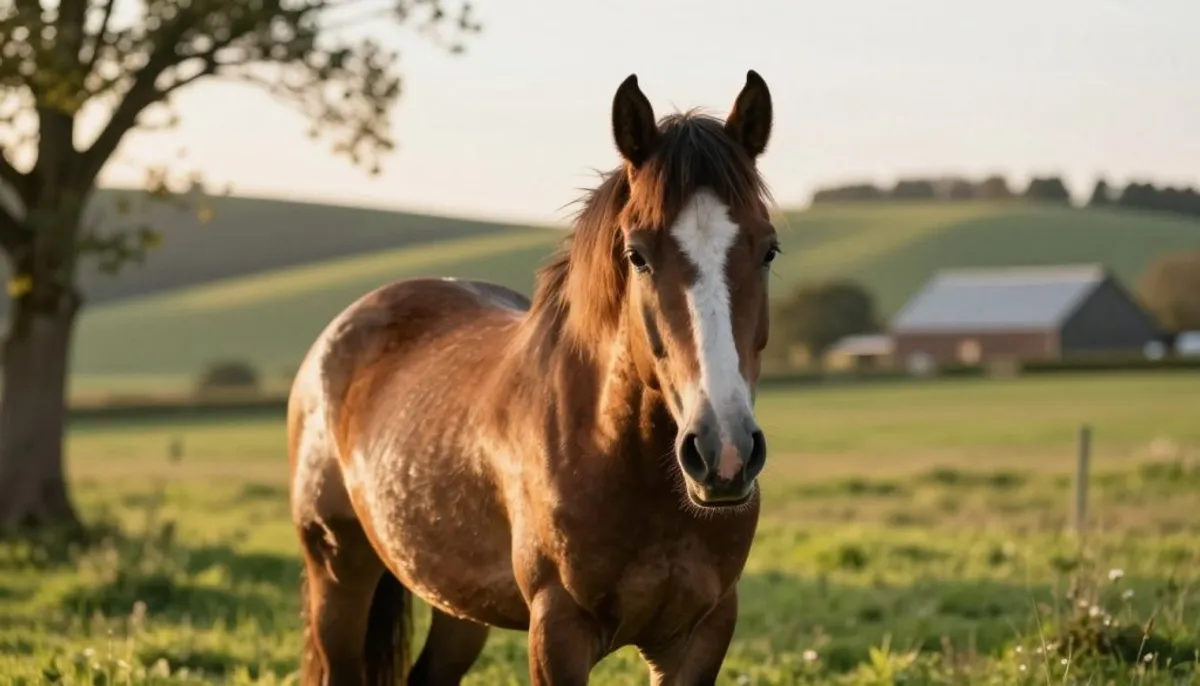
What research shows: the viewing angle changes perception (study published in 2014)
A 2014 study tells us something interesting: our perception changes depending on the angle and context. The angle at which the photo is taken, the photographer's position, the light, and even the ground can change everything. As a result, in a photo, a horse's neck may appear shorter, or its back longer.
This difference mainly comes from perspective, a bit like a smartphone distorting a face when you are too close. By changing the framing, the same horse can tell a completely different story.
Low angle, harsh sun, horse in motion: the most common distortions
The low angle is often a trap. It can make the front appear larger and the head huge, which gives a poor image of the horse. With strong sunlight, shadows harden features and highlight all details.
When a horse moves, a photo taken at the wrong moment can distort its appearance. Its pricked ears, twisted mouth, crossed legs give a misleading impression. We think we see a flaw, but it’s just a poorly captured moment.
Wet horse, uneven ground, posture: how the illusion of an ugly horse is born
A horse in the rain looks thinner because its coat is matted. Cold light can enhance this “skinny” effect in a photo. It’s a detail that completely changes the impression we have.
Uneven ground is also misleading. If the feet are not aligned properly, the horse seems poorly built. A strange posture, a stiff neck, a worried look contribute to the illusion of an unattractive horse, without really showing its true appearance.
| Situation | What the eye believes it sees | What happens in the photo | Simple adjustment to test |
|---|---|---|---|
| Low angle | Massive head, “crushed” front, look of a ugly horse | Perspective that enlarges what is close to the lens | Position at the height of the chest, step back |
| Harsh noon sun | Too marked reliefs, “weird” volumes | Sharp shadows that accentuate hollows and bumps | Stand in the shade of a hedge or turn the horse |
| Horse in motion | Twisted limbs, tense expression | Timing that captures an unflattering transitional phase | Trigger in burst mode and then keep a calm attitude |
| Wet horse | Thinned silhouette, dull coat | Matted hair, uneven reflections and “harder” lines | Wait for drying, or aim for soft light |
| Uneven ground + posture | “Twisted” balance, back that seems broken | Unbalanced supports, misleading body lines | Choose flat ground and ask for a square stop |
The “types” of ugly horse seen on the Web… and why it’s exaggerated
On social media, you quickly find photos of “failed” horses. These images make us believe in a reality that is not accurate. Often, poor lighting, a weird pose, or poor timing make the judgment too hasty.
We often come across these images: uneven trims, young horses in growth, or even signs of aging. They capture attention because they are simple and easy to share. Yet, they are just small details that are exaggerated.
The badly trimmed horse: a patchwork effect
If a horse is badly trimmed, we can see uneven areas. This gives the impression that its shape is strange. However, the British Horse Society assures that the horse remains the same; the trimming is just a temporary change.
After a few weeks, everything returns to normal. But people may continue to remember the first image.
The foal and its awkward phases
A foal can seem disproportionate with its large head and long legs. It looks like it’s not quite formed. Metcalf & Witte (2018) showed that this is normal during growth.
Like teenagers, the foal needs time to develop its muscle mass and balance. Good food and exercise contribute to this.
The weight of years on the silhouette
An older horse may have less muscle and a sagging back. In photos, these traits are often seen as flaws. But in reality, they tell the story of a life.
Many factors, such as season or dental health, can change their appearance. A single image doesn’t tell the whole story.
The mix of traits, far from standards
A horse of a rare mix often attracts attention with its unique characteristics. This can include a long profile or a particular neck. On the Internet, these differences can quickly be criticized as mistakes.
But in fact, it’s their originality that makes them unforgettable. The ideal of perfection is not everything.
The most common case: water, angle, and timing
On the web, we often see poorly taken photos of horses. Whether due to water, a bad angle, or an untimely moment, the result is not flattering. Photos can then distort reality.
In reality, most of the time, these are not ugly horses but failed photos. And these images remain in the minds of the people who share them.
| “Type” seen online | What the photo highlights | What often happens in reality | What helps to put things in perspective |
|---|---|---|---|
| badly trimmed horse | Uneven areas, broken lines, patchwork effect | The morphology remains the same; regrowth homogenizes | Observe several weeks apart, compare in motion |
| disproportionate foal | Long limbs, “big” head, poorly constructed hindquarters | Growth in phases, musculature and balance in development | Follow the evolution over several months, look at the overall condition |
| older horse | More hollow back, more visible reliefs, less flattering coat | Variations related to age, season, tone, and comfort | Evaluate locomotion, body condition, quality of life |
| atypical crossbred horse | “Out of standard” traits, surprising profile or proportions | Combination of characters, unique visual identity | Focus on functionality, temperament, balance |
| ugly horse “wet” or poorly framed | Matted hair, angle distortions, grimace, frozen posture | Changing silhouette depending on light, distance, timing | Retake photos from above, in soft light, at a walk |
Ugly horse: what really influences our aesthetic judgment
We think we know right away if a horse is “beautiful.” This idea comes from our quick judgment, based on a moment, a pose, or the light. But in reality, understanding a horse's physique takes time and requires a careful eye.
Sometimes, judging a horse as “ugly” says a lot about what we expect. For example, a horse may seem less attractive in a photo. But it can surprise us in motion, during grooming, or in training.
Proportions and symmetry: why our brain “sorts” quickly between beautiful and less beautiful
Our brain appreciates symmetry and simple shapes. If something breaks this harmony, we notice it immediately. Like a higher shoulder or a protruding hip. Quickly, we form an opinion.
However, a horse's appearance can change. Its growth, musculature, fatigue, or simply the way its feet are placed. All of this can affect its appearance without reflecting its true potential.
Short or massive neck, sunk croup: visual effects and biomechanical reality
A short or thick neck can be surprising. Classic images often show horses with long, thin necks. Yet, some horses are naturally built this way. And training can help rebalance their shape.
If a croup seems erased, it may be due to poor posture, lack of muscle, or age. Even if this affects appearance, the horse's movement can remain fluid. It depends on how its back functions.
Atypical facial profile: Roman nose, concave, and racial particularities
The face of a horse can quickly influence our opinion. A Roman nose, a concave head, strong jowls. These features are striking because they differ from the “typical horse.”
These traits are often the result of a horse's origin, crossbreeding, or its own expression. What some see as ugliness, others see as a distinctive mark.
Scars, blemishes, marks: irregularity perceived as a “flaw”
A scar breaks continuity and draws the eye, even if the horse does not limp. It attracts our attention, even though the animal shows no signs of pain.
These marks can tell the story of an accident, a life in the wild, or a past injury. They can give a robust appearance to a horse, while having a gentle and reliable temperament.
Nutrition, living conditions, stress: when appearance reflects well-being
A dull coat, a bloated belly, muscle loss: appearance can reveal a horse's health status. Stress, confinement, pain, or inadequate nutrition are quickly visible. This is noticeable even before judging its physical shape.
On the other hand, regular care can change the image we have of a horse. Even without modifying its bone structure, the animal appears more balanced. Its gaze becomes bright, its back straight, and its symmetry evident.
| What catches the eye | Effect on aesthetic judgment | What it may mean | What can be observed daily |
|---|---|---|---|
| Asymmetry in the photo | Impression of “broken” symmetry | Posture, uneven ground, different support | Compare at a straight walk, on flat ground, after warming up |
| Short or thick neck | Judged heavy silhouette, unattractive horse | Natural frame, uneven muscles, tension | Lateral flexibility, relaxation, ability to extend |
| Sunk croup | Perceived hindquarters as “sunk” | Lack of muscle, fatigue, age, posture | Engagement of the hindquarters, stability at the trot, comfort when climbing |
| Roman nose or concave head | Judged atypical trait, sometimes ugly animal | Racial particularity, crossbreeding, individual expression | Breathing at work, comfort of the harness, jaw relaxation |
| Scars and marks | Quick reading of a “flaw” | Old injury without sequelae, rubbing, life in the pasture | Absence of pain, normal mobility, soft skin during grooming |
| Dull coat and muscle loss | Neglected appearance, negative aesthetic judgment | Nutrition, parasites, stress, discomfort | Evolution of condition, appetite, coat quality, recovery after effort |
Why an unattractive horse can become the most loved
In a club or stable, the favorite is not always the one that shines. A horse may seem ordinary but captivate our heart from the first meeting. Its attitude can be more reassuring than a perfect photo.
Over time, the bond between the rider and the horse is woven. It is based on simple things like an attentive ear or a confident stride. A horse that doesn’t please everyone at first can become the ideal partner. What matters is mutual trust, not appearance.
Temperament and reliability: what riders really look for (Jones & McGreevy, 2010)
Jones & McGreevy (2010) showed the importance of emotional stability in horses for riders. A reliable horse remains calm, even when everything moves around it. This simplifies training and reduces stress.
A horse considered “atypical” is often seen as understanding and patient. These qualities promote learning and help create a safe environment. For riders, reliability becomes essential in daily life.
Attachment to unique animals: empathy and protection (Marc Bekoff, 2007)
Marc Bekoff (2007) reveals that certain animals touch us with their unique appearance. This awakens our empathy and desire to protect. This instinct strengthens our attachment.
In the equestrian world, this means we develop more patience and take better care of these horses. A horse that others judge as less beautiful becomes precious in our eyes. It acquires a special place in our routine.
When charm comes from personality, not from the “perfect photo”
Sometimes it’s the imperfections that charm us. A scar or a unique appearance may first surprise, then become dear to our hearts. We remember the horse's character, its efforts. We realize that outer beauty does not reflect inner richness.
True charm appears with the trust and daily presence of the horse. Reliability and empathy transform into a deep bond. At that moment, it doesn’t matter if others find it “hideous.” That word loses all its meaning.
| What we see at first glance | What matters in the saddle and on foot | Effect on the rider-horse relationship |
|---|---|---|
| Unattractive horse in the photo (angle, light, posture) | Regular gaits, simple responses, attention to the rider | Quick trust, stable reference points, calmer progression |
| Hideous horse according to standards (scars, atypical head, irregular silhouette) | Emotional stability, tolerance for mistakes, consistency at work | Lasting attachment, sense of security, cooperation in daily life |
| Visible “imperfect” details (coat, marks, small asymmetries) | Comfort, good recovery, willing and calm attitude | Animal empathy strengthened, more attentive care, finer bond |
Valuing an ugly horse with simple care and daily well-being
With the right care, a horse's health improves and so does its appearance. We seek to make the horse more comfortable and confident. This begins with its well-being above all.
Small daily actions are essential in rehabilitating a horse. A stable routine, clean water, good hay, and quiet walks make a big difference.
Nutrition, veterinary follow-up, dentist, farrier: what changes the appearance the most
The horse's diet is crucial. An improperly adjusted ration quickly affects its appearance and energy. Adjusting the diet allows the horse to develop its muscles healthily.
Veterinary visits help define priority care. They allow for the treatment of parasites, pain, and other issues. Thus, a healthy horse has better posture.
Dentist and farrier care are complementary. They take care of the horse's teeth and feet. Good balance helps the horse feel better and stand correctly.
| Priority | What we look at | Most visible effect daily | Common rhythm in France |
|---|---|---|---|
| Horse nutrition | Body condition, quality of hay, fibers, minerals | More regular coat, fuller back, more stable energy | Adjustments in stages over 2 to 6 weeks |
| Veterinary follow-up | Parasites, pain, skin, assessments by age | Less discomfort, calmer attitude, better recovery | At least 1 to 2 checks/year, more if fragile |
| Dentistry | Overgrowth, chewing, odor, loss of condition | Smoother chewing, better appetite, less contracted head | Generally once a year |
| Farriery | Hoof balance, conformation, wear, sensitivity | More precise steps, freer shoulder, more “settled” posture | Every 6 to 8 weeks |
Coat, brushing, detangling: restoring shine without turning the animal into a “standard”
A horse's coat says a lot about it: its health, nutrition, stress. Regular brushing transforms its appearance from “neglected” to “well-groomed.” And this without changing its shape.
We brush gently, clean, and check for any painful areas. These care improve the coat's condition and prevent irritation. They also strengthen the bond of trust with the horse.
- Soft brush on fine and sensitive areas
- Rubber curry comb on fleshy parts, without insisting on bony reliefs
- Detangling the mane in small sections to avoid breakage
Progressive muscle work: posture, tonicity, and comfort rather than “looking beautiful”
A respectful training transforms a horse's appearance. We start with simple exercises. Patience is key in rehabilitation.
We do not seek to “correct” the horse for photos. The goal is a horse that is comfortable, free to move, and in good health. A happy horse is often more beautiful naturally.
Photographing an unattractive animal… and making it photogenic
Taking a photo of a horse can be tricky, especially if the angle and light are not ideal. A simple difference of 10 seconds can change a photo. The trick is to choose the right moment so that the horse appears photogenic, even if it is not the most beautiful.
Take the photo slightly from above to avoid distortion
Don’t photograph from below; it can make the horse's head look large and flatten its body. Try to position yourself a bit higher, with arms raised or standing on a bank. This avoids the caricature effect that can make the horse look ridiculous.
Choose soft light (morning/evening) to smooth out reliefs
Strong midday sun can create harsh shadows and make features look severe. Early in the morning or late in the evening, the light is softer, making the coat smoother. Often, this helps to forget that a horse might seem unattractive.
Care for posture: ears, orientation, calmness, and timing
Capture the moment when the horse is calm, with ears facing forward. Position it to give a good profile. If you take the photo too early, you risk having an unflattering shot, even if the horse is beautiful in reality.
Before the photo: quick brushing and details that unify the coat
A quick brushing can remove dust and unify the coat color. Also wipe around the eyes and nostrils for clarity. These simple gestures help beautify the horse in the photo, even if it is not perfect.
| Simple adjustment | What it avoids | What it brings to the equestrian photo |
|---|---|---|
| Slightly elevated shot | Too large a head, crushed neck, “squashed” silhouette | More accurate proportions, softer gaze, less ugly animal effect |
| Morning or evening light | Harsh shadows, accentuated reliefs, dull coat | Smoother contours, shinier coat, more flattering result for an ugly horse |
| Calm horse, ears forward, three-quarters pose | Grimace, blur, “twisted” limbs, closed expression | Lively attitude, more harmonious line, less risk of ugly horse photo |
| Quick brushing + cleaning details | Neglected appearance, visible stains, matted hair | More uniform coat, neat impression, easier to make a horse photogenic |
Stories that prove that appearance says nothing: resilience and heart
Sometimes, we think we can judge a horse just by its look. But appearances can be deceiving, especially when suffering is involved. These stories show us one thing: the strength of horses is not seen in their bodies but in their spirits.
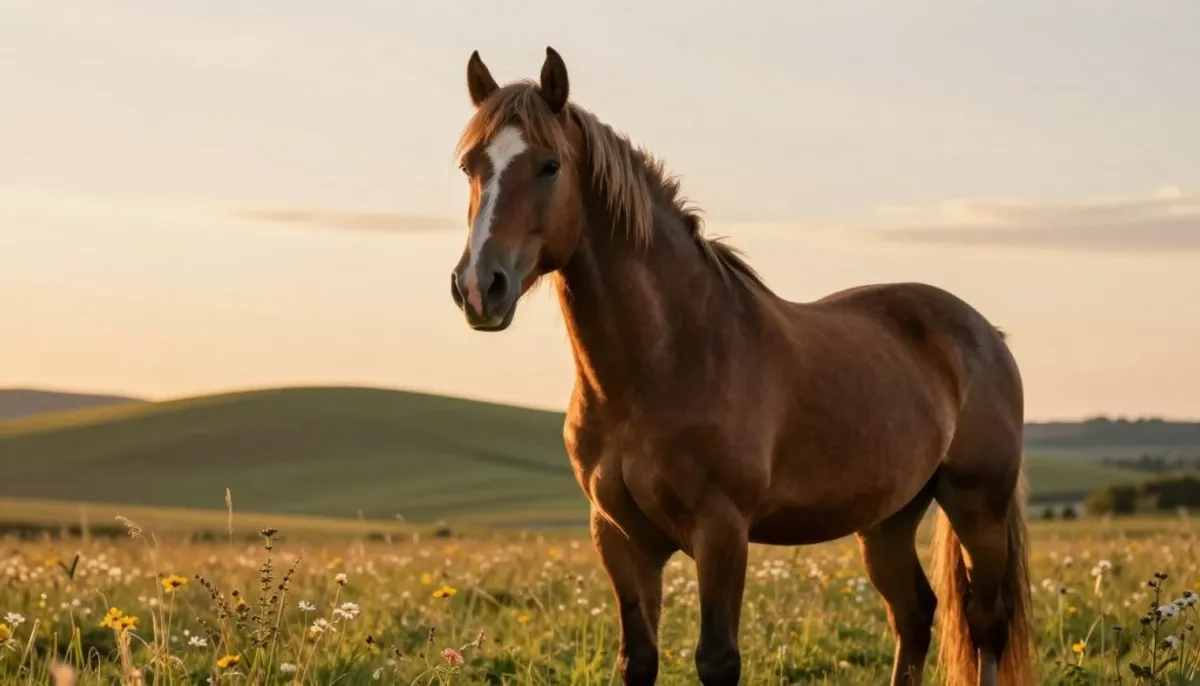
Frédéric, the “useless” horse who became unforgettable
Frédéric arrived at 23 years old, very weak and close to the end. He hadn’t eaten well for a long time. His pen was more of a dump: muddy, with little grass and a harsh winter.
He was called “useless.” Previously, he had competed and then been retired. The recovery was slow: with the help of professionals and a constant battle against illness.
On October 5, he fell into a hole. He was stuck for three hours in the cold. That’s when we saw his true strength manifest.
As he recovered, Frédéric showed his true nature: gentle and wise, becoming a guide for others. He passed away on December 26, 2014, at the age of 25, but his story questions our view of older animals.
The view we have of aging
An old horse has less muscle, a hollow back, and slow movements. But it mostly resembles a creature that asks for rest and serenity.
In the stable, dignity is measured by little: food, care, a shelter. Beauty comes after well-being. Thus, our perception changes too.
Sergeant Reckless, a courage that surpasses silhouette
Sergeant Reckless didn’t have the look of a star: small, with a long back. Yet, he was a war hero, carrying ammunition in the midst of conflict.
His courage made his legend, far more than his appearance. His great value came from his heart and his ability to reassure those around him.
| Story | What we judge too quickly | What the story shows | Human lesson |
|---|---|---|---|
| Frédéric | “Useless horse”, too old, too thin | Complete care, survival in extreme conditions, revealed gentleness | We do not “serve”: we count, even without being ridden |
| Older horse in daily life | Changing silhouette, less “presentable” | Need for comfort, regularity of care, slower pace | Dignity comes from support, not from appearance |
| Sergeant Reckless | Unharmonious body, modest appearance | Conduct under fire, endurance, composure | The courage of Sergeant Reckless becomes a reference, beyond the physical |
Conclusion
The concept of the ugly horse is often the result of a moment or a too strict criterion. A failed photo can transform a horse into “ugly” in an instant, without anything actually changing about it.
The perception of ugliness is sometimes due to minor details. A bad cut, a soaked horse, an unflattering angle, harsh light, or poor timing. And when the appearance bothers, it usually doesn’t last. With a little care and attention, even the least attractive horse can flourish again.
It is important to see beyond appearance. External beauty does not reflect reliability, courage, or the quality of a relationship. Loving a horse is appreciating the possibilities it offers: tranquility, security, trust.
In France, loving horses also means caring for the details. Equipping your horse shows our appreciation, no matter its appearance. La Sellerie Française offers quality equipment, made in France. They suit all, from competition horses to the most modest, each with its unique charm.
FAQ
Does the “ugly horse” really exist?
Generally, no. The term “ugly horse” is based on comparisons with perfect images. In reality, such horses are often simply poorly photographed.
Why does my horse look “ugly” in photos when it’s stunning in real life?
A photo captures just a moment. A bad angle or timing can deceive the eye. Often, an “ugly” moment passed gives a false result in a photo.
Which social media platforms fuel the “badly trimmed horse” phenomenon the most?
Pinterest shows plenty of badly trimmed horses, shared for laughs. Reddit features funny stories from owners. TikTok showcases videos where the angle transforms a horse in an instant.
Why do “before/after” montages make a horse look unattractive… then suddenly magnificent?
They show a rapid transformation. An unflattering first image, followed by a beautiful pose. These montages create impressive contrast.
What is the line between self-deprecation, teasing, and malice?
Laughing at oneself is different from mocking. Self-deprecation is healthy, but teasing can hurt. Malice is always harmful and ethically wrong.
Does research confirm that angle changes a horse's perception?
Yes. A 2014 study demonstrated that angle and lighting greatly influence our perception. A bad shot can make a horse look “ugly.”
What photo distortions make a horse look the most “ugly”?
A low angle makes the head look strange. Harsh sunlight creates odd shadows. And a frozen movement can be unflattering.
Why does a horse soaked in rain appear thinner, even “repulsive”?
The wet coat sticks to the body, reducing volume. A poor perspective reinforces this illusion. But it doesn’t last.
Does a failed trim really change a horse's morphology?
No, it just creates a temporary visual effect. The British Horse Society assures that the effect disappears with coat regrowth.
Why do some foals look disproportionate, almost “poorly assembled”?
They grow in stages. At first, their proportions are not balanced, like during adolescence, but this resolves over time.
Why is an older horse sometimes judged as an “ugly horse”?
As horses age, they lose their physical shape. But these signs tell their story and dignity that surpasses any superficial beauty.
Can a crossbred or atypical horse be considered an “ugly horse”?
Sometimes, if its shape doesn’t match the standards. But being different doesn’t mean being less beautiful. These unique traits add to their charm.
Why does our brain quickly classify an equine as “beautiful” or “less beautiful”?
We naturally seek symmetry and harmony. If a photo doesn’t show these qualities, we may judge incorrectly.
Does a short, massive neck or a “sunk croup” make a horse less good?
No, it can be natural or the result of specific training. Appearance doesn’t necessarily affect the quality or comfort of the horse.
Is an atypical facial profile (Roman nose, concave) a flaw?
Often these traits are specific to certain breeds. They do not indicate a lesser horse, but add character.
Do scars and marks explain the “ugly animal” label?
They draw the eye but tell a story. Many see them as a mark of courage rather than “ugliness.”
Can nutrition, stress, and living conditions make a horse appear “neglected”?
Yes, a horse's condition reflects its health and well-being. A “neglected” appearance can signal unmet needs.
Why does an unattractive horse often become the most loved?
Affection goes beyond appearance. An “ugly” horse can prove to be reliable and reassuring, becoming very cherished.
Do we more easily attach to a unique animal?
Yes, their unique appearance can strengthen our empathy. We want to protect and care for them.
What care most transforms the appearance of an “ugly horse” without “standardizing” it?
Good nutrition, veterinary care, and regular coat maintenance improve appearance. The goal is well-being, not uniformity.
How to photograph a “poorly photographed” horse to make it photogenic?
Take the photo from above and in soft light. Ensure the horse is calm. Good preparation can change everything.
Who was Frédéric, and why does his story change the view on an “ugly horse”?
Frédéric was an unknown horse saved just in time. Despite his condition, he proved his gentleness and educational importance. His story shows that an “ugly horse” can have a beautiful soul.
Does Sergeant Reckless prove that an “ugly horse” can become legendary?
Absolutely. Despite an atypical appearance, Sergeant Reckless became a hero for his incredible bravery.
Where to find premium equipment to value all horses, even the most atypical?
For quality equestrian gear, visit La Sellerie Française (https://laselleriefrancaise.com). They offer unique and durable products, perfect for every horse.