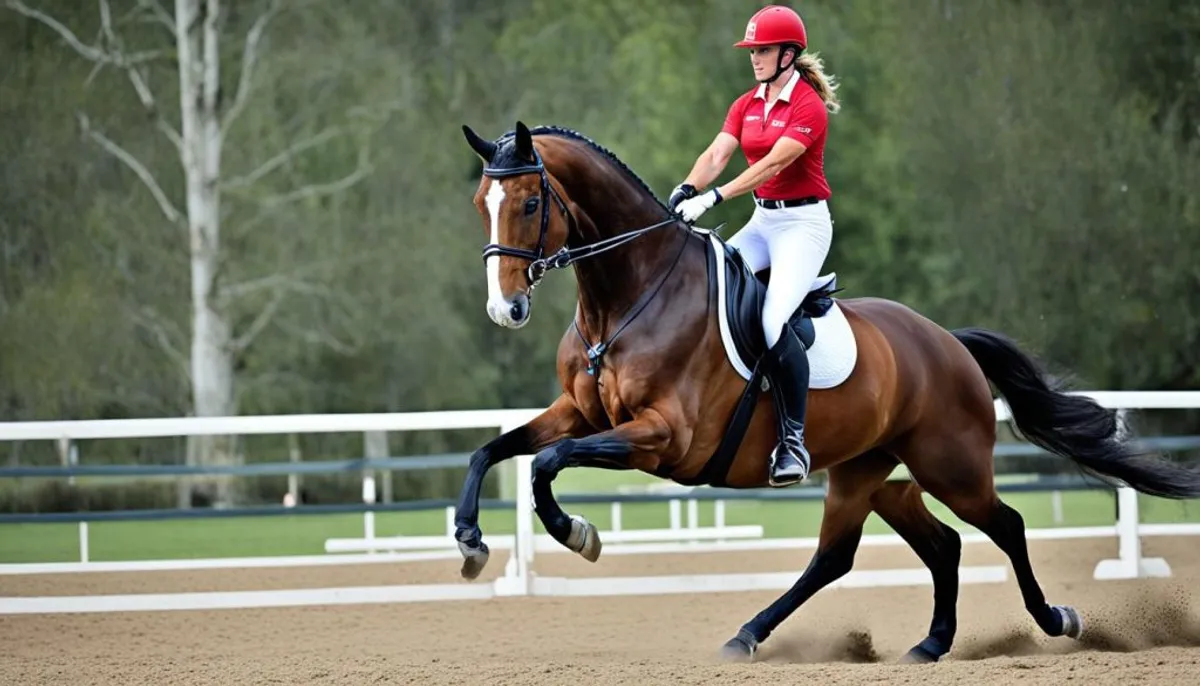
Horseback riding is a unique sport that allows you to connect with nature. It offers numerous benefits for physical health. In particular, it helps with the overall muscle strengthening of riders.
The practice of horseback riding does not require intense muscular efforts. However, it engages a controlled tonicity of many muscle groups. This allows for a gentle and progressive strengthening.
It works the torso, legs, glutes, and arms. This improves balance and the rider's posture.
Key takeaways
- Horseback riding globally and evenly strengthens the rider's musculature
- It engages a controlled tonicity of the main muscle groups
- The strengthening is gentle and progressive, without intense efforts
- Horseback riding improves the rider's balance and posture
- It is a complete sport that offers numerous physical benefits
The muscles engaged during horseback riding
Horseback riding works many muscles of the body. This strengthens the body in a balanced manner. Let's look at the main muscles engaged in horseback riding.
The torso: abs and back muscles
The abs in horseback riding and the back muscles in horseback riding are very important. They help to stay upright and adapt well to the horse. This ensures the stability of the rider.
The legs: quadriceps, hamstrings, calves
The legs are crucial for the rider's balance. The quadriceps in horseback riding, hamstrings in horseback riding, and calves in horseback riding work hard. They maintain a good position in the saddle.
The glutes: gluteus maximus, medius, and minimus
The glutes in horseback riding play a key role. The gluteus maximus in horseback riding, gluteus medius in horseback riding, and gluteus minimus in horseback riding help to push the hips. They adjust stability and facilitate changes in direction.
Horseback riding engages many muscles in a harmonious way. This promotes overall and balanced muscle strengthening.
What horseback riding strengthens: overall and balanced muscle strengthening
Horseback riding does not require great physical strength. However, it strengthens many muscles in a balanced way. The torso, legs, glutes, and arms are engaged harmoniously. This promotes a complete muscle development.
The overall muscle work also improves balance and posture. This is crucial for safe and effective horseback riding. Whether you are a beginner or experienced, the practice of strength training in horseback riding will make your figure more toned and balanced.
| Engaged muscles | Benefits |
|---|---|
| Torso (abs, back) | Improvement of posture and balance |
| Legs (quadriceps, hamstrings, calves) | Strengthening of the lower limbs |
| Glutes (maximus, medius, minimus) | Development of power and stability |
| Arms | Better control of reins and aids |
The overall and balanced muscle strengthening makes horseback riding a complete sport. It allows you to stay fit and develop key skills for successful and safe practice.
A postural core for a toned and muscular figure
Horseback riding strengthens the muscles globally. It also helps to improve posture. The core muscles, such as the abs and back muscles, are regularly engaged.
This helps to tone the figure. Riders have a slim and muscular figure. They do not have excessive volume. Their toned and harmonious figure comes from balanced training.
Horseback riding engages the deep muscles. This is good for the figure and the health of the back. Riders appreciate the benefits of this postural core for their muscular riding figure and toned riding figure.
What horseback riding strengthens: developing balance and flexibility
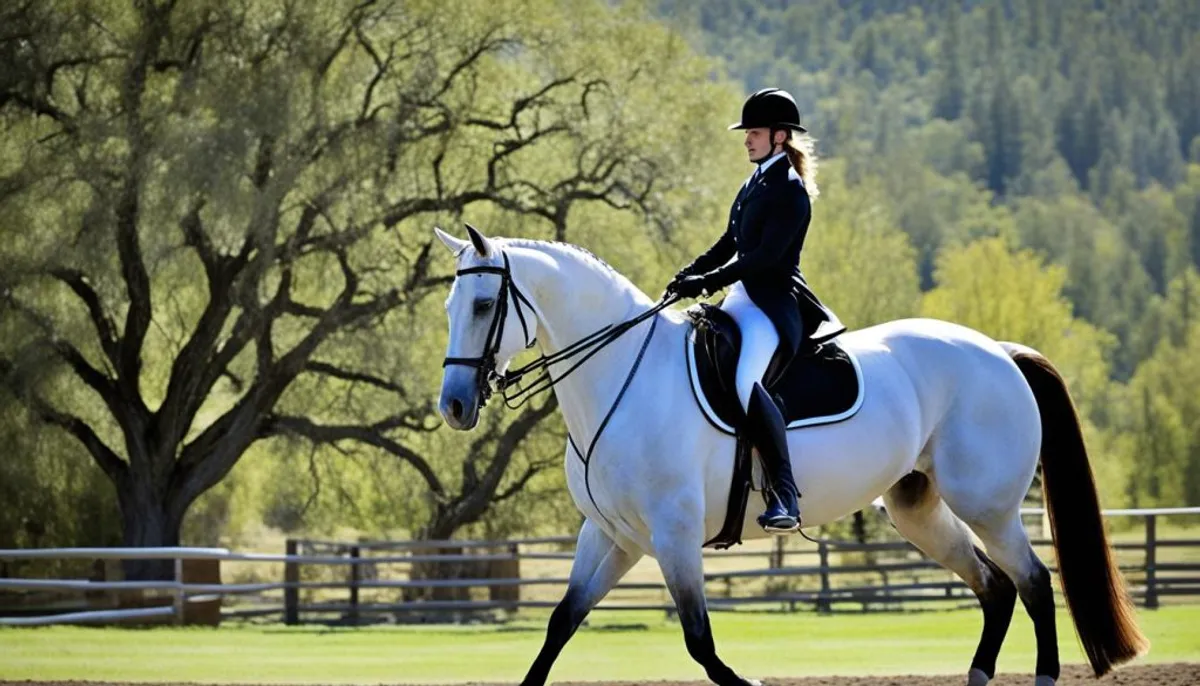
Horseback riding helps to improve balance and flexibility. To accompany the horse's movements, one must learn to follow its movements. This requires adapting and anticipating.
This work helps riders become more balanced and coordinated.
Horseback riding is gentle and progressive for the muscles. This helps to become more flexible and improves posture. Riders become more fluid and balanced in the saddle.
Accompanying the horse's movements
- Learning fluidity in movements
- Development of balance and coordination
- Constant adaptation to the horse's movements
Working muscle tonicity gently
- Progressive engagement of the muscles
- Gains in flexibility and fluidity of movement
- Strengthening of posture and balance in the saddle
Benefits for back health
Horseback riding is a sport that helps with back health. It allows for strengthening the muscle groups of the back. This protects the spine and prevents back pain.
Strengthening the back to prevent pain
The muscle strengthening of the back is essential through horseback riding. The balance movements engage the muscles of the core and back. This tones and gradually strengthens them.
Adopting an upright posture on horseback
The constant work of balance forces riders to adopt an upright and stable posture. This helps maintain good posture. A good technique and adherence to safety precautions reduce risks for the back.
| Benefits of horseback riding for the back | Impacts |
|---|---|
| Muscle strengthening of the back | Prevention of back pain |
| Adoption of an upright posture in the saddle | Maintaining good posture |
| Adherence to safety precautions | Limiting injury risks |
Emotional management, an asset in horseback riding
Horseback riding is more than just a physical sport. It is an important emotional work. Riding requires working with a sensitive animal. The rider must observe their horse and tame their negative emotions to avoid transmitting them.
The practice of horseback riding teaches the rider to manage their emotions. They must be attentive to their horse and stay in the present moment. This develops qualities such as relationship-building and self-control.
The management of emotions creates trust between the rider and their horse. This helps the rider progress and stay calm, which improves their performance.
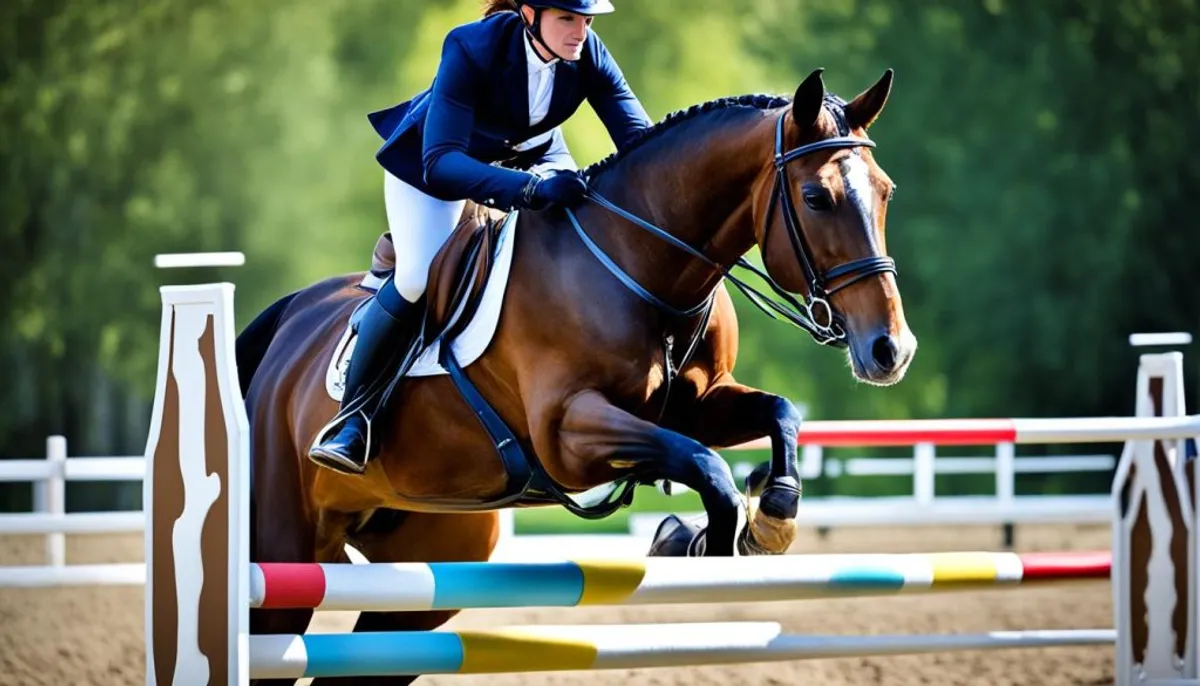
Horseback riding is more than just a physical sport. It is an emotional work that requires skills in emotional management and self-control. These qualities make horseback riding a complete sport, both physical and mental.
Conclusion: A complete sport for staying fit
Horseback riding is an excellent way to work on physical fitness in a balanced manner. It engages many muscle groups. This develops balance, flexibility, and emotional management.
Whether you are an amateur or experienced rider, horseback riding helps you stay in good shape. It makes you feel good in your body and mind. It is a perfect choice for those looking for a complete physical activity and a moment of well-being.
In addition to toning the muscles, horseback riding improves concentration and self-confidence. It also helps to control emotions. It is a sport that combines physical and mental benefits for a fulfilling form.
FAQ
What are the main muscles engaged during horseback riding?
Horseback riding works many muscles in a balanced way. This includes the torso, legs, and glutes. The muscles of the torso, such as the abs and back muscles, are particularly engaged.
How does horseback riding allow for overall and balanced muscle strengthening?
Horseback riding works many muscles harmoniously. This helps to strengthen the torso, legs, glutes, and arms. It also improves balance and posture.
What are the benefits of postural core in the practice of horseback riding?
Horseback riding strengthens the deep muscles of the core, such as the abs and back muscles. This improves posture and figure without increasing volume.
How does horseback riding help develop the balance and flexibility of riders?
Riders must follow the horse's movements fluidly. This develops balance and coordination. Horseback riding works the muscles gently, promoting good tonicity.
How can horseback riding be beneficial for back health?
Horseback riding strengthens the muscles of the back, protecting the spine. This prevents back pain. The balance work also helps maintain good posture.
How is emotional management an asset in horseback riding?
Riding requires collaborating with a sensitive animal. This forces the rider to manage their emotions so as not to transmit them to the animal. This develops relational qualities and self-control.