
Equestrianism is an exciting sport that involves riding horses and performing exercises. It has become an Olympic sport, with the French Equestrian Federation. Riding a horse requires strength and technique to control it well.
If you love equestrian sports or want to try, equestrianism is great. It improves coordination, muscle tone, and breathing. It also helps with better balance and improving posture. You can do it for fun or in competition.
Key Ideas
- Equestrianism is a sport that involves riding horses and performing exercises
- Long considered a leisure activity, equestrianism is now recognized as an Olympic sport
- Riding horses requires physical and technical skills to guide the animal
- Equestrianism offers numerous benefits, both physically and mentally
- This activity can be practiced for leisure or in competition
What is equestrianism?
Equestrianism is a fascinating activity that can be practiced as an art, a leisure activity, and a sport. Each of these aspects offers a unique experience to enthusiasts of this discipline.
An activity that is both art, leisure, and sport
As an art, equestrianism requires harmony and precision in movements to communicate with the horse. The rider must develop a subtle connection with their mount to perform fluid and elegant movements. It is a true challenge that makes equestrianism a true art form.
When practiced as a leisure activity, equestrianism can be enjoyed in a more relaxed manner, without specific requirements. It is an opportunity to simply enjoy the company of the horse and relax in nature.
Finally, equestrianism can also be practiced as a demanding sport. In this case, it requires physical and technical investment to perform in various disciplines such as show jumping or dressage.
A partnership between horse and rider
Equestrianism is characterized by a unique partnership between the rider and the horse. The rider must learn to communicate with their horse, understand its behavior, and synchronize with it to perform the required exercises. This relationship of trust and communication is essential for practicing equestrianism safely.
Whether as an art, leisure, or sport, equestrianism offers a rich and captivating experience for all those who wish to discover this exciting activity.
Popular Equestrian Disciplines
Equestrianism is a fascinating sport with many captivating disciplines. Show jumping, dressage, and eventing are very well-known and appreciated.
Show Jumping
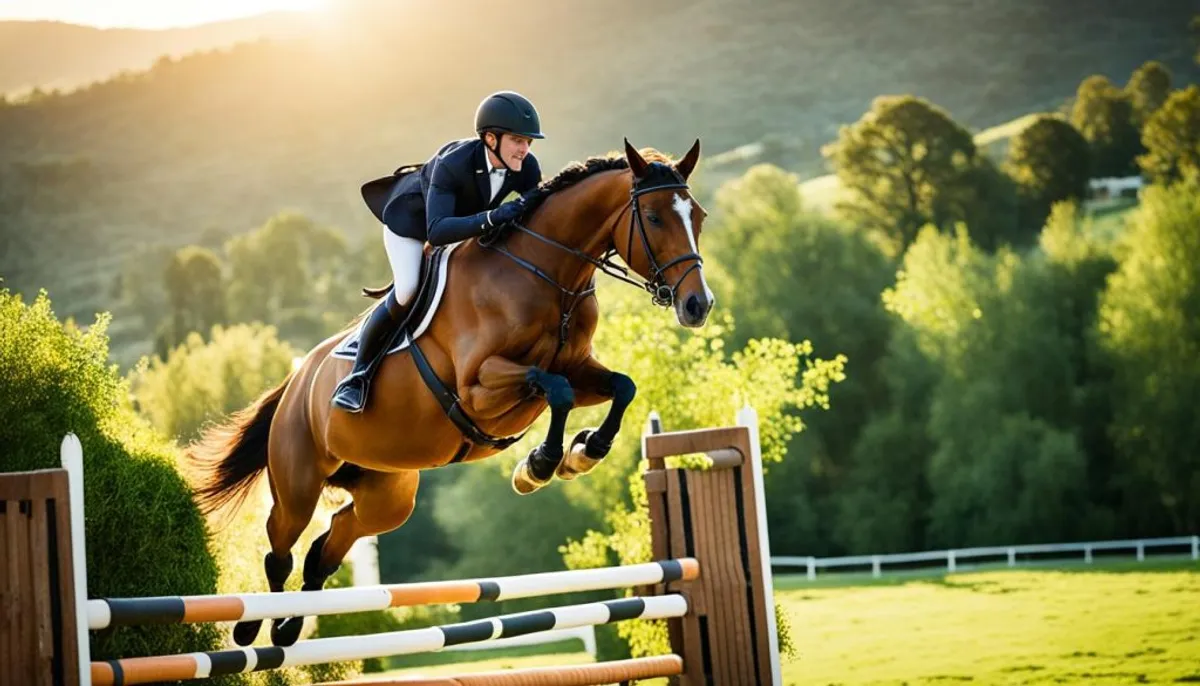
Show jumping is one of the most well-known and spectacular equestrian disciplines. It consists of overcoming obstacles of varying heights. The rider and their horse must harmonize to succeed without faults.
Dressage
Dressage is a discipline where the rider and horse must perform a program of codified exercises with precision and fluidity. They must demonstrate their complicity through controlled movements. It is an exercise that highlights communication between the rider and their mount.
Eventing (CCE)
Eventing (CCE) is a discipline that combines several tests: dressage, cross-country, and show jumping. The rider must be versatile and control their horse well. It is a test for horse-rider pairs.
These equestrian disciplines captivate with their beauty and elegance. They offer a unique experience for riders and their horses.
The Physical Benefits of Equestrianism
Practicing equestrianism regularly improves muscle tone. This concerns the legs, buttocks, back, abdominal muscles, and arms. The rider must exert light and controlled pressure on their horse. This maintains constant muscle tonicity.
Improves Muscle Tone
Equestrianism engages many muscle groups. The rider must maintain balance and proper posture. This constantly engages the muscles.
- Strengthening of the leg and buttock muscles
- Toning of the back and abdominal muscles
- Development of arm and shoulder musculature
Strengthens Balance and Posture
Equestrianism also strengthens balance and posture. Controlled weight shifts help the horse and improve the sense of balance. Good posture is crucial for sitting properly in the saddle and communicating with the horse.
| Physical Benefits of Equestrianism | Details |
|---|---|
| Improvement of Muscle Tone | Strengthening of the leg, buttock, back, abdominal, and arm muscles |
| Strengthening of Balance and Posture | Development of the sense of balance and appropriate posture in the saddle |
What is equestrianism? Discover this sport!
Do you enjoy leisure riding or competitive riding? There are plenty of equestrian disciplines to try, such as show jumping or dressage. It is a sport that enhances your physical and emotional qualities. You will also learn to better understand your horse.
The stables are there to help you, whether you are a beginner or a pro. They guide you towards the joys of equestrianism.
The most well-known equestrian disciplines are:
- Show jumping
- Dressage
- Eventing
Whether you are starting out or experienced, equestrianism awaits you. Find a nearby stable. The pros will guide you towards new discoveries.
| Equestrian Disciplines | Description |
|---|---|
| Show Jumping | Event of overcoming obstacles of varying heights and difficulties. |
| Dressage | Event of mastering the horse's gaits and movements. |
| Eventing | Combination of several disciplines (dressage, cross-country, show jumping). |
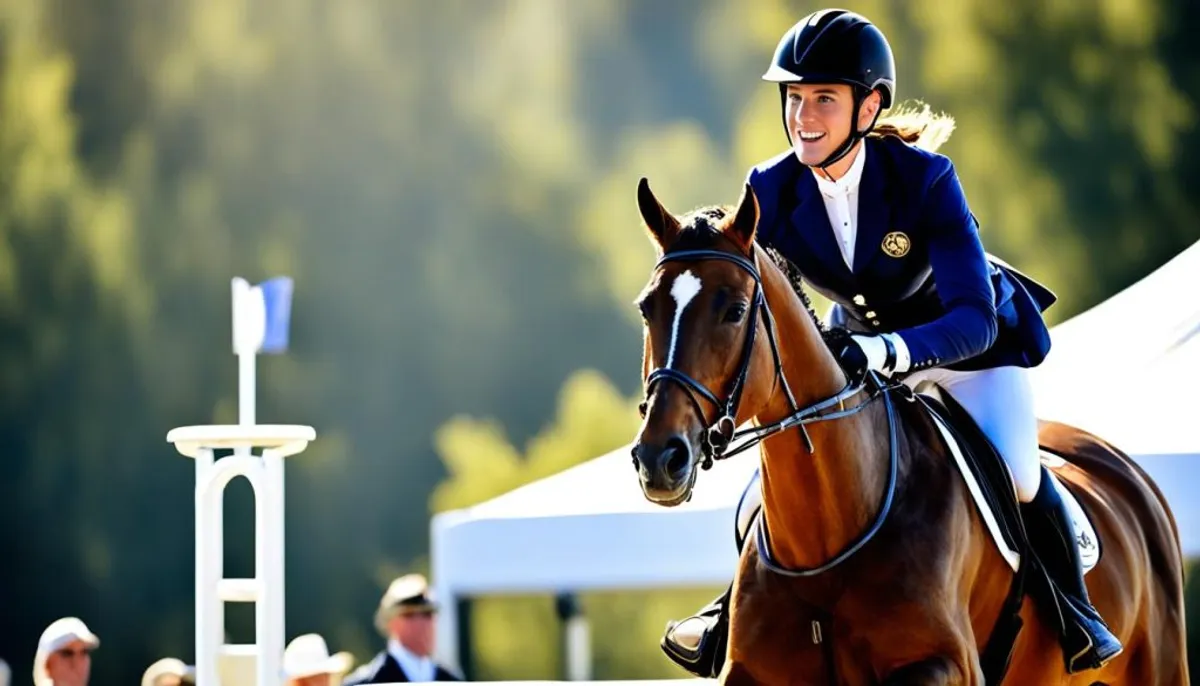
Equestrianism is a rich and varied sport. Whether you are looking for a moment of relaxation or a challenge, you will find your happiness. Join a stable for a unique experience with your horse.
The Emotional Dimension of Equestrianism
Equestrianism is more than just a physical sport. It has a very important emotional aspect. The rider must observe their horse and control negative emotions. This helps avoid transmitting them to the horse.
It is essential to identify the emotions of both the horse and oneself. Staying calm and attentive is crucial for building mutual trust.
Learning to Manage Emotions
Self-control is essential in equestrianism. The rider must control their emotions to avoid stressing the horse. Soothing communication is key for the safety and well-being of the horse.
Developing Empathy with the Horse
Equestrianism helps understand the horse, an emotional animal. The rider must learn its language and behavior. This creates the necessary communication and complicity for success.
Equestrianism requires emotional mastery from the rider. Managing one's emotions and understanding the horse are crucial for success and safety.
Precautions and Contraindications
Equestrianism is an exciting sport, but caution is necessary. Certain medical conditions may increase the risk of injury. It is crucial to consult a doctor before starting.
Epilepsy, Coagulation Disorders, Allergies
If you have epilepsy, coagulation disorders, or allergies to animal hair, equestrianism can be dangerous. These conditions can lead to serious accidents. Therefore, it is essential to talk to a doctor before starting.
Controlled Back Problems
Back problems are not necessarily a contraindication to equestrianism. In fact, equestrianism can help strengthen the back. However, avoid it if you have scoliosis or excessive curvature. Consult a healthcare professional to be sure.
| Common Contraindications | Less Common Contraindications |
|---|---|
|
|
In conclusion, talking to a doctor before starting equestrianism is crucial. This avoids injuries and allows you to fully enjoy this sport.
Preventing Risks and Accidents
For equestrianism, good technical learning is crucial. You must learn the basics to sit in the saddle and guide your horse. This is even more important for competitions.
Essential Technical Learning
Before riding, comprehensive training is essential. Qualified instructors teach the basic techniques. This includes:
- The rider's position on the horse
- The aids to guide the horse (reins, legs, weight)
- The reflexes to adopt in delicate situations
- Managing unexpected situations and emergencies
This learning provides the necessary skills to be safe, whether on a ride or in competition.
Wearing Safety Equipment
Wearing a safety helmet, also known as a "bump cap," is mandatory to avoid head injuries. In competition, a reinforced back protector is also necessary. It is important to regularly check your equipment (reins, saddle, stirrups, etc.) to avoid risks of falls or injuries to the horse.
| Safety Equipment | Importance |
|---|---|
| Safety Helmet | Prevents head injuries |
| Reinforced Back Protector | Protects the spine in competition |
| Equipment Check | Prevents risks of falls or injuries to the horse |
Conclusion
Equestrianism is a sport that blends sport, learning, and emotion. Whether for fun or competition, it brings numerous benefits. It strengthens the body and mind while creating a strong bond with the horse.
Whether you are a beginner or experienced, equestrianism improves your balance and strength. It is a sport that helps better control your emotions and understand your horse.
By following the advice and using safety equipment, equestrianism is accessible to everyone. It is practiced in a healthy and joyful environment. So, embark on this adventure and discover the joys of equestrianism.
FAQ
What is equestrianism?
Equestrianism is a sport that involves performing exercises on a horse or pony. It has become a recognized sport, represented at the Olympic Games. The French Equestrian Federation brings together enthusiasts of this sport.
Riding a horse requires physical and technical skills. It improves breathing, muscle tone, and coordination.
What can I discover in equestrian disciplines?
You can choose between show jumping, dressage, or eventing. These disciplines develop physical and emotional qualities. Clubs and stables welcome you to get started.
What are the physical benefits of equestrianism?
Equestrianism strengthens muscle tone, especially in the legs and back. It also helps strengthen balance and posture. Controlled movements enhance the sense of balance.
What are the emotional aspects of equestrianism?
Equestrianism teaches how to manage emotions and understand the horse. The rider must observe their horse and control their emotions for a trusting relationship.
Are there contraindications to equestrianism?
Some medical conditions, such as epilepsy, may be contraindications. It is advisable to consult a doctor before starting. Back problems may require medical consultation.
How to prevent risks and accidents in equestrianism?
A technical learning is crucial for safety. You must learn the basic gestures and wear a safety helmet and a reinforced back protector in competition. Regularly checking the equipment is also important to avoid injuries.