
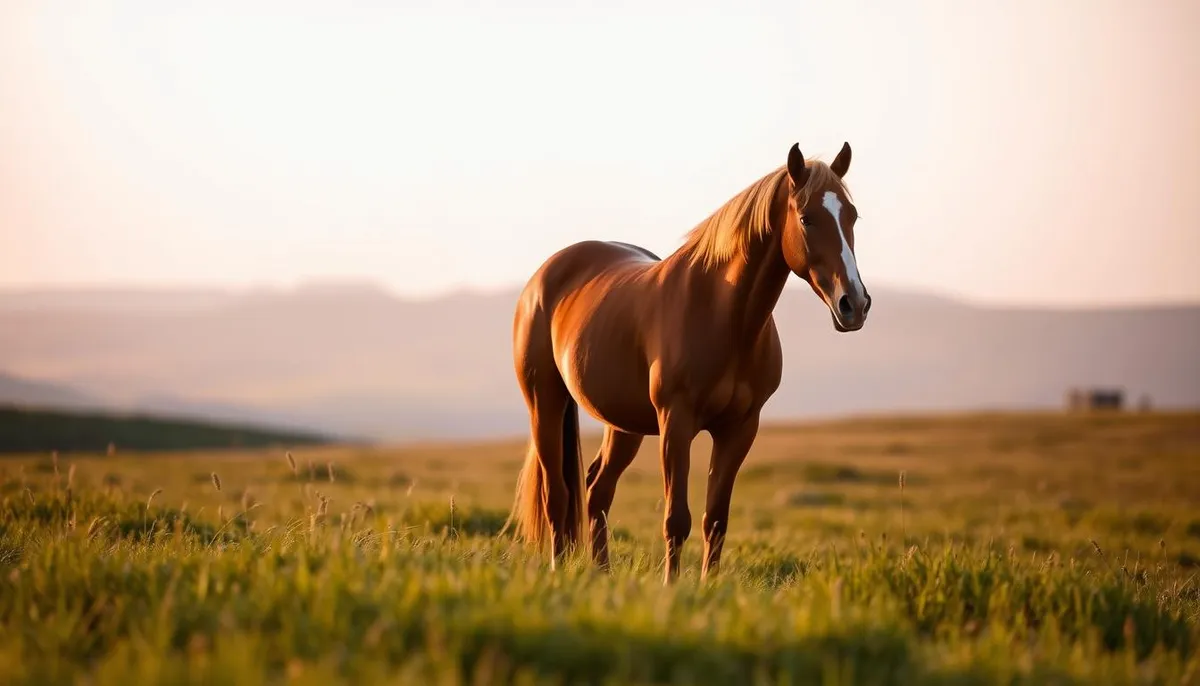
The chestnut horse is known for its beautiful reddish coat. This guide is perfect for those who want the best for their equines. It offers advice on how to care for your horse, from daily life to competitions.
The secret of its color comes from a specific gene that prevents black color from developing. You will see chestnuts with different shades, from light to dark. This color is found in many breeds, such as the Haflinger and the Thoroughbred.
In a stable, there are a few simple rules to follow. Make sure your horse has enough hay and grains. Add minerals to its diet and do not neglect grooming. Protect it from the sun and consult the veterinarian regularly. Baloubet du Rouet shows that a good routine can work wonders.
Key Points
- Chestnut coat: uniform reddish shade without black, with many nuances.
- Genetic basis: Extension gene in e/e, expressing red pigment.
- Marked presence in multiple breeds and disciplines in France.
- Horse care in stable: feeding, minerals, grooming, bathing, sun protection.
- Essential prevention: regular deworming and veterinary check-ups.
- Sporting reference: Baloubet du Rouet illustrates the excellence of a well-managed program.
- Goal of the comprehensive guide: well-being, coat shine, and performance of equines.
Understanding the Chestnut Coat and Its Shades
The chestnut coat is easily recognized by its uniform reddish color, from nose to tail. The mane and tail also remain reddish and never turn black. The term “chestnut” originates from the old French “alazan,” derived from the Spanish “alazán.”
In terms of horse genetics, the color comes from the Extension gene e/e. This gene prevents the appearance of black pigment. If both parents are chestnut, their foal will also be chestnut. If one parent has the Ee gene, the foal has a one in two chance of being chestnut.
Phenotypic and Genetic Definition of Chestnut (Extension gene e/e)
The chestnut is recognized by its uniform reddish body, with no black on the extremities. It is the genotype ee that blocks black pigment, hence the absence of black. On the other hand, horses EE or Ee are not chestnut, but Ee can produce a chestnut foal.
Some genes modify this color. The Cream gene lightens the chestnut, giving rise to a palomino, for example. The flaxen gene makes the mane and tail lighter, providing particular shades while maintaining the chestnut base.
Difference Between Chestnut, Bay, Palomino, and Other Coats
The bay has a brown or reddish body with black mane and legs, different from the chestnut. The palomino has a golden or cream coat and white hairs, while the light chestnut has reddish hairs.
Coats like the roan and the gray have unique mixes of white and red or red and black. The isabella has shades of coffee with milk and black hairs. These details help to distinguish different horse breeds.
Variations in Shades: Light Chestnut, Copper, Dark, Burnt, Washed Hairs, Roan
Light chestnuts appear golden and shiny. The copper ones have a vibrant and attractive reddish color. The dark ones have chocolate shades, while the burnt ones have a smoky appearance.
The washed hairs give lighter manes and tails, sometimes honey or ivory colored. Beyond the palomino, due to the cream dilution, the roan presents a lovely pinkish veil. These variations contribute to the exceptional diversity of horses while maintaining their genetic base with the Extension gene e/e.
Horse Breeds and Disciplines Where Chestnuts Excel
The chestnut is popular in many horse breeds. It is appreciated in breeding for its beautiful coat and reliable genetics. Chestnut horses stand out in both sports and work.
They can be found everywhere, in France and beyond, in classical and western riding.
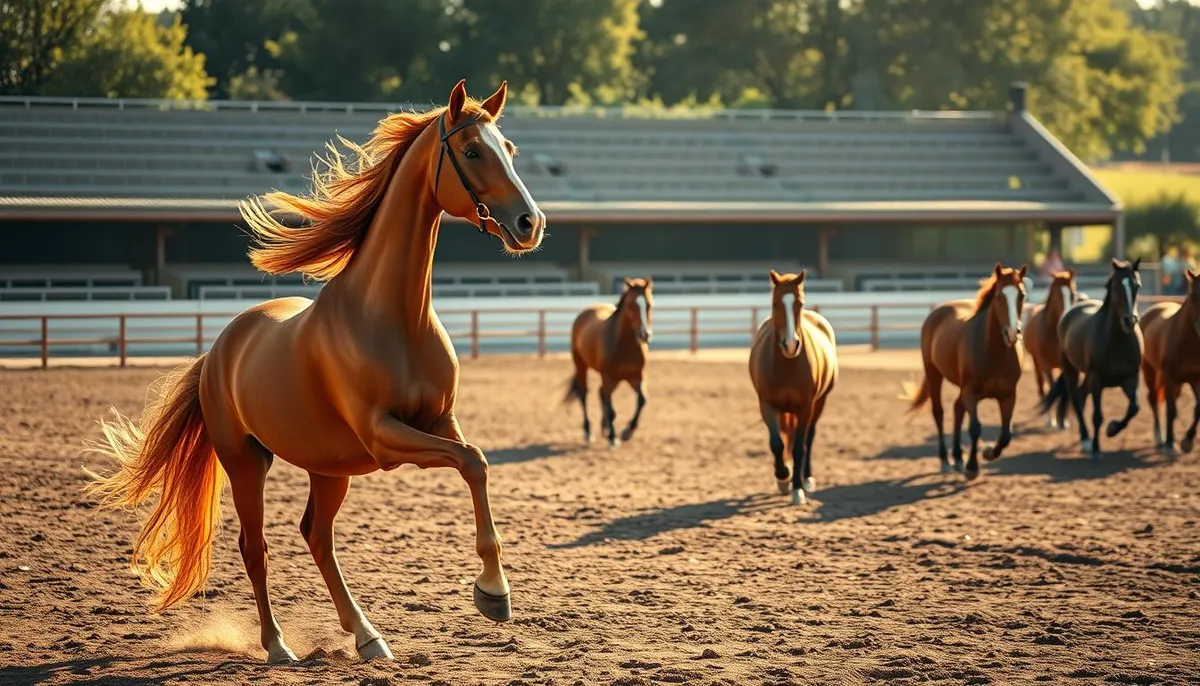
Strongly Represented Horse Breeds: Haflinger, Suffolk Punch, Ardennais, Comtois, Quarter Horse
The Haflinger is almost always chestnut in color, with a beautiful light coat. The Suffolk Punch, Ardennais, and Comtois are also often chestnut. They are perfect for pulling heavy loads.
Many Quarter Horses are chestnut. They excel in western riding, particularly in reining and cutting. These breeds show why the chestnut coat is so sought after.
Sport Horses: Selle Français, Thoroughbred, and Presence in Show Jumping, Dressage, Western Riding
The Selle Français and the Thoroughbred are often chestnut. They are seen in jumping competitions, dressing, and races.
Their conformation is ideal for equestrian sports. In western riding, their agility and responsiveness are valuable.
Temperament and Versatility: Beliefs vs. Reality of Behavior
Some believe that chestnut horses are more fiery. But in reality, their temperament depends on the breed, upbringing, and training.
Good preparation reveals a reliable and versatile horse. They excel in both competition and leisure.
Iconic Example: Baloubet du Rouet in Show Jumping
Baloubet du Rouet is a famous chestnut Selle Français. Ridden by Rodrigo Pessoa, he shone in show jumping. His successes prove the potential of chestnut horses at the highest level.
| Breed | Chestnut Coat (Frequency) | Main Uses | Discipline/Work | Key Strengths |
|---|---|---|---|---|
| Haflinger | Very frequent | Leisure, trail riding | Outdoor riding | Endurance, docility |
| Suffolk Punch | Majority | Draft, harness | Agricultural work | Power, sobriety |
| Ardennais | Very frequent | Draft, harness | Pulling, logging | Strength, calmness |
| Comtois | Very frequent | Draft, harness | Leisure driving | Hardiness, reliability |
| Quarter Horse | Frequent | Western | Reining, cutting | Responsiveness, maneuverability |
| Selle Français | Common | Sport | Show jumping, dressing | Power, respect for jumps |
| Thoroughbred | Common | Racing, sport | Flat, jumps, dressing | Speed, endurance |
Feeding and Coat Care for Lasting Shine
A well-fed horse has a healthy coat. It should be given enough hay and allowed to graze. Depending on its age, shape, and activity, its diet should be adjusted. Sport horses need oats, barley, or corn, dosed according to their effort.
Mineral supplements are essential for skin and hair. Copper and zinc help hooves, hairs, and make the coat shiny. Adding biotin and specific trace elements promotes strong growth and intense color.
A methodical grooming is crucial to remove dust and sweat without harming the natural protection of the skin. Use water when possible and rinse well. Body parts exposed to the sun require special attention.
Tip: Start with a soft curry comb, then a brush, and finish with a soft brush. Between grooming sessions, a damp cloth can make the coat shine.
| Key Element | Main Role | Concrete Guidelines | Impact on Coat Health |
|---|---|---|---|
| Hay and Grazing | Fiber intake, digestive hydration, satiety | Quality hay available, dry but not dusty | Regular coat, fewer flakes, and better shine |
| Grains (oats, barley, corn) | Energy for effort | Portion according to exercise, split meals | Maintaining condition without excess, smoother and tighter coat |
| Mineral Supplements | Micronutritional balance | Daily CMV adapted to forage | Stable color, limited hair loss during shedding |
| Copper and Zinc | Keratine synthesis, immunity, hair quality | Controlled Cu/Zn ratio according to diet | Dense hairs, clear reflections, and stronger hooves |
| Biotin | Support for horn and hair | 2 to 3 month treatments | Softer texture and regular growth |
| Stable Care | Hygiene of hair and skin | Progressive grooming, careful washing and rinsing | Durable shine and soothed skin |
| Sun Protection | Prevention of sunburn | Sunscreen on pink-skinned areas, shading | Uniform coat, no irritations or depigmentation |
By focusing on a diet rich in hay and grazing, plus minerals like copper and zinc, and a simple care routine, the shine of the coat remains all year round.
Daily Stable Care: Grooming, Bathing, and Tack
Caring for horses helps them stay calm at work. A clear care routine in the stable improves their performance and protects their skin. Choosing the right equipment in tack is crucial.
Grooming Routine: Curry Comb, Brush, Soft Brush, Damp Cloth
Start with the curry comb, making circular motions on the body. Do not touch the head or legs. This helps remove sweat and dust.
Then use the brush to remove dust. Gently brush the legs and tail from the base to the tips.
Finish by smoothing the coat with a soft brush and gently clean the head. A damp cloth cleans the eyes and nostrils for a beautiful finish.
Effective and Safe Bathing: Warm Water, Suitable Shampoo, Rinsing, and Drying
Use warm water and check the weather to avoid cold. Hold the horse's head firmly while bathing, unless it is used to long lines.
Wet it well, then apply a diluted specific shampoo. Avoid the head if it is sensitive and rinse well. Remove excess water with a sweat scraper.
Depending on the weather, use a drying blanket or dry the horse in a sheltered area. This is part of the essential care before training.
Making the Coat Shine and Maintaining Mane and Tail (Detanglers, Trimming, Competition Tips)
A product like Laser Sheen gives shine and detangles. Spray it on and then gently comb to avoid damaging the hairs.
To trim the tail, make sure it does not drag. Lift it to adjust its length. It should not be too long while moving.
A towel wipe removes dust before a competition. These small gestures matter a lot in competition and dressage.
Preventions: Sun Protection for Pink-Skinned Areas, Veterinary Follow-Up, and Deworming
Apply sunscreen to sensitive areas like the white markings. This prevents irritations after bathing.
A regular deworming program and veterinary follow-ups ensure the horse's health. These preventive actions are essential to avoid skin problems.
Quality Tack and Equipment for Comfort at Work and in Training
Well-fitted equipment is essential for the comfort and performance of the horse. Ensure that the saddle and bridle are well suited.
Choose breathable pads and well-fitted leg protection. Good equipment makes care easier and improves the consistency of grooming.
Chestnut Horse: Genetics, Horse Breeding, and Prevention
The chestnut color of a horse comes from its genetics. The ee code is necessary for this. If both parents are chestnut, their foal will also be chestnut. If one parent has the Ee code, there is a 50% chance of having a chestnut foal. A horse with the EE code will never be chestnut. This information helps better plan the breeding of horses.
There are genes that can slightly change the chestnut color. The Cream gene can give palomino or cream horses. The flaxen gene makes the hairs lighter, which is highly prized. These characteristics do not harm the horses' health, but it is good to know them.
Breeds like the Haflinger, Ardennais, and Suffolk Punch show many chestnut horses. Quarter Horses, Selle Français, and Thoroughbreds are also often chestnut. They excel in jumping, dressage, and work. What a horse can do does not depend on its color.
Caring for a horse's health includes regular deworming, veterinary visits, and protecting its skin. Providing copper, zinc, and biotin helps maintain strong hairs and hooves. It also helps keep their coat beautiful.
| Key Point | Practical Details | Impact on Breeding | Impact on Equine Health |
|---|---|---|---|
| Chestnut Genotype (ee) | Two recessive alleles needed to express the chestnut coat | Two chestnuts -> 100% chestnut; parent Ee -> 50% chestnut; EE never chestnut | No direct effect, useful for anticipating variability in foals |
| Cream Dilution | One copy on a chestnut base can give palomino; two copies, cream coat | Targeted choice of stallion or mare according to color goal | No specific risk, increased skin monitoring in summer |
| Flaxen Gene (Washed Hairs) | Lightens mane and tail, appreciated contrast in competitions | Variable transmission, to be integrated into the breeding plan | Enhanced hair maintenance to limit breakage |
| Racial Prevalence | Haflinger, Ardennais, Comtois, Suffolk Punch; many subjects in Quarter Horse, Selle Français, Thoroughbred | Large genetic reservoir for work and sport breeding | Standardized prevention programs according to discipline |
| Prevention and Follow-Up | Planned deworming, veterinary visits, UV protection for pink-skinned areas | Fertility protected through parasite management and balanced nutrition | Intakes of Cu, Zn, biotin for healthy coat and optimal recovery |
| Breeding Priorities | Selection based on temperament, locomotion, aptitude, training | The chestnut coat is an aesthetic plus, not a performance criterion | Well-being optimized by choosing calm and easy-to-manage subjects |
High-Quality Equipment and Tack Tips
For a horse that works or does dressage, comfort, precision, and aesthetics are key. Quality equipment protects the horse's skin and helps the rider maintain proper posture. It also helps keep the horse's coat shiny by reducing friction.
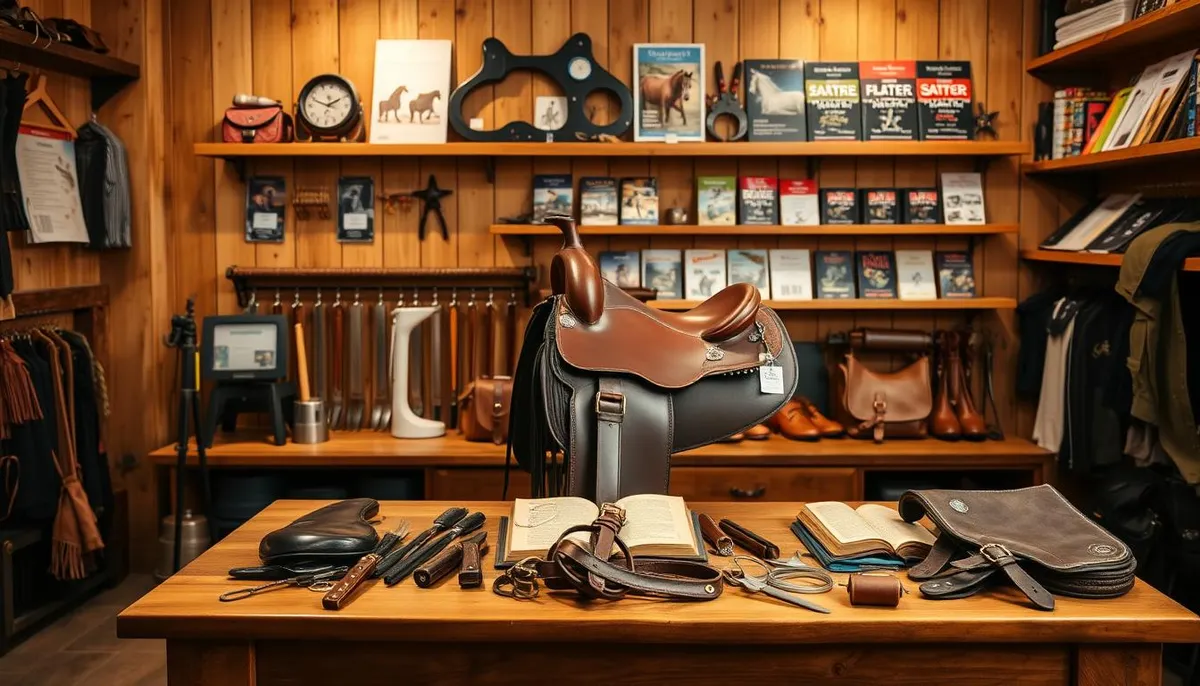
La Sellerie Française: Made in France products, custom or limited series
La Sellerie Française manufactures its products in France, from start to finish. They guarantee unique, handmade items crafted by skilled artisans. Their high-quality leathers, breathable linings, and meticulous finishes make the equipment durable, safe, and effective.
This approach ensures excellent quality. Each step of the process is carefully controlled. Thus, the equipment is stable and precise, respecting the horse during training.
Choosing Tack Suitable for the Saddle Horse and Discipline
The saddle must match the horse's shape. For dressage, a saddle with a centered seat is ideal. It stabilizes the rider's leg while allowing the horse's shoulders to move freely.
In show jumping, it is important to have good balance and pressure distribution. For western riding, the equipment must distribute weight over a large surface. Equipment like bridles and bits should be soft and suitable for the horse-rider pair.
Impact of Well-Fitted Equipment on Comfort, Locomotion, and Coat
A good fit prevents irritation and promotes good circulation under the saddle. This allows the horse to move better and relax. In dressage, it makes movements smoother.
Moreover, less friction protects the horse's coat. Regular maintenance of equipment maintains its quality and protects the horse's skin. With the right gear, the rider and horse can progress together.
- Quick Tips: check the arch and channel of the saddle each season.
- Use breathable and properly fitted pads.
- Alternate pressure points with suitable pads, without unnecessary thickness.
Conclusion
The chestnut horse charms us with its beautiful reddish color. It can be light, copper, dark, or even burnt. Its beautiful mane can be washed hairs or roan. But this diversity of colors does not impact its character.
The horse's abilities depend more on its training. Baloubet du Rouet is a perfect example of success.
The chestnut can be found in many breeds like the Haflinger and the Thoroughbred. It excels in various disciplines: show jumping, dressage, western, and driving. This makes it a versatile partner for both the rider and the breeder.
Good care is crucial to maintain their beauty. It requires healthy food, hay, and grazing. Adjusting grains according to activity and using biotin, copper and zinc for their well-being is essential.
Good coat maintenance requires regular grooming and warm baths. It is also important to dry carefully and protect sensitive areas from the sun. Don’t forget deworming and veterinary visits.
Proper equipment is important. Good tack improves the comfort and health of the horse. In France, La Sellerie Française offers quality equipment.
By combining nutrition, hygiene, training, and good equipment, the chestnut can reach its maximum potential. No matter the equestrian discipline.
FAQ
How to recognize a chestnut horse at first glance?
A chestnut has a reddish coat all over, including the mane and tail, without black. Uniformity is essential. It differs from the bay which may have black.
What is the genetic basis of the chestnut?
The genetic code of the chestnut is ee at the Extension locus. This prevents black and shows red. Chestnut parents will always have a chestnut baby. An Ee parent has a 50% chance of having a chestnut baby.
What shades exist in chestnuts?
Chestnuts can be light, copper, dark, burnt, with washed hairs, or roan. Special genes change their look, like Cream and flaxen.
Chestnut, bay, palomino, isabella… how to tell the difference?
Bays have brown/reddish bodies and black on the extremities. Palominos are golden with light hairs. Isabellas have a coffee-colored body and black hairs. Chestnuts have no black.
Which horse breeds have many chestnuts?
Haflinger, Suffolk Punch, Ardennais, Comtois, and some Quarter Horses are often chestnut. Also common in Selle Français and Thoroughbreds, especially in competitions.
Does the chestnut have a "fiery" temperament?
No, that’s a myth. Temperament depends on the individual and its upbringing, not its color. Breeders seek quality and health before color.
An example of a high-level chestnut in sport?
Baloubet du Rouet, a chestnut Selle Français and Rodrigo Pessoa have won the World Cup three times. Their success shows that color does not affect performance.
What diet for a beautiful coat shine?
Feed hay, grains like oats according to activity. Minerals and copper zinc help hooves and coat. Biotin and balanced CMV are good too.
How to structure daily grooming in the stable?
Start with the curry comb, then the brush to remove dust. Finish with a soft brush and a damp cloth. This maintains the skin and enhances the chestnut coat.
What precautions for bathing a chestnut?
Choose a good day. Use warm water and horse shampoo. Avoid the head, rinse well. Dry with a blanket.
How to make the coat, mane, and tail shine?
Use detanglers like Laser Sheen. Start at the tips. Trim the tail neatly. For competitions, a towel wipe just before showing.
Is the chestnut more sensitive to the sun?
The color does not matter, but areas with pink skin are at risk. Use sunscreen and check for irritations. Consult the veterinarian regularly.
What tack to prioritize for a chestnut saddle horse?
Ensure that the tack does not rub. The saddle depends on your sport. Take care of your equipment.
Where to find high-end tack made in France?
La Sellerie Française has equipment made by artisans in France. Well-fitted, they improve movement and comfort.
What genetic implications for breeding chestnut horses?
To have chestnuts, use the genotype ee. An Ee breeder has a one in two chance. The Cream and flaxen genes can change color and hairs.
How to distinguish a light chestnut from a palomino on the ground?
The light chestnut has reddish to blond hairs. The palomino is golden with almost white hairs. Look at the skin and overall color.
What disciplines suit chestnuts well?
They do everything well: jumping, dressage, western, pulling. Chestnut Selle Français and Thoroughbreds shine in competition.
What supplements to support the quality of the coat?
Take biotin, copper and zinc for hooves and shine. A good diet and regular care help too.