
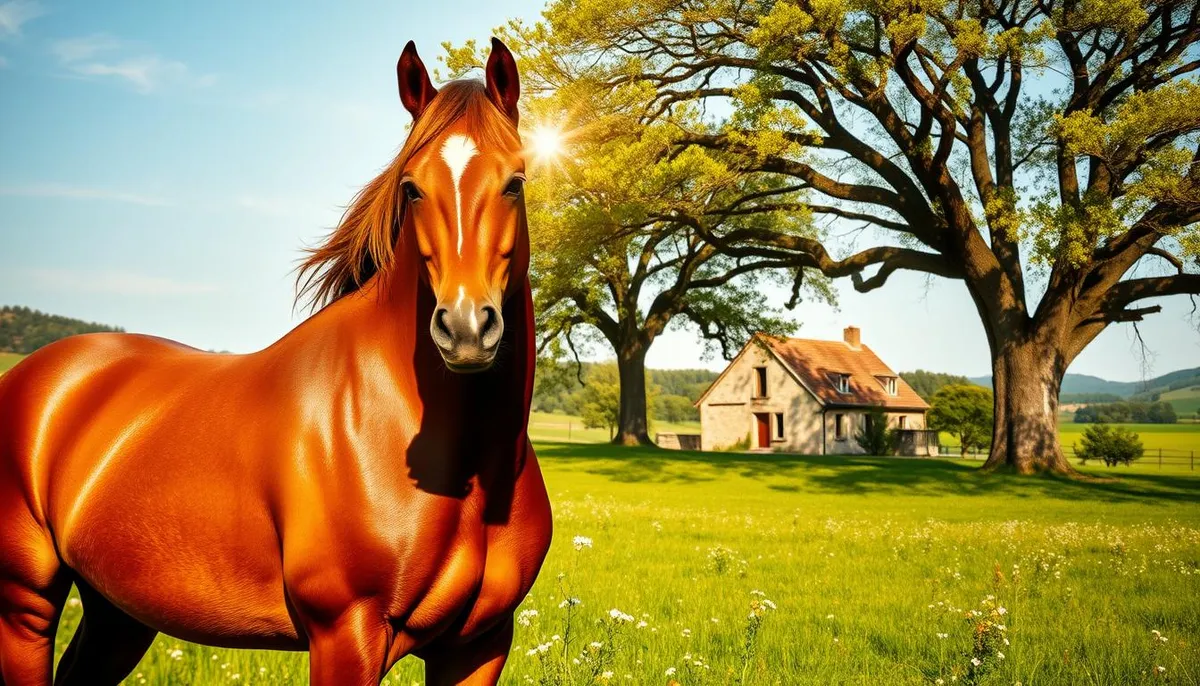
The French horse symbolizes a France driven by its equestrian culture, expertise, and human exchanges. It is at the heart of activities such as breeding, shows, sports, and tourism. Thus, it represents a rich equestrian heritage, extending from the plains of Normandy to the marshes of Camargue.
Cheval Passion, orchestrated by Avignon Tourism and the City of Avignon, is a flagship event. It brings together riders, breeders, and enthusiasts. This event benefits from the support of numerous partners, such as Grand Avignon and the Vaucluse Department. It highlights the professions in the sector and their objectives.
Within this universe, equestrian sites like manades and studs play a key role. They offer training, hospitality, and knowledge transfer. Clubs, breeders, and institutions collaborate to encourage breeding and promote equestrian tourism.
This exploration reveals the history, regions, and equestrian competitions. It emphasizes the importance of the French horse, its quality equipment, and its iconic locations. This is how the passion for horses transforms into a major economic and cultural project.
For a better experience on equestrian sites, a message may suggest disabling ad blockers and accepting cookies. This helps media and enriches navigation.
Key Points
- A cross-sectional view of the French horse, between horse breeding and equestrian culture.
- Cheval Passion in Avignon as a driving force for the animation and promotion of equestrian heritage.
- A network of stakeholders: breeders, manadiers, clubs, institutions, and equestrian sites.
- A real economic and tourist impact for equestrian territories in France.
- Transmission of know-how and skill enhancement throughout the industry.
- Upcoming focus on competitions, equestrian tourism, and premium equipment.
French Horse: History, Heritage, and Characteristics
From the plains of Camargue to the Norman studs, France cultivates a rich equestrian heritage. The history of the French horse is marked by the terroir, professions, and their practices. Each horse breed carries the imprint of a region, an art, and a function.
History of the French Horse and Major Horse Breeds
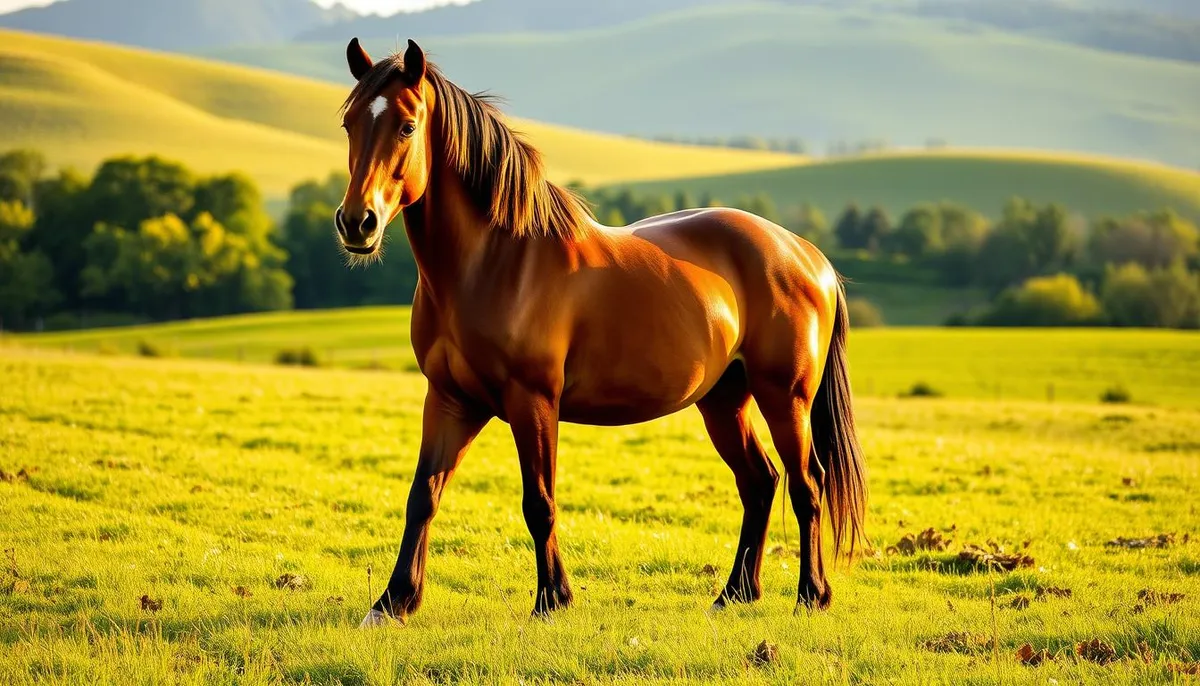
The diversity of horses, from Camargue to Brittany, comes from local breeding, the army, and trade. The National Studs in Normandy played a significant role since the Ancien Régime. The manades in Occitanie have preserved rustic horses, perfect for marshes and bull herding.
Organizations like the FFE and the IFCE promote our equestrian heritage. Cheval Passion is an example of this promotion, supported by several entities including Avignon Tourism. It is an event that unites heritage, spectacle, and knowledge sharing. It brings together breeders, riders, and fans around the love of horses.
Characteristics of the Horse and Specifics of the French Saddle Horse
Horses are evaluated by their appearance and performance: their shape, movement, endurance, and calmness. Observing balance, mobility, and flexibility is essential. Intelligence and trust are also important for their training and comfort outdoors.
The French saddle horse is known for its ability to excel in multiple disciplines. The FFE and the IFCE set standards to align genetics and practice. This approach helps riders choose their direction, from the beginning to the international level.
The Role of Equestrian Clubs and Equestrian Sites in France
Each equestrian club introduces individuals to the equestrian world, from basic care to qualifications. It teaches rules, safety, and respect for animals. It allows learning locally while aiming for excellence.
Equestrian sites organize events that link culture, tourism, and sport. Events like Cheval Passion boost tourism and the local economy. They connect farmers, athletes, and spectators, enriching the equestrian world.
| Terroir/Institution | Equestrian Asset | Concrete Example | Benefit for the Horse Breed |
|---|---|---|---|
| Normandy | Selection and tradition of studs | Haras du Pin, young horse circuits | Improvement of the model and sporting abilities |
| Camargue | Rusticity and versatility outdoors | Manades and mounted work in wet environments | Preservation of lines adapted to the terroir |
| FFE / IFCE | Standards, training, stud-books | Federal exams, quality benchmarks | Dissemination of standards and clarity of horse characteristics |
| Equestrian Clubs | Access, learning, regular practice | Initiation, improvement, certifications | Orientation towards the French saddle horse and disciplines |
| Equestrian Sites | Hosting events and competitions | Cheval Passion, fairs, competitions | Visibility of lines and interactions with the public |
Horse Breeding in France: Practices, Terroirs, and Equestrian Tourism
Salt plains and garrigues are the backdrop for horse breeding. This creates vibrant landscapes, blending traditions and innovation. Equestrian tourism offers safe routes, rooted in reality, with a central focus on working equitation.
Horse Breeding in Camargue and Occitanie: Traditions and Know-How
In Camargue and Occitanie, breeding is done outdoors, adapted to wet and dry areas. The Camargue horse, robust and agile, is used for working with bulls. This shows a working equitation that respects the environment.
The regions offer discovery circuits, initiations, and exciting stays. Visitors can see herd management and learn about sustainable breeding. This approach helps understand equestrian breeding in the local economy.
Cheval Passion and Supporting Breeders Towards Tourist Reception
Cheval Passion supports breeders from various regions to develop tourist reception. They learn to create workshops, conduct diagnostics, and network. Thus, they transform equitation into a unique experience for tourists.
The proposed activities generate additional income while preserving the authenticity of the farm. They promote the sharing of know-how and secure agriculture. A direct link is created between breeders and visitors.
ATE and Professionalization: Federal Diplomas Issued by the FFE
A dozen manadiers have received the ATE, a professional diploma. Awarded by the French Equestrian Federation, it is recognized at the national level. The diploma ceremony took place at Cheval Passion in 2023, bringing together various stakeholders in the sector.
This diploma certifies important skills such as knowledge of the terrain and safety. It ensures quality equestrian tourism, in line with breeding methods.
The Guide to Working Equitation 2024 and Institutional Support
In 2024, Cheval Passion will publish a guide to promote working equitation. Supported by numerous organizations, this initiative aims to promote equestrian activities related to breeding. The goal is to highlight the quality of reception and respect for the horse.
The local Chambers of Agriculture also support this project. They unite to strengthen a common vision between Occitanie and Camargue. This partnership highlights reception, safety, and respect for animals.
Equestrian Competitions and Culture: From Spectacle to Sporting Performances
The arenas and riding schools blend culture and equestrian performance. Shows introduce working equitation and competitions. The public thus explores the French horse from many angles.
Cheval Passion is the link between these worlds. This event is organized by Avignon Tourism, the City of Avignon, and supported by several partners. It brings together breeders, riders, and brands around a common passion.
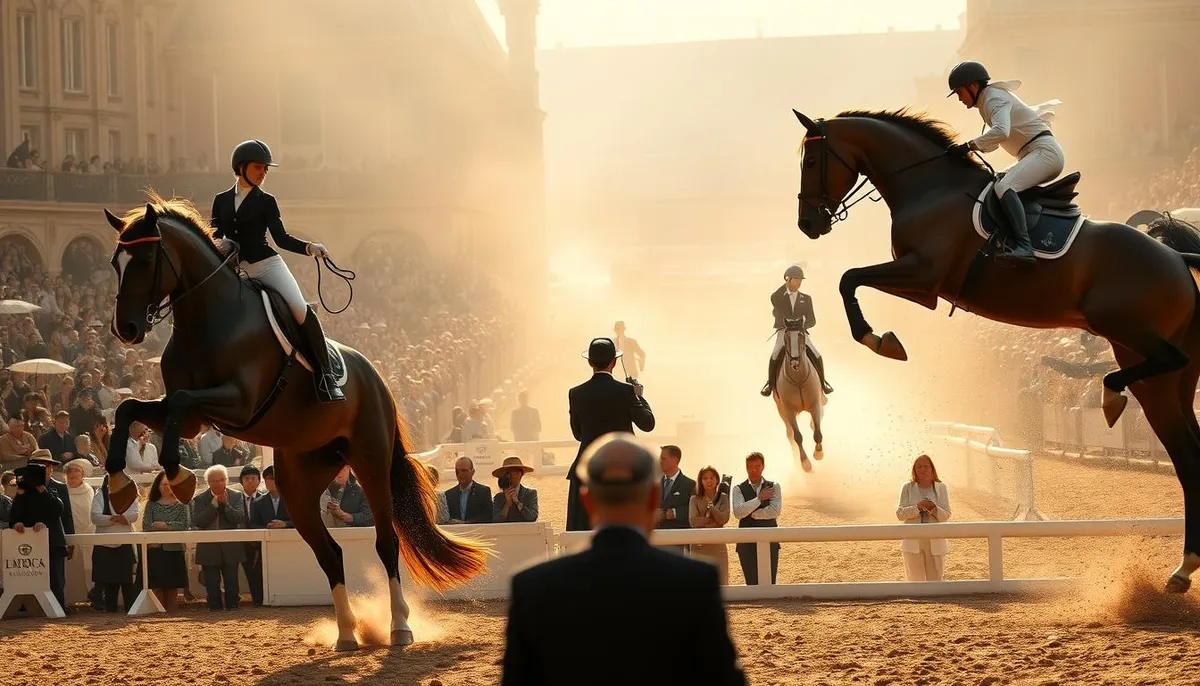
Clubs and equestrian sites come alive throughout the year. Night shows and carousels spark interest in equitation. Meanwhile, initiatives promote the French horse internationally.
- Cultural-sport bridge: equestrian shows, animations, and sports finals on the same program.
- Enhanced visibility of breeds and know-how, supported by the IFCE and regional networks.
- Local benefits: attendance at equestrian sites, growth in tourism, skilled jobs.
From the track to the stands, visitors meet professionals. Competitions boost the reputation of the French horse. They nourish a modern, rooted, and open equestrian culture.
Horse Care and High-End Equipment
The French horse requires special care, whether in its stall, in the paddock, or in the arena. Care, saddlery, and French equipment help maintain its shape and appearance, in competition or in shows. Advice from the FFE and the expertise of artisans help maintain these standards every day.
Daily Horse Care: Well-Being, Nutrition, Preparation
Hygiene, careful grooming, and foot cleaning keep the horse active and happy. A good diet with quality hay and clean water provides energy.
Gentle warm-ups before exercise and stretching are beneficial. Afterwards, walking and a warm shower help relax. These care practices follow the FFE guidelines.
Saddlery and Equipment Made in France
Good saddlery combines comfort and durability. French workshops use quality leather, with hand-stitched seams. This equipment meets the needs of riders and equestrian centers.
Thanks to this, high-quality equipment allows the rider to remain stable and the horse to move freely. This reduces pressure and improves movement.
The French Saddlery: Custom Products and Limited Series 100% Made in France
The French Saddlery creates custom saddles and accessories made by French artisans. Each piece is designed to fit the horse perfectly.
This approach guarantees high quality, from material selection to finishing. It is ideal for competitions where horses must be at their best.
Choosing Equipment for Training and Equestrian Competitions
For training, choose a balanced saddle and a comfortable bridle. For competitions, opt for quality equipment that protects the horse.
- Adjust the girthing to the thorax of the French horse for stability without compression.
- Choose durable stirrups, an anatomical headpiece, and ventilated protections.
- Ensure follow-up in saddlery: measuring, mounted trials, and checks after a few sessions.
| Horse Needs | Technical Solutions | Measurable Benefits | French Reference |
|---|---|---|---|
| Shoulder Freedom | Adapted arch, adjusted padding | Increased amplitude, stable trajectories | Artisanal saddlery, made in France equipment |
| Back Stability | Balanced saddle, ergonomic girthing | Less pressure points, faster recovery | The French Saddlery |
| Breathing and Comfort | Full-grain leather, breathable foams | Less overheating, consistency in effort | High-end equestrian equipment |
| Precision of Aids | Anatomical bridle, soft reins | Regular contact, clear transitions | Saddlery designed in France |
Conclusion
The French horse is at the heart of a rich equestrian heritage. It benefits from specialized breeding located notably in Camargue and Occitanie. These places transmit reliable skills.
Across France, clubs and sites dedicated to horses strengthen the link between culture and sport. Events such as Cheval Passion showcase the importance of this tradition. From spectacle to competitions, French equitation is very much alive.
The professionalization of this sector makes it stronger. The ATE is a level 4 diploma recognized by the FFE. It is essential for professionals in the field. The Guide to Working Equitation 2024 benefits from the support of important organizations. Among them, the FFE and the Regional Natural Park of Camargue.
The equestrian sector is also developing economically. It is based on partnerships between the public and private sectors. Stakeholders like Avignon Tourism and the City of Avignon play a crucial role.
Companies like The French Saddlery highlight French know-how. They attract equestrian enthusiasts from around the world. Their high-quality equipment is used for training and competition.
The online experience is also important. Specialized sites rely on advertising. Accepting cookies helps access information more easily.
This allows following equestrian news and upcoming competitions. The French horse is thus highlighted, between breeding, culture, and tourism.
FAQ
What is meant by "French horse" in its breeding and cultural dimension?
The French horse encompasses several breeds and traditional practices. This ranges from the French saddle horse to Camargue horses. It is present in breeding, equestrian tourism, competitions, and shows. Institutions like the FFE and the IFCE support it. Events like Cheval Passion in Avignon highlight this heritage.
What is the history of the French horse and major horse breeds?
France played a key role early on with royal and national studs. Regions like Normandy, Camargue, and Occitanie developed renowned breeds. Events related to the FFE, IFCE, and local authorities celebrate this heritage and these famous breeds.
What are the characteristics of the French horse and the French saddle horse?
We look for well-proportioned horses, with good gaits, a strong back, and a resilient mindset. The French saddle horse is recognized for its versatility in jumping, eventing, and dressage. The FFE and the IFCE ensure quality standards in their selection and training.
What is the role of equestrian clubs and equestrian sites?
Equestrian clubs make riding accessible to all. They train riders and helpers, and animate local life. Equestrian sites organize competitions and events, strengthening the link between culture, tourism, and sport. Events like Cheval Passion encourage local activity and economy.
What makes horse breeding in Camargue and Occitanie specific?
Manadiers practice breeding suited to vast wet areas. The Camargue horse, robust and resilient, is perfect for working equitation. These regions offer routes and stays to discover traditions.
How does Cheval Passion support the tourist reception of breeders?
Cheval Passion is organized by several partners, including Avignon Tourism and the City of Avignon. It helps breeders offer initiation and stay packages around working equitation.
What is the ATE and how does professionalization proceed?
The Accompagnateur de Tourisme Équestre is a Bac level title. It is issued by the FFE. A diploma award ceremony took place at Cheval Passion in 2023, marking a recognition of competence.
What does the Guide to Working Equitation 2024 contain?
The guide, published by Cheval Passion, promotes equestrian tourism. It benefits from the support of numerous institutions and regions. It aims to encourage practices and discoveries related to working equitation.
How do equestrian shows and sports competitions connect?
Shows and competitions often coexist at the same sites. The FFE, IFCE, and local authorities, such as Grand Avignon, support these events. They gather a wide audience around the French horse.
What are the daily care practices for horses in sport and spectacle?
Perfect hygiene, appropriate nutrition, and medical follow-up are essential. Continuous care, rest, and good physical preparation are necessary. The FFE and its partners recommend these practices.
Why prioritize saddlery and equipment made in France?
Quality, durability, and traceability are at the heart of French craftsmanship. This reflects an image of quality and meets riders' expectations in terms of performance and comfort.
What does The French Saddlery offer?
The French Saddlery offers custom, high-quality equipment produced in France. The attention to quality and traceability ensures comfort and durability, in line with high standards.
How to choose equipment for training and equestrian competitions?
Take the time to measure the horse and try different equipment. Choose saddles known for their follow-up and French quality. This ensures safety and comfort for sport and equestrian tourism.
What is the economic and tourist impact of events like Cheval Passion?
These events enhance breeding and stimulate the local economy. They strengthen the national and international visibility of equestrian sites and stakeholders.
How do institutions structure the equine industry?
The FFE and IFCE impose quality standards. With the help of the Chambers of Agriculture and local authorities, they support tourist reception and professionalization of the sector.
Where to find information on equestrian competitions and equestrian sites?
Visit the sites of the FFE and IFCE, as well as those of events and equestrian clubs. Accepting cookies and disabling ad blockers helps fund these sites.
Is the French horse suitable for equestrian tourism as much as for sport?
Absolutely. The French horse is valued for its versatility and intelligence. It is suitable for both sport and tourism, thanks to specialized and secure training.
What keywords summarize the French horse industry today?
French horse, horse breed, breeding, equestrian competitions, horse history, characteristics, equestrian club, horse care, equestrian sites, equestrian tourism, French saddlery, Camargue, Occitanie, Cheval Passion.