
Having a pony horse is often fulfilling a dream. In France, it can change your everyday life. Before making a decision, it is important to plan everything carefully: from riding to costs.
This guide simplifies the process. First, we determine your needs and skills. Then, we select the right horse or pony, calculate the necessary budget, and look in the right places. After that, everything must be thoroughly checked: the horse's history, its trials, and the legal aspects.
Prudence is essential. Do not rush, and do not finalize a purchase without a prior meeting. If you can, get help from someone who knows the field well. This is especially crucial during trials and discussions with the seller.
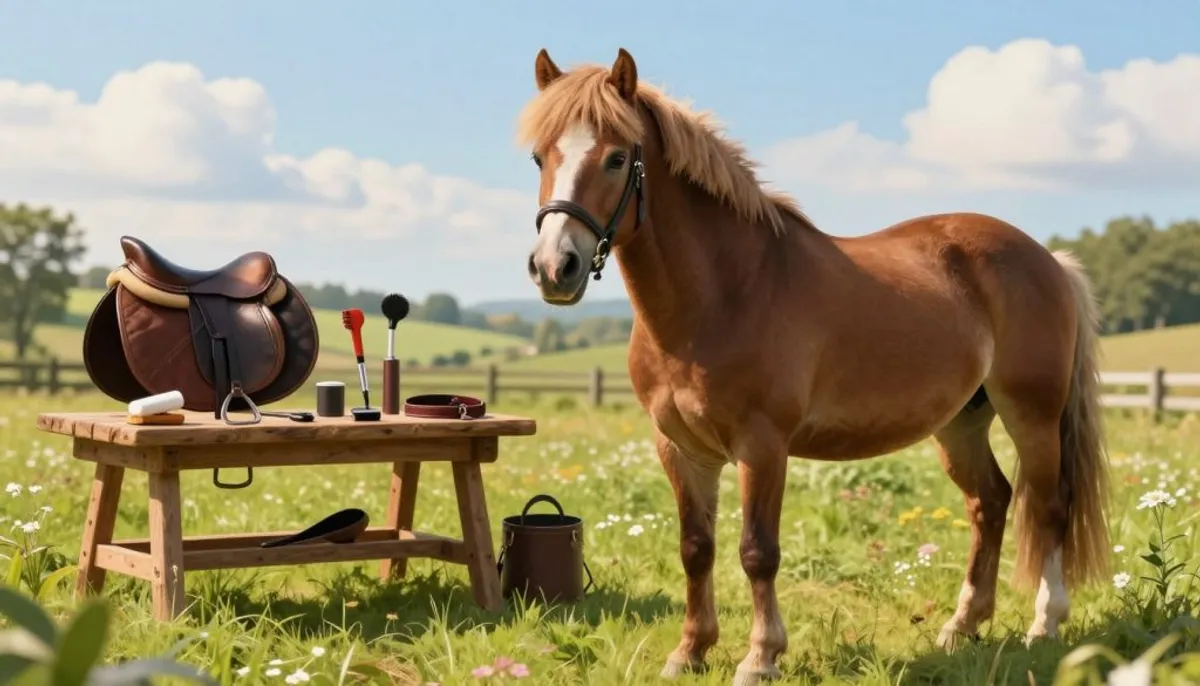
A detail often overlooked is the equipment. An ill-fitting saddle can harm your riding experience as much as that of the animal. To ensure quality, the French Saddle offers luxury equipment. They are entirely made in France, custom-made or in limited editions, by renowned artisans.
In summary, this guide accompanies you step by step, without haste. The goal is to make an informed, reasoned, and sustainable decision. For the well-being of you and your future equine companion.
Key points to remember
- A pony horse requires time, care, attention, and a regular budget.
- This guide provides a clear pathway: define your needs, choose, establish a budget, find where to buy, and verify.
- A riding center in France can support your project and help you find reliable contacts.
- It is crucial to see the pony horse, handle it, and, if possible, try it before any purchase.
- Having an expert accompany you can increase safety and avoid impulsive purchases.
- The right equipment is important: a suitable saddle and appropriate accessories protect the back and movements.
Why buy a horse and what responsibilities come with it daily?
Having a pony horse is more than a passion for riding. It involves a daily responsibility, even when you are tired. Before buying, it is essential to think about our future relationship with the animal. We must also consider what we can support in the long term.
Time, care, and affection: what a horse requires each week
Caring for a horse must be a habit. You need to feed it, check its health, clean its hooves, and manage its shelter. You must also monitor its water, droppings, and appetite. Visits to the farrier, veterinarian, and equipment maintenance are necessary.
Taking care of a horse is not just about riding. You need to treat its minor injuries, manage its housing, and deal with unexpected situations. A horse needs regular attention. Affection plays a significant role. A horse thrives better when it feels loved and understood.
- Who will take care of the animal during vacations, illness, or business trips?
- How many days a week can you come, even in winter?
- What is a realistic monthly budget for maintenance, beyond the purchase?
Motivation and riding experience: asking the right questions before diving in
It is possible to ride without owning your own horse, thanks to riding centers. Buying a horse is a good idea if you have clear goals. Whether for rides, progression, participating in competitions, or getting back into it after a break. A well-defined project simplifies the choice of the animal.
Your level of experience is just as important as your passion. A young horse requires good experience and sometimes help. If you are a beginner or not very consistent, choosing a more experienced horse is safer. This makes riding more enjoyable on a daily basis.
| Point to clarify | Simple question | Direct impact on responsibility |
|---|---|---|
| Available time | Do I have 4 to 6 fixed slots per week? | Conditions the regularity of horse care and progression |
| Level in riding | Do I need a trained horse? | Reduces risky situations and misunderstandings |
| Organization | Who manages in case of emergency or absence? | Avoids gaps in follow-up and delays in care |
| Budget | What is the monthly ceiling, all included? | Secures maintenance, boarding, and unexpected expenses |
Alternative solutions before purchase: half-boarding and co-ownership
Half-boarding is a good option before becoming an owner. You ride the horse a few days a week and share the costs. You discover if you are ready to take on this responsibility without the full financial burden.
Co-ownership is another solution, where several people share a horse. There are clear rules for usage, decisions, and costs. This is common for racehorses but can also be used for leisure. The goal remains the same: enjoy riding while taking care of the horse daily.
Which pony horse to choose according to your level, size, and goals
Start by assessing your needs before falling for a look. The ideal horse or pony depends on how you will use it. Activities vary: riding, jumping, endurance, and much more. Each discipline has its own requirements.
Your level is also crucial. Beginners can make a good purchase, but knowing your level, such as gallop 5, helps. You must also think about compatibility. A tall rider on a small pony can pose problems, and vice versa.
Defining the use: leisure, sport, riding center, outdoor, equine therapy
You need to ask a clear question: “What will be my equine’s role?” For use in a riding center, a stable temperament is essential. For rides, you will look for a calm animal capable of handling the unexpected.
In equine therapy, the animal must be gentle and patient. It should tolerate regular contact and imprecise aids. For sports, the animal must have energy, good locomotion, and recover quickly.
Temperament and “chemistry” between rider and mount: the safety criterion
The character of the pony horse is more important than its appearance. Look for a horse that reassures you. It is not about its beauty, but about how you feel with it.
Beware of the idea of “rescuing” a horse. It is a noble action, but it does not always meet the criteria of a sporting project. Prioritize safety, comfort, and then progression in your choice.
Pony breeds, morphology, and abilities: what to observe
Breeds give a general idea, but each horse is unique. Observe its back, shoulders, and limbs. An expert can help you see the details that matter.
For comparison, the “Horse Breeds” section of zooplus is a good start. Then, test the animal in person. The true morphology is more important than the breed on paper.
| Main goal | Often suitable profile | Points to check during trial | Warning signs not to ignore |
|---|---|---|---|
| Riding and outdoor | Calm, steady pace, sure-footed, good recovery | Starting alone and in groups, passing natural obstacles, reaction to wind and noise | Increasing stress outdoors, rushing forward, difficulty stopping even with simple aids |
| Riding center | Patient, tolerant, accepts routines, easy to handle | Acceptance of girthing, mounting from both sides, simple transitions, stillness | Ears pinned during grooming, defensive at mounting, agitation during work in training |
| Equine therapy | Very stable, gentle to touch, constant rhythm, high tolerance | Approach from several people, touch all over the body, slow and steady walk | Over-sensitivity, sudden starts, refusal of contact, persistent tension |
| Equestrian dressage | Flexible, attentive, clear locomotion, eagerness to learn | Response to fine aids, straightness, bending, transitions, mental availability | Hard mouth, stress in frame, irregularities, repeated defenses in transitions |
| Choice by pony breeds | Type suitable for your build, your working time, and your supervision | Conformation (back, limbs, balance), real temperament, ease in daily life | Inconsistency in size/weight, back too short for the saddle, fragile feet, “explosive” mentality |
Purchase budget and annual cost: anticipating the true price of riding
Before buying a horse or pony, think about the total budget. The purchase is just the beginning. Next come maintenance costs, equipment, and unexpected expenses.
Purchase price: order of magnitude between pony, purebred horse, and sport horse
A pony costs around €1,000 for a beginner. A purebred horse can be around €10,000. A sport horse can cost more than €20,000, depending on several factors.
Prices vary greatly. For example, Fusaichi Pegasus was sold for $70 million. This shows the huge gap between a standard purchase and prices at the highest level.
Common expenses: boarding, feeding, veterinary, farrier
Some owners spend about €5,000 per year. Depending on the location and services, costs can range from €5,000 to €10,000. This includes lessons, travel, and regular care.
| Item | Cost benchmark | What varies |
|---|---|---|
| Boarding | €100 to €500/month | Box or pasture, outings, infrastructure, location |
| Feeding | About €50/month | Ration, hay, supplements, storage method |
| Veterinary | Variable over the year | Vaccinations, deworming, emergencies, check-ups |
| Farrier | Variable depending on trimming or shoeing | Frequency, type of shoeing, foot quality, terrain |
The services of a farrier are essential. Delaying an appointment can cause locomotion problems. It is better to have a regular schedule and a cash reserve.
Often forgotten costs: equipment, saddle fitting, blankets, unexpected expenses
The initial equipment, like the saddle, can be expensive. Especially if the one you have does not fit the new horse. Changing the saddle can improve comfort and prevent back pain.
If you are looking for very good quality equipment, the French Saddle is a reference brand. Even without choosing custom-made, it is important to select durable and well-fitted equipment.
Don’t forget blankets, a first aid kit, and sometimes the dentist or osteopath. Also consider transport costs to the boarding and costs related to the purchase.
Plan for a margin: budget “upwards” and set aside each month
Budget more than expected and save a little each month. This allows you to test your budget and build a reserve without stress.
Health insurance costs around €20 to €100/month, depending on options. Having a fund for emergency veterinary care is also useful. This is especially true for care after an accident.
Where to buy in France: breeding, private individuals, merchants, riding centers, and ads
Looking for a pony horse in France involves comparing various options. You can contact a breeder, a merchant, or a private individual. It is also possible to inquire at a nearby riding center. The important thing is to see the animal, talk to the seller, and note important information.
To avoid mistakes, come accompanied by an expert from the start. A coach will notice issues in the horse's movement. They will also see if the equipment is not suitable. Even if the ad seems perfect, never buy without trying or meeting the seller.
Online classifieds and specialized press: spotting without rushing
Online ads are quick, and the photos can be enticing. Pay close attention to details like age, size, and the horse's experience. It is also wise to ask for recent videos to better judge.
Using specialized press can help find the right price and type of horse. In a riding center, read the ads and discuss with instructors. Word of mouth is sometimes more reliable. Make a short list and organize visits, without rushing.
- Useful questions: does it live in a pasture, in a box, or both?
- Clear history: last outings, injuries, work stoppages.
- Trial framework: saddling, loading, handling, then riding.
Breeders vs merchants: advantages, limitations, and questions to ask about history
At a breeder, the horse is often born and raised on-site. This allows you to see how it lives and what it eats. You can even know its ancestors. The reputation of the breeder is crucial, and they often provide more attentive follow-up.
A merchant offers more choices, but information about the horse's past may be limited. Ask specific questions and request supporting documents if possible.
| Point to check | Breeder | Merchant |
|---|---|---|
| Origin and life before sale | Often detailed information (birth, weaning, habits) | Sometimes partial information, depends on previous owners |
| Available choice | Fewer horses, more homogeneous profiles | Wide range (ages, disciplines, levels) |
| On-site visit | Seeing the parents and lifestyle is sometimes possible | Seeing the lot of horses, asking about provenance and arrival dates |
| Key questions | Health, growth, training, work rhythm | Reason for sale, duration of ownership, repeated trials |
Some organizations can guide your search in France, such as the French Horse Trade Union. Breed associations are also helpful. They explain the rules to follow and the documents necessary for the purchase.
Sales events and local network: meeting sellers and trusted professionals
Sales events provide a chance to understand the market. You can see the horses in action and talk with professionals without rushing. It’s a good opportunity to find a trusted breeder.
The local network is also important. Riding centers, veterinarians, and trainers can provide advice. They know who sells well. Thus, ads become just a starting point.
Preparing for arrival: boarding, supervision, and practical organization
Choosing where your horse or pony will live is crucial. You also need to decide with whom you will work. Organizing well from the start helps avoid last-minute adjustments. Build a network of reliable contacts, based on recommendations, especially in riding.
It is essential to choose the boarding before buying the horse. Compare its current lifestyle with what you envision for it. Different environments, such as pasture, box, or paddocks, influence its well-being. A horse may react poorly to a drastic change in environment.
Also have a backup plan for boarding. This can be useful for various reasons, such as a difficult adjustment or ongoing work. In urban areas, finding a spot can be complicated and impacts the budget and motivation.
Discuss care routines with the boarding team. It is important to know who takes care of what, such as blankets or food. The little details matter. A simple change can be quickly noticeable.
| Point to check | Simple questions to ask | What it changes daily |
|---|---|---|
| Food and forage | Amount of hay, schedules, possibility to adjust according to condition | More stable energy, calmer digestion, fewer mood swings |
| Outings and movement | Number of outings, duration, individual or group paddock | Less stiffness, better morale, more regular recovery |
| Blankets and monitoring | Putting on/removing, weather control, extra if changes | Less stress, fewer chills, simpler management |
| Supervision and work | Lessons, lunge package, mounted work, slots | Clearer progression in riding, fewer errors at the start |
| Logistics | Schedules, access, travel time, transport cost | Sustainable rhythm over time, more regular visits |
Get guidance from an instructor when your horse arrives. A horse may behave differently in a new environment. A good riding center will help you get off to a good start and establish a clear routine.
During the first outings, opt for supervised group rides. Even a calm horse can become more nervous outside. Be cautious, evaluate yourself carefully if in doubt, and listen to the instructor's advice. This ensures safe and smooth progression.
Checking history and potential: origins, equestrian competitions, and consistency of discourse
Before choosing a pony horse, certain facts must be verified. It is crucial to compare the ad, the seller's discourse, and existing evidence. This verification prevents misunderstandings and makes the purchase safer.
Useful research: IFCE/SIRE for origins and identification
To start, check the horse's identity: number, description, and date of birth. The IFCE and SIRE data confirm its identity and origins. This avoids imprecise or embellished descriptions.
Ensure that certain details do not change: the name, the prefix, and the consistency of the documents. If you note differences, ask for a verifiable explanation. A good seller will be able to provide this information.
Results in equestrian competitions: analyze consistency rather than the “buzz”
If the ad mentions competitions, examine the horse's sporting career. The FFE results provide a good overview of its performances and progression. Consistency is often more revealing of the work done than a single good performance.
Be wary of concerning signs: many withdrawals or regressions. Some details specific to the discipline may require clear questions. The goal is to understand, not to judge.
| Element to check | What it may indicate | Short question to ask |
|---|---|---|
| Full name identical on all supports | Ad consistent with SIRE identification | “Can you show me the document where this name appears?” |
| Series of FFE results over several months | Followed work and regular preparation | “What was your outing rhythm and why?” |
| Many eliminations in the same context | Technical difficulty, stress, or level choice | “What triggered these eliminations, and what did you change?” |
| Long period without outings in equestrian competitions | Normal break, injury, change of stable, or other | “Between these dates, what was its program?” |
Cross-referencing clues: videos, photos, dated data, and consistency of the ad
Look for visual evidence and always check the date. A video may not reflect the horse's current state. Ask for several videos to better understand its condition and abilities.
An internet search can reveal past information. Event photos show the horse in action. Note everything and compare it to the ad to verify its accuracy.
Finally, a seller must share essential information, including what interests the veterinarian. This includes the horse's usage history and its background. An open discussion based on facts is beneficial for everyone.
Successfully visiting and trialing: observation, handling, trot canter, and safety
A good visit starts before getting on the horse. Take the necessary time and observe everything around you. When searching for a horse, it is easy to fall in love quickly. However, it is important not to let emotions overwhelm you in making a decision.
A trustworthy seller will answer your questions without rushing and will let you think. To ensure your safety, pay attention to the atmosphere of the place, the state of the equipment, and how the horse is treated.
Coming accompanied: coach, instructor, professional rider for an objective view
Coming with a coach or instructor is very helpful. Their expertise will assist you. They will detect issues such as lack of endurance, certain stiffness, or posture problems. Sometimes, they may also notice if a horse has been artificially calmed before the trial.
Being two allows you to better compare your feelings. This is especially useful in equestrian dressage, where details are very important from the start.
On-site checklist: behavior in hand, grooming, feet, loading
Start by checking if the horse matches what was advertised. Ask specific questions and compare the answers with what you observe. Good communication is crucial.
- Origins, breeding method, number of ownership changes.
- Current work, weekly rhythm, outings, and competition experience.
- Temperament: sociable, fearful, attentive, or intrusive on foot.
- Health: vaccinations, deworming, colics, lameness, and reason for sale.
Try to groom and saddle the horse yourself. Check how it reacts to girthing and hoof cleaning. If you can, also observe how it reacts to loading. This will tell you a lot about its patience and safety.
| Checked point | What you are looking for | Warning signal |
|---|---|---|
| In hand | Regular walk, clear stop, respects personal space | Pulls, pushes, freezes, or backs up for no reason |
| Grooming | Stays calm, tolerates contact and sensitive areas | Ears pinned, threatening, tail whipping hard |
| Feet | Offers feet, stable support, allows cleaning | Pulls foot away, panics, abnormal heat to touch |
| Saddle and girth | Calm breathing, back remains supple | Inflates, bites, hollows out, bolts suddenly |
| Loading | Steps up gradually, comes down without stress | Blocks, throws back, sweats very quickly |
Mounted trial: testing at all three gaits, trot canter transitions, and reactions
Start by observing the seller riding the horse. Pay attention to their relaxation, posture, and focus. A very nervous horse can pose problems, even if it looks beautiful.
Then, let your coach try if necessary, and then try it yourself. Test the walk, trot, and canter. Make simple transitions to assess the horse's responsiveness. In dressage, the quality of a transition is very revealing.
Ensure that the requests match your level. Your safety is paramount. If you feel uncomfortable, that is an important sign not to ignore.
Repeated trials: reproducing situations close to your future practice
A single trial may not be representative. If you plan to ride outdoors, ask to try that. If competitions are your goal, redo a session with specific exercises.
Discuss calmly after each trial. Then, take a few days to reflect before making a decision. Coming back with perspective helps better assess the horse.
Veterinary purchase visit, documents, and legal aspects: securing the sale
Take the time to organize the purchase well. The veterinary visit provides valuable information about the animal at that moment. It assesses the strengths, weaknesses, and risks related to your project with the help of a veterinarian specialized in horses.
The purchase visit: static examination, dynamic assessment, and risk evaluation
The identification of the animal and the purpose of the purchase are the first points to clarify. The seller must inform about any health or performance issues with the horse. This is the time to discuss the intended use for the horse, such as leisure or competitions.
The veterinarian checks the heart, respiration, digestive system, eyes, and teeth of the animal. They also examine the body conformation and palpate the back and legs.
The dynamic part consists of observing the horse in motion. This allows detecting movement or pain issues. The veterinary visit assesses the risk of problems found based on the intended use of the horse.
Additional examinations: X-rays, blood tests, ultrasound, medication control
Additional tests may be necessary depending on age, price, and expectations. X-rays examine bones and joints, ultrasound looks at tendons, and blood tests assess the horse's overall condition. Some purchases require a test to detect medications in the animal's system.
The costs of a complete visit can be high. For example, they can reach €390 for certain tests. It is therefore wise to carry out this visit only after you have almost decided to buy this horse. The important thing is that the examination is adapted to your real need.
| Element checked | What it brings | When it is most useful | Cost/time benchmark |
|---|---|---|---|
| Static examination | Auscultation, general condition, teeth, eyes, conformation | Any purchase, even leisure | Included in the visit, often short duration |
| Dynamic examination | Observation of gaits, locomotor tests, tolerance to effort | Sport, regular outdoor, unclear history | Adds time, influences imaging decision |
| X-rays | Reading of bone structures, screening for lesions | Sport horse, high value, doubts about feet | Example: 4 images in a package for €390 |
| Ultrasound | Evaluation of tendons/ligaments and sensitive areas | After lameness, demanding discipline | Often in targeted complement |
| Blood tests | Indicators of inflammation, metabolism, general condition | Fatigue, weight loss, doubts about history | Results within a few days depending on the laboratory |
| Search for drug residues | Reduction of the risk of “masking” symptoms | Remote purchase, short trial, rushed sale | To be planned before delivery |
Mandatory papers: equine passport, registration card, and SIRE change
All documents must be ready on the day of the sale. The horse's passport contains its health data and sometimes its origins. The registration card allows for the official change of ownership.
In France, you must declare the sale to the SIRE via the IFCE. The new owner then has one month to register the sale. Ensure that the identification of the horse is correct and that all necessary documents accompany the horse.
Sales contract: guarantees, hidden/redhibitory defects, and useful clauses
A written contract between buyer and seller clarifies responsibilities. It must indicate the horse's information, price, and delivery conditions. It also recalls the legal guarantees and how they apply in case of issues.
If you sign before the veterinary visit, including a clause to that effect is wise. This allows for some leeway if a problem is discovered afterward. The idea is to avoid any confusion.
Insurance: equine liability and health mutual
Consider insurance as soon as the horse arrives. The liability insurance covers damages caused by the animal. This is crucial to avoid unexpected costs in case of an accident.
Health insurance for the horse covers care in case of illness or accident. Costs vary, so discuss with your veterinarian to choose the best option for your horse.
Conclusion
This purchasing guide walks you through step by step. First, think carefully about what you want to do in riding. Also consider the constraints. Owning a horse requires a lot of time, consistency, and regular care.
In France, it is important to decide who will take care of it. Even on very busy days.
Then, choose a horse that truly suits you, rather than relying on a whim. Determine how you want to use the horse, then find one that matches your level, size, and character. Do not rush: visit several times, do trials, and come with a coach or instructor.
Look closely at the origins and performances. But what matters most is that everything is consistent.
The budget is also crucial. Include the purchase cost, maintenance, boarding, veterinary, and unexpected expenses, planning broadly. In France, also ensure that the sale is secure. Have a veterinary visit before the purchase, check that the documents are up to date, sign a clear contract, and take out insurance. A well-thought-out plan can save you from many surprises.
Finally, do not forget comfort and safety for the future. Good equipment improves everything for the horse and its rider, both daily and in competition. For high-quality equipment made in France, La Sellerie Française offers customized or limited edition options. Everything is designed for the needs of each horse and rider.
FAQ
What does it really mean to buy a horse or a pony in terms of commitment?
It is a serious commitment that requires reflection. You will need time, money, but also to be attentive. Every day, the horse will require care and affection.
It needs regular feeding and exercise, and you must manage unexpected situations. Before deciding, ensure you have a good place to keep it long-term.
Can one practice riding without owning a pony horse?
Absolutely. You can learn and progress in riding even without having your own horse. Riding centers or half-boarding offer this possibility.
This allows you to ride often, get familiar with the necessary care, and check if you are ready to have your own horse.
What questions should you ask to clarify your motivations before the purchase?
It is crucial to think about why you want a horse. Consider what you hope to get from this relationship and the level of help you desire.
Evaluate your experience and your ability to follow a regular schedule. The clearer your goals, the easier it is to choose the right horse.
What level is required to buy a horse or a pony?
The purchase is feasible even for beginners. However, having a gallop 5 level and experience in riding is recommended.
This can prevent mistakes, especially with a less experienced horse. A trained horse is generally safer than a young one to educate.
How much time should be planned each week to take care of an equine?
You need to schedule regular visits to take care of it, including care and training. Also plan for days when you cannot be there.
Find a trustworthy person in advance to take care of it in your absence, such as a boarding facility or a coach.
Is half-boarding a real alternative to buying?
Yes, it is an excellent intermediate step. In half-boarding, you share responsibilities and costs with the owner.
You ride the horse several times a week. This allows you to get involved without bearing the full financial weight.
Does co-ownership exist for a horse?
Indeed, it allows sharing costs and sometimes profits. This is common for racehorses.
But it is crucial to have a clear legal agreement and well-defined management rules for it to work well.
How to choose between horse and pony based on size and build?
Your size and experience matter in the choice. A tall rider may find a small pony difficult, and vice versa.
A horse that is too powerful can be intimidating for a light and novice rider. It is essential to find the right balance.
How to define the use before choosing a pony horse?
First, decide on the main activity you want to do. There are many options like leisure, sport, or equine therapy.
Each equestrian activity requires specific skills. A horse perfect for one activity may not be suitable for another.
Is temperament more important than coat or “beauty”?
Yes, in most cases, personality matters more. A good character ensures safety and trust.
The bond between the rider and the horse is essential, much more than appearance.
What morphological points to observe during a visit?
Pay attention to the back, legs, and their alignment. Also observe how the horse moves, both walking and trotting.
A professional can help you spot important details for the horse's well-being and performance.
How to navigate among pony breeds and horse profiles?
Compare their temperament, needs, and abilities. The section “Horse Breeds” of zooplus offers good insights.
But nothing replaces a trial to make the right choice.
What budget to plan for buying a pony or a horse?
Prices can vary greatly, from €1,000 for a pony to over €20,000 for some sport horses.
The extreme case of Fusaichi Pegasus, sold for $70 million, clearly shows the diversity of the market.
How much does it cost to maintain a pony horse annually?
It is often around €5,000 per year, but it can rise to €10,000 depending on various factors.
Regular expenses are just as important to consider as the total amount.
What are the most common monthly expenses?
Boarding can cost between €100 and €500/month. Feeding is around €50/month, plus veterinary and farrier costs.
Some additional care costs may also arise.
What costs are most often forgotten during a purchase?
Don’t forget equipment, blankets, a first aid kit, and the services of a dentist or osteopath.
The saddle is particularly important: it must fit the new horse.
How to budget without making mistakes?
It is better to plan broadly and save a little each month. This allows you to test your ability to manage the budget.
It also creates an emergency fund for unexpected veterinary care.
Should you take out insurance for a horse?
It is strongly recommended to have insurance to cover damages caused by the animal. Health insurance can also be useful.
Costs range from €20 to €100/month depending on the coverage. Some choose to set aside a veterinary budget instead.
Where to buy a pony horse in France?
You can buy from breeders, merchants, private individuals, or through an instructor. Online ads and specialized press are also sources.
But avoid choosing a horse solely based on a photo.
Breeder or merchant: what are the differences and what precautions?
A breeder offers a clearer history and cares about their reputation. A merchant offers more choices, but the history may be less complete.
It is important to ask specific questions and verify the information.
Are there organizations to guide a serious search?
Yes, specialized organizations can help structure your search, especially for a specific breed or use.
They provide useful advice before a trial.
Why prepare the boarding even before buying?
The environment plays a significant role in the horse's well-being. A sudden change in habitat can affect it.
It is therefore essential to choose the right type of boarding in advance.
What practical points to check in a boarding facility or stable?
Check the management of feeding, outing schedules, and access to facilities like the arena.
Also ensure that the schedules and location suit you to avoid stress.
How to verify the origins and identification of a horse?
The IFCE website is useful for confirming the identification and origins of a horse.
This helps avoid misleading presentations.
How to analyze competition results before buying?
Look at the results on FFE Compet to appreciate consistency and level. Results sometimes reveal inconsistencies.
Frequent eliminations or an irregular career should be questioned.
What useful web cross-references before a visit?
Search for the horse's name online to find additional information. Check the dates to ensure the relevance of the issues.
Event photos can also provide clues about the horse's condition and behavior.
Why should you never buy without having met and tried the animal?
A horse can be different from what an ad suggests. It is important to observe it yourself and test it.
Taking your time and being accompanied increases your chances of making the right choice.
Why come accompanied during visits and trials?
A professional can offer you an objective viewpoint and detect problems you might not see.
They also help you stay realistic about your skills and needs.
What questions to ask the seller on-site?
Check the information in the ad, the horse's past, and the reasons for the sale.
Ask about its medical history and training level. This helps make an informed decision.
What to observe during ground handling?
Try to handle the horse yourself, and note how it reacts. Also check its feet and general behavior.
Ground reactions provide good indications of its management and temperament.
How does a relevant mounted trial proceed?
First, observe the horse being ridden by the seller. Then, test it yourself to assess its behavior.
Include different gaits and transitions. Depending on your projects, you might also try going out or jumping.
Should you do multiple trials before buying?
Ideally, yes. Multiple tests help better understand the horse and confirm if it’s the right choice.
This is especially important for competitive or sporting activities.
What is the purpose of the veterinary purchase visit?
It assesses the horse's health and the risks related to its future use. This is an important step for an informed decision.
It is not mandatory, but highly recommended.
What does a veterinary purchase visit include (static and dynamic examination)?
The examination starts by checking the horse's identity and its history. Then, the veterinarian examines the horse at rest and in motion.
This allows assessing its overall physical condition and suitability for the requested work.
What additional examinations can be requested?
Depending on the case, X-rays, ultrasounds, or blood tests may be requested. These additional tests depend on your needs and the risk you are willing to accept.
They help better understand the horse's health.
How much does a veterinary purchase visit cost?
The price varies, but expect to pay several hundred euros for a complete visit. A common estimate is €390.
It is wise to do this visit once your choice is almost made.
What documents are mandatory during the sale?
You will need the equine passport and the registration card for the transfer of ownership.
After the purchase, you have one month to register the transaction with SIRE.
Why is a written sales contract necessary?
A contract details the price, conditions, and guarantees. This protects against hidden defects or any compliance issues.
A clause can condition the purchase on the veterinary visit.
What “anti-error” reflexes will prevent bad purchases?
Take your time, do not rush to buy, and have someone accompany you from the start. Keep a financial margin for any eventuality.
Also ensure you have a management and suitable housing for the horse.
What role does equipment play in the success of the project, especially the saddle?
Equipment influences comfort and safety. The saddle in particular must fit the horse and rider well.
The French Saddle (https://laselleriefrancaise.com) offers high-quality equipment made in France. This helps progress under the best conditions.