
Taking care of horses is a daily practice. This includes watching, touching, smelling, and noting changes. A good horse care guide does not promise the impossible. Instead, it teaches how to perform regular gestures suited to each horse and season.
Our guide focuses on natural care for the well-being of horses. We will proceed step by step, emphasizing the care routine. This includes daily hygiene, injury prevention, hoof maintenance, and specific management of sensitive horses. We will also discuss summer dermatitis and the benefits of dietary supplements.
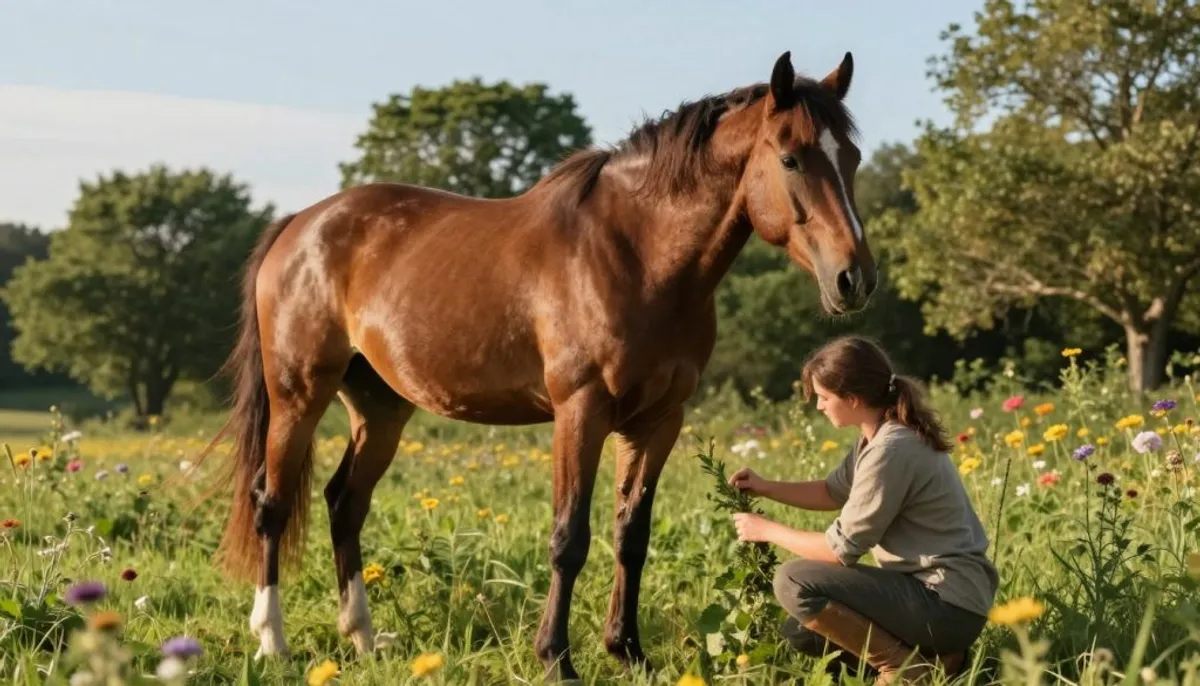
Choosing the right products is crucial in animal care. We favor gentle and dermatologically tested products. Consulting a veterinarian is always advisable, especially for wounds or unusual reactions.
Equine phytotherapy and home remedies can be helpful. Shea butter, selected vegetable oils, and chamomile are a few examples. Important: test on a small area before widespread application. The goal is to maintain the horse's comfort and serenity.
Key Points
- Observing horses every day is essential for quickly detecting any problems.
- Natural care requires regularity and suitable products.
- The well-being of horses relies on skin health, mobility, and a healthy environment.
- Using gentle and tested products reduces risks for animals.
- Before using equine phytotherapy, testing on a small area is crucial.
- A serious guide on horse care advises consulting a veterinarian if necessary.
Why Choose Natural Care in Animal Care
Choosing natural care for our animals brings many benefits. These products fit perfectly into daily grooming. They respect the animal's skin and are easy to rinse. By using them regularly, we ensure better monitoring of the animal's health. It becomes a habit when the application of care is pleasant.
Daily Equine Well-being: Comfort, Skin, and Serenity
Caring for your horse with simple gestures is essential. Cleaning, checking sensitive areas, and hydrating are key steps. A good selection of natural products helps keep the skin healthy. This prevents irritations and keeps the skin soft even after extensive activities.
By following a few simple tips, you can easily take care of your horse. This ensures its comfort on a daily basis.
- Regularly observe certain sensitive areas like the neck.
- Adjust the frequency of washes to avoid irritating the skin.
- Note the horse's reaction to new products.
Limiting Aggressive Agents: Favoring Gentle Formulas
Using strong cleaners can damage the horse's skin. It is better to choose gentle care with few ingredients. This helps maintain healthy skin and reduces irritations.
Reading product compositions carefully is a good reflex. Avoiding aggressive components contributes to skin safety. The important thing is to protect the skin without accumulating too many products.
Dermatologically Tested Products: A Key Criterion for Safety
Dermatologically tested products are reassuring for sensitive skin. Choosing products recommended by a veterinarian provides additional safety. This helps avoid risky trials and ensures a reliable care routine.
Here are some criteria to consider before purchasing. They help choose the best care for our animals' well-being.
| Criterion | What It Changes Daily | Useful Signal for Skin Safety |
|---|---|---|
| Dermatologically Tested | Fewer unnecessary trials, more stable routine | Tolerance research and reaction monitoring |
| Short Ingredient List | Simpler application, quicker rinsing | Fewer potential sources of irritation |
| No Strong Fragrance | Horse often calmer during grooming | Reduction of possible sensitivities |
| Sensitive Skin Indication | Better adaptation during shedding or after exertion | More cautious choice for the horse's well-being |
Understanding Needs According to Horse Breeds and Lifestyle
Different horse breeds have specific care needs. For example, a horse with thin skin will be more sensitive to rubbing. Another may tolerate tighter equipment better. To properly care for them, we also look at the density of their manes and their reaction to insects.
In France, the environment plays a significant role in the necessary care. Horses in stalls are more exposed to humidity, which can stagnate around the hooves. Outside, mud accumulates, dries, and can irritate the skin, especially during heavy rain. Needs therefore vary depending on where the horse lives, not just its breed.
The Friesian horse is a perfect example. Originating from the Netherlands, it has a beautiful black coat and long hair that requires regular care. Its feathers can retain water and dirt, increasing the risk of skin problems. It is important to monitor the condition of the hooves and the underside of the pastern, especially after going to wet areas.
Care also varies depending on the horse's activity. For those engaged in dressage or driving, sweating can cause irritations. A good cleaning helps prevent itching. For a Friesian horse, calmness and gentleness are key, as they are known for their kindness and sensitivity.
| Observed Profile | Points of Vigilance | Daily Care Adapted |
|---|---|---|
| Horse in Stall (limited outings) | Humidity around the hooves, heated skin under the equipment, tangled hair | Dry after work, clean and check the frogs, detangle without pulling, check girth areas |
| Horse in Paddock (frequent mud) | Embedded mud, irritations on limbs, wet feathers | Rinse if necessary then dry well, brush gently, inspect pasterns and folds, protect from rubbing |
| Horse in Pasture (insects during seasonal peaks) | Scratching, sensitive areas (hair, belly, limbs), small wounds | Targeted cleaning of sticky areas, daily monitoring, physical protection (appropriate blanket), regular routine |
| Friesian Horse (dense mane and feathers) | Knots, maceration in the feathers, dirt around the hooves, sweating under the harness | Gradual detangling, spaced but careful washing, meticulous drying of the feathers, checking for rubbing after driving or dressage |
Starting from the concrete helps save time: skin, hair, weather conditions, and work. This simple approach helps meet each horse's needs, taking their breed into account. It is useful in equine breeding to maintain a good routine, even with seasonal changes.
Daily Care Routine at the Stable and in Leisure Riding
At the stable, having a good care routine for horses saves time. It also prevents many problems. Even for leisure riding, these care practices must be done regularly. First, observe, then act calmly.
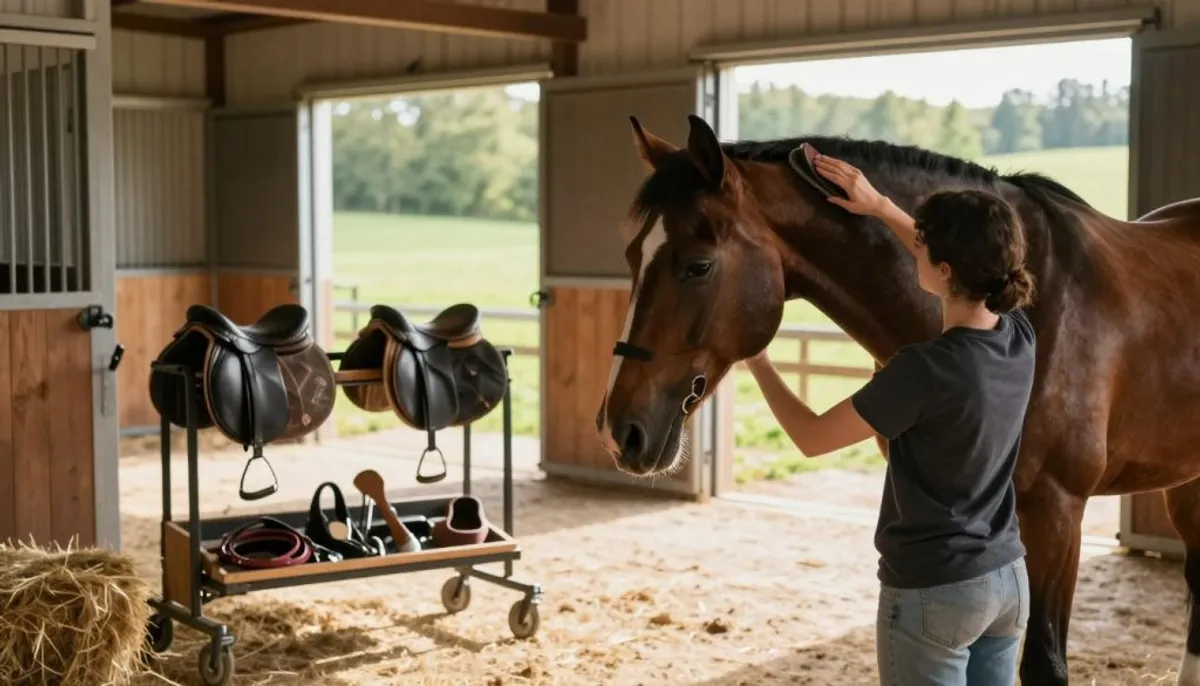
Daily Observation: Early Detection of Irritations and Discomfort
Take the time each day to observe your horse. Look at its skin, legs, and behavior. Look for signs of rubbing, small wounds, and mood changes.
A horse that moves less or refuses contact may indicate a problem. Note your observations in a notebook. Record the date, the affected area, what it looks like, and how it evolves. This helps identify the cause of the problem.
The usual care practices are as follows:
- Complete brushing with special attention to sensitive areas
- Gentle checking and cleaning of the eyes and nostrils if necessary
- Cleaning the hooves to remove debris and avoid bad odors
- Ensuring access to clean water at all times
Managing the Environment: Clean Bedding, Quality Forage, Fresh Water
Good bedding management is essential. It reduces the risks of ammonia, humidity, and germs. Maintaining clean bedding also helps prevent irritations and foot infections.
Quality forage is equally important. It should smell good, be low in dust, and free from mold. And the water must be fresh and available, in clean containers. Hygiene at the stable is crucial for skin health and recovery after riding.
| Checked Point | Useful Sign to Spot | Quick Action | What to Note in the Notebook |
|---|---|---|---|
| Skin and Girth Area | Redness, broken hairs, warmth | Clean, dry, avoid rubbing | Area, intensity, equipment used |
| Hooves | Strong odor, soft frog, stone lodged | Pick, rinse if necessary, dry well | Affected foot, condition, sensitivity |
| Bedding | Wet areas, ammonia, dust | Remove soiled areas, add clean | Volume removed, volume added, frequency |
| Water | Low level, sediment at the bottom, lukewarm water | Empty, scrub, refill with fresh water | Approximate amount drunk, cleaning done |
Assembling a Useful Grooming Kit: Essential Tools and Simple Gestures
Having a complete grooming kit is very practical. Keep it clean and in a fixed location. This is especially important if multiple people care for the horse. Separate the equipment by use to avoid transmitting germs.
Here’s what your kit should include:
- curry comb, body brush, soft brush, and mane brush
- hoof pick, comb, and scissors for finishing touches
- compresses, disinfectant, and simple bandages
- a thermometer, always useful in case of need
There are also special kits for veterinary care. They are very handy for outings. Having a good grooming kit is as important as clean bedding and fresh water available.
Natural Hygiene: Skin, Coat, Mane, Eyes, and Nostrils
Caring for a horse is more than keeping it clean. It helps reduce germs and avoid issues that arise quickly, especially if the horse sweats or lives outside. The secret? Simple gestures and suitable products, without aggressive agents, to respect its skin and coat.
Being gentle and consistent enhances the effect of skin and coat care. It is necessary to brush, detangle, rinse well, and limit the number of different products. For a sensitive horse, it is better to choose tolerance over fragrance.
Gentle and Detangling Shampoo: Preserve the Skin Film
A good horse shampoo removes sweat and dirt without being too harsh. Choose one that is easy to rinse and provides some detangling. This protects the coat and saves time. It is better to wash less often and rinse well to avoid itching.
After washing, it is essential to dry the coat, especially in winter. A wet coat can easily become dirty and irritate the skin. Detangling knots with fingers helps prevent pulling with the comb.
Eye and Nostril Cleaning Lotion: Clean Without Irritating
To clean the eyes and nostrils, be gentle. Use a clean compress for each eye and another for the nostrils. A quick gesture is enough to remove dust, especially after being outside or in the arena.
If you notice a change in discharge, be cautious. Observing your horse is important to notice changes rather than over-cleaning.
Hydration and Protection: Lotions and Balms for Sensitive Areas
When the skin is dry, a moisturizing lotion helps. Using a balm for areas that rub a lot can protect the skin, especially when it’s humid or after shaving the horse. A shea butter balm is always useful to have.
With essential oils, first do a patch test on a small area. Reactions can be quick. For small cuts, having an antiseptic spray is good, but use it carefully.
| Area | Objective | Suitable Product | Useful Frequency | Key Gesture |
|---|---|---|---|---|
| Coat | Remove sweat and dirt without irritating | natural horse shampoo | Depending on weather and work, spaced out | Long rinse to preserve the skin film |
| Mane and Tail | Detangle and limit breakage | skin coat mane care | Small maintenance between washes | Detangling with fingers before combing |
| Eyes and Nostrils | Remove dust and dry secretions | eye nostril lotion | As needed, often after outings | Clean compress, without rubbing |
| Commissures, elbow folds, girth area | Protect from rubbing and moisture | balm for sensitive areas | Before exertion or at the first signs of dryness | Thin layer, clean and dry skin |
| Small Scratches | Reduce the risk of infection | horse hygiene + antiseptic spray if useful | As needed, for a short duration | Clean, dry, then protect |
Hoof Care: Prevention, Maintenance, and Natural Ointments
Taking care of hooves is just as important as brushing the horse. They support its weight, whether on hard or muddy ground. Regular hoof care promotes smooth movement and prevents diseases.
Cleaning the hooves daily is essential. This removes mud, stones, and wet bedding, particularly around the frog. It is also an opportunity to detect any unusual odors, darkened areas, or particular sensitivity.
- Daily cleaning after paddock time, work, or pasture outings
- Drying after bathing, including the corners of the frog
- Quick examination to spot warmth, cracks, chips, soft frog
To nourish and protect, a natural ointment is a good addition. Using ingredients like laurel oil, coconut oil, or linseed oil prevents drying and protects from moisture. It should be applied regularly but without excess, depending on the weather and the state of the hoof.
Trimming is fundamental to maintaining hoof balance. A specialist can adjust the angle and length of the hooves. This is the ideal time to discuss wear or other specific issues to better prevent diseases.
| Gesture | Useful Frequency | Monitoring | Impact on Hoof Care |
|---|---|---|---|
| Cleaning | Daily | Debris, odors, sensitivity | Reduces disease risks |
| Natural Ointment | 2 to 4 times a week, depending on the season | Dry hoof, cracks, moisture | Makes hooves more flexible and protects them |
| Drying After Bath | After each cleaning | Residual moisture, damaged areas | Prevents mold and strengthens care |
| Trimming | Every 6 to 8 weeks | Balance, chips, position | Improves posture and prevents injuries |
Keep a care notebook to track these practices. Note the condition of the hooves, the weather, and the use of ointments. This helps organize trimming and make care more regular throughout the year.
Preventing Injuries in Riding and Dressage
A working horse can easily get injured, often due to small details. To avoid injuries in riding and dressage, simple gestures are essential. They improve comfort and reduce forced breaks.
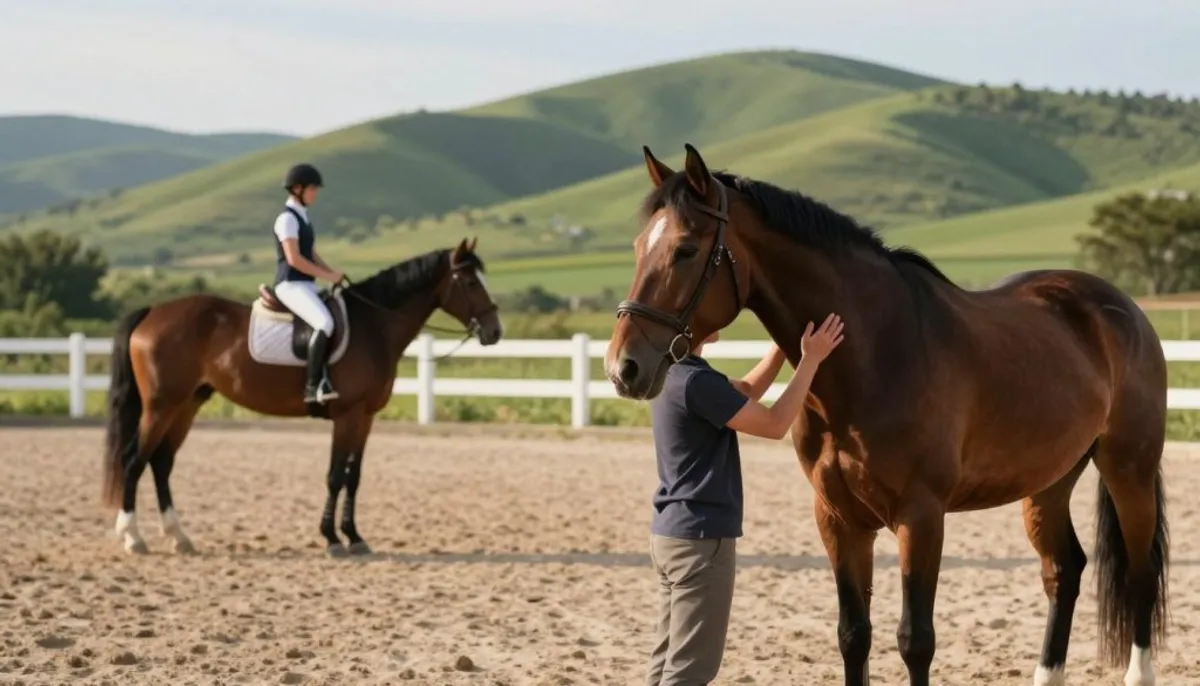
Appropriate Protections: Boots and Wraps According to Work
It is necessary to choose protections according to the activity, the ground, and the horse's shape. If boots or wraps are incorrectly applied, they can rub or heat the tendons. On the other hand, choosing well protects from shocks and stabilizes.
- Flat Work: lightweight protections that do not constrict and allow breathing.
- Ground Bars and Cavalettis: reinforcements against hits and injuries.
- Sensitive Horse: soft lining, flat seams, and checking after use.
First Aid Reflexes: Clean, Disinfect, Protect
In the face of a scratch, acting quickly is crucial. The routine must be quick and precise, without improvisation. Disinfecting immediately limits the risk of complications.
- Carefully clean, then gently dry.
- Disinfect without rubbing hard.
- Cover carefully, without tightening.
- Apply a protective cream if necessary.
For any transport, it is essential to plan. A safe trailer and a ready first aid kit avoid stress and delays.
Facility Safety: Reducing Risks at the Stable and Paddock
Ensuring safety requires regular checks. A simple nail or broken board can cause an accident. Watch for high-risk areas like narrow passages and water points.
| Area to Check | Frequent Risk | Simple Action | Recommended Frequency |
|---|---|---|---|
| Fences and Ribbons | Cut, snag, panic | Tighten, replace insulators, remove sharp points | 1 to 2 times a week |
| Pathway Ground | Slip, sprain | Clean, add stabilized sand, remove puddles | After rain + weekly check |
| Grooming Area | Fall on wet ground, bump | Non-slip mat, store buckets and tools | Every day |
| Paddock (corners and shelters) | Hits, rubbing, pinching | Round corners, smooth edges, repair doors | Weekly |
| Passage Areas (barriers, doors) | Pinching, collision, stress | Open wide, ensure good lighting, streamline traffic | With each handling |
Sensitive Horses: Selecting Soothing and Safe Formulas
Living with sensitive horses requires special attention. Their skin can quickly become red, itchy, or peel. Therefore, it is important to choose simple and clear products. For their delicate skin, opt for simple formulas, without unnecessary components and easy to wash.
For daily care, favor a fragrance-free product, especially on delicate areas like the girth area. Fragrance can mask harmful ingredients and make the skin more sensitive. Look for products that are dermatologically tested, in a laboratory, and ideally approved by a veterinarian. This guarantees more safety.
Fragrance-Free and Irritating Ingredients: Reducing Skin Reactions
It is crucial to avoid anything that can irritate or dry out the skin of sensitive horses. Monitor labels for aggressive agents, such as alcohol, and colorants. Even "natural" products are not always safe, so caution is advised.
- Fewer Ingredients: Lower chances of allergy.
- Fragrance-Free Care: Avoids itching and strengthens fragile skin.
- Thorough Rinsing: Prevents residual irritation.
Gentle Actives: Chamomile to Soothe, Aloe Vera to Hydrate
Chamomile is valued for its soothing properties, whether in lotion or gel form. Aloe vera helps maintain hydration and skin well-being, especially after activities that may irritate it.
Phytotherapy can support horse care, but it cannot replace a veterinarian's advice if the situation worsens. Be cautious with botanical products and essential oils, which should be used carefully.
Skin Test and Monitoring: Adjusting the Routine According to Tolerance
Before using a new product, test it on a small area and observe the reaction for 1 to 2 days. Note all details such as the date, location, amount applied, and the horse's reaction. This practice helps avoid problems and establish an effective care routine.
- Apply a small amount of product to a less visible area on dry skin.
- Avoid introducing multiple new products at the same time.
- In case of redness, warmth, or itching: stop, rinse, and consult.
| Frequent Need | Recommended Choice | What to Avoid | Simple Gesture |
|---|---|---|---|
| Quickly Reactive Skin | Fragrance-Free Care, short formula, dermatologically tested | Strong fragrances, colorants, layering of products | Thorough rinsing, drying folds |
| Discomfort After Grooming or Rubbing | horse chamomile in gentle lotion | Alcohol-based products, scrubs, heavy brushing | Change brushes, lighten pressure |
| Dry Skin, Tightness | horse aloe vera in unscented hydrating gel | Over-washing, harsh shampoos, very hot water | Space out baths, hydrate in touches |
| Routine to Stabilize | One novelty at a time, tracking in a notebook | Multiple tests, abrupt changes, strong essential oils | Skin test 24–48 h, gradual adjustment |
Summer Dermatitis: Natural Prevention and Comfort During Insect Season
Summer dermatitis in horses is an allergy caused by insect bites. These insects, called Culicoides, thrive in humidity and are active in the evening. Symptoms include intense itching, hair loss, and skin lesions.
Fighting these insects requires regularity. It is helpful to wash the horse daily with a gentle shampoo to remove sweat and dirt. Be sure to dry well, especially in certain areas like the mane and withers.
Use a soothing cream after washing. Choose products that do not stick to avoid irritation. Apply a fly protection during high-risk times.
To enhance this protection, a natural repellent is a good option. Apply it to the blanket rather than directly on the skin. Always do a patch test on a small area at the beginning.
| Action | Purpose | When to Apply | Practical Detail |
|---|---|---|---|
| Gentle Shampoo | Remove sweat, dust, and allergens | After outings, especially during insect season | Rinse thoroughly and dry at-risk areas (mane, tail) |
| Natural Soothing Balm | Reduce discomfort and support the skin barrier | After cleaning, on clean skin | Apply in a thin layer, without rubbing on scabs |
| Anti-Fly Blanket | Limit bites from Culicoides | As soon as going to the paddock, especially morning/evening | Check pressure points and keep the blanket clean |
| Natural Horse Repellent | Create additional protection | Before exposure, then according to duration of action | Avoid open wounds and mucous membranes; prefer spreading by hand |
| Nutritional Support | Help the skin defend itself better | In a course, over several weeks | Choose skin-oriented supplements, and adjust with the ration |
If the lesions worsen or if the horse loses weight due to itching, consult a veterinarian. Quick intervention can prevent serious problems, even if you already have a care routine.
Natural Dietary Supplements to Support Health and Performance
Dietary supplements for horses complement a quality diet. It is important to have quality hay, fresh water, and an appropriate ration. They meet a specific need over a certain period. For sport horses, these products help maintain regularity and support their performance without harming their health.
It is wise to choose simple and well-dosed products, in line with the horse's activity level. Consulting a veterinarian is advisable, especially if the horse is already under treatment or its ration is particularly rich.
Sport Horses: Electrolytes, Spirulina, and Energy Support
When a horse exerts itself, it loses water and minerals through sweating. Electrolytes help replace these losses after exertion or during transport. This is crucial during summer to keep a horse ready and well-recovered.
Spirulina is prized for its nutrient richness. It provides proteins and micronutrients that support energy and the horse's overall health. Start with small doses and adjust according to the horse's needs and work.
Joints and Locomotion: Glucosamine, Chondroitin, and Managing Stiffness
A horse that works regularly can become stiff. This often happens upon rising, in cold weather, or after galloping on hard ground. Glucosamine and chondroitin are popular for helping maintain healthy joints. It is recommended to use them over a long period.
Having a warm-up and recovery routine is key. This includes working with the farrier. Supplements are there to help, not to replace good daily care.
Digestion and Balance: Clay, Probiotics, and Feeding Routine
Stress or changes in diet can upset horses' stomachs. Clay can help due to its "bandage" properties. However, it should be used carefully to avoid blocking the absorption of other nutrients.
Probiotics support the balance of intestinal flora, especially during dietary changes. A stable diet and regular meals promote their effect. Good chewing is also essential for optimal overall health.
Coat and Hooves: Biotin and Natural Oils for Support
Poor diet or intense stress can affect the horse's skin and hooves. Biotin is regularly used to improve hoof quality and growth. It takes time to see effects, as hoof growth is slow.
Natural oils, such as linseed oil, provide beneficial fatty acids for the skin and coat. It is important to monitor digestive and overall health to maintain optimal performance.
| Targeted Need | Cited Supplements | When to Consider Them | Points of Vigilance |
|---|---|---|---|
| Recovery After Exertion and Sweating | Electrolytes, spirulina | Heat, intense sessions, competitions, transports | Access to water, gradual dosing, palatability of the ration |
| Joint Comfort and Locomotion | Glucosamine, chondroitin | Regular work, stiffness in cold, resuming activity | Long enough courses, monitoring of work and trimming, veterinary advice if pain |
| Digestive Stability | Clay, probiotics | Dietary transition, stress, travel, change of rhythm | Space clay from medications, stable feeding routine, hydration |
| Support for Skin, Coat, and Horn | Biotin, natural oils | Shedding, brittle hooves, dull coat, seasonal variations | Necessary time, body condition monitoring, adjusting intakes |
Saddlery, Equipment, and French Manufacturing: Equipping Well with La Sellerie Française
Saddlery is important for well-being. Good equestrian equipment can help keep the skin calm, especially when exertion increases.
Why Equipment Matters for Comfort: Rubbing, Pressure Points, Prevention
Ill-fitting equipment can cause problems. It can slip, pinch, or leave marks on the horse. These issues can ruin the horse's comfort, even with good care.
Avoiding rubbing is simple. Just adjust correctly, keep padding clean, and check seams. After riding, look to see if the horse has sensitive areas.
La Sellerie Française: High-End, Made in France, Unique Products
La Sellerie Française offers high-quality equipment. It provides unique pieces made to last long. The choice of leather, finishes, and technical aspects is crucial for stability and freedom of movement.
Custom or Limited Series: The Interest in Fit and Durability
Choosing custom or a limited series helps achieve a better fit. This makes the equipment more stable and reduces rubbing.
It also helps the equipment last longer. There is less tension on the parts that touch the horse, reducing wear and keeping the saddlery reliable.
Manufacturing from A to Z in France: A Requirement Beyond Classic Labels
La Sellerie Française is proud to manufacture everything in France. This guarantees superior quality compared to classic labels. For the rider, it means more transparency and constant quality control.
Discover the Brand: https://laselleriefrancaise.com
La Sellerie Française explains its manufacturing methods and products. Before purchasing, it is important to test the balance and comfort for the horse.
| Point to Check | What to Observe in Practice | Impact on the Horse |
|---|---|---|
| Saddle Stability | The saddle does not roll, does not slide back, remains centered during transitions | Better horse comfort, fewer pressure points on the back |
| Contact Areas | Hair lying flat uniformly, absence of localized heat after work | Prevention of rubbing on the withers, girth, and shoulders |
| Condition of Padding | Homogeneous padding, no bumps, no hollows | More even load distribution, less discomfort |
| Cleanliness and Maintenance | Conditioned leather, checked seams, washed and well-dried saddle pad | Fewer irritations, better skin tolerance daily |
Conclusion
Ultimately, equine well-being relies on a simple and stable care routine. Focus on three important aspects: observation, regularity, and the use of suitable products. Daily natural care often makes a difference, especially if they are gentle and dermatologically tested.
Every day, follow the basic steps: brush your horse, check its eyes and nostrils, and ensure it has clean water and healthy bedding. Meticulous hoof care is also crucial. Clean, dry, apply suitable ointment, and carry out regular trimming. By doing this, you will reduce problems that can affect your horse's well-being and comfort.
Do not neglect prevention: use well-fitted protections and clean, disinfect scratches immediately. For more sensitive horses, adapt the products used and monitor the first signs of irritation to avoid summer dermatitis. Regarding nutrition, specific supplements are useful: electrolytes, spirulina, glucosamine, chondroitin, clay, probiotics, biotin, and oils.
Keeping a care notebook is essential. Note the condition of the skin, reactions to products, rations, weather, and track the evolution of sensitive areas. This will help you quickly detect changes and know when to adjust care or call the veterinarian. Having a ready first aid kit, reliable protections, and well-fitted equipment simplifies daily care. It also makes them safer and more effective.
FAQ
Why is taking care of horses a daily commitment?
Caring for horses requires attention to every little detail. A regular routine is key for their health, such as maintaining healthy skin. Using natural products simplifies this care.
What are the pillars of a complete natural care routine?
A good routine includes daily hygiene, injury prevention, and hoof care. It also concerns managing sensitive horses. The use of dietary supplements helps too.
Why favor gentle formulas over "harsh" products?
Strong products can damage the skin, causing dryness or itching. Gentle shampoos and balms help protect the skin, especially for sensitive horses.
What does "dermatologically tested" mean for an equine care product?
This guarantees that the product limits the risk of allergies. A veterinarian's opinion is crucial, especially for delicate skin.
How to spot a potentially irritating ingredient in animal cosmetics?
Read the labels and avoid fragrances or irritating components. Monitor any skin reactions after use. When in doubt, it's best to stop.
How to adapt care according to lifestyle (stall, paddock, pasture) and work?
Consider the horse's skin, the quality of its coat, and its daily life. Humidity and mud require particular vigilance. Regularity in care is essential.
Do horse breeds have different grooming needs?
Yes. For example, the Friesian horse requires specific care for its long mane and coat. These care practices prevent knots and irritations, enhancing its appearance in dressage.
What gestures to perform daily at the stable?
Brush the horse, check its eyes, nostrils, and clean its hooves. Having clean water available is also crucial. This routine helps quickly spot any problems.
Why keep a care notebook for your horses?
This helps you track care and the horse's evolution. In case of a problem, these notes are very useful for the veterinarian.
What role do the environment and general hygiene play in prevention?
Clean bedding and good forage reduce infections. Proper maintenance and drying after bathing are also important.
What does a good grooming and care kit contain?
It includes brushes, hoof picks, scissors, and disinfectant products. Some kits also include veterinary items. The essential thing is to have equipment that is easy to clean.
What natural hygiene products to use for skin, coat, and hair?
A gentle shampoo is key, as well as a moisturizing lotion. For delicate areas, a protective cream is recommended. Choose natural and safe products.
How to clean eyes and nostrils without irritating?
Use a gentle lotion on a compress without rubbing too hard. If you notice abnormal signs, consult a veterinarian.
Are home remedies (shea butter, vegetable oils, chamomile) useful?
Yes, but use them cautiously. They can help with hydration or soothing. Always test on a small area first.
Why are hooves a priority in animal care?
Hooves support the horse's weight. Proper maintenance prevents many problems. This applies to all horses, regardless of their activity.
What simple routine for hoof maintenance?
Daily cleaning and regular observation are essential. Use a natural ointment to keep hooves hydrated. Dry well after any washing.
How often to involve a professional for hooves?
Regular professional maintenance prevents complications. The frequency varies, but the goal is always to prevent problems.
How to prevent injuries in riding and dressage?
Ensure a safe environment and regularly check equipment. Use necessary protections to minimize the risk of injury.
When to use boots and wraps, and how to avoid rubbing?
Choose protections suited to the horse's activity. Pay attention to fitting to avoid pressure points. Always clean and dry after use.
What are the first aid reflexes in case of a small wound?
Clean, disinfect, and protect the wound. An antiseptic spray is very handy. In case of doubt, contact a veterinarian promptly.
What safety points to check at the stable, paddock, and pasture?
Pay attention to fences, slippery ground, and muddy areas. Frequent checks limit accidents, especially in wet weather.
Why plan for a secure transport trailer and an emergency kit?
To transport your horse safely if urgent need arises. A ready emergency kit can save valuable time.
How to choose products for sensitive horses?
Opt for natural, dermatologically tested care. A veterinarian's approval provides additional safety. Introduce new products gradually.
What gentle actives are often appreciated by reactive skins?
Chamomile and aloe vera are well tolerated. They strengthen a care routine, always under veterinary supervision in case of issues.
How to perform a skin test before using a new product?
Test a small amount on a limited area. Observe for 1 to 2 days. In case of irritation, stop the product and consult a veterinarian.
What is summer dermatitis in horses?
It is an allergy to insect bites, causing itching and hair loss. Quick action is needed to prevent it from worsening.
What natural actions help prevent summer dermatitis?
Clean with a gentle shampoo and apply a soothing cream. Protections and repellents are useful, as well as special supplements.
When to consult a veterinarian for summer dermatitis?
Consult if symptoms persist or worsen. A specialist can propose an appropriate treatment to protect and heal damaged skin.
What role do dietary supplements play in sport horses?
They help maintain form and health during intense efforts. These supplements are an addition, always complementing a balanced diet.
What natural supplements are often used for energy and recovery?
Electrolytes rebalance after sweating, and spirulina supports energy. Adjust according to the horse's activity and health.
What supplements can support joints and locomotion?
Glucosamine and chondroitin help the joints. The best approach is to combine them with appropriate training and professional follow-up.
What to give for digestion if a horse is sensitive?
Clay and probiotics can be beneficial. Any changes should be made gradually. Watch for signs of colic.
What supplements help the coat and hooves?
Biotin and natural oils strengthen the coat and hooves. They complement external care for better resilience.
What is the link between saddlery, equipment fit, and skin health?
Poor fit can cause rubbing and injuries. Good equipment contributes to prevention, just like regular care.
What does La Sellerie Française offer for better equipment?
La Sellerie Française (https://laselleriefrancaise.com) offers high-quality custom equipment made in France. Ideal for the horse's comfort.
Why can custom or limited series improve the horse's comfort?
Well-fitted equipment minimizes pressure points. They last longer, contributing to better equine health.
What does "manufacturing from A to Z in France" mean at La Sellerie Française?
This guarantees superior quality and complete traceability. It is reassuring for riders looking for reliable equipment.
How to integrate equine phytotherapy into a routine without taking risks?
Keep it simple. Choose gentle products and avoid complex mixtures. Always consult a veterinarian before any use.