
Welcome to this easy-to-read guide on ponies and horses. It is perfect if you are starting to ride or if you have been doing it for a while. You will find useful tips to progress safely, from the equestrian center to the stable.
This guide is based on reliable sources, such as Le Petit Larousse du horse and pony by Emilie Gillet. Published by Larousse in 2017, this richly illustrated book contains 650 photos by Bob Langrish. It covers everything: from anatomy to reproduction, including feeding and horse care. It also addresses riding practice and pony rides.
You will first learn about ethology, then the different disciplines, equipment, and how to choose a good equestrian center. The goal is to give you useful knowledge for everyday life. Thus, your relationship with the horse will be stronger, and your pony will stay healthy.
The method is both progressive, illustrated, and practical. It aims to show you how to avoid injuries and organize a safe pony ride. With this foundation, you will be able to choose the equipment and training that match your level.
Key Points
- A reliable guide to know everything about ponies and horses, from the stable to practice.
- Larousse references and images by Bob Langrish for easy-to-follow visual cues.
- Clear information on anatomy, locomotion, and necessary horse care.
- Valuable advice to ensure your safety at the equestrian center and during pony rides.
- A progression suitable for all riders, for pleasure or competition.
- The well-being of the horse, accident prevention, and movement precision in riding as guiding principles.
Understanding the World of Horses and Ponies
Entering this world means exploring the diversity of equines. From pony to horse, each type has its own story. This story is marked by their size, temperament, and training.
Differences Between Horses, Ponies, and Other Equines
As Larousse states: size often separates ponies and horses. The pony is smaller but robust, perfect for beginners. The donkey and mule are known for their endurance.
In clubs, these differences guide the rider's choice. Ponies are great for learning and having fun. Horses, with their larger strides, are ideal for sports and advancement.
Brief History and Role of the Pony in Riding
Ponies, from those in British mines to Irish Connemaras, have gained popularity with clubs in France. They have become essential partners thanks to federal gallops.
In competition, the pony shines in several disciplines. For leisure, it promotes trail riding and confidence, alongside horses.
Pony Breeds and Blood or Draft Horses
There are ponies like the Shetland and Welsh, known for their agility. Thoroughbreds, like the Arabian, are fast. Draft horses bring power and calm for various tasks.
The choice depends on the use: sport, leisure, or work. The terrain and daily management are also important in the decision.
Ethology and Daily Behavior
Ethology helps understand how to communicate with them. This reduces stress and clarifies commands, both on the ground and in the saddle.
Observe, reward at the right moment, simplify exercises. These actions strengthen the bond with the pony or horse. Consistency and gentleness are key in riding.
Pony
A pony is a small, very robust, and enduring horse. In an equestrian center, it is perfect for starting out. You learn from walking to galloping with ease. Its size helps beginners feel balanced and secure.
It builds confidence and allows for obtaining official diplomas. Basically, it opens many doors.
Every day in the stable, we take good care of the pony. It needs special food, to be clean, and to see the veterinarian often. These are the basics.
An expert named Bob Langrish even wrote a book for Larousse. He shows how to properly care for your pony, from grooming to saddling, emphasizing safety.
Choosing the right equipment is very important. You need a well-fitting saddle, a properly sized bridle, and protective gear. This prevents injuries and helps the pony work better. It's important to respect its shape and to progress.
Ponies are skilled at many things. They can compete or just go for rides. There are plenty of activities: dressage, jumping, and even polo or driving.
Each of these activities helps improve control over the pony. And you always learn something new.
From the first gallop to long rides, the pony is a great companion. It is there for riders at every stage, from the beginning to exams. With proper care in the stable and the right equipment, the pony's comfort is ensured.
Anatomy and Biomechanics for Better Riding
Learning to ride a pony starts with understanding its anatomy. Knowing how it moves, finds its balance, and stays agile transforms our approach. This lightens our hand, makes our leg precise, and secures training.
Observe before acting helps to better understand the pony. We observe its walk, trot, gallop, and how it changes pace or turns. A careful eye detects problems early, allowing adjustments in training for the horse's well-being.
Locomotor System and Injury Prevention
The pony's locomotor system includes its joints, tendons, and muscles. Having a supple shoulder and a strong back helps push better without injury.
- Progressive warm-up: active walk for 10–15 minutes, gentle bends.
- Load distribution: frequent transitions, wide circles before small ones.
- Appropriate surfaces and shoeing: vary sand, grass, track, monitoring recovery.
Alternating work, mobility, and rest days prevents injuries. This routine helps avoid tendinitis and back pain.
Digestive System and Good Feeding Practices
The horse's digestive system works better with a slow diet. Starting with forage, then adding concentrates if necessary, provides energy without irritation.
- Split meals, prioritize hay, clean water available at all times.
- Food transitions over 7 to 10 days, especially when changing stables.
- Ration adjusted to work, season, and pony's body condition.
Following these simple tips helps prevent colic and stabilizes behavior under saddle.
The Five Senses and Horse-Rider Communication
The pony has a panoramic view, keen hearing, and a strong sense of smell. Understanding these senses improves our communication with it. Using stable hands and legs at the right moment fosters a calm response.
- Signals to observe: ears, neck, gaze, front-end posture.
- Consistency in requests: one aid at a time, then release.
- Positive reinforcement: immediate petting, short pause to anchor.
Being consistent in our language strengthens trust and improves the execution of transitions.
Reproductive System and Breeding Basics
A conscientious breeding relies on selection, hygiene, and traceability. Monitoring by a veterinarian, breeding schedules, and managing breeders ensure safe reproduction.
- Choosing bloodlines: athletic goals, conformation, temperament.
- Monitoring mares: ultrasounds, nutrition, controlled exercise.
- Transport and biosecurity: quarantine, clean stalls, disinfected equipment.
| Theme | Key Indicator | Good Practice | Benefit |
|---|---|---|---|
| Locomotor System | Regularity of gaits | Progressive warm-up, light lateral work | Less tension, broader movements |
| Horse Feeding | Body condition score 5–6/9 | Forage ad libitum, split meals | Stable transit, constant energy |
| Sensory Communication | Response to the first aid | Clear aids, immediate release | Available horse, reduced stress |
| Breeding | Secure gestation rate | Veterinary monitoring and strict hygiene | Healthy foals, controlled health risks |
Daily Care for Horses and Ponies
Having a clear routine facilitates horse care. Each pony has its routine at the stable. This includes observations in the morning and evening, a tracking notebook, and precise actions. The goal? To keep the horses clean, comfortable, and stress-free.
Hygiene, Grooming, and First Aid Kit
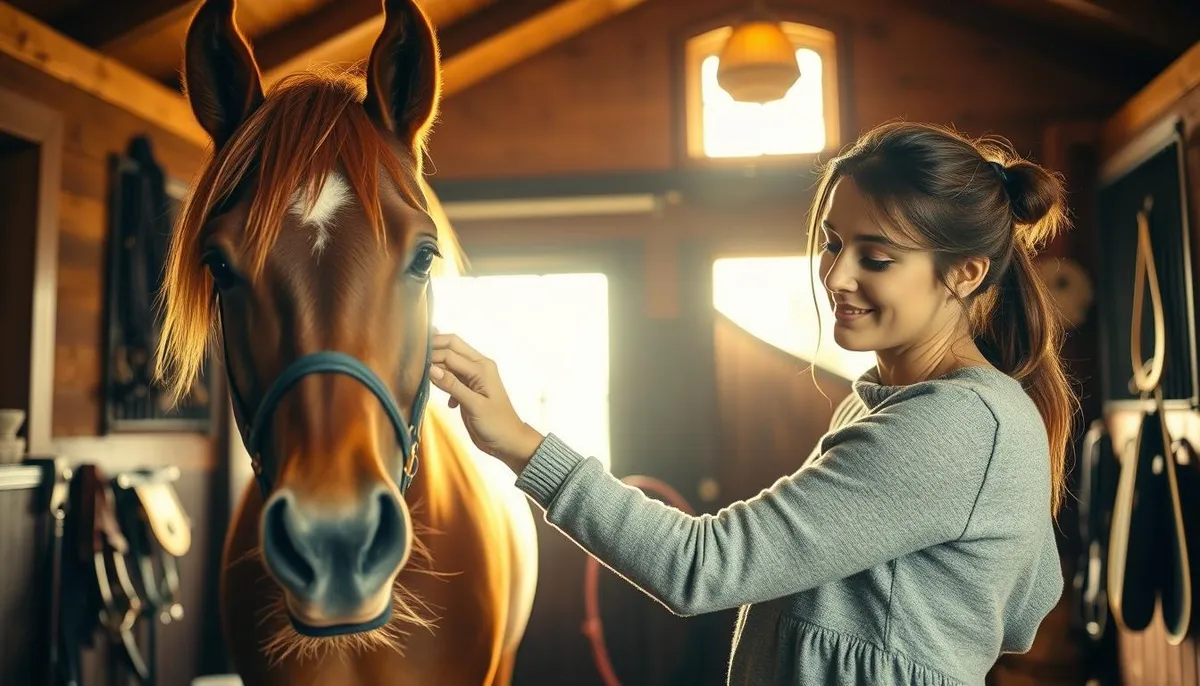
Grooming is done every day. Start with the hooves, then use the curry comb and soft brush. Check the legs, back, and withers. Clean the equipment to avoid rubbing. All this prevents irritation and infections after exercise.
Always have a first aid kit ready. It should contain antiseptics, bandages, scissors, a thermometer, and more. Also, include the veterinarian's and nearby clinic's numbers. A written guide in the tack room is useful for everyone.
Diseases to Monitor and Warning Signs
Monitor the horse's temperature, appetite, and behavior. Signs like fever, lameness, or coughing are alerts. If in doubt, contact the veterinarian quickly. Isolating the horse may be necessary. A tracking notebook is very helpful for diagnosis.
- Persistent fever: check twice a day.
- Colic: remove food, provide water, walk gently.
- Coughing and nasal discharge: monitor breathing and effort.
- Lameness: rest, check hooves and limbs.
Transport, Stable Accommodation, and Well-Being
Before traveling, acclimate the horse to the ramp. Check the protections and prepare the paperwork. Ventilate the trailer, secure the hay safely, and take breaks. A calm horse recovers better from a trip.
In the stable, ensure good ventilation and clean bedding. Water should be available at all times. Daily outings, social interactions, and good feeding are key to their well-being. A quiet place for care is also helpful.
- Regular outdoor access and functional shelter.
- Paddock rotation to preserve grass.
- Weight control and adjusting hay according to exercise.
- Maintenance of grooming areas for consistent horse hygiene.
Riding in Clubs and Progression of Gallops
Lessons at the equestrian center follow a precise plan. You learn to maintain balance, adopt the right posture, and feel confident. With a pony or horse, students discover how to manage pace, transition from one gait to another, and steer the animal, then strengthen their control on flat ground and outdoors.
Learning stages are organized by gallop. They include practice and theory: knowledge of anatomy, safety, equipment maintenance, and use of aids. With step-by-step guides and images, students learn movements, adjust their hands, and coordinate their breathing.
In the equestrian center, students explore different disciplines like dressage or show jumping. They test different techniques, then improve their style through daily practice. This ritual, done with a suitable pony, develops their autonomy, precision, and sense of rhythm.
As they progress, students learn to prepare their mount, analyze the terrain, and adjust their position. Instructions on rein handling, rhythm, and course complement the riding program. Calm and reliable school horses help ensure safe progress.
During the season, the equestrian center organizes workshops to enhance skills. Here, they review fundamentals, improve stops, transitions to gallop, and practice complete sequences. Riders, whether on ponies or horses, become more precise through targeted basic exercises.
This gradual approach enriches the bond between horse and rider. Sessions combine technique and enjoyment, always prioritizing the animal's well-being. Riding thus becomes a common language, learned step by step, fostered by discipline and the collective spirit of the club.
Discipline, Pony Rides, and Tack
Choosing an equestrian discipline is like preparing for a pony ride or selecting a good tack. You need suitable and reliable equipment. This helps you progress and enjoy, whether in the arena or in the countryside.
Show Jumping, Dressage, Eventing, TREC, and Endurance
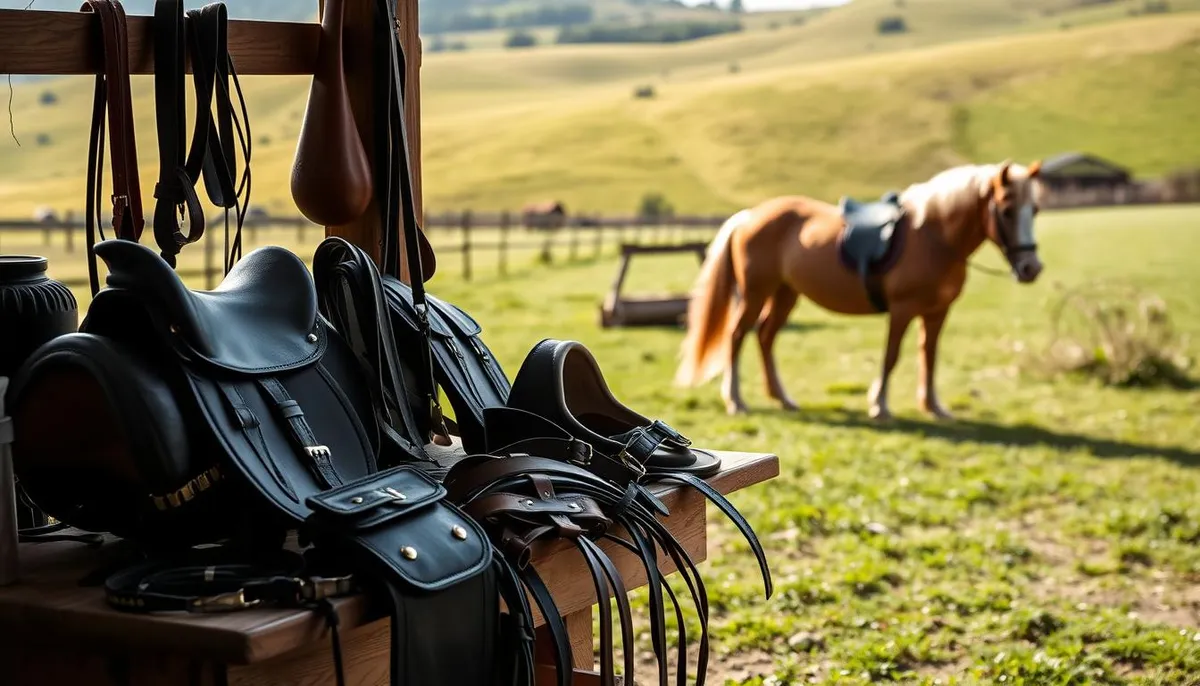
Show jumping requires a stable saddle. Safe stirrups and solid protections are also necessary. In dressage, softness and balance are essential.
For eventing, solid equipment is required. TREC and endurance demand comfort and breathable gear for everyone.
Vaulting, Western Riding, Horseball, Polo, and Driving
In vaulting, a special girth, pad, and stable gait are needed. Western riding favors a wide saddle and a soft bit.
Horseball and polo require strong protections. For driving, a well-fitted harness ensures safety and direction.
Pony Rides in Equestrian Centers Safely
Before mounting, check the pony's equipment. Keeping a good distance between each pony makes the ride less stressful.
You must wear a helmet, vest, and appropriate clothing. The instructor's instructions help adopt good practices.
Outfits and Accessories: Saddle, Bridle, Protections, and Maintenance
Good attire improves the rider's stability. The saddle, bridle, and protections must be well-maintained.
Leather maintenance helps keep the equipment in good condition. Gloves, a helmet, and well-fitting boots are essential.
La Sellerie Française: High-End Equipment, 100% Made in France
La Sellerie Française uses quality materials. Each piece is crafted in France, with attention to detail.
This attention to detail appeals to demanding riders, whether for competition or leisure.
Choosing Custom-Made for the Comfort of the Horse and Rider
Custom-made ensures a better fit for the pony. This reduces pressure points and promotes movement.
Whether in the arena or outside, this improves performance. It also strengthens the bond between rider and horse.
| Discipline | Key Requirement | Recommended Equipment | Benefit for the Pony | Control Point |
|---|---|---|---|---|
| Show Jumping | Stability and cushioning | Close contact saddle, firm protections | Preserved back on landing | Stirrups of equal length |
| Dressage | Precision of aids | Long-flap saddle, fine bridle | Relaxed neck, stable contact | Appropriate gullet width |
| Eventing | Versatility | Mixed saddle, reliable bit | Free shoulders in cross-country | Attachment of fetlock protections |
| TREC / Endurance | Long-lasting comfort | Breathable pad, lightweight bridle | Facilitated thermoregulation | No friction points |
| Vaulting | Lateral stability | Vaulting girth, surcingle | Regular gait without discomfort | Adjustment of handles |
| Western | Fine control, comfort | Western saddle, soft bit | Supported back during long sessions | Pressure distribution |
| Horseball / Polo | Responsiveness | Reinforced protections, grippy reins | Secured limbs in contact | Well-tightened fastenings |
| Driving | Balanced traction | Custom harness | Shoulder and breast protected | Saddle adjustment |
Choosing Your Equestrian Center, Buying or Boarding a Pony
Before deciding on a pony purchase or boarding, it is crucial to define your project. This can be for leisure, sport, or even breeding. Choose an equestrian center that is easily accessible, honest, and adaptable to your level. It is equally important to calculate your riding budget in advance to avoid unpleasant surprises.
Criteria for a Good Equestrian Center and Supervision
A good supervision must be certified by the French Equestrian Federation. Look for well-defined safety protocols and an impeccable stable.
Also, ensure that the place has drained arenas, a well-lit riding hall, and a clean tack room. These elements are signs of quality.
- Diverse mounts, with ponies and horses suited to each gallop.
- Care routines inspired by Living with a Horse: grooming, outings, veterinary follow-up.
- Level groups, progressive pedagogy, respect for well-being.
Trials, Veterinary Visit, and Purchase Contract
It is advisable to conduct trials on flat ground and outdoors. This allows you to observe the pony's behavior and abilities.
Before purchasing, a complete pre-purchase veterinary examination is crucial. It should include locomotion, dental, and back checks.
- Define the use: leisure, sport, breeding; check actual suitability.
- Contract: pony identity, guarantees, trial, transport and payment terms.
- Request the passport, vaccinations, farrier follow-up, and stable history.
Budget, Boarding in Stable, and Long-Term Follow-Up
A thoughtful riding budget includes more than just the purchase price. Consider boarding, farrier, feeding, insurance, and equipment costs. Don't forget regular maintenance.
- Follow-up: work assessments, ration adjustments, dental checks.
- Plan for potential resale and medium-term sports or leisure value.
- Compare boarding options: pasture/stall, daily outings, coaching options.
Practical Resources: Illustrated Guides and Step-by-Step
To become more autonomous, use illustrated step-by-step guides. Larousse books contain 650 photos by Bob Langrish. They show how to care for, equip, load, and train your horse.
- Memo sheets to evaluate an equestrian center and prepare for trials.
- Transport checklists, equestrian pharmacy, and pony purchase documents.
- Training supports to progress calmly at the stable.
| Position | Content | Decision Points |
|---|---|---|
| Supervision | FFE certified instructors, level-based pedagogy | Structured lessons, constant safety |
| Facilities | Drained arena, riding hall, tack room, wash area | Even ground, lighting, visible maintenance |
| Trials | Flat, outdoors, behavior observation | Responsiveness, calmness, suitability for objectives |
| Veterinary | Pre-purchase, locomotion, dentistry, back | Written report, recommendations |
| Boarding in stable | Pasture/stall, outings, bedding, ration | Clear contract, flexible options |
| Riding Budget | Purchase, farrier, feeding, insurance | Annual forecast and unexpected margin |
| Equipment | Saddle, bridle, protections, maintenance | Adjustment by a saddle-fitter |
Conclusion
This guide has explored the world of ponies and their comparison with horses. It has connected history, breeds, and their natural behavior. Foundations have been laid to understand riding well, highlighting differences in morphology and temperament.
Knowing the anatomy and needs of horses improves their daily care. It also makes problem prevention more effective. The advice from Le Petit Larousse du cheval et du poney, illustrated by 650 photos from Bob Langrish, offers safe methods for caring for these animals.
Confidence when riding a pony comes from a good equestrian center and proper preparation. Equipment, sometimes customized like that from La Sellerie Française, enhances comfort and performance.
To progress, use illustrated resources and good supervision. Choose equipment that evolves with you and your riding practice. Daily, take care of your horses and ensure reliable logistics. In France, a good equestrian center is key to a strong and lasting relationship with your pony.
FAQ
What is the difference between a horse and a pony in French riding?
In riding, the pony is smaller than the horse. It is better suited for children and lighter adults. Clubs use them to introduce and teach various disciplines.
Horses, on the other hand, are larger. They have more strength and are used for specific tasks.
What pony and horse breeds are most commonly found in equestrian centers?
Equestrian centers favor Shetland, Welsh, and Connemara ponies for starting and sports. Breeds like Thoroughbreds, Arabians, and Selle Français are popular.
For driving and work, draft horses like Percherons are preferred.
How does ethology help in daily stable life?
Ethology studies horse behavior. Understanding their signals improves our safety alongside them. It helps us communicate better and reduce their stress.
What key points of the locomotor system should be known to prevent injuries?
It is important to monitor tendons, joints, and muscles. Adapting training and varying terrains is crucial. Adjusting the harness by a professional is also very important.
How to properly feed a pony to avoid colic?
For a healthy pony, focus on forage and divide meals. Ensure access to clean water and gradually change the diet.
Adjust food according to effort, age, and seasons. Good feeding management is essential.
What are the warning signs of illness to monitor daily?
Pay attention to fever, coughing, loss of appetite, and colic. Also, check if the horse is lame or has wounds. If in doubt, call the veterinarian quickly.
What should a first aid kit in the stable contain?
It should have antiseptics, compresses and bandages, a thermometer, and gloves. A tick removal tool and emergency numbers should also be included.
A clean grooming kit is also necessary for daily maintenance.
How to organize the transport and accommodation of a pony safely?
Teach the pony to calmly enter the trailer. Use appropriate protections and always check the trailer.
In the stable, ensure good ventilation, clean bedding, and a consistent feeding routine.
How does the progression of gallops in an equestrian club work?
The gallops cover the theory and practice of riding. They teach safety, care, and riding techniques.
Passing these levels helps riders become more autonomous and safe.
What disciplines can be practiced with a pony in an equestrian center?
With a pony, one can do show jumping, dressage, and many other activities. The pony is versatile, perfect for leisure and competition.
How to prepare for a pony ride safely?
Before the ride, check the equipment, the pony's hoof condition, and the route. Follow the center's rules, stay visible, and wear comfortable gear.
How to choose the saddle, bridle, and protections for a pony?
Look for a good fit for the pony's morphology. A saddle fitter can help you choose and adjust the gear for comfort and performance.
What does custom-made equipment offer for the horse, pony, and rider?
Custom-made avoids pressure points and improves mobility and balance. It helps keep the equipment in good condition longer and protects the horse's back.
Why choose La Sellerie Française for your equipment?
La Sellerie Française offers quality equipment, made locally. Their products are durable, well-designed, and repairable, making them long-lasting.
How to evaluate an equestrian center before joining?
Check if the instructors are qualified and if the place is secure. A good center offers suitable horses and takes care of their well-being.
What steps to buy a pony with confidence?
Conduct trials, a veterinary visit, and check the pony's temperament. The contract should detail all important information.
What budget to plan for a pony in terms of care and boarding?
Consider the costs of purchase, housing, care, and equipment. Plan a budget for long-term maintenance.
What reliable resources are available to progress in riding?
Guides like Le Petit Larousse du cheval et du poney are useful. They offer clear advice for all levels of riders.