
The Haflinger horses are loved for their rustic nature and versatility. In France, they shine in various activities such as hiking and driving. Our guide aims to simply explain their needs, avoiding reducing them to "just little horses".
This text shows you how to adjust breeding and daily care to their frugal disposition. It covers housing, grazing, and the importance of monitoring sugars, particularly in spring.
We will discuss genetics, wise breeding, disease prevention, and the importance of a good dietary balance. The goal is to provide a healthy and enjoyable routine for both the owner and the horse.
When it comes to equipment, the quality and comfort of the horse are paramount. The French Saddle offers high-end gear, made in France. They are available as unique pieces or in limited editions, created by renowned artisans.
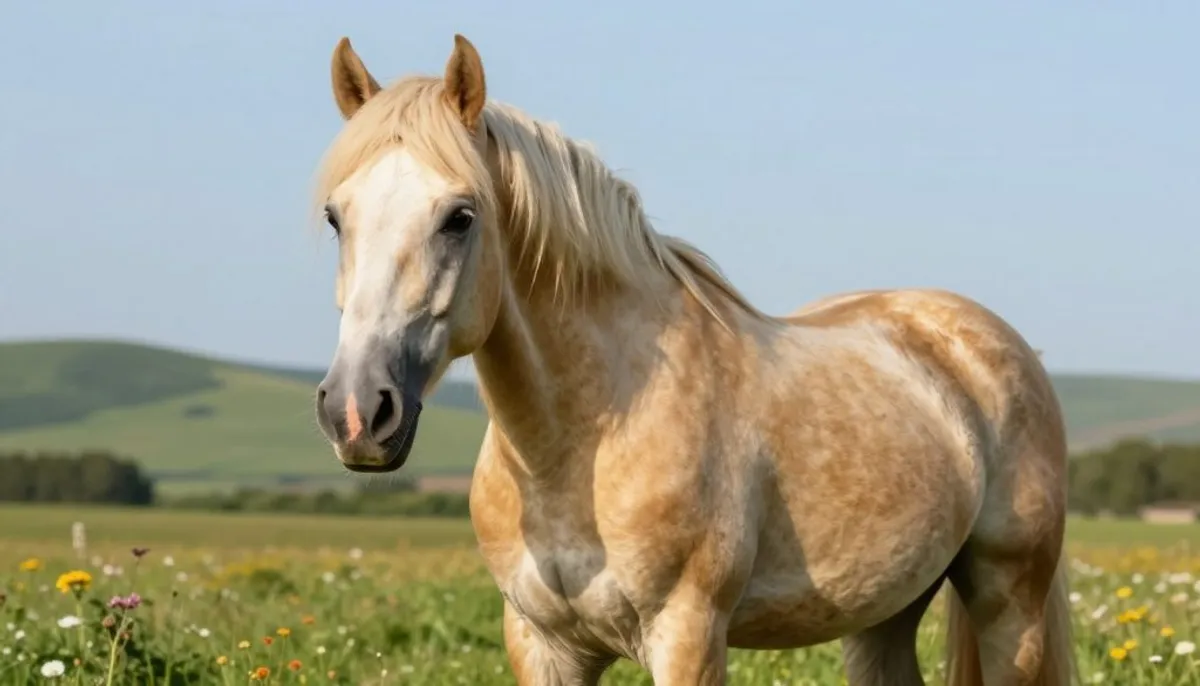
For better visuals, there will be photos of Haflinger horses. They help understand their morphology, health status, and details for identification.
Key Points to Remember
- Understanding the Haflinger horse helps better adjust feeding, work, and lifestyle.
- In France, the trio of box, paddock, and active stable imposes different choices in movement and hay management.
- Monitoring sugars while grazing is central to limiting metabolic risks.
- Preventing tying up involves regularity, warming up, and an adapted ration.
- The basics of genetics and breeding mainly serve to preserve health and diversity.
- Photos of Haflinger horses help compare morphology, coat, and physical condition over the seasons.
Origins and History of the Haflinger Horse Breed
Let's talk about where Haflinger horses come from. They originate from regions with many slopes, cold weather, and tough terrain. That’s why they are seen as robust horses with specific needs.
These horses adapt well by simply eating and moving a lot. They should avoid too much sugar. Even if one does not live in the Alps, these points remain important.
Studying the history of Haflingers shows that their longevity comes from several factors. These include choices in breeding, maintaining genetic diversity, and adapting them to their environment and use.
Alpine Cradle and Selection Over Generations
The Haflingers come from the Alps, where there was a need for reliable and easy-to-keep horses. They had to walk well on narrow paths. Thus, the breed developed around practical qualities.
The selection highlighted their stable temperament. A horse must remain calm, even if the weather changes or the road is tough. This quality is still sought after in breeding in France.
Evolution of Uses: Light Draft, Leisure, and Sport
Initially, Haflingers were mainly used for daily work. But over time, their roles changed. They are now highly valued for leisure, hiking, and driving.
This transition was not just a change in their use. It motivated breeders to have specific goals for reproduction. They seek to improve health, performance, and temperament for the future.
| Target Use | Desired Qualities | Breeding Points to Monitor |
|---|---|---|
| Light draft and utility | Functional strength, solid conformation, calmness | Foot condition, endurance, ability to maintain a steady pace |
| Leisure and hiking | Comfort, balance, steady temperament | Weight management, simple feeding, need for daily movement |
| Driving and amateur sport | Responsiveness, effective pulling, honesty | Partner selection based on pedigree, health, past performance |
What Distinguishes the Haflinger from Other Rustic Breeds
When we talk about "rusticity," for the Haflinger, it means a great capacity for adaptation. But it should not be placed in an environment that is too rich or without movement. This could harm it.
Haflingers are also appreciated for their versatility. Following their genealogy, ensuring their health, and preventing diseases is crucial. This allows for a horse well-suited to its tasks, whatever they may be.
Characteristics of the Haflinger Horse
If you are thinking of getting a Haflinger horse, it is good to look at its body, color, and spirit all together. The traits of the Haflinger speak to its appearance and role, especially for leisure moments, outings, or pulling something. Understanding all this also helps choose the right food and plan physical activity. This is crucial for a horse that needs to be versatile.
Model, Size, Bone Structure, and Typical Build
Haflingers are compact, with a broad chest and often a short back. They have solid bones, clear joints, and a strong but not heavy neck. These points show us a stable horse, which is great on uneven ground.
Their good structure and healthy feet give them good endurance in daily life. In breeding, we look for fluid movement and the ability to carry while remaining easy to maintain.
Chestnut Coat and Light Mane: Identification Points
The Haflinger is known for its chestnut coat and very light mane. The color ranges from a golden chestnut to a slightly darker shade. They have a flaxen mane that catches the light well. This color combination makes it easy to identify these horses.
Brushing their mane often requires detangling, especially if they live outdoors. A brief but regular grooming routine prevents knots. It also keeps their mane clean without spending too much time.
Temperament: Versatility, Proximity to Humans, and Sensitivity
Haflingers enjoy being with people and learn quickly. However, they are sensitive to changes. This sensitivity can be positive if one knows how to communicate well with them.
When choosing a horse, its temperament is as important as its physical appearance. A calm, curious, and sincere character makes outings more enjoyable. It also helps with ground training, alternating activity and rest.
Abilities: Hiking, Driving, Leisure Riding, and Ground Work
Haflingers are good for hiking, pulling loads, riding, or long walks. They remain well-balanced, and their size is reassuring for amateur riders. That’s why they are appreciated in many different activities.
They need to be managed simply and logically: move every day, gradually change the diet, and slowly increase work. Some may show stiffness after little effort or under stress. Remembering this helps prepare for warming up properly and avoid pushing them too abruptly.
| Evaluation Axis | What We Observe in the Haflinger Horse | What This Changes in Practice |
|---|---|---|
| Build | Compact body, rather short back, developed chest | Stability outdoors, comfort in carrying, ease in turns |
| Bone Structure and Feet | Solid limbs, feet to monitor like any rustic horse | Progressive program and regular trimming to preserve locomotion |
| Coat and Mane | Chestnut with light mane, often abundant mane | Regular grooming, attention to knots and hygiene after mud |
| Mental | Close to humans, willing, sometimes very reactive to change | Constant environment, fine aids, ground work useful to channel energy |
| Versatility | Leisure, hiking, driving, ground exercises | Alternate rest and activity without long breaks, manage ration/work |
Breeding Haflinger Horses in France
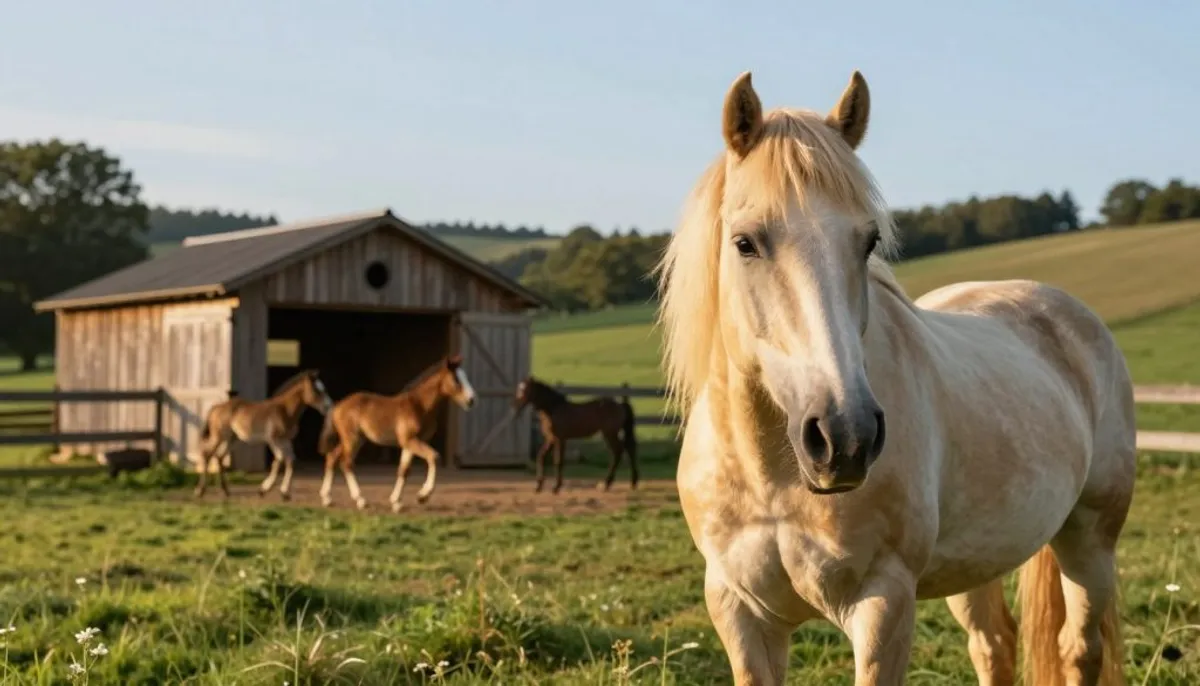
In France, starting a Haflinger horse breeding requires a clear idea. What type of horse do you want for tomorrow? The goals can vary: for leisure, driving, or versatility. Every decision, from choosing parents to monitoring foals, is guided by this objective.
It is also important to consider the environment: the land, the climate, and how you will interact with the horses. Having a good plan prevents impulsive decisions.
Choosing Breeders: Goals, Morphology, and Temperament
Choosing a breeder in Haflinger breeding is based on three criteria: appearance, mentality, health. The perfect horse must be well-proportioned, have good structure, and move easily.
Personality is as crucial as appearance. We look for a cooperative, friendly Haflinger that remains calm in new environments or while driving.
- Health: veterinary history, foot quality, dental care, no lameness.
- Conformation: shoulders, back, hocks, balance.
- Behavior: handling on the lead, loading, stress management, respect for humans.
Basics of Equine Genetics: Dominant/Recessive Genes and Heredity
Genes are the basis of heredity, located on chromosomes. Each horse receives a double set of these chromosomes, one from each parent. They define color, size, and certain behaviors.
A dominant gene can be expressed with just one parent. A recessive gene must come from both. Some traits can skip generations. Mutations are random changes in DNA, sometimes good, sometimes bad.
In Haflinger breeding, the choice of a stallion goes beyond performance. Genetic testing and a detailed pedigree help select the best candidates.
Genetic Diversity and Prevention of Inbreeding
Genetic diversity is essential. It influences health, adaptability, and resistance to diseases. This is crucial for a horse destined for a long life.
In contrast, inbreeding risks increasing genetic problems. Responsible breeders seek to preserve this diversity while improving certain traits.
| Decision Point | Recommended Approach | Desired Effect on the Lineage |
|---|---|---|
| Choice of Origins | Diversify bloodlines, avoid the same close ancestors | Reduce genetic risks, ensure consistency |
| Stallion | Look beyond beauty: character, health, genetics | Have a reliable Haflinger, not just a pretty one |
| Monitoring Offspring | Observe growth, posture, personality, reaction after effort | Base the choice of breeders on facts |
Best Practices: Veterinary Monitoring, Reproductive Cycle Management, and Planning
Success also depends on the method. Knowing the reproductive cycles of the mare, planning matings, avoiding late foalings. This helps prevent complications.
Regarding health, regular veterinary visits ensure safe reproduction. This includes checks before and during gestation, a vaccination program, and monitoring after birth. In a Haflinger horse breeding, this routine is key for a well-started and closely monitored animal.
Crossbreeding and Reproduction: Responsible Strategies to Improve the Lineage
In France, crossbreeding can help produce strong horses with good character. However, caution is essential. When working with Haflinger horses, the goal is to improve quality, not just produce more. For successful breeding, focus on health, rusticity, and the daily use of horses.
Using this method requires patience and being methodical. Careful selection of parents and close monitoring of the mare and stallion's health is necessary. Thus, crossbreeding helps maintain strong horses in the long term.
Why Crossbreeding Matters: Vitality, Resilience, and Sustainability
Genetic diversity makes horses stronger against diseases and environmental changes. For Haflingers, it avoids the problems of too narrow a selection. We aim to keep solid foundations without changing the breed.
Choosing crossbreeds carefully can enhance important characteristics such as leg strength or ease of maintenance. For a leisure horse, these aspects are often more important than a spectacular appearance. Properly managing diet and exercise also helps keep the horse healthy.
Genetic Compatibility: Testing, Pedigree Analysis, and Risk Management
Conducting genetic tests before breeding can limit the transmission of diseases. This allows for informed decisions, especially if the diseases in the lineage are known. It is a simple yet crucial step in Haflinger breeding.
Analyzing the pedigree helps identify possible crossbreeds and avoid inbreeding. When choosing a stallion, one must consider its health, fertility, how it moves, and what its offspring have shown.
- Check genetic status when relevant, especially on recessive points.
- Compare pedigrees over several generations to seek diversity.
- Observe the offspring: size, back, feet, mental state, and ease of work.
Example of a "Leisure and Driving" Goal: Haflinger x Welsh Cob Cross
The Haflinger x Welsh Cob cross is ideal for "leisure and driving" use. We want a robust horse, with a good spirit and pleasant to steer. This horse should be easy to maneuver, remain calm, and be comfortable at all gaits. The Haflinger brings its robustness, while the Welsh Cob can offer more energy and movement.
| Decision Point | What We Aim for in "Leisure and Driving" | What We Monitor Before Validation |
|---|---|---|
| Build and Balance | A compact, stable horse, easy to direct in harness | Back too long, stiff shoulder, balance issues at trot |
| Temperament | Calm, cooperative, adaptable to new things | Too strong sensitivity, fear of contact, not handling open spaces well |
| Feet and Conformation | Resilient feet, good structure, regular movement on different terrains | Unstable conformation, history of lameness, abnormal foot wear |
| Stallion Choice | A stallion with a good pedigree, in good health, with consistent offspring, suitable for driving or riding | Missing information about its offspring, common defects, insufficient medical follow-up |
Breeding Ethics: Health, Temperament, and Well-being Before Performance
The first rule in breeding ethics is not to produce if the health risks are high. This includes hereditary defects and difficult-to-manage temperaments. A good Haflinger breeding chooses animals that can live outdoors, work without pain, and remain calm with humans.
Well-being also includes careful monitoring of health status, musculature, and recovery. A well-cared-for Haflinger horse withstands better over time. What truly matters is a balanced and safe life for the horse.
Daily Care and Maintenance: Feeding, Feet, Dentistry, Monitoring
The Haflinger horse is a robust animal, but it reacts quickly when it eats too much, especially if the grass is rich. To keep it healthy, a daily routine is crucial. It is useful to note any changes in appetite, droppings, energy, and foot temperature.
Balanced Diet: Fiber First, Vigilance on Carbohydrates
Hay or haylage should form the basis of the diet, with the amount suited to needs. A horse can consume up to 15 kg of hay per day. It is essential to check the quantity and quality of hay to adjust the rest of the diet.
Foods high in carbohydrates and low in fiber pose a risk, especially if physical activity decreases. If a supplement is necessary, choose simple feeds. For energy, it is better to prioritize fats rather than increase sugars.
Don't forget antioxidants for muscles: vitamin E, selenium, and vitamin C. And as a precaution, avoid feeding the horse concentrates less than three hours before exercise. This rule applies at home as well as in Haflinger stables.
Forage, Grazing, and Transitions: Limiting Sugar-Related Risks (Fructans)
Putting a Haflinger horse out to pasture without control can cause problems. The sugar content of grass depends on species, weather, and season. This can lead to health issues such as laminitis and obesity.
A good transition is crucial to avoid risks, such as at the beginning of the season or a change of pasture. Gradual changes, keeping hay as a reference, can prevent many health problems.
Feet and Locomotion: Trimming/Shoeing, Abscess Prevention, and Mud Fever
Daily living conditions affect foot health: humidity, mud, etc. Regular trimming or appropriate shoeing ensures good mobility. After an outing, checking the feet can prevent surprises.
A good environment also reduces risks. Less mud and stabilized areas decrease the chances of abscesses and mud fever. A clean ground promotes foot health, with fewer odors and problems with the frog.
Regular Checks: Dentistry, Thoughtful Deworming, Vaccinations
A dental issue is easily noticeable: slow chewing or weight loss. Regular visits to a professional are recommended to maintain good health. This is especially important for Haflingers that eat a lot of hay.
For parasites, a thoughtful approach is preferable to random treatment. The treatment should be adjusted according to lifestyle and on veterinary recommendation. Vaccinations should also be discussed with a veterinarian, based on specific needs. In Haflinger stables, this helps protect the horses and simplifies management.
| Routine Point | What We Observe Daily | Simple Adjustment Lever |
|---|---|---|
| Forage | Time spent eating, droppings, body condition | Weigh hay, check its smell and dust, divide if necessary |
| Carbohydrates | "Sawtooth" energy, rapid weight gain, sensitivity to grass | Reduce concentrates, prioritize fiber, adjust to activity |
| Grazing | Swollen belly, warm feet, stiffness after grazing | Gradual transitions, hay as a reference, parcel management |
| Feet | Frog odor, slight lameness, mud stuck to the pasterns | Cleaning, stabilized areas, follow-up on trimming/shoeing |
| Health Monitoring | Appetite, behavior, coat quality, work tolerance | Plan dentistry, discuss thoughtful deworming and vaccines with the veterinarian |
Preventing Myopathies and "Tying Up" in Haflingers
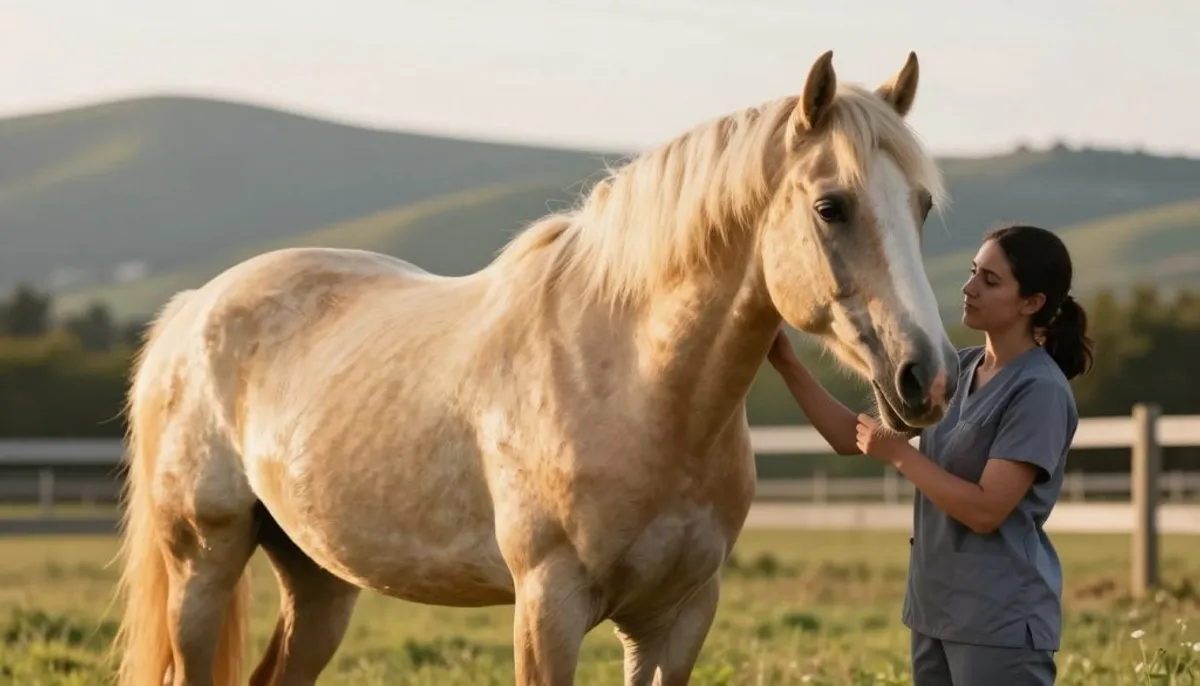
The tying up condition causes great suffering to the Haflinger horse. It is essential to balance their diet, exercise, and rest to protect them. Haflingers tend to gain weight easily, so this is crucial for their well-being.
Understanding Myopathy: Pain, Stiffness, Sweating, Dark Urine
Symptoms can occur quickly, often just after the start of exercise. Horses may become stiff, have difficulty moving, and refuse to advance. They may also sweat profusely and be very anxious.
If the myopathy is severe, the urine becomes dark, and veterinary assistance is necessary. Factors like dehydration and vitamin deficiencies can worsen the situation. It is important to recognize these signs early to avoid further pain.
Glycogen and Lactate Mechanism: Link Between Excess Sugars and Lack of Activity
Blood glucose is stored in the muscles as glycogen. If the horse eats too many sugars and moves little, glycogen accumulates. During exertion, if oxygen is lacking, the body produces lactates.
This accumulation of lactates causes cramps and pain. For a Haflinger, which is often economical in energy, it is essential to balance food and exercise.
Nutrition Prevention: Avoid High-Carbohydrate, Low-Fiber Rations
It is important to provide sufficient fiber to the horse, with good forage. Use concentrates rich in starch or sugars only if the horse is working hard. If the horse is resting, adjust its ration.
Do not give concentrates just before exercise. For the Haflinger, it is better to prioritize stable fibers than to give a spike of carbohydrates.
- Prioritize hay, and control access to rich grass according to the season.
- Adjust energy to planned exercise, not to current hunger.
- Ensure access to water, salt, and mineral balance, especially in hot weather.
Exercise Prevention: Warming Up, Active Recovery, and Regularity
Daily outings are as important as ridden exercise. Walks and an active life help avoid inactivity for too long. Regularity is essential for the health of a Haflinger.
Start exercise with a warm-up. Afterward, active recovery helps eliminate waste in the muscles. Even Haflingers, robust by nature, risk accidents if activity is resumed too abruptly.
| Point to Monitor | Signs to Spot | What Increases Risk | Simple Measure to Apply |
|---|---|---|---|
| Start of Session | Stiffness, refusal to advance, "cramped" posture | Resumption after rest, stress, too rapid effort | 10–15 min of gradual warm-up at the walk then at a light trot |
| General Condition | Tremors, unusual sweating | Dehydration, heat, deficiencies | Water available, salt, adapted mineral ration, breaks and shade |
| After Effort | Persistent pain, short stride | Sudden stop, insufficient recovery | Active recovery at the walk until calm return |
| Feeding | Rapid weight gain, "too much" energy | High-carbohydrate ration, insufficient fiber, concentrate before effort | Prioritize forage, adjust concentrates to work, avoid 3 hours before exercise |
| Severe Alert Signs | Dark urine, marked pain | Intense myopathy, possible muscle damage | Immediate stop, keep the horse calm and call the veterinarian |
Lifestyle and Haflinger Horse Stables: Box, Paddock, Active Stable
Lifestyle greatly influences the horse's health. For a Haflinger, it needs to move often, eat slowly, and stay dry. Thus, stables reduce the gap between rest and activity.
Need for Movement
In the wild, a horse explores and grazes for 15 to 16 hours a day. This activity represents about 18 km. But for domestic horses, they cover less, about 7.5 km. For Haflingers, this affects their body and energy.
In a box, they move nearly 200 m per day. In a paddock, it’s 1 km, and in an active stable, up to 5 km. Riding and walking can add up to an additional 5 km per hour.
Benefits of Active Stabling
In an active stable, horses move more. They go to water, hay, and resting areas together. This keeps them active and less dependent on the rider.
Moreover, food is managed better. Automatic feeders provide forage and pellets in small doses. This allows the Haflinger to eat calmly and regulates their sugar intake.
Paths and stable areas usable year-round limit mud. This prevents slipping, reduces infections, and keeps feet healthy.
Grazing Management
Too much grass can cause health problems in Haflingers. Poorly managed, this can lead to obesity, insulin resistance, and other diseases. The sugars in grass are often to blame, especially when access is sudden.
Good management starts with a gentle transition. This includes the start of the season and changes in pasture. In stabling, controlled access to grass is preferred.
Daily Organization
Weather and terrain influence the routine. In wet weather, it is better to use stabilized areas. Haflingers need to go out regularly to stay fit.
- Safety: visible fences, accessible water points, areas without blind spots.
- Surfaces: limit deep mud, alternate dry and soft, monitor for stones.
- Rhythm: daily outings, even short, and adapt if the group changes.
| Housing Mode | Typical Distance/Day | What This Changes for the Haflinger Horse | Point of Vigilance in Practice |
|---|---|---|---|
| Box | About 200 m | Low activity, energy spikes, feet more exposed to moisture if bedding is poorly managed | Increase outings, aim for gentle and frequent walking |
| Paddock ~2,500 m² | About 1 km | Better locomotion, but movement still limited if resources are close | Place water/hay at a distance, monitor soil condition |
| Active Stable | Around 5 km | Regular movements, more fragmented intake, metabolic support | Stabilized paths, fine ration management, group dynamics |
| Natural (reference) | About 18 km | Long walks while grazing, steady rhythm, high daily expenditure | Impossible to reproduce exactly, but useful as a benchmark |
Buying a Haflinger Horse: Criteria, Haflinger Horse Prices, and Haflinger Horse Adoption
To choose a Haflinger horse, think about its use: rides, driving, or a family horse. A Haflinger enjoys being close to people, but it needs rules and a routine. Space to move, the condition of paths, and your free time are crucial.
Learn about the horse's feeding and activity before visiting it. Pay attention to long breaks, sugary feeding, and sudden changes. These factors can cause muscle problems for a robust horse.
It is important to ask if the horse has had health issues like tying up. Observe if these issues occurred after effort or stress. A seller who is transparent about these points is generally more reliable.
| Your Use | Questions to Ask | Points to Check On-Site | What This Changes Daily |
|---|---|---|---|
| Leisure and Outdoors | Frequency of outings, grazing management, habits alone/in a group | Calm during grooming, feet, breathing, reaction to noises | Need for a regular schedule and a safe terrain |
| Driving | Experience in pairs or solo, equipment used, basic training | Acceptance of harness, starts/stops, straightness | More time for equipment maintenance and safety |
| Breeding Project | Pedigree, results, health, reproductive history | Model, conformation, locomotion, temperament at work | Interest in genetic testing and compatibility analysis |
| "Family" Horse | Behavior with children, handling by different riders | Patience during saddling, respect on foot, ease of loading | Less margin for "invasive" habits |
The cost of a Haflinger horse includes more than the initial purchase. In France, it depends on housing, food, care, and equipment. Choosing quality equipment is as essential as the saddle; La Sellerie Française offers durable products made in France.
Adopting Haflinger horses is a wonderful way to help. It requires patience and attentive rehabilitation. With a stable routine and good management, adopting a Haflinger can be very rewarding.
Conclusion
The Haflinger horse charms with its robustness and special bond with humans. It is very versatile. To understand it, one must look at everything: origins, physique, nature, lifestyle, and goals. With a simple and consistent approach, the Haflinger thrives in hiking, driving, and leisure.
Every day, three things make a difference for it: movement, fiber, and gradualness. It needs exercise every day, a diet rich in forage with little sugar, and gentle changes in work as well as feeding. Following these tips avoids problems and ensures good health for the Haflinger.
Preventing "tying up" in Haflingers depends on dietary balance and exercise. It is crucial to warm them up before effort and encourage active recovery. What matters is regularity, not intensity, especially for the Haflinger, sensitive to excesses.
In terms of housing, the figures are telling: they walk about 18 km per day in the wild, but only 200 meters in a box. In a 2,500 m² paddock, they cover 1 km and up to 5 km in an active stable.
For breeding, it is important to stay focused on clear goals, genetic diversity, and pedigree analysis. Genetic testing is valuable when necessary. They help reduce the risks of hereditary problems and maintain good nature. Equipment should also be chosen carefully. La Sellerie Française offers high-end products, custom-made or in limited edition. They are made in France from A to Z for the comfort of the Haflinger horse all year round.
FAQ
What are the most sought-after characteristics of the Haflinger horse by owners?
Owners love the Haflinger for its chestnut color and light mane. It has a compact shape that makes it versatile. The Haflinger is close to people, enjoys cooperating but needs regularity.
Its feeding and exercise must be consistent for it to feel good.
What makes the Haflinger a rustic horse… and why should we remain vigilant?
The Haflinger is resilient but requires regular care. It must move every day and eat high-fiber foods. Watch out for excess sugars, especially when grazing.
This can cause health problems like tying up.
What disciplines are best suited for the Haflinger horse?
The Haflinger shines in leisure riding, hiking, and driving. It is very versatile if well managed. A good balance between rest and exercise is crucial for its health.
What are the fundamentals of Haflinger horse breeding in France?
Start by defining your goal: leisure, driving, or family horse. To choose a good breeder, look at physique, character, health, performance, and pedigree.
Breeding requires a well-thought-out plan for a sustainable lineage.
What basics of genetics should be understood before crossbreeding Haflingers?
It is essential to know the heredity of horses. Each Haflinger receives two sets of chromosomes, one from each parent. These genes influence many things, such as color and personality.
A dominant gene is visible with one parent carrying it. A recessive gene requires both parents to carry it.
Why is genetic diversity central to a sustainable Haflinger lineage?
Genetic diversity ensures health and adaptability. Reducing inbreeding avoids hereditary diseases. Good breeding aims to maintain this diversity while improving certain qualities.
Should genetic tests be done before crossing a Haflinger?
Absolutely. Tests detect recessive diseases to prevent their transmission. Do not choose a stallion based only on appearance. A genetic and pedigree analysis is safer.
Is the Haflinger x Welsh Cob cross relevant for a "leisure and driving" goal?
Crossing a Haflinger and a Welsh Cob can improve versatility and temperament. However, the choice depends on the health and pedigree of the parents. Genetic diversity should also be considered.
What diet should be prioritized for a Haflinger in France?
A simple but balanced diet is necessary. Base it on forage, and add concentrates if necessary. Avoid overly sugary foods. Good hay may be sufficient.
Why avoid sudden dietary changes in Haflingers?
Avoid sudden changes to prevent disrupting its system. Poor transitions can cause colic and myopathies. Always make changes gradually.
Is grazing always a good idea for a Haflinger horse?
No, uncontrolled grazing can be risky. Grass can vary and sometimes cause health problems. Manage grazing well to avoid issues like laminitis and obesity.
What should be known about the feet and locomotion of a Haflinger according to its lifestyle?
A good environment reduces risks for feet and movement. Stable areas prevent slips and foot problems. Foot care should adapt to terrain and climate.
What is meant by "tying up" in Haflingers?
The tying up condition is a myopathy. It can occur after excess sugars or lack of exercise. Some horses are genetically predisposed to it.
What signs should alert during a myopathy episode ("tying up")?
Pain often appears shortly after the start of exercise. Signs include stiffness, tremors, and excessive sweating. Dark urine is an urgent sign.
How does the glycogen/lactate mechanism explain tying up?
Too much glycogen can limit oxygen during exercise. This produces lactates, causing pain and cramps. An imbalance in diet and activity can worsen the situation.
What nutritional measures reduce the risk of myopathies in Haflingers?
Avoid overly sugary foods and favor forage. The diet should match the exercise. Do not give concentrates just before effort. Replace some carbohydrates with fats if necessary.
Why are warming up and active recovery so important for a leisure Haflinger?
Warming up prepares for work, and recovery helps calm the muscle. This is especially essential after a break to avoid sudden myopathies.
What daily movement benchmarks according to housing (box, paddock, active stable)?
In the wild, horses move a lot. But domesticated, they move less. Good housing allows them to move sufficiently, depending on terrain and climate.
What are the advantages of an active stable for a Haflinger in France?
An active stable encourages movement and socialization. It keeps the ground dry, distributes food better, and adjusts access to areas intelligently.
How far does a Haflinger walk at work, and how does this compare to life in the pasture?
While working, a horse walks from 2.5 to 5 km per hour. This shows that a work session can complement but not replace the natural movement needed.
What to check before buying a Haflinger horse to avoid management surprises?
Ask for the feeding and activity history. Check if there have been episodes of myopathy. Knowing the risks helps avoid problems.
What does the price of a Haflinger horse depend on and the real cost in France?
The purchase price is just the beginning. Costs include housing, food, health, and equipment. Good management can reduce these expenses.
Haflinger horse adoption: what specific points of vigilance?
When adopting, carefully analyze the horse's past. A sudden change can cause problems. Plan a gentle transition with the help of a veterinarian.
What equipment should be prioritized for a Haflinger, and why invest in durability?
Choose quality equipment for a versatile Haflinger. The French Saddle (https://laselleriefrancaise.com) offers durable items made in France by skilled artisans.
Where to find Haflinger horse stables suitable for its lifestyle in France?
Look for stables that ensure good movement, a forage-based diet, and intelligent grazing management. The environment is crucial for a sensitive horse.
Where to see photos of Haflinger horses and what to pay attention to for recognition?
In photos of Haflinger horses, look for the chestnut coat and light mane. Also, observe the overall condition and musculature. But nothing replaces an on-site visit.