
When a horse neighs, it is never without reason. This cry is a means of equine communication filled with emotions and related to the context. To truly understand what the horse is saying and to improve in riding, it is crucial to listen to its tone, observe its body, and connect its cries to the situations experienced.
The neighing can mean many things. It can express the desire to locate others, a search for contact, or a reaction to stress, especially during transport or in the face of the unknown. But it can also show the joy of reunions or impatience before a meal. In the wild, horses rarely neigh to avoid attracting predators and prefer discreet signals.
Horses also use other sounds like alarm snorts or grunts when they are worried, and squeals or snorts to relax. Each sound is accompanied by visual signs: movements of the ears, head, tail, and posture. Knowing how to read these signs allows for a better understanding of horses and appropriate reactions.
This article will identify the different types of neighs — alert, satisfaction, distress — and provide advice on how to respond calmly. The goal is to listen better, make training safer, and strengthen the bond between humans and horses in daily life.
In France, understanding these signals helps whether at the stable or while traveling. Choosing comfortable equipment enhances the horse's well-being. Riders are encouraged to select high-quality gear, such as that from La Sellerie Française, to better support their horse.
Key Points
- The neigh is a nuanced social code, different from speech but rich in meaning.
- Call, stress, isolation, or joy: the context sheds light on each horse sound.
- Observing ears, neck, and tail helps to understand horses accurately.
- In a natural state, vocalization remains rare to limit predator attention.
- Other horse cries complement the message: snorts, grunts, squeals, snorts.
- Calm and consistent responses improve riding and safety.
- High-quality French equipment, like La Sellerie Française, supports comfort and relationships.
Neighing and Equine Communication: What the Horse's Cries Reveal
The neigh is more than just a sound. It plays a significant role in communication among horses. It marks their social bond, expresses their emotions, and helps us understand horses in daily life. Examining their context, posture, and the intensity of their cry tells us a lot about their behavior.
The Role of Neighing in Horse Language
Neighing is central to their exchanges. It brings distant horses together, signals their presence, and keeps the group united. It also reflects their emotions, from joy to anxiety. Neighs directed towards humans often indicate a positive bond, showing how their communication evolves with us.
Why Horses Rarely Neigh in a Natural State
The horse, a prey animal, chooses discretion. In the wild, herds communicate silently: moving ears, tense necks, and significant glances. They primarily neigh to bridge distance or during emergencies. This sound discretion is a characteristic trait of their behavior.
Differences with Other Sounds: Snorts, Breaths, Grunts, Squeals
Each horse noise has a particular meaning. A sudden breath indicates a nearby danger. A deeper grunt expresses their curiosity or excitement. The squeal, short and high-pitched, establishes distance in contact. The snort serves to clear the nostrils, often after exertion.
Recognizing Intent: Call, Alert, Satisfaction, Distress
To understand horses, one must associate the sound with the context. A long, clear call often signifies separation. An alert, through short and loud sounds, mobilizes the group. A deep and soft tone announces their contentment, such as with the arrival of food. Distress is recognized by a loud and prolonged sound.
| Intention | Sound Profile of Horse Cries | Body Signs | Practical Reading (Equine Communication) |
|---|---|---|---|
| Call | Long, clear, audible from afar | Ears forward, head raised, tense neck | Seeking a companion, need for reference in horse language |
| Alert | Short, powerful, sometimes high-pitched at first | Sudden stillness, flared nostrils, fixed gaze | Gather the group and direct attention |
| Satisfaction | Deep, soft, sometimes repeated | Relaxed neck, chewing, regular breath | Positive association, calming in equine communication |
| Distress | Loud, prolonged, rhythmic | Nervous pacing, active tail, sweating | Unpleasant isolation, to be monitored for better understanding of horses |
| Snort / Breath | Sudden and loud exhalation | Tensed body then relaxation | Immediate alert, assess the environment |
| Grunt | Deep, continuous, modulated | High neck, mobile ears | Curious anxiety or controlled excitement |
| Squeal | Very brief, high-pitched | Defensive posture, front legs ready to kick | Social boundary, refusal of intrusive contact |
Mechanism and Types of Neighing (Horse Neighing, Horse Sound)
In equine communication, a neighing horse does more than speak. It adjusts breath, tone, and rhythm to send a clear message. By observing horse cries, we better grasp how it feels. This allows for better communication with it.
How the Sound is Formed: Larynx, Vocal Cords, Breath Management
When a horse neighs, it starts by taking a deep breath. Then, it pushes the air through its larynx. The vocal cords vibrate, creating the sound.
The angle of the throat and lips, along with the power of the air, adjust the sound. Over time, this process refines. By around two and a half years, the horse's voice becomes clearer. Its “vocal signature” is then more easily recognized.
Range and Intensity: From High-Pitched to Deep, Audible Over 1 km
The neigh is a mix of short and jerky sounds. It starts high and ends lower. How the air is expelled affects the intensity of the sound.
Humans can hear these sounds from over a kilometer away. The range between horses is even greater. This helps in long-distance communication.
Call vs. Alert vs. Satisfaction Neighing
The call neigh is long and loud. The horse raises its neck and points its ears forward. This often happens when a friend moves away, which can be stressful. These calls help guide the group.
The alert consists of short sounds. The sound often starts high and then becomes lower. It is a signal to stay together and vigilant. In contrast, the sound of satisfaction is lower, soft, and pleasant. This occurs when they reunite or when it’s time to eat. It is a clear sign of happiness.
Specificities of Mare-Foal: Recognition of Timbre, Calls, and Reassurance
From birth, the foal calls to be found. Its mother recognizes its unique voice. She adjusts the intensity of her neigh to reassure or call. They thus communicate different messages.
A lost foal neighs louder to attract its mother. This complexity shows how they communicate precisely. That’s why it’s important to listen carefully to your horse's cries.
Horse Neighing: Emotions, Context, and Body Signals
A neighing horse shows how it feels. To understand it, look at how it stands, where it looks, and its breathing. These signs help determine how to react when riding.
Associated Visual Clues: Erect Ears, Raised Head, Tail, Agitation
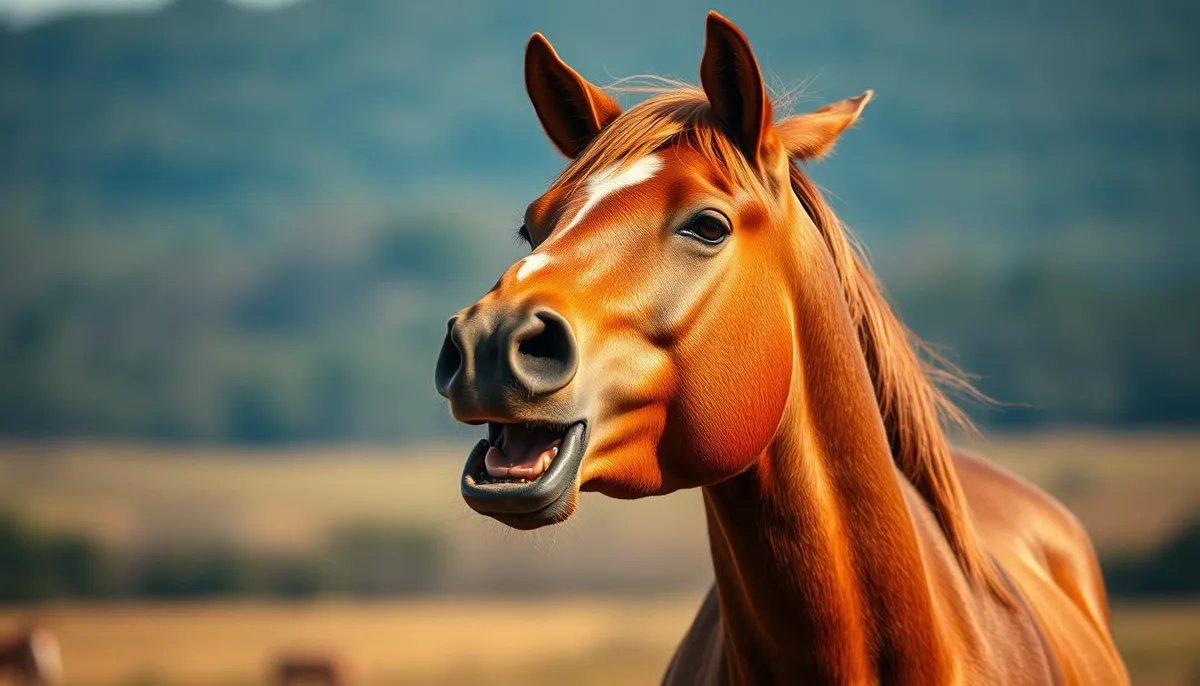
A calling horse holds its ears upright and raises its head to be heard better. It may also show signs of nervousness and look towards the entrance or another horse.
Younger or more lively horses may raise their tails and move quickly. Standing tall and pacing back and forth may indicate that it is starting to feel tense.
Isolation, Separation, Transport: When Neighing Signals Stress
Being separated from the group makes a horse neigh for a long time and loudly, as it seeks contact. In transport or in a new place, it may neigh louder to alert.
This situation highlights the importance of looking beyond the neighing. Visible heartbeats, sweating, and anxiety show that the horse is stressed.
Joy and Excitement: Reunions, Hay Distribution, Arrival of the Rider
Seeing a friend again makes the horse emit deep and soft sounds, which it sometimes repeats. At the stable, seeing the rider or hay makes it happy, with its tail raised.
Knowing these signs in riding prevents confusion with a call for help. The horse's entire body shows what it feels.
Nuances by Breed and Temperament (Arabs, Draft Horses)
Arabs, being very expressive, communicate more often and loudly. Draft horses, being calmer, do this less but in the same way.
Understanding a horse requires looking at its character, environment, and vocalizations. Knowing this allows for better reactions in riding.
| Context | Visual Signals | Type of Neigh | Quick Reading |
|---|---|---|---|
| Call to a Companion | Ears upright, head high, fixed gaze, nervous steps | Powerful, clear, repeated | Seeking social contact |
| Isolation or Separation | High posture, pacing, local sweating | Long, sustained, sometimes urgent | Social stress, need for reassurance |
| Transport / New Place | Active monitoring, sudden breath, grunt | Medium to loud, jerky | Anxiety in the face of novelty |
| Reunions / Food | Tail raised, lively movements, alert eye | Deep, soft, sometimes brief | Joy, positive anticipation |
| Expressive Breed (Arab) | Mobile gestures, high head carriage | Frequent, clear timbre | Lively temperament |
| Calm Breed (Draft) | Calm movements, low posture | Rare, deeper timbre | Economy of vocalizations |
Equestrian Tips: Reacting Well to Horse Cries for Better Riding
A neighing horse often seeks to communicate. In riding, understanding this signal helps a lot. Respond calmly, using a soft voice and observing the horse closely.
Calming and Securing: Staying Calm, Checking the Environment, Offering Company
Breathe deeply, relax your shoulders, and speak slowly. This calm attitude helps stabilize the situation.
Look around for sources of stress. Remove them so that the horse can be calmer. This prevents further neighing.
If the horse is anxious, provide it with the company of another. Being close to other horses reassures it.
Adapting Training: Managing Distraction, Working on Gradual Separation
Vary exercises during training to keep the horse's attention. Return to an easier level if necessary.
When working on separation, do so gradually. Observe the horse closely to adjust the training.
Advance slowly and ensure comfort. This builds trust while continuing learning.
Routine and Socialization: Reducing Anxiety and Strengthening Cohesion
Daily routines for meals and outings help. This prevents the horse from becoming anxious.
Allow the horse to live with others. Regular interactions among them strengthen their bonds.
Neighing can mean many things. Their sound, duration, and context help us understand.
High-Quality Equipment and Comfort: La Sellerie Française for Well-Being
Quality equipment avoids discomfort and reduces stress. Well-fitting saddles and harnesses enhance the horse's well-being.
La Sellerie Française offers quality equipment made in France. These products ensure comfort and durability. They are especially helpful when the horse discovers new environments.
Conclusion
A neighing horse is not just noisy for no reason. It mainly does so when separated from its companions, transported, or during important situations. These neighs reveal what it feels — such as anxiety or satisfaction — and what it is trying to say. To truly understand these sounds, one must listen carefully and put them in context.
To analyze these sounds, note their pitch, from high to low, their duration, and how they are structured. Also check the intensity and how the sound travels, as it can be heard from afar. Observe the horse's body signs: its ears, head, tail, and level of agitation. A call is long and loud with a certain posture. Alerts are short and loud. A sound of satisfaction is lower and calm. The mare and her foal use these sounds to communicate with each other.
It is crucial to remain calm, secure the space around, and offer company to the horse. Teach it to manage separation, care for its daily routine, and social life. Adjust your training if you notice that neighing indicates stress or distraction. Listening to these sounds helps build a relationship of trust and unity, essential for good communication with it.
Try to minimize its discomfort that may cause more neighing. Choose its equipment carefully to ensure it is comfortable and of good quality, preferably made in France. Products from La Sellerie Française are designed for the daily comfort of the horse and improve your communication with it. By following these tips, you will better understand the reasons behind a horse's neighing. This helps you move forward together more serenely and clearly.
FAQ
What is the purpose of neighing in equine communication?
Neighing helps horses find each other and stay united. It expresses feelings like joy or anxiety. Horses mainly neigh when they are separated.
Their communication also includes signals with their ears, head, and posture.
Why does a horse rarely neigh in a natural state?
Horses, being prey, avoid making noise to not attract predators. They prefer to communicate silently when close. Neighing is mainly used to signal separation or danger.
How to distinguish between neighing, snorting, alarm breath, grunting, and squealing?
Neighing changes tone, from high to low. A quick breath indicates an alert. A grunt indicates anxiety.
A squeal suggests defense. Snorting means the horse is relaxed. Each sound has a meaning.
How to recognize the intention of a neighing horse?
Listen to the sound, observe how long it lasts, and the context. A call is long, and the ears are upright. An alert is high-pitched and quick.
Satisfaction is expressed by a deep and soft sound. Distress manifests as a long or intense cry.
How is the sound of neighing formed?
The horse inhales and then expels air, causing its vocal cords to vibrate. The shape of the mouth and the force modify the sound. This makes the horse a living “wind instrument.”
How far can a neigh be heard?
Humans can hear a neigh from over a kilometer away. For horses, it is even farther. The jerky sound helps transmit the message over long distances.
What is the difference between a call, alert, and satisfaction neigh?
A call is long and loud to contact a friend. The alert is short and loud to warn of danger.
Satisfaction is expressed by a deeper and softer sound, often during joyful reunions.
How do the mare and foal communicate through voice?
From birth, mare and foal talk to stay close. They easily recognize each other's voice. If the foal gets lost, it calls, and its mother responds.
What body signs accompany a call neigh?
The ears are upright and the head high to send the sound better. The horse fixes its gaze on what interests it. In young horses, excitement is also seen in the movement of their tails.
Their agitation may show their stress.
My horse neighs in isolation or during transport: is it stress?
Yes, it is often a sign of stress. Being away from the group, moving in a trailer, or being in an unfamiliar place causes this stress. Reassure your horse and try to calm it.
Why does my horse neigh when I arrive or at hay time?
It is happy or excited to see you or to eat. Its softer neigh means it is happy. This shows the strong bond between you and it.
Do breeds influence the frequency of neighing?
Yes, for example, Arab horses are more expressive. Draft horses are generally calmer. But each horse is unique. Their vocalizations also depend on their experiences and environment.
How to calm a horse that neighs a lot?
Be calm and speak softly to it. Ensure its environment is safe and comfortable. Provide it with company and establish a daily routine. Teach it to be alone gradually.
My horse neighs during the session: should I change the training?
It is possible. Its neighing may indicate that it is stressed or distracted. Take breaks and go slowly. If the horse remains agitated, reconsider your method.
How do routine and socialization reduce horse cries?
A predictable life and safe social interactions help calm the horse. This reassures it and reduces anxiety cries. A regular schedule makes it more peaceful.
What equipment can help limit stress-related neighing?
Well-fitted and comfortable equipment avoids stress and cries. Opt for quality items. La Sellerie Française offers high-end equipment.
At what age does a horse's voice become louder?
Around two and a half years, at puberty, their voice becomes stronger. Growth improves their ability to produce varied sounds.
How to connect the horse's sound to the context for better understanding?
Pay attention to the sound, its duration, and intensity. Observe how the horse moves its ears and tail. These details help you understand what it feels.
Can a horse neigh to communicate with humans?
Yes, especially if humans have given them positive reasons. Horses can neigh to ask for attention or show their feelings towards us.
Does a neighing horse always attract danger?
In the wild, neighing can be risky. But in captivity, this risk is lower. The horse mainly communicates when in need.
How to differentiate satisfaction from aggression without error?
Aggression is seen in a high-pitched squeal, with ears back. In contrast, satisfaction produces a deep and soft sound. The context and the horse's movements clarify its emotions.
Can reading horse sounds improve riding?
Understanding these vocal signals helps adjust training. This strengthens the trust between the horse and rider and improves their performance together.
What useful keywords to explore the subject further?
A: equine communication, horse language, neighing horse, horse neighing, horse cries, horse sound, horse noise, understand horses, riding, horse behavior.