
The Friesian, with its noble silhouette and abundant mane, has captivated equestrian enthusiasts for centuries. Originating from the province of Friesland in the Netherlands, this breed was officially defined by its genealogical registry in 1879.
Its natural elegance has earned it a spectacular resurgence in popularity. In 2012, the global population already counted around 60,000 heads, a testament to its status as an equestrian emblem recognized in over fifty countries.
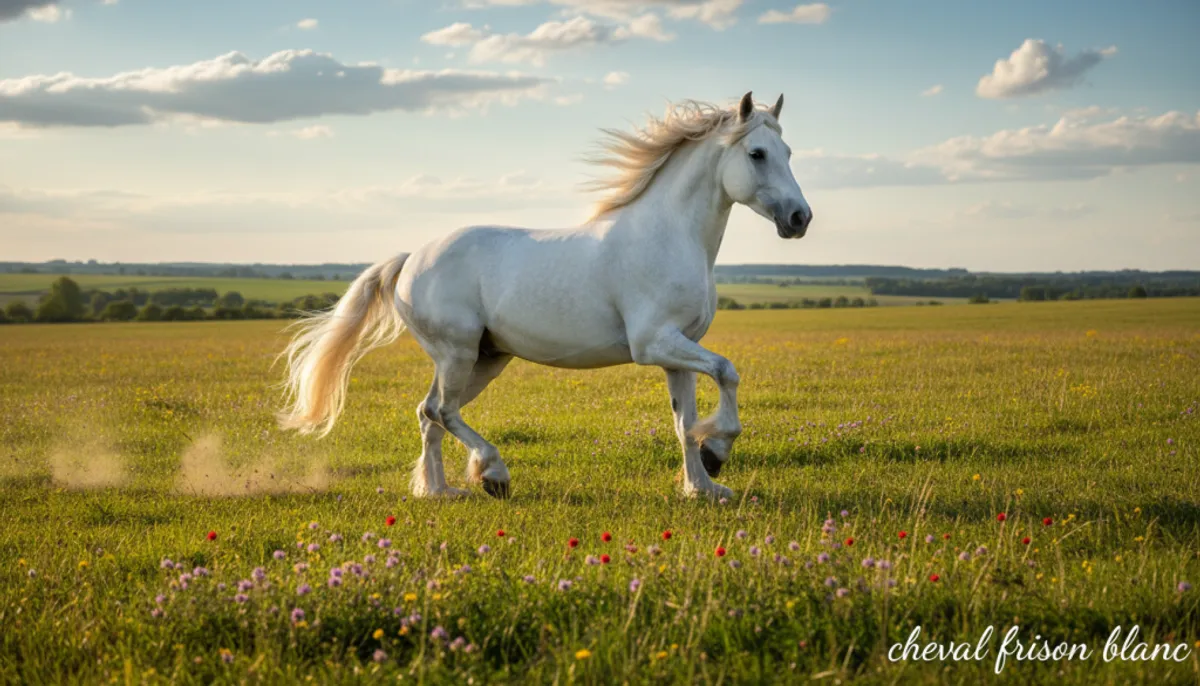
Among the topics that fuel discussions, the white coat of this equine holds a special place. This article aims to unravel the truth from the falsehoods surrounding this often-mentioned color variation.
We will explore the fascinating origins and the biological reality behind these stories. You will understand why this article is essential for grasping the complex genetic nuances.
We will also address the persistent myths and provide practical advice. The goal is to offer you a clear and useful perspective, whether you are a curious enthusiast or an experienced rider.
Key Points to Remember
- The Friesian is a historic breed originating from the Netherlands, standardized at the end of the 19th century.
- Its popularity is global, with a significant population and recognition in many countries.
- The so-called "white" coat raises many questions and is the subject of confusion.
- The genetics of coats is a complex topic, crucial for understanding the breed standards.
- Persistent myths surround the existence of a pure white Friesian, often lacking solid scientific foundation.
- This guide aims to provide verified information and useful advice for enthusiasts.
- Knowing the strict criteria of the breed allows for a better appreciation of its cultural and equestrian value.
Introduction to the White Friesian Horse
This manual serves as a compass in the sometimes murky landscape of coat standards in equines. It aims to provide clear and well-founded answers.
Context and Objectives of the Guide
Called the "black pearl," this mount has its coat subjected to many preconceived notions. Our goal is to untangle the truth from the falsehoods.
We offer a rigorous analysis based on science. The idea is to distinguish facts from popular beliefs that circulate.
| Objective | Description | Benefit for the Reader |
|---|---|---|
| Clarify Misconceptions | Focus on the genetic peculiarities of this breed. | Understand the complex mechanisms of color. |
| Provide Scientific Analysis | Distinguish verified facts from persistent myths. | Acquire reliable and actionable knowledge. |
| Explain Selection | Show how purity standards have been maintained since 1879. | Better understand the challenges of breeding and preservation. |
The Target Audience for This Article
We address horse enthusiasts curious about genetic details. Owners and breeders will find useful advice here.
This guide helps grasp the stakes related to the preservation of the breed. We hope it will be of great practical use to you.
History and Evolution of the Breed
The evolution of this iconic breed is a fascinating tale of resilience and transformation. Its journey through the centuries shows constant adaptation.
Origins and Emergence of the Friesian
The earliest writings mentioning horses in Friesland date back to Julius Caesar. However, the direct link to current equines is debated.
Over a thousand years ago, robust mounts already populated this Dutch region. The modern breed was officially structured much later.
Significant Events in the History of the Friesian
At the end of the 19th century, the popularity of heavy draft horses nearly led to its extinction. The tenacity of local breeders allowed its survival.
Its role has changed over time. It transitioned from a medieval war mount to an elegant carriage animal. In the 20th century, it became a global cultural symbol.
| Period | Main Role | Major Challenge |
|---|---|---|
| Until the Middle Ages | War mount | Adaptation to conflicts |
| 17th – 19th century | Carriage horse | Competition from heavy drafts |
| After 1879 | Symbol of racial purity | Strict genetic preservation |
The preservation of these horses required efforts over several decades. The goal was to avoid detrimental crossbreeding and maintain the integrity of the breed.
Physical and Morphological Characteristics
The physical appearance of this breed is a perfect balance between baroque power and natural elegance. These characteristics make it a fascinating subject of study for enthusiasts.
Coat, Height, and Weight
The black coat is the absolute standard for these horses. Any deviation in color is considered a major anomaly by official registries.
These equines typically measure between 1.55 m and 1.65 m at the withers. Their weight ranges from 600 kg to 800 kg, giving them an imposing presence.
The head is noble and expressive, a distinctive trait. It is accompanied by abundant feathers and large hooves, perfectly adapted to their morphology.
Distinctive Traits of the Baroque Model
The baroque morphology, inherited from Iberian lines, offers a majestic appearance. The long mane and abundant feathers enhance this sought-after aspect.
A robust skeletal structure supports powerful musculature. This combination allows this horse to excel in dressage while being agile.
These physical characteristics are carefully evaluated during competitions. They define the unique identity of these magnificent horses.
Temperament and Behavior
These mounts are distinguished by a balanced temperament, combining great intelligence with deep kindness.
Their character is a unique blend of calmness and liveliness. This makes them ideal partners for shows and dressage.
The equines of this breed are willing and very close to humans. This proximity greatly facilitates their training and strengthens mutual trust.
Their success on stage, notably with artists like Bartabas, can be explained by this combination. They are both docile and full of presence.
Their natural gentleness allows for safe interaction. Even novice riders can thus enjoy leisure riding with complete peace of mind.
Despite their imposing size, these horses maintain boundless energy. A firm yet fair hand is needed to channel their spiritedness at work.
This exemplary behavior is highly sought after in cinema. The docility of this animal is crucial for complex and demanding shoots.
In summary, the personality of these horses is a major asset. It makes this breed a preferred choice for many equestrian disciplines.
Origins and Notions of Breed Purity
Maintaining a pure lineage represents a major technical and ethical challenge in equine breeding. This quest for authenticity defines the very history of these magnificent horses.
Historical Crossbreeding and Selection
In the past, mixing with other horses threatened genetic integrity. Authorities thus strengthened stud-book rules to preserve the pure breed.
Breeders consider this pure breed essential. It guarantees the unique athletic and aesthetic qualities of these equines.
| Period | Selection Approach | Main Objective |
|---|---|---|
| Historical | Occasional crossbreeding | Adaptation to practical needs |
| Transition | Stud-book rules | Control of lineages |
| Modern | Exclusive certified lineages | Strict genetic preservation |
Today, selection focuses solely on verified lineages. This rigor prevents any unwanted genetic dilution.
Managing inbreeding remains a constant challenge. It requires ongoing expertise to maintain the health of the breed.
The Reality of the “White Friesian Horse”
Surrounding the white coat, rumors and misconceptions abound in the equestrian world. This section aims to clarify these points based on scientific facts.
Myths and Misconceptions
The myth of a Friesian with an immaculate coat remains alive in the collective imagination. However, no specimen of this type is recognized by official associations.
It is crucial to understand that a Friesian may appear light due to health conditions. This does not mean it possesses the white coat gene.
Horses observed with a white coat often result from crossbreeding. These mixtures immediately exclude them from the official genealogical registry.
Differentiating Myth from Reality
The confusion between a gray horse and a white equine is common. The gray gene can gradually lighten the coat to a silvery appearance.
We must separate biological reality from aesthetic fantasies. The genetic selection of these horses is strictly oriented towards maintaining the black coat.
There is no scientific evidence of a mutation that transforms the coat into pure white. This absence confirms the rigor of purity standards for these magnificent horses.
Genetic Aspects and Determinants of Pigmentation
Behind the iconic black coat lies a complex and rigorously controlled genetic story. The color of these magnificent equines is not a matter of chance.
It results from the precise interaction of several inherited genes. Understanding this mechanism is fundamental to grasping the breed standards.
Role of the Extension Gene and the Agouti Gene
The Extension gene, noted E, is the primary responsible gene. It commands the production and fixation of black pigment across the entire body of these horses.
The Agouti gene, for its part, influences the distribution of this shade. In the Friesian, its role has become minor over the centuries.
Rigorous selection has favored a total and uniform black expression. Thus, the characteristic coat color is firmly anchored in their DNA.
Absence of the Cream Gene in the Breed
A crucial point distinguishes these mounts from many other breeds. They simply do not possess the cream gene.
This absence explains why diluted coats, such as palomino, are never observed. The shade remains intense, without subtle clear variations.
For breeders, this genetic knowledge is a valuable tool. It allows avoiding any surprises when breeding horses.
The complexity of this hereditary transmission makes it impossible to achieve an immaculate coat through natural selection. This is an additional guarantee of the purity of these equines.
Mutations, Depigmentation, and Associated Conditions
Genetic mutations and depigmentation conditions provide scientific insight into appearance variations in equines. These phenomena explain certain observations that may be confusing.
It is important to distinguish these pathological conditions from normal racial characteristics. They do not alter the fundamental genetic heritage of the horses.
Cases of Vitiligo and Effects on the Coat
Vitiligo is a skin condition that can affect certain equines. It causes a progressive loss of pigment in the skin and hair.
A horse affected may thus present white patches that spread with age. This gives a lighter appearance, but it is an illusion related to health.
Differences Between Albinism and Leucism
Albinism is extremely rare in the equine species. It involves a total absence of melanin from birth.
Leucism, on the other hand, corresponds to a partial reduction of pigmentation. No case has been formally confirmed in purebred horses.
These two states are fundamentally different from simple acquired depigmentation. They are not documented in official lineages.
| Condition | Cause | Effect on Pigmentation | Presence in Friesians |
|---|---|---|---|
| Vitiligo | Autoimmune condition | Localized and progressive depigmentation | Rare, but possible |
| Albinism | Recessive genetic mutation | Total absence of melanin | Never documented |
| Leucism | Cellular development defect | Partial reduction of pigmentation | Theoretical, not observed |
These health issues do not create a genetically white equine. They do not allow classifying an animal as belonging to a specific breed.
Vigilant breeders monitor the skin health of their horses. Early detection allows for better management of their well-being.
Impacts of Crossbreeding on Coat and Appearance
Genetic mixing with other breeds has immediate visible consequences on the appearance of equines. A coat that lightens to gray often signals mixed origins.
The gene responsible for this transformation is generally absent from the original heritage. Its introduction through a crossbreeding is the main cause of color variations.
This alteration renders the animal ineligible for official model competitions. Purebred registries reject these mounts without hesitation.
The impact is not limited to coat color. The typical baroque morphology can also be subtly modified.
| Cause of Change | Impact on Appearance | Practical Consequence |
|---|---|---|
| Introduction of the gray gene | Lightened coat, sometimes to gray | Exclusion from the official stud-book |
| Alteration of lineages | Modification of baroque traits | Loss of value for purists |
| Uncontrolled breeding | Deviation from the standard of black coat | Inability to participate in competitions |
| Lack of traceability | Atypical appearance | Risk when purchasing |
| Preservation of integrity | Maintaining the distinctive black coat | Enhancing the value of compliant horses |
It is therefore crucial to verify genetic ancestry before any purchase. Serious breeders provide comprehensive documentation on their horses. This ensures adherence to strict standards that protect the identity of the breed.
Breeding Practices and Rigorous Genetic Selection
After the dramatic bottleneck of 1913, when only three stallions remained, the revival of the breed imposed strict discipline in breeding methods.
Modern practices have emerged from this absolute necessity for preservation. They now combine traditional know-how with the most advanced scientific advancements.
Strategies to Preserve Purity
The management of male breeders is supervised by a panel of experts. Each horse is evaluated on its performance and physical conformity to standards.
Contemporary breeding also relies on high-performance technological tools. They allow for unprecedented precision in tracing lineages.
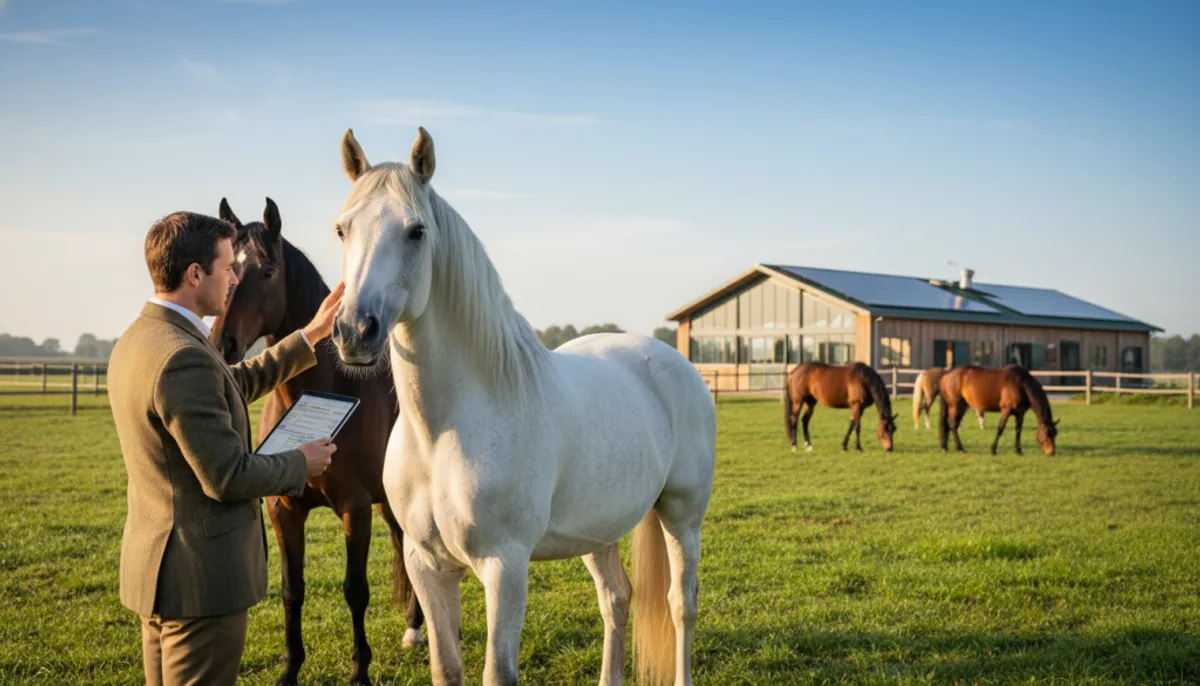
This rigor ensures that every newborn meets strict criteria for color and morphology. The ultimate goal is to maintain a pure breed and avoid hereditary diseases.
Breeders demonstrate constant discipline. They sometimes have to refuse potentially lucrative breedings to protect the precious genetic heritage.
| Tool / Strategy | Main Function | Benefit for the Breed |
|---|---|---|
| Expert evaluation of stallions | Control conformity and performance | Maintenance of quality and type standards |
| Digital genealogical databases | Track and analyze all lineages | Prevention of inbreeding and perfect traceability |
| Strict selection protocols | Guide authorized matings | Preservation of the black coat and baroque traits |
| Regular health tests | Screen for potential hereditary conditions | Strengthening the overall health of horses |
These ambitious strategies aim for a dual objective. They seek to enhance the overall robustness of the equines.
They also work to preserve the spectacular baroque traits intact. These characteristics forge the international reputation of this unique lineage.
Traditional and Modern Uses of the Friesian
From pulling historical carriages to contemporary shows, the journey of this breed demonstrates remarkable adaptability. Its natural elegance and elevated head carriage suit it for varied roles.
These horses are primarily employed for driving, dressage, and shows. Their versatility allows owners to enjoy varied activities with pleasure.
Driving, Shows, and Dressage
Historically, the driving horse was the main function of these equines. They gracefully pulled the carriages of nobility across Europe.
Today, they excel in dressage thanks to their elevated gaits and great concentration. This demanding discipline showcases their intelligence and precision.
In equestrian shows, they have become true global icons. Their ability to perform complex figures with infinite grace captivates audiences.
Their calm temperament also makes them perfect for leisure riding. A forest walk becomes a safe and enjoyable experience.
Historical Role in Equestrianism
Their contribution to equestrian history is immense. They served as reliable mounts long before shining in arenas.
This evolution shows how a breed can reinvent itself while preserving its essence. Their transition from utilitarian work to art is a rare success.
| Period | Main Use | Key Asset of the Breed |
|---|---|---|
| Historical (17th-19th) | Pulling carriages and transport | Power and endurance |
| Modern (Shows) | Artistic performances and choreographies | Stage presence and elegance of movement |
| Modern (Dressage) | Competition and haute école work | Elevated gaits and learning ability |
| Modern (Leisure) | Riding and outdoor equestrianism | Stable and gentle temperament |
In summary, these magnificent horses offer a complete equestrian experience. They combine the strength of the past with the finesse of current disciplines.
Comparison with Other Horse Breeds
Comparing with other equestrian breeds reveals fundamental differences in coat and morphology standards. Observing these equines from various lineages allows for a better appreciation of the uniqueness of certain characteristics.
This analysis is crucial for enthusiasts and professionals. It highlights how each group has evolved under distinct historical pressures.
Contrast Between the Black Coat and Lighter Coats
The Friesian stands out radically from other breeds present in Friesland due to its exclusive black coat. While many equines display varied colors, it showcases strict chromatic uniformity.
Unlike other lineages that accept a wide diversity of coats, its definition rests on this immutable consistency. This rigor is a pillar of its genetic identity.
The baroque morphology of these mounts is also unique. It is often difficult to find in lighter and leaner sport horses.
Breeders regularly compare their performances with those of other breeds. This benchmarking validates the progress made in selecting elevated gaits and power.
It is fascinating to see how different breeds have evolved separately. Many have been influenced by very specific agricultural or military needs.
This distinction is essential for judges during international competitions. The purity of coat and type are major scoring criteria.
In summary, the comparison highlights the exception that this standard represents. It reinforces the value of these magnificent horses in the global equestrian landscape.
Influence of Historical Context and Nationalism
The history of Friesland and its regional identity have shaped the fate of these equines. Local pride has always been a pillar for their owners.
Frisian nationalism transformed a simple work mount into a symbol of national pride. This animal has become the heart of the cultural identity of an entire region.
Breeders, driven by this attachment, have protected their horses from external influences. This determination has ensured the survival of the breed through the centuries.
| Period | Cultural Influence | Impact on the Breed |
|---|---|---|
| Middle Ages – 19th century | Agricultural use and transport | Development of a robust and versatile mount |
| End of the 19th century | Rise of nationalist sentiments | Standardization and strict protection of pure lineages |
| 20th – 21st century | Globalization and cultural diffusion | The horse becomes an international ambassador |
Worldwide, this animal is seen as an ambassador of Dutch culture. Its image reinforces the sense of belonging to a proud community.
Current breeding methods continue to value local lineages. The influence of the past remains palpable in preserving the authenticity of each horse.
Cultural movements have often used the image of horses to unite people. This living tradition ensures a bright future for these magnificent equines.
Care Tips and Specific Maintenance
To ensure the well-being and longevity of these companions, a few essential practices are to be known. An adapted routine preserves their natural elegance and vitality on a daily basis.
Coat and Skin Care
The shine of the iconic black coat requires particular attention. Regular brushing removes dust and stimulates blood circulation.
A diet rich in essential fatty acids nourishes the skin and coat from the inside. This prevents irritations, especially in humid or muddy environments.
Tips for Good General Health
The health of these mounts relies on a balanced diet and rigorous veterinary follow-up. This helps prevent genetic conditions that may arise.
Their recovery capacity after effort is crucial for athletic equines. Attentive care after work helps maintain their optimal condition.
Breeders recommend simple gestures like daily hoof cleaning. This habit ensures their comfort and prevents hoof problems.
A comprehensive care program ensures an active and fulfilling life. Every detail counts in preserving the beauty and strength of these noble animals.
Recommendations for Successful Purchase and Breeding
To successfully carry out a breeding project or acquire a sporting partner, certain common-sense rules must be followed.
An investment of 10,000 euros minimum is often necessary for a quality subject, especially with a good level of training. Purchasing a sporting mount requires expertise to properly assess its abilities.
Old lineages are particularly sought after by connoisseurs.
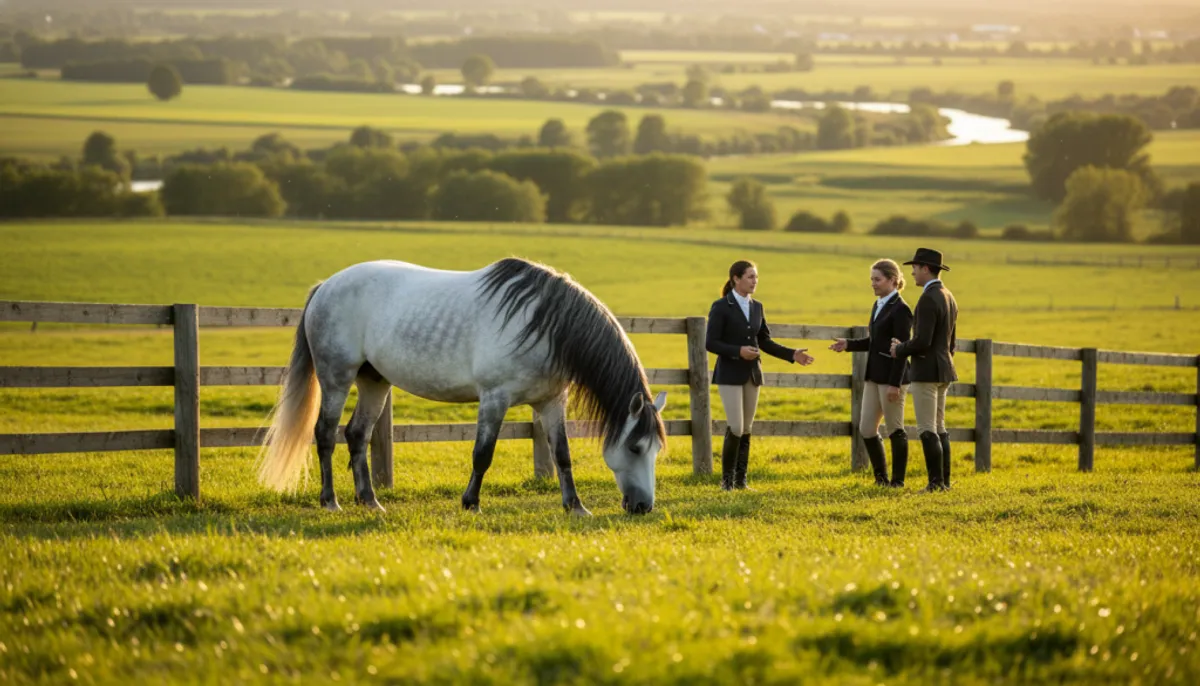
It is crucial to meticulously check the identification papers. Draft breeds are sometimes confused with this lineage, which can lead to a costly mistake.
Consulting an independent professional ensures compliance with strict standards. This is a wise step for such an important commitment.
To succeed in breeding, the selection of breeders is paramount. Favor stallions and mares that have proven themselves in competition.
Performance in trot races or high-level dressage is excellent indicators. Renowned breeders emphasize this point.
Finally, testing the temperament of horses before any purchase is essential. This ensures a serene and harmonious practice of equestrianism.
A relationship of trust with your future partner begins with this assessment.
Conclusion
In summary, the quest for a Friesian with an immaculate coat is more a matter of legend than genetic reality. This persistent myth, however, underscores the importance of absolute rigor in breeding practices and the preservation of the breed.
The French Friesian Horse Association plays a central role in this process. It ensures compliance with established standards for each equine, thus guaranteeing the authenticity of the lineages.
Through meticulous genetic selection, breeders worldwide protect the iconic black coat. This discipline ensures the international renown of the Friesians.
We hope this guide has clarified common confusions. It provides precise answers about the biology of these magnificent horses.
The passion for equestrianism and respect for traditions maintain the vitality of this breed. Its future is thus promising for generations to come.
FAQ
Are there really white friesians?
No, a purebred Friesian is never white. The official standard of the French Friesian Horse Association only admits the black coat. An individual with a light coat necessarily results from a cross with another lineage, such as a Draft or Thoroughbred.
Why is the black coat so important for this lineage?
The uniform color is a pillar of identity and rigorous genetic selection for centuries. It symbolizes the purity and elegance characteristic of the baroque model. This strict selection has also reinforced the health and working capacity of the animal.
What are the main uses of these equines today?
Thanks to their noble appearance and willing temperament, they excel in several disciplines. They are adored for prestige driving, classical dressage, and equestrian shows. Their presence in trot racing competitions is also notable.
How to properly care for their dark coat?
Regular grooming is essential to preserve the shine of the coat. Use suitable products to nourish the hair and skin. Frequent brushing helps remove dirt and stimulate blood circulation, ensuring overall good health.
What is the typical temperament of this breed?
They are known for their great kindness, docility, and strong desire to collaborate with humans. This balanced character, combined with great intelligence, makes them an ideal partner for both leisure riding and demanding sports practice.
What should be checked before acquiring such an animal?
It is crucial to consult identification papers and pedigree to confirm its belonging to the pure breed. Carefully examine its past breeding conditions and general health status. Consulting a veterinarian for a pre-purchase examination is a wise precaution.