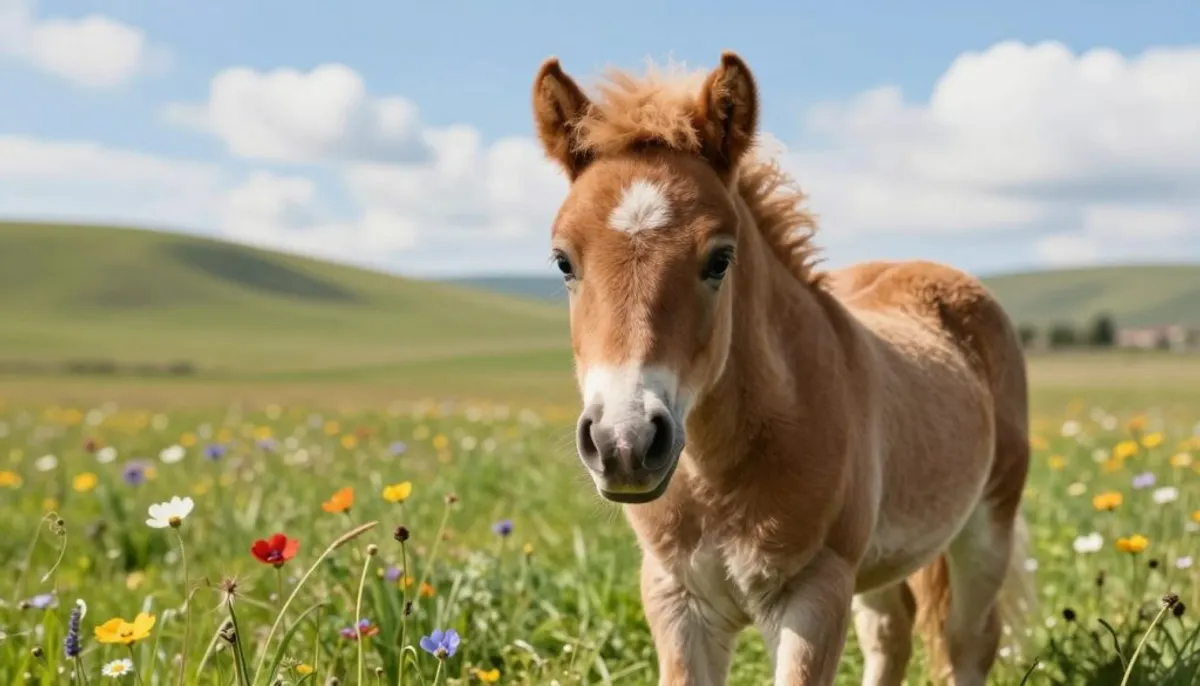
Adopting a baby pony is a big decision. In France, it requires careful consideration as it impacts your life. You need to think about your time, space, and money before anything else.
We will discuss the concrete steps: the procedures to follow, the rules to know, and how to organize your daily life. We will also talk about how to take care of your pony every day. We will cover feeding and common mistakes to avoid.
It is crucial not to neglect the equipment. A good saddle made in France can last a long time and adapt better. La Sellerie Française offers quality equipment, custom-made or in limited editions by local artisans.
Key Takeaways
- Pony adoption requires preparation, not just desire.
- A baby pony grows quickly: its living environment must already be ready.
- Baby pony care relies on simple and regular routines.
- In France, there are obligations to know before welcoming a horse.
- Food influences health, energy, and daily behavior.
- La Sellerie Française illustrates the importance of durable equipment designed to last.
Why adopt a pony rather than give in to an impulsive purchase
A pony attracts attention, especially when small. Adopting or buying a baby pony requires thought. You can't just settle for a crush.
It is crucial to think about your daily life with it. A pony needs to move around, live in a safe place, and feel your presence. Living with another pony also affects your plans.
Assessing your lifestyle, time, and budget before diving in
Start by evaluating the time you have. Feeding, monitoring water, checking the pony's condition, and taking care of fences takes time. Not to mention unforeseen events like mud or heat.
Regarding the budget, you need to think of everything. Not just the purchase price, but also hay, vaccinations, and equipment. Expenses continue even with a "ready-to-go" pony.
Long-term commitment and the notion of “constraint” to anticipate
A pony cannot be put on "pause." You need to take care of it even on weekends and in winter. If it becomes burdensome, it can affect your relationship.
Its need for companionship is serious. Having another pony or living in a boarding situation avoids isolation. But this means more care and expenses.
Adoption, purchase, and acquisition: what it concretely implies in daily life
Whether you adopt, buy, or obtain a pony differently, the routine is the same. The real difference lies in the follow-up and the history the pony has.
| Point to check | Daily | Impact on organization |
|---|---|---|
| Housing and movement | Long outings, space to trot, clean shelter | Plan access to a pasture, check fences and ground |
| Sociability | Living with a companion, interactions to monitor | Adjust the group, anticipate separations and integrations |
| Care and prevention | Observation, hoof care, vaccinations, deworming, minor injuries | Regular appointments, first aid kit, possible transport |
| Feeding | Hay, water, adjustments according to season and activity | Storage, deliveries, weight monitoring |
| Equine budget | Monthly expenses + unforeseen veterinary costs | Financial reserve, choice between boarding, home, or mix |
| Daily time | Visits, checks, maintenance, presence | Stable organization, backup in case of absence |
Equine owner certificate and legal obligations in France
Before getting a pony, it is important to know the rules. Since January 2023, the equine law states that you need a certificate to adopt, buy, or obtain an equine. This certificate verifies that you have thought through your project and that you have a good environment for the animal.
The commitment and knowledge certificate for equines (veterinarian)
The first step is to talk with a veterinarian. You discuss the needs of the equine, your budget, and how you will take care of it. This certificate is your commitment.
In practice, this means preparing a good place to live, good food, controlling parasites, and taking care of the hooves. You also need to think about transport and how to handle emergencies to avoid mistakes.
Alternative via the FFE: diploma and prerequisites (gallop and license)
For those already in a riding club, the FFE offers another option. You can obtain an FFE diploma if you have gallop 4 and a valid FFE license.
| Point to check | Veterinary path | FFE path |
|---|---|---|
| Expected document | commitment and knowledge certificate for equines signed | FFE holder diploma validated |
| Who evaluates the preparation | Veterinarian (discussions about care, housing, budget) | Federal framework (level, practice, holding rules) |
| Most common profile | First-time owner, resuming after a break, family | Rider in a club with experience and follow-up |
| Points often discussed | Feeding, health, safety, time management | Autonomy, handling, supervision, prevention |
Why these obligations protect the pony and secure the adopter
The certificate for equines is not just a formality. It helps avoid impulsive decision-making. It reminds that ponies need routine, space, and to see other ponies.
It is important that a pony is not alone. To ensure this, proofs like a copy of the ownership card may be requested. These rules help establish a good foundation to start, without having to improvise.
Adoption, buying a baby pony, and baby pony prices: understanding the rates
Comparing adoption to buying a baby pony quickly leads to the question of cost. The price is not just the purchase cost. It also indicates whether you can take care of a pony every day.
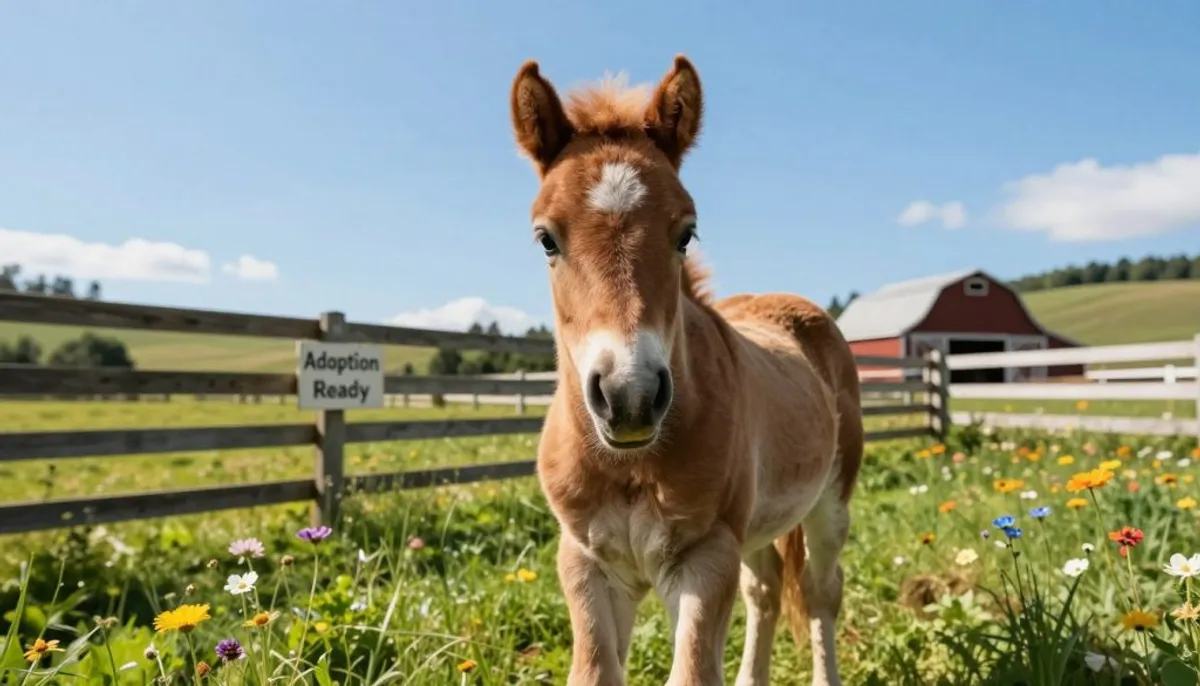
Knowing the price in advance avoids surprises. It helps discuss the real stakes: care, time, and organization. What really matters is what comes after the first payment.
Why an adoption fee at market price is non-negotiable
A market-based adoption fee protects the animal. It prevents impulsive decisions and encourages serious adoption.
This price is non-negotiable to ensure quality follow-up. With adoption comes a contract. The adopter commits to inform in case of sale or death. This allows for ongoing follow-up.
How the price filters serious adopters and limits resale
The fair price creates a barrier. It selects those who truly want to invest and care for the animal.
A good price also discourages quickly reselling the animal. When the price is fair, the pony is not seen as an object.
Budgeting recurring expenses: care, feeding, infrastructure
Calculating the cost of annual care is essential before adopting. Needs change with the seasons and unforeseen events.
Infrastructure also counts a lot: fences, shelter, hay storage. They are essential for the health and safety of the pony and its family.
| Item to plan | What it covers | Point of vigilance |
|---|---|---|
| Feeding | Hay, grass, supplements if needed, clean water | Quality of hay and constant access to water, especially in summer |
| Routine care | Hoof care, dental check-ups, deworming, vaccinations | Regular rhythm and equine care budget planned even without “emergency” |
| Housing | Bedding, maintenance, manure management | Draining ground and hygiene to limit hoof issues |
| Infrastructure | Fences, shelter, basic equipment | Invest in safe equine infrastructure rather than “DIY” |
The adoption fee and market price are benchmarks. But the important thing is the long-term commitment. You need to think carefully beforehand for a peaceful life with your pony.
Sponsorship: a supportive option to support a pony without adopting
Pony sponsorship allows you to support a chosen equine through an association. With a regular donation, you help cover its needs. This includes food costs, basic care, and part of the veterinary expenses.
Many shelters offer the possibility to sponsor a pony starting from €5 per month. This small amount helps manage expenses. Thus, the shelter can maintain a stable care routine for the ponies.
If you live near the shelter, you may sometimes have the right to visit the pony. You can brush it and talk to it. You can even give it treats, but without riding it for its safety.
For those who want to ride or have children ride, it is better to consult a nearby equestrian facility. These places offer adequate teaching in a safe environment. Thus, you won't stress the animal while supporting a pony through sponsorship.
In addition to the regular donation, some sponsors make occasional donations. These donations may include a halter or a blanket for winter. It all depends on the needs expressed by the shelter team.
- Follow-up: Updates are provided via email, MMS, or social media. This helps reduce costs and paper use.
- Shared sponsorship: When veterinary expenses are high, several people can support the same pony.
This sponsorship also helps older, injured, or disabled animals. They require special care and a calm lifestyle. With a sponsorship of €5/month, you give these animals a chance to live in a sanctuary, even if adoption is not an option.
| What the donation finances | Concrete examples at the pony shelter | What the sponsor can do | Limits to respect |
|---|---|---|---|
| Feeding and supplements | Hay, adapted ration, salt block according to the season | Offer a bag of feed as a one-time donation, ask for updates | No changes in feeding without the team's agreement |
| Routine care | Hoof care, monitoring body condition, managing minor injuries | Come to brush if the shelter allows, bring a winter blanket | No unsupervised handling, no “home remedies” |
| Veterinary expenses | Visits, treatments, examinations, follow-up of a fragile pony | Pony sponsorship with several to share a high expense | The care protocol remains decided by professionals |
| Daily life and well-being | Bedding, maintenance, equipment, herd management | Support a pony over time via a regular animal donation | Prohibition of riding the animal, even during visits |
Choosing a baby pony: age, profile, and compatibility (foal, miniature horse)
Choosing a baby pony is a big project. You need to think about the space, attention, and time you can offer it. They may seem easy, but their age and personality change a lot of things.
Differences between foal, adult pony, and miniature horse: needs and management
Foals require time, patience, and ongoing education. They grow quickly, try new things, and need clear boundaries.
Adult ponies are generally calmer, especially if you know their past. Miniature horses are pleasant, but have the same needs as a large equine, despite their small size.
| Profile | What you manage daily | Point of vigilance |
|---|---|---|
| foal | Education, short handling, gradual learning | Growth, consistent rules, regular supervision |
| baby pony | Habituation, basic care, introduction to halters and contact | Do not confuse “cute” with “easy”, avoid bad habits |
| miniature horse | Management similar to a pony: hoof care, monitored feeding, routine | Risk of overweight, fences suitable for its size |
Temperament and sociability: an equine that prefers to live with companions
Sociability is as important as the size or age of the equine. Some enjoy the company of humans, while others prefer to stay back. Many feel better with a calm companion.
Seeing how they behave in a group or when separated can help in making the right choice. You need a temperament suited to your experiences and the other animals present.
The importance of not letting a pony live alone (equine companionship)
A pony alone can get bored or stressed. The presence of other equines is essential, as is water, hay, and shelter.
To adopt, you often need to show that another animal already lives with you. If this is not the case, consider a half-board or a suitable structure to avoid leaving it alone.
Ideal housing and space: pasture, shelter, loose housing, and fences
Good housing for ponies depends on one simple thing: can they move freely, graze, and rest without stress? The pasture space should invite walking, trotting, and resting. A well-designed place brings calm and balance to the pony.
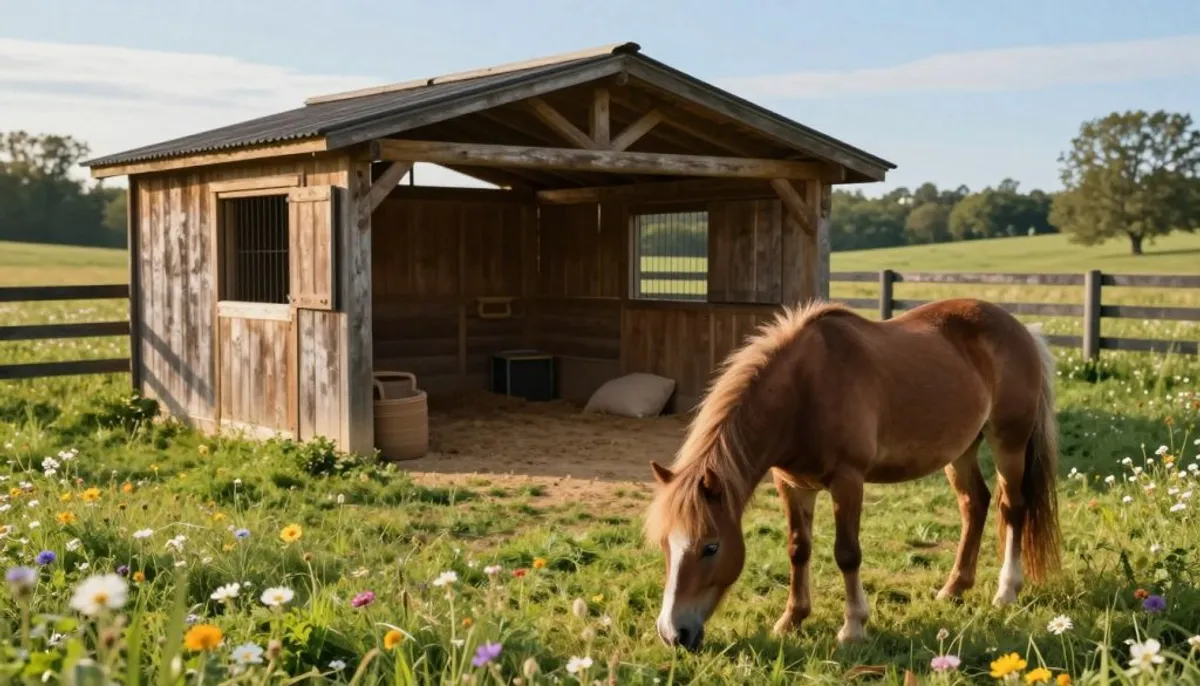
Need for movement: several hours a day to expend energy
Ponies need to move for several hours each day. They do not just “go out.” They explore, graze, play, and eat. The more diverse the space, the more they move naturally.
Loose housing: benefits for well-being and social interactions
Loose housing allows the pony to follow its natural rhythm. It also encourages interactions with their peers without isolating them. It is essential to have well-defined areas for resting, eating, and moving.
Shelter, bedding, cleaning, and hygiene: limiting hoof problems
The shelter should protect from rain and wind while remaining dry. Good bedding and frequent cleaning prevent moisture. This helps maintain healthy hooves and reduce infections.
Suitable fences: preventing escapes, securing the environment
Fences for ponies should be tall and sturdy. They must be clearly visible and secured to prevent escapes. The most important thing is to leave no space through which they could pass or injure themselves.
Why “the garden” is not always a solution (space and enrichment)
A garden is often too small and does not replace a real pasture. The ground deteriorates, and the pony gets bored. Good housing includes sufficient space for exercise, adequate shelter, and sturdy fences.
| Criterion | Garden | Pasture with loose housing |
|---|---|---|
| Daily movement | Short trips, back and forth, rapid soil wear | Natural movements across several areas, smoother rhythm |
| Social quality of life | Often limited if the pony is alone | Facilitated contacts, possibility to isolate without being isolated |
| Housing management | Shelter sometimes improvised, variable ventilation and ground | equine shelter integrated, drier resting areas |
| Hygiene and hooves | Frequent mud, more challenging cleaning | Organized hoof cleaning, more stable bedding, better-controlled ground |
| Safety | Garden fence rarely designed for an equine | pony fences suitable, enhanced continuity and visibility |
Daily baby pony care: health, hooves, prevention, and first aid kit
Taking care of a baby pony starts with simple daily actions. Observing their appetite, water consumption, and behavior reveals their health status. In case of changes, it is essential to note the time and details immediately.
Their environment is just as important as grooming. Regularly cleaning their space prevents moisture and bacterial growth. Using a quality bedding and providing shelter from the wind ensures dry and healthy hooves, especially during wet months.
Regular hoof maintenance is crucial. You need to clean, check the condition of the feet, and spot any unusual heat. A muddy environment or wet areas promote foot problems.
Prevention with the veterinarian is essential. It includes routine visits, dental follow-ups, vaccinations, and parasite control. In some cases, financial support helps for dewormers, but it must fit within a regular preventive framework.
Having an accessible and complete equine first aid kit is vital. It allows for quick intervention for minor accidents. This avoids improvisation while waiting for the veterinarian and prevents having expired medications.
| Routine | Realistic frequency | What to check | What it protects |
|---|---|---|---|
| Hoof cleaning and observation | Daily | Odor, frog, stones, cracks, heat | Pony hooves healthier, less discomfort |
| Hygiene of living space | Several times a week | Dry bedding, droppings removed, muddy areas | Pony health, cleaner skin, less humid feet |
| Quick check after work or play | After each session | Minor wounds, rubs, slight lameness, fatigue | Baby pony care faster, issues spotted early |
| First aid kit organization | Monthly | Dates, stocks, cleanliness, scissors, compresses, gloves | Equine first aid kit ready in case of unforeseen events |
| Planned health follow-up | According to schedule | Vaccinations, teeth, parasites, weight and general condition | Veterinary prevention consistent, fewer surprises |
Baby pony food: feeding, water, salt, and treats in moderation
Feeding a baby pony is not just about filling its bowl. You need to observe and adjust what you give it. Whether at home or in a shelter, having a sponsor can help pay for its food.
Food base and regularity: covering needs while avoiding mistakes
A pony must eat good hay and drink clean water. These must be available at all times. Suddenly changing its food can cause digestive problems. That’s why we change its diet gradually.
You need to check that the pony is in good shape by looking at its body and energy level. Young foals require special attention. If in doubt, consult a veterinarian or an equine nutrition specialist.
Salt block, feed bags, and supplements: when and why to use them
The salt block is essential for minerals, especially for active ponies. It should be kept dry and clean. While useful, the salt block does not replace a balanced diet.
The feed bag is to supplement the pony's diet. Keep it dry and well-sealed. Supplements should be chosen carefully according to the pony's specific needs.
| Element | What it is for | Good reflex | Common mistake to avoid |
|---|---|---|---|
| Forage (hay) | Base of the pony's diet, fibers for digestion | Distribute regularly, quality without dust | Reducing too much “to lose weight,” risk of frustration |
| Water | Hydration, digestion, thermoregulation | Daily control, cleaned trough | Leaving lukewarm and dirty water for several days |
| pony salt block | Salt supply, support for mineral balance | Place dry, monitor consumption | Thinking it covers all minerals |
| feed bag | Energy/protein supplement as needed | Introduce gradually, weigh the doses | Giving “by the glass” without measuring |
| pony treats | Reinforce behavior, make handling pleasant | Choose simple, small quantities, clear rules | Rewarding all the time, pony that rummages and nibbles |
Treats: rewarding without disrupting (quantities and habits)
Treats can be used to reward good behavior. Give them in a controlled manner and keep your space. This prevents the pony from becoming pushy.
For more learning, an equestrian school with a good instructor is recommended. Thus, food remains a positive way to reward without exciting the pony.
Conclusion
Adopting a baby pony in France requires thought. You need to consider your commitment, time, and budget. This ensures the pony's well-being from the start and for the years to come.
There are rules to protect the pony and its new owner. The necessary documents and fixed adoption price prevent hasty decisions. Not to mention ongoing costs like hoof care, veterinary visits, food, and housing.
Every day, a pony needs comfort and attention. It needs a pony friend, space to move, and impeccable hygiene. Simple and regular care keeps it healthy and happy.
If you cannot accommodate a pony, sponsorship starting at €5/month is an option. It helps cover care and food costs, and you receive updates online. This support is valuable for older, injured, or paralyzed ponies, often with several sponsors to support them. Finally, choosing local equestrian equipment, like that from La Sellerie Française, supports a commitment to sustainability.
FAQ
Why avoid adopting or buying a baby pony on impulse?
A pony should never become a burden you cannot manage. Adopting a baby pony requires time, money, space, and planning. Preparing your project allows you to establish a solid relationship rather than regret a hasty decision.
What questions should be asked before an adoption, purchase, or acquisition?
Consider if you are often available, if you can pay for its housing, baby pony food, and baby pony care. Also think about daily organization such as water, fences, cleaning, and access to a professional (veterinarian, farrier).
Adoption, purchase, donation: what really changes in daily life?
The means by which you receive your pony may vary, but their needs remain the same. Regardless of the situation, you must ensure their safety, feeding, health, and well-being. The commitment to them is always long-term.
Is the holder certificate mandatory in France?
Yes, in France since January 2023, those who adopt or buy a new pony must have a holder certificate. This document serves to prevent impulsive choices and to better plan the reception and care for the equine.
How to obtain the commitment and knowledge certificate for equines?
You can obtain the commitment and knowledge certificate for equines by having it signed by your veterinarian. This formalizes that you understand the needs and responsibilities of having a pony.
Is there an alternative via the FFE?
Yes. The alternative offered by the FFE involves obtaining a diploma after meeting certain conditions. You need at least to have level gallop 4 and a mandatory license.
Why do these obligations protect the pony and secure the adopter?
The regulations establish clear standards, prevent impulsive adoptions, and ensure real needs are considered. They also guarantee more security for the adopter, avoiding mistakes and inconsistencies, facilitating long-term management.
Why do some shelters already require the presence of another equine?
Ponies are very social creatures that thrive in the company of other equines. Thus, some shelters require proof of ownership of another horse or pony to ensure the newcomer is not isolated.
Why are adoption fees at market price and non-negotiable?
Setting an adoption fee at market value ensures recognition of the true value of the animal. It limits unthoughtful adoptions by imposing a significant financial commitment from the start.
How does the baby pony price filter serious adopters?
An initial financial contribution serves as a natural filter. It indicates who is truly ready to assume the costs of care, feeding, and housing in the long term.
Does the price help avoid resale?
Absolutely. A price aligned with the market discourages those who might be tempted to resell the animal. It helps to consider the pony not as a product, especially if it is very young and attractive.
What does the adoption contract stipulate once the pony is acquired?
After adoption, the pony is entirely yours. However, an adoption contract may require the adopter to notify the organization in case of sale or death. This allows for appropriate follow-up.
What items to budget for when planning to welcome a pony?
Anticipate costs for feeding, baby pony care, maintenance of its space, and regular follow-up fees. This budget will be recurring and should align with your means.
What is sponsorship and what does it serve?
Sponsorship involves regular donations for a specific animal, covering its care and feeding needs. It is ideal if adoption is not an option for you, but you still want to help.
Can you sponsor a pony starting from €5 per month?
Yes, with as little as €5/month, it is possible to support a pony. This help allows the shelter to provide constant care, especially for the most fragile animals.
As a sponsor, can you visit the pony and interact with it?
If you live near the shelter, you can visit the pony, brush it, and even bring it treats. However, you are not allowed to ride it.
What if I want to ride or have children ride?
In this case, it is recommended to turn to a certified equestrian center. There, a professional can guide you in a safe environment, for everyone's protection.
What additional donations are sometimes useful besides sponsorship?
Donations can include equipment such as a halter, a blanket for winter, a deworming treatment, special food, or a salt block. These contributions are optional and should meet immediate needs.
How do you receive updates about the sponsored animal?
You can receive news about your animal via email, MMS, or social media, if you request it. These communications avoid the use of paper to reduce costs and environmental impact.
Why are some animals sponsored by multiple people?
For a pony requiring costly veterinary care, multiple sponsorship helps share expenses. This allows for the necessary care for animals that are old, injured, or disabled.
What is the difference between foal, adult pony, and miniature horse?
A foal grows and needs special attention for its education. An adult is generally more stable, but it still needs to move and follow a routine. Even if a miniature horse seems more manageable, its fundamental needs are the same.
Does a pony really need to live with other equines?
Yes, a pony is happy in the company of other horses or ponies. Make sure to plan for this need in your planning, as it impacts costs and organization.
What solutions if I cannot provide a companion at home?
A boarding facility or a structure capable of offering group living is preferable. Leaving a pony isolated can lead to well-being and behavioral issues.
How much time does a pony need to expend energy each day?
A pony needs several hours of daily activity. It should be able to walk, trot, play, and explore. This is essential, not just a luxury.
Is loose housing suitable for a pony?
Loose housing is very suitable. It encourages activity and interactions, allowing the pony to play, rest, and isolate if needed.
What essentials for healthy housing (shelter, bedding, hygiene)?
You need a waterproof shelter, good quality bedding, and frequent cleaning. The cleanliness of the environment directly affects overall health, including that of the feet.
What fences to choose for a pony, especially if it is young?
Opt for specific fences that prevent the pony from going underneath. Good confinement reduces the risks of escape, injury, or problems with neighbors or on roads.
Can a pony live in your garden?
Keeping a pony in a garden is generally not recommended. Unless the space is adequate, a garden often lacks the necessary conditions for the pony's long-term well-being.
What daily baby pony care should be planned?
A simple daily routine is crucial. Monitor its general appearance, skin, eyes, and appetite. Regular maintenance and good hygiene prevent health issues.
What is the purpose of a pony first aid kit?
Having a complete first aid kit allows for quick management of minor issues while waiting for a professional's advice. It prepares you for minor incidents without panic.
What is the basis of baby pony food?
The key is regular feeding, clean water available at all times, and food suited to its activity. This is an ongoing cost, also highlighted by sponsorship that helps with care and feeding.
What are the salt block and feed bags for?
The salt block and feed bags meet specific dietary needs. The important thing is to plan stocks and distribution regularly and appropriately for each situation.
Are treats a good or bad idea?
In moderation, treats can strengthen your bond. But too many treats can disrupt its diet and education. Be cautious and balanced in their use.
Where to find durable and responsible equipment for a pony?
For durable equipment, La Sellerie Française (https://laselleriefrancaise.com) offers high-quality, unique, and custom-made items. These products are entirely made in France by local artisans, surpassing the simple Made in France label.
Where to buy a baby pony in France while limiting mistakes?
Prefer verified sources like shelters or reputable baby pony breeders. No matter the method, do not be swayed solely by their appearance. First, check the space, equine companions, and necessary budget.
Does the baby pony price correspond to the real cost of ownership?
No, the initial price only covers a fraction of the costs. The real expenses come from feeding, care, maintenance, and unforeseen events over time. That’s why owning a pony is a continuous commitment, more than just a purchase.