
Caring for horses and ponies requires a few clear steps. In this article, you will discover reliable and practical advice. It covers everything from nutrition to grooming, as well as hygiene of living spaces.
Always start with good forage, suitable for the age and activity of the horse. Then, ensure they drink well, consult the veterinarian regularly, use dewormers carefully, and take care of their hooves. Don't forget the dentist, outdoor outings, and daily observation of the animals. The goal? Better to prevent than to cure and to provide a stable environment for the horses.
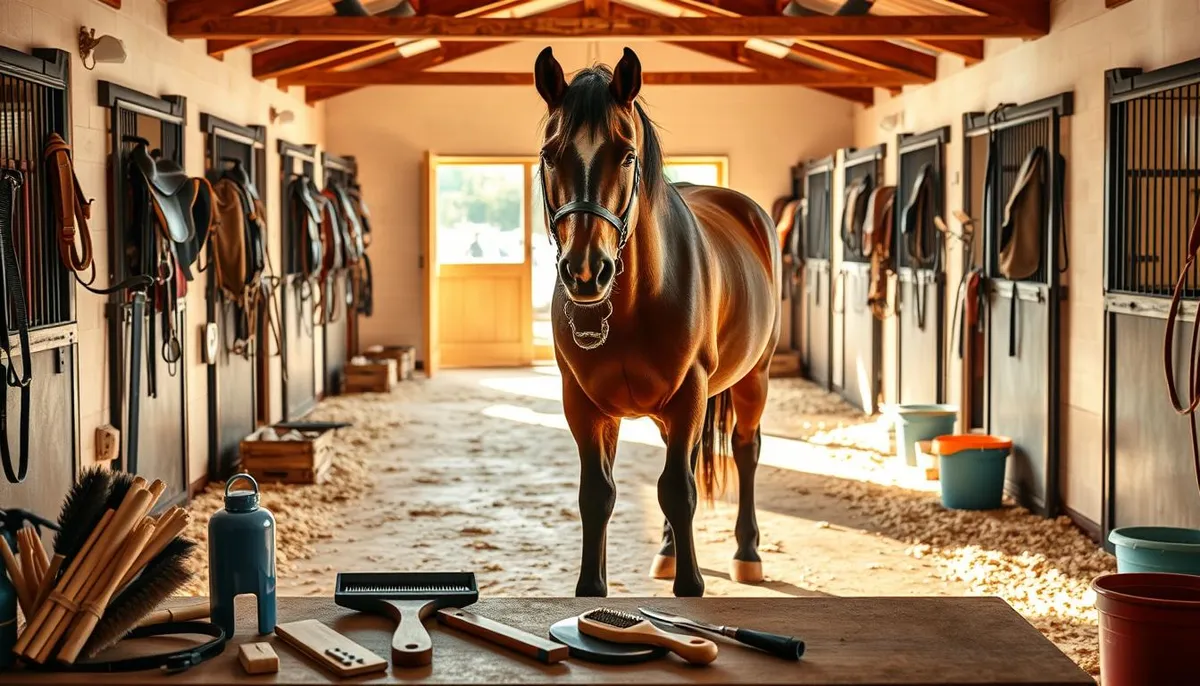
The facilities must be well-ventilated, secure, and allow horses to see each other. The saddle room should be kept organized and clean to ensure everything lasts longer. The French Saddle Room offers quality equipment, made in France, designed to withstand time and the demands of riding.
Key Points
- Forage as a base ration, adjusted to age, activity, and health.
- Monitored hydration and clean water troughs to limit risks.
- Planned veterinary follow-up, vaccinations, and personalized deworming.
- Trimming or shoeing every 4–8 weeks and daily hoof cleaning.
- Structured exercise routine and outings with paddock rotation.
- Stable that is ventilated, safe, and saddle room maintained for lasting comfort.
- Daily observation: limbs, feet, temperature, and behavior.
Introduction to Equid Care and Daily Maintenance
Caring for equids requires attention every day. Having a clear routine is essential for their well-being, whether for leisure or competition. It starts with closely observing the horses, followed by meticulous grooming, and ends with building a bond with them. These practices vary according to the horse's breed and environment.
A bright, airy, and clean environment is crucial for their health. It helps to monitor them easily and reduces their stress. Having fresh water, familiar smells, and seeing other horses are important for their mental well-being.
Understanding Specific Needs Based on Age, Activity, and Health
Young horses do not have the same needs as older ones. Leisure riding requires less effort than intensive training. It is important to adjust food and rest to avoid health problems.
It is advisable to see a veterinarian twice a year. Ponies, for example, require strict management of their diet. A sick horse must be closely monitored, with frequent weigh-ins and attention to pain.
Daily Routine in the Stable: Observation, Grooming, and Bonding
Start by checking if the horse is eating and drinking well and examine its droppings. Look for signs of lethargy, coughing, or irritability. Even a minute of observation can reveal a problem.
Grooming is done in several steps. Start with a curry comb, followed by a stiff brush and then a soft one. Then use a comb for the mane and tail. This helps to discover any issues like ticks or wounds. Ending with gentle strokes and soft words to the horse reinforces trust.
Wellness Goal: Prevent Rather Than Cure
Preventing diseases requires regular follow-up and an emergency plan with your veterinarian. Adjusting the diet and ensuring exercise can prevent health problems. Horses should have a clean paddock, dry bedding, and see other horses.
Be attentive to signals like loss of appetite or lameness. Acting quickly can avoid complications and helps keep the horses healthy, whether for competition or leisure.
| Profile | Daily Priorities | Indicators to Monitor | Adjustments in the Stable |
|---|---|---|---|
| Foal/young | Growth observation, gentle grooming | Appetite, attitude in the pasture | Split rations, calm companionship |
| Leisure horse | Hydration control, complete grooming | Energy during riding work | Regular outings, free forage |
| Sport horse | Locomotion check, recovery | Heart rate, stiffness | Safe surface, ration according to workload |
| Senior | Inspection of teeth/weight, gentle grooming | Chewing, dry droppings | Wet forage, shelter from wind |
Nutrition and Hydration: Horse Feed, Forages, and Water
Good horse nutrition relies on three pillars: enough time to eat, clean water, and a well-balanced diet. Choosing the right foods each day prevents health problems related to poor nutrition. The food must remain suitable for each season.
Quality Forages as Base Ration: 1.5 to 2.5% of Body Weight
The heart of the diet is forage. Provide 1.5 to 2.5% of the horse's weight in clean hay or grass each day. Adjust the amount based on age, weight, and activity to avoid excess fat or thinness.
Choose good quality hay, low in dust. This aids digestion and keeps the intestinal microbiota in shape. Weighing the hay and monitoring how long the horse eats helps avoid colic problems.
Management of Concentrates and Mineral Supplements According to Work
Rich food, like grains, is for intense efforts, growth, or lactation. Divide rations, choose fibers, and add minerals and vitamins. This balances calcium and nutrients.
Provide a mineral block. Monitor how the horse reacts to training and adjust the food accordingly. Horses at rest utilize energy from forages better than from concentrates.
Safe Hydration: 19 to 57 L/day and Clean Water Troughs
A horse drinks between 19 and 57 liters of water per day, depending on climate and exercise. Water must be clean, fresh, and always available. It is important to clean the water troughs daily and check that they are functioning well.
In winter, a heating system prevents water from freezing. Always having access to water helps with digestion and reduces the risk of intestinal blockage. Slightly warm water can encourage drinking after exercise.
Practical Tips: Hay Nets with Small Holes and Forage Analysis
Hay nets with small holes make it harder to grab food. This slows down ingestion and is good for weight control. Spreading meals mimics the natural behavior of horses that graze all day.
Having your forage analyzed provides information on quality and what needs to be added or removed from the diet. Monitor droppings, appetite, and how much water the horses drink. This helps you take care of them all year round.
Health Prevention: Veterinary Follow-Up, Deworming, and Dental Care
Caring for horses requires attention every day and precise follow-up. For all horses, regardless of their breed, planning horse care helps prevent issues and keeps performance at its best.
Regular Checks, Emergency Protocol, and Health Record
Organize two veterinary visits annually. A general check-up should be done once a year. It checks overall health, legs, feet, and includes a dental check-up. This rule applies to every horse.
Have a written emergency plan with your veterinarian to act quickly if you are not there. Keep a detailed health record for each horse, noting treatments, vaccinations, and daily observations.
Key Vaccinations and Boosters for Competition Horses
Include vaccines against tetanus and other diseases in the basic program. For competition horses, schedule boosters every six months for flu and certain viruses.
Keep vaccination certificates in the stable and adjust boosters according to competitions. Being strict about vaccinations helps keep your horses healthy and avoids breaks in training.
Personalized Deworming via Coprological Analyses
Use annual coprological analyses to determine treatments. This identifies specific problems and avoids creating resistances. Therefore, treat according to needs, not according to a fixed schedule.
Write down the results for each horse in a record. Doing so helps to effectively protect your horses at all times of the year.
Equine Dentistry: Screening for Chewing Disorders
An equine dentist should check the teeth at least once a year. Be attentive to signs like difficulty chewing, excessive salivation, bad breath, weight loss, or irritability.
Dental problems can cause pain and affect performance. Regular dental maintenance is essential for proper feeding and the overall health of horses.
- Documented biannual visits and annual complete examinations.
- Validated and accessible emergency protocols.
- Up-to-date vaccination schedule, with reminders for competitions.
- Deworming guided by coprology, monitored by horse.
- Annual dental checks and early screening for disorders.
Horses and Exercise: Outings, Equestrian Training, and Mental Well-Being
Regular training helps the body and mind. A schedule is followed at the stable for training, care, and rest. The idea is to keep the horses calm, flexible, and ready, respecting their limits.
Variety is essential. Mix training, breathing exercises, and outings in nature. Each session starts gently, then decreases in intensity. A tracking notebook helps identify effective methods.
Adapted Exercise Program: Arena, Open Fields, and Lunging
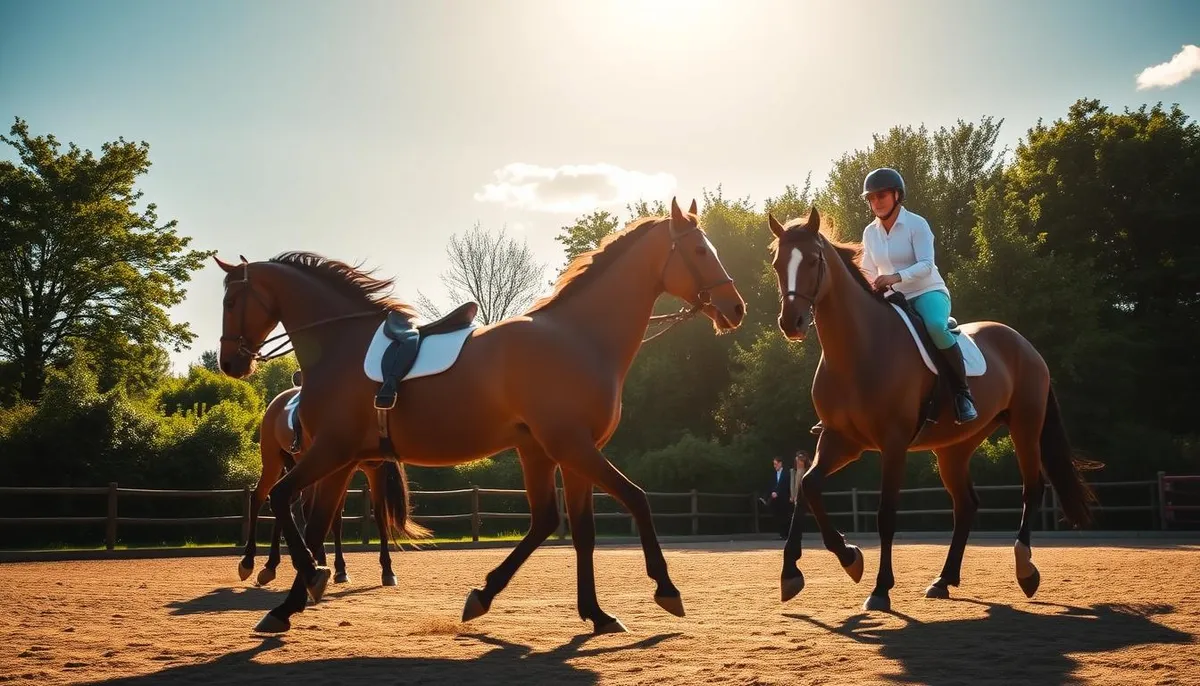
The program considers the age and abilities of the horse. It alternates between enclosed arenas, open fields, and lunging work. In dressage, movements are adjusted to avoid fatigue.
Shorter but more frequent sessions are better. The duration varies according to the season and the horse's condition. After effort, care includes a warm shower and a walk before returning to the stall.
Daily Outings and Paddock Rotation
Wild horses cover nearly 16 km each day. To approach this, prioritize regular outings and space rotation. This practice protects the grass and maintains foot health.
Adjust the number of horses based on the weather. Wet ground means fewer horses in the paddock. Walks, even short ones, are beneficial for well-being.
Group Compatibility and Stress Prevention
Stable groups reduce tensions. Observe relationships and access to resources like water and hay. In the stable, allowing horses to see each other reduces isolation and stress.
Signs of stress include pinned ears and agitation. Creating resting and shaded areas helps maintain peace.
Indicators: Activity, Fatigue, Recovery, and Adjustments
Monitor breathing, sweating, and flexibility after effort. Any change in appetite or mood is a warning signal. Rest days are important for well-being and progress.
Nutrition varies with work and seasons, following forage analyses. Each session is noted to adjust care and maintain balance in the stable.
| Objective | Training Tools | Indicators to Monitor | Recommended Adjustments |
|---|---|---|---|
| Flexibility and Straightness | Transitions, circles, shoulder-in in the arena | Regular amplitude, bending without resistance | Shorten sessions, add stretches at the walk |
| Endurance and Cardio | Outdoor trotting, moderate elevation | Respiratory rate return to calm in 15 min | Gradually increase, active rest days |
| Balance without Rider | Lunging with light and variable restraints | Regular gaits, hind engagement | Alternate durations and directions, soft and stable ground |
| Mental Well-Being | Daily outings, compatible groups | Calm behavior, maintained appetite | Paddock rotation, enrichment in the stall |
| Injury Prevention | Warm-up/cool-down, limb check | Absence of heat, swelling, or lameness | Reduce intensity, veterinary advice if abnormal |
Safety and Comfort in the Stable: Shelters, Tack Room, and Fences
A stable must be dry, clean, and well-ventilated to protect the horses. This prevents respiratory issues and simplifies care. Each stall should be large enough for horses to move and rest comfortably.
Manure and bedding are removed daily. This keeps the stable clean and safe.
Seeing other horses reduces their stress and helps them feel good. Areas for caring for horses and where they exercise have soft ground for their joints. Good lighting is crucial for properly treating horse injuries.
Fences must be easy to see, sturdy, and safe. Regularly check and repair fences, insulators, and gates. Regularly changing horses' paddocks helps keep pastures in good condition and avoids mud.
Having a clean and airy tack room helps keep equipment in good condition and prevents accidents. The harness must be well-chosen to fit the horse perfectly. The French Saddle Room offers custom or limited-edition equipment made by artisans. This ensures comfort, durability, and precision in the care provided to horses.
| Element | Key Requirements | Benefits for Horses | Frequency of Check |
|---|---|---|---|
| Shelters and Stalls | Effective ventilation, dry ground, sufficient space, clean bedding | Healthy breathing, resting comfort, disease reduction | Daily (bedding), weekly (structures) |
| Grooming/Exercise Areas | Shock-absorbing ground, optimal lighting, clear storage | Fewer slips, precise movements for horse care | Weekly |
| Fences | Visible, sturdy, without protruding elements or loose parts | Injury prevention, enhanced stable safety | After bad weather and monthly |
| Paddocks | Rotation, proper drainage, clean water points | Sustainable pastures, healthy locomotion for horses | Weekly |
| Tack Room | Suitable equipment, regular maintenance, ventilated storage | Precise fit, comfort, durability of harness | After each use |
Grooming, Hooves, and Daily Observation
A well-established routine is essential for the health and comfort of horses in the stable. It is an integral part of daily care. These actions also contribute to improving the horses' performance. They help care for their skin and back with well-fitted tack.
Regular Grooming: Skin, Coat, Mane, and Tail
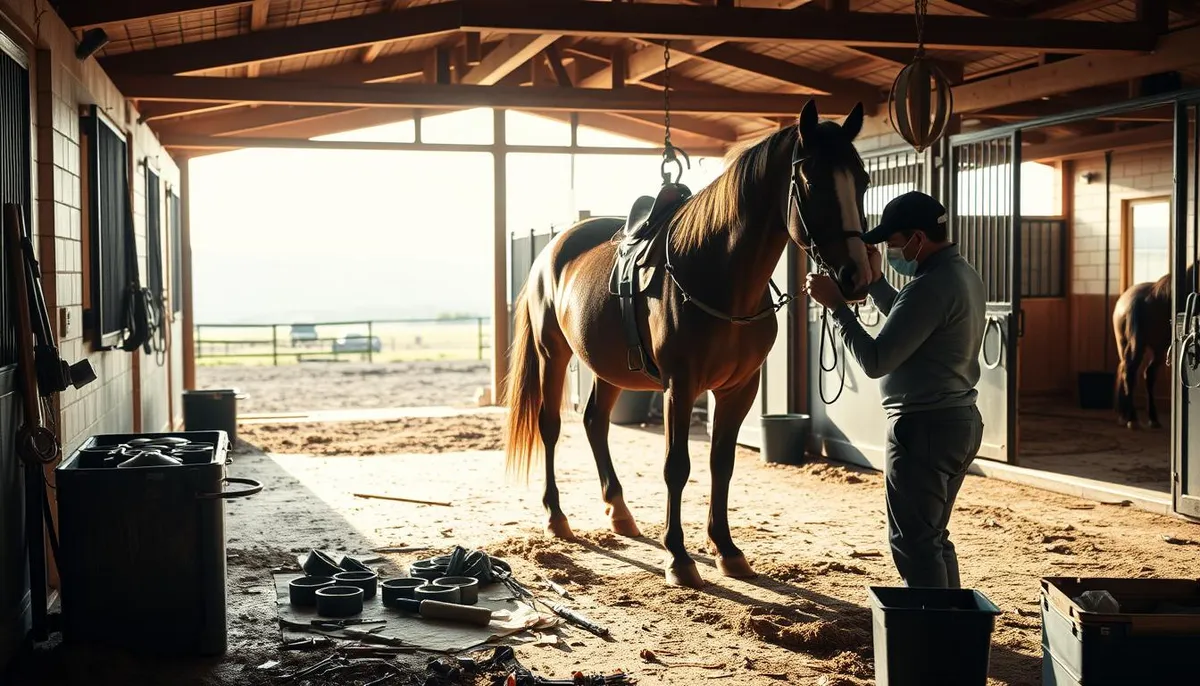
Start with a curry comb to remove dirt and stimulate blood circulation. Then use a soft brush to make the coat shine and spot any skin problems. Finally, carefully detangle the mane and tail to prevent damage.
This process brings us closer to our horses and helps us spot ticks and other issues. In a lively stable, these simple steps contribute to maintaining hygiene. They are fundamental before and after each riding session.
Hoof Care: Daily Cleaning, Trimming/Shoeing Every 4–8 Weeks
Cleaning the hooves is a must every day. Remove stones and carefully inspect each hoof. Ensure there are no suspicious odors, excessive heat, or swelling.
A professional, the farrier, should intervene regularly. For an active horse, visits are more frequent to maintain hoof balance. These visits prevent walking disorders and ensure good support under the saddle.
Daily Check-Up: Limbs, Temperature, and Behavior
Before and after effort, examine the horses' legs for any unusual signs. Also check their temperature, if they are drinking well, and if they have an appetite. Observe any changes in their behavior, such as loss of energy or irritability.
Being attentive daily allows for quick action if necessary. If a horse is exceptionally tired or refuses to eat, consult a veterinarian promptly.
Choosing Tack and Maintenance
It is essential to choose tack suitable for each horse. The saddle, girth, and pad must distribute pressure evenly and not cause discomfort. It is vital to clean and maintain equipment regularly to keep the leather in good condition and avoid injuries.
Opt for equipment from recognized brands, such as La Sellerie Française. A good fit is crucial, both for leisure riding and for dressage. It contributes to the horse's well-being and must align with daily care.
| Key Action | Frequency | Main Purpose | Indicators to Monitor |
|---|---|---|---|
| Curry comb + brushing | Daily | Clean, stimulate the skin | Ticks, scabs, sensitive areas |
| Hoof cleaning | Before/after each session | Prevent injuries and abscesses | Stones, odor, heat, cracks |
| Trimming/Shoeing | Every 4–8 weeks (4–6 if working hard) | Balance and function of the hoof | Wear, hoof angle, conformation |
| Check-up of limbs and temperature | Daily | Detect inflammation | Swelling, heat, pain, fever |
| Tack maintenance | Weekly (immediate after rain/sweat) | Comfort and durability | Leather wear, seams, pressure areas |
Conclusion
Ensuring the well-being of equids relies on a comprehensive and simple vision. Good nutrition is crucial, with forages of quality at 1.5 to 2.5% of body weight. If necessary, supplements can be added to support energy and digestion.
Clean water must be available at all times, between 19 and 57 L per day. This is essential for their health. In the stable, there must be good ventilation, safe flooring, and reliable fencing. This reduces risks and helps horses feel good.
Regular movement is very important. Suitable exercises and daily outings nourish the horse's body and mind. Good paddock rotation is also beneficial.
Daily observation and grooming allow for quick detection of discomfort. Regular hoof care and rigorous veterinary follow-up are crucial. They include vaccinations, targeted coprological analyses, and annual dental checks.
Choose a boarding facility with an emergency protocol and a good health record. The teams must be well-trained. Visual contact between horses is also important for their well-being.
In terms of tack, prefer durable and comfortable equipment. Like that offered by La Sellerie Française, it must fit well. This aids in locomotion and stability of the horse.
In summary, consistently and regularly caring for horses is essential. Good nutrition, hydration, exercise, safety, tack, and medical follow-up are key. This approach helps horses live well and perform, every day.
FAQ
What daily ration is recommended for horses and ponies?
Aim for 1.5 to 2.5% of body weight in forages. This includes quality hay or grass. Adjust according to age, condition, and activity, from leisure to intense.
Concentrates are useful if energy needs are high. Ensure you have a mineral supplement and a lick block available.
How much water should a horse drink per day and how to secure hydration?
A horse drinks 19 to 57 liters per day. This depends on the weather, exercise, and its diet.
Provide clean water and clean the troughs every day. Check the water flow. In winter, use a heating system to prevent water from freezing.
What vaccines are essential and how often should they be administered?
Basic vaccines include tetanus, encephalomyelitis, and rabies. Add West Nile virus to this list.
For competitions, schedule boosters every six months. This concerns equine flu and equine herpes virus type 1. Always follow the standards of equestrian federations.
How to organize deworming without promoting resistance?
Opt for an approach based on annual coprological tests. Treat only horses with a high number of eggs in their droppings.
Keep a deworming record up to date. Change products according to the veterinarian's advice.
How often should veterinary visits and dental care be scheduled?
Plan at least two visits to the veterinarian per year. Have an annual dental examination with a specialist.
Monitor chewing disorders like difficulty chewing or weight loss.
What grooming routine should be adopted daily?
Start by using a curry comb to remove dirt. Then use a stiff brush followed by a soft one for the coat.
Finish with a comb for the mane and tail. Always check for signs of ticks or irritations.
How to maintain hooves and how often to see the farrier?
Clean the hooves daily to remove debris. Be attentive to any heat, odor, or signs of abscesses.
Schedule an appointment with the farrier every 4 to 8 weeks. Horses that work a lot may require more frequent visits.
What exercise program suits equids of different levels?
Alternate between covered arenas, open fields, and free work. This helps develop balance and musculature.
Take the horses out daily. Adjust the effort according to their age, condition, and training goals. Keep a record of each session.
Why is paddock rotation important?
It improves pasture health and decreases parasites. It also promotes a more natural walk for the horses.
Group compatible horses for less stress. Monitor their recovery after exercise.
What are the good practices for a safe and comfortable stable?
Ensure good ventilation, non-slip floors, and enough light. Keep stalls clean, dry, and large enough for the horses.
Check fences for visibility, sturdiness, and safety.
How to detect a health problem in the horse early?
Observe daily the appetite, hydration, and temperature of your horse. Pay attention to lameness, swelling, or mood changes.
If in doubt, consult a veterinarian quickly.
How to manage feeding according to work and seasons?
Analyze your forages and adjust energy intake according to activity. Use hay nets with small holes to slow down ingestion.
Decrease concentrates during rest periods. Monitor body condition and stool quality.
What tack to prioritize for comfort and performance?
Opt for well-fitted equipment and maintain it regularly. Products from La Sellerie Française guarantee durability and comfort.
What precautions to take in boarding for reliable follow-up?
Request detailed health monitoring and an emergency plan with your veterinarian. Check available water, paddock rotation, and staff expertise.
What simple indicators to balance work and recovery?
Monitor heart rate, sweating, and appetite after exercise. Allow rest days and vary training. Also adjust food and water accordingly.