
Choosing between a horse or a pony is an important step in equestrianism. This decision often arises in France, especially when considering a half-boarding arrangement or a first purchase. It can seem exciting but also a bit intimidating without the right information.
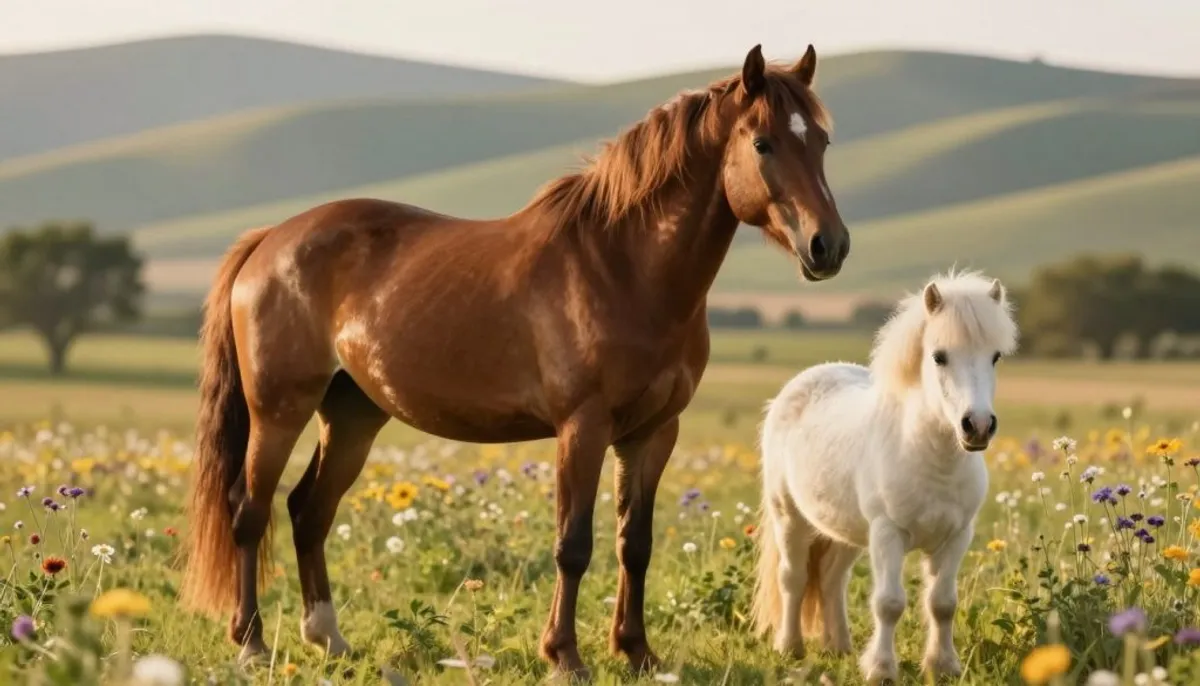
This guide is here to make your choice easy and stress-free. We will cover aspects such as size, rider weight, skill level, the personality of the mount, and your aspirations, from simple pleasure riding to participating in competitions. The goal is to find a partner that offers better control, more comfort during practice, and increased safety on a daily basis.
It is important to remember that there is no “perfect” mount. There are over 350 horse breeds around the world, each with its own characteristics. To choose well, you should start by observing the options available at a equestrian center, try several mounts, ask the right questions, and finally, validate your choice with a veterinary examination.
Key Points to Remember
-
Your choice between a horse or a pony should be based on your profile, not follow a trend.
-
In the world of equestrianism, it is crucial that safety, well-being, and enjoyment progress together.
-
The size and weight of the rider play an important role in ensuring balance and comfort.
-
The character of the mount is crucial, especially for beginners.
-
Visiting a equestrian center is an excellent way to compare different horses in optimal conditions.
-
Having the mount checked by a veterinarian before purchasing or taking a half-boarding arrangement can prevent unpleasant surprises.
Understanding the Difference Between Horse and Pony
Choosing between a horse and a pony is more complex than it seems. In a club or outside, we use easy markers to decide. Then, we refine our choice based on our feelings while riding. The size, shape of the animal, and our safety are crucial, especially if we are looking for an easy-going companion.
Height at the Withers: Size Markers and Perception in Equestrianism
Riders often consider an animal under 140 cm to be a pony. A horse would typically measure between 160 and 190 cm. These measurements are useful but not absolute. They help us imagine our relationship with the animal, whether in the arena, when mounting, or during transitions.
The taller the animal, the scarier a fall can seem. This affects our confidence, especially if we are already nervous. The choice between horse or pony must then take our feelings into account as much as our technique. This directly impacts our daily safety in equestrianism.
What Morphology Changes: Bone Structure, Back, Balance, and Comfort
The morphology of an equine greatly influences our comfort. A sturdy pony can be more comfortable than a large, delicate horse. It depends on its skeleton, back, and balance. We also examine how the horse carries the saddle and moves with it.
Well-being while riding does not only depend on the height of the animal. A short, strong back can provide better stability, while a long back may require more dexterity. Regardless of whether it is a horse or a pony, what we seek is smooth and tension-free movement.
Why Choice Impacts Safety and Enjoyment in Daily Life
A large horse can make mounting difficult for a small person, especially without assistance. This can lead to less autonomy and more effort to climb. Conversely, a small animal can limit the rider's control.
A good duo between rider and mount is quickly recognized: commands are clear, balance is better, and movements are smooth. The size and shape of the equine should make the duo comfortable for both. It is often at this point that choosing between a horse or a pony becomes easy.
| Observed Criteria | Pony Side Markers | Horse Side Markers | What This Changes in Practice |
|---|---|---|---|
| Height at the Withers | Often < 140 cm | Often 160 to 190 cm | Perceived height of fall, ease of mounting, sensation of “height” in the saddle |
| Equine Morphology | Often compact, short back, round chest | Often longer, greater range | Stability, saddle placement, comfort at the trot, quality of balance |
| Carrying Capacity | Very variable, sometimes excellent with strong bone structure | Very variable, depends on the back and bone structure | Weight distribution, fatigue, regularity of gaits with the rider |
| Daily Autonomy | Often simpler without equipment | Often needs a mounting block for certain pairs | Management outdoors, mounting on rides, ground handling |
| Safety in Equestrianism | Increased confidence in some, reassuring height | More inertia and height, more striking impression | Impact on mental state, precision of aids, and rider relaxation |
Horse or Pony: How to Choose Based on Your Rider Profile
Choosing between a horse or a pony is based on your experience, goals, and commitment. For beginners in equestrianism, an experienced and stable mount is recommended. This allows for quick and safe progress.
An important piece of advice: avoid pairing a beginner rider with an inexperienced mount. This situation can create difficulties and tensions between the rider and their mount. Instead, opt for a reliable and experienced equine partner who knows what they are doing.
The character of a horse often varies, even within the same breed. A horse may be calm in hand but more lively once ridden, or vice versa. To make the right choice, talk to those who care for the horse daily. This includes grooming, pasture, loading, and work in the arena.
When you do not have all the information, a trial period can be helpful. It allows you to test the horse's reaction to commands, its emotional management, and its tolerance for mistakes. Give yourself a few sessions to form an opinion, especially if you are a beginner.
Your goals also define the ideal type of horse or pony. For trail rides or leisure, choose a reliable partner that reacts well in different environments. For sports, a horse in its prime, well-trained, and physically fit is preferable.
If you are still unsure about your goals, opt for a versatile mount. This means a horse or pony that is easy to direct, consistent in its reactions, and temperament. Safety and clarity in communication are essential.
| Rider Profile | Choice Priority | To Observe During Trial | Easiest Goal to Start |
|---|---|---|---|
| Beginner Rider (regular lessons) | Experienced mount, stable routine, “forgiving” aids | Clear stops, calm transitions, easy direction, serene mounting/dismounting | Leisure riding in the arena, small guided rides |
| Intermediate (basic skills acquired) | Balance, availability, modifiable energy | Pace adjustment, simple bending, calm leg reactions | Active trail riding, basic dressage, low-height obstacles |
| Advanced (technical goal) | Physical qualities, work mentality, room for improvement | Consistency in contact, endurance, recovery, precision of aids | Competition according to discipline and schedule |
| Unclear Goals | Versatility, comfort, constant horse temperament | Behavior outdoors, in groups, and during unexpected situations | Mixed program to build equestrian progression |
Adapting Rider Size and Weight to the Horse's Well-Being
When the size and weight are well chosen, everything becomes easier. The horse moves better and is more comfortable. We talk about carrying capacity rather than a fixed number.
It is good to compare the rider's weight and equipment to the horse's weight. This practice helps to care for horses over time. A healthy and well-managed horse can better support weight.
Load Rule: Aim for about 15 to 20% of the horse's weight (equipment included)
Horses are better off with a load of about 15 to 20% of their weight. We add the rider's weight and equipment. For a saddle and others, this is about 9 kg.
We then compare this to 20% of the horse's weight. A 500 kg horse will have an ideal load of about 100 kg. This helps to understand how much a horse can carry. But observation remains essential.
| Horse Weight | 20% (comfort marker) | 25% (alert zone) | Total Load to Compare |
|---|---|---|---|
| 350 kg | 70 kg | 87.5 kg | rider weight + ~9 kg of equipment |
| 450 kg | 90 kg | 112.5 kg | rider weight + ~9 kg of equipment |
| 550 kg | 110 kg | 137.5 kg | rider weight + ~9 kg of equipment |
Beyond 25%: possible signs of physical stress and fatigue
If the load exceeds 25%, the horse may have problems. You might see a low back, difficult movement, or less energy. It is not its fault; it is a concern for its body.
You can change the session or equipment. A better saddle, gradually getting back in shape, and regular care often help.
Special Cases: very young or old horses, increased caution
The 15-20% load is for a healthy horse. For young or old horses, less weight should be placed. Before around 6 years, the body is not fully ready for sustained effort. Experts often wait 4-5 years before starting serious training.
A horse lives on average 25 to 33 years. The decisions made now affect its future. Adapting the weight to the horse, according to the season and its condition, is key for its well-being.
Ideal Size: Practical Criteria for a Good Riding Position
Choosing the right horse size is essential. It ensures a stable position, precise contact, and less fatigue. With the right size, safety while riding and on foot improves.
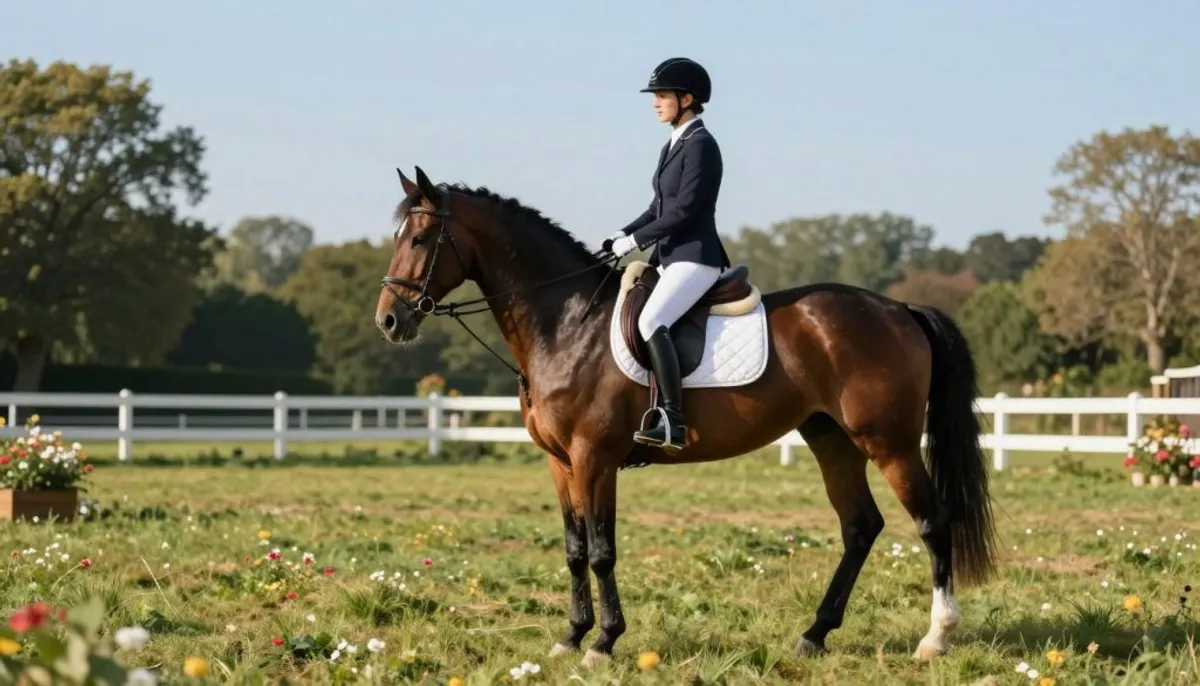
Simple Marker: Riders measuring less than 1.80 m are comfortable with horses ranging from 14 to 16 hands. For taller individuals, horses over 16 hands are often preferred, depending on their experience and the equestrian discipline.
Legs and Contact: Seeking an Effective Leg Without “Floating”
To be useful, a leg must act naturally. Ideally, the lower leg should be slightly above the horse's belly. If the feet are too low, it becomes difficult to use the leg aids correctly.
If your knees are above the flaps or your legs are swinging, your position requires too much effort. These signs indicate that precision and comfort are diminishing.
- Advanced knees: difficulty lowering the leg and staying supple.
- “Hanging” leg: unstable contact, delayed actions.
- Posture deteriorating at the trot: loss of balance and tension.
Mounting Independently: The Importance of the Mounting Block According to Height
Mounting alone is as important as the riding level. Without a mounting block, climbing onto a large horse becomes harder. This can destabilize the saddle and the horse, increasing risks.
A mounting block helps preserve the horse's back. It facilitates mounting, especially outdoors or on uneven terrain. It is a detail that secures daily riding.
Stability and Control: Why an Appropriate Size Improves Aids
A well-adjusted size makes it easier to maintain balance. The aids are more precise, and transitions are smoother. Your horse reacts better and understands more easily.
Having a horse that is too big or too small can cause problems. We often correct with the hands, which decreases stability. A good position enhances control without needing to raise your voice.
| Observed Situation | What You Feel | Effect on Leg Aids | Probable Impact on Riding Safety |
|---|---|---|---|
| Knees exceeding the flaps | Blocked pelvis, difficulty lowering the leg | Short actions, often forward | Less stability, more reactive responses in case of deviation |
| Feet hanging more than 5 cm below the belly | Leg “floating,” loss of contact | Delayed requests, less responsive horse | Less clear control, need to compensate with hands |
| Lower leg at 2.5–5 cm below the canon | Constant contact, simpler posture | Finer and more regular aids | Better mastery, reduced fatigue over time |
| Very tall horse without a mounting block | Difficult mounting, pulling on the saddle | Tense departure, horse moving at the mounting block | Increased risk of imbalance at the start, especially outdoors |
Popular Horse Breeds in France and Associated Disciplines
In France, observing horses is vital for choosing your mount, as each breed has its characteristics. Over 350 breeds exist worldwide, and knowing their specialties can guide our choice. It helps to define the use before focusing on a specific individual.
The Selle Français is a common choice for those seeking power and reliability. It comes from various crossings and is characterized by its size and sturdiness. These qualities make it ideal for show jumping and eventing.
The Anglo-Arab, well-established in France, is appealing for its versatility. It is fast, strong, and learns quickly. This breed excels in endurance and dressage, but also shines in show jumping and eventing with appropriate training.
The Thoroughbred immediately evokes speed racing. It is a fine and lively horse, possessing a strong personality. With an experienced rider, it can also excel in show jumping or eventing.
The Arabian is famous for its endurance and prestigious ancestry. With great attention and sometimes nervous, it shines in endurance and sports trail riding.
The Friesian, originating from the Netherlands, captivates with its black coat and elegance. It enjoys routines, making it an excellent partner in dressage.
The Barb, from North Africa, is known for its gentleness and social character. With its muscular structure and fine head, it is versatile and accessible, suited for various equestrian activities.
For more information, some books explore the relationship between horse morphology, character, and equestrian disciplines. For example, the work by Natalie Pilley-Mirande with photos by Thierry Ségard (Vigot, January 17, 2017, 127 pages) is a useful guide for choosing your mount without relying solely on preconceived ideas.
| Breed | Common Strengths | Associated Disciplines | For Which Rider | Point of Caution |
|---|---|---|---|---|
| Selle Français | Strength, frame, honesty, often docile | Show Jumping, Eventing | From leisure sports to competitor | Sensitivity to channel with stable aids |
| Anglo-Arab | Versatility, courage, intelligence, endurance | Endurance, dressage, Show Jumping, Eventing | Motivated rider who enjoys a forward horse | Needs consistency to maintain calm |
| Thoroughbred | Speed, finesse, responsiveness, great impulse | Gallop, Show Jumping, Eventing | Rather intermediate to advanced | Can be delicate: stress and pace management |
| Arabian | Breath, recovery, resistance, intelligence | Endurance, sports trail riding, racing | Experienced or supervised | Sensitivity: requires tact and a light hand |
| Friesian | Presence, charisma, memory, availability | Dressage, performance | Patient rider, attached to routines | Requires progressive and consistent work |
| Barb (Barb/Barbe) | Social, hardy, versatile, pleasant temperament | Endurance, dressage, show jumping, outdoor | Wide audience, from leisure to sport | Variable quality: check locomotion and balance |
Choosing Based on Discipline: Dressage, Gallop, and Show Jumping
Choosing an equestrian discipline from the start is a good plan. It helps avoid surprises. Dressage requires precision, good balance, and concentration. For gallop, responsiveness and energy management are crucial.
Show jumping demands agility, determination, and coordination. Depending on your goals, whether for pleasure or competition, the ideal horse changes. A calm horse can be reassuring, while a sporty horse can help you progress faster.
For show jumping and eventing, some horses are naturally gifted. The Selle Français is valued for its power and versatility in competition. The Thoroughbred is also a good choice, known for its speed and endurance.
In dressage, a beautiful expression and good responsiveness to aids are sought after. The Friesian impresses with its grace and precision, perfect for careful riding. The Anglo-Arab is versatile, ideal for diversifying training and staying dynamic.
For endurance and trail rides, prioritize endurance and a good mentality. The Arabian excels due to its endurance and recovery ease. The Anglo-Arab is also suitable for combining outdoor outings and flat training.
| Equestrian Discipline | Qualities to Prioritize | Breeds Often Adapted in France | Sensation of Size |
|---|---|---|---|
| Show Jumping | Impulse, trajectory, honesty, respect | Selle Français, Anglo-Arab, Thoroughbred | Large model: amplitude and coverage; compact: easier turns |
| Eventing | Versatility, endurance, coolness, balance | Selle Français, Anglo-Arab, Thoroughbred | Large: stability at speed; compact: maneuverability and confidence |
| Dressage | Cadence, suppleness, attention, precision | Friesian, Anglo-Arab | Large: wider strides; compact: proximity and simpler aids |
| Outdoor (trail/endurance) | Regularity, recovery, solid feet, calm mentality | Arabian, Anglo-Arab | Compact: reassuring and agile; larger: comfort at gallop on long trips |
The size of the horse changes how you feel it. A large horse provides more speed and comfort at gallop. A smaller horse is easier to control and maneuver.
No matter your goals, safety is always key. The rider's weight must be adapted to the horse, and the equipment must fit well. A good understanding between the rider and their horse helps to progress, whether in show jumping or dressage.
Equestrian Center: Testing, Observing, and Refining Your Choice
Testing an equestrian center is essential before making your choice. It is where you can see horses and ponies in their daily lives. This facilitates the decision between choosing a horse or a pony.
A good test is not just a simple ride. It is important to feel the horse at walk, trot, and during pace changes. Repeating the exercise on different horses helps to compare better.
Why Try Several Mounts Before Deciding
The first impression is not always the right one, especially under stress or fatigue. By trying several mounts, you identify constants: your balance, position, and confidence. This is how you realize the most suitable choice for you, as size and energy differ.
Observing the horses on the ground is also informative. Watch how they are groomed, how they react to care and handling. These elements often reveal their character.
Being Accompanied: The Benefit of an Experienced Eye During Trials
Being accompanied by someone experienced is very beneficial. This person can test the horse before you and see how it reacts. Thus, your trial is done in complete tranquility.
Express your expectations before starting: ride, dressage, retraining. Your companion will then know how to guide you towards horses that match your goals.
What Supervision Can Reveal: Real Level, Consistency, Reactions to Aids
A professional supervisor offers a neutral perspective. They detect if the horse understands your requests, if you remain stable in turns, and if your pace is regular. They can even identify common associations, like a beginner on a less experienced horse.
To observe well, supervision can rely on clear criteria. This helps to compare different horses effectively.
| Observed Point | What You Look For During the Trial | What Supervision Can Confirm |
|---|---|---|
| Response to Aids | Departures at walk and trot without forcing, clear stops | Timing of aids, real understanding, need to adjust the request |
| Balance in Curve | Trajectory held, no shoulder “falling” | Correction of position, saddle-rider consistency, required level |
| Contact and Direction | Stable reins, horse or pony not leaning heavily | Quality of contact, tension in the neck, hand too fixed or too active |
| Overall Behavior | Calm at the mounting block, available attention, clean transitions | Stress management, signs of discomfort, adaptation to horse or pony choice |
Questions to Ask Before Purchase or Half-Boarding
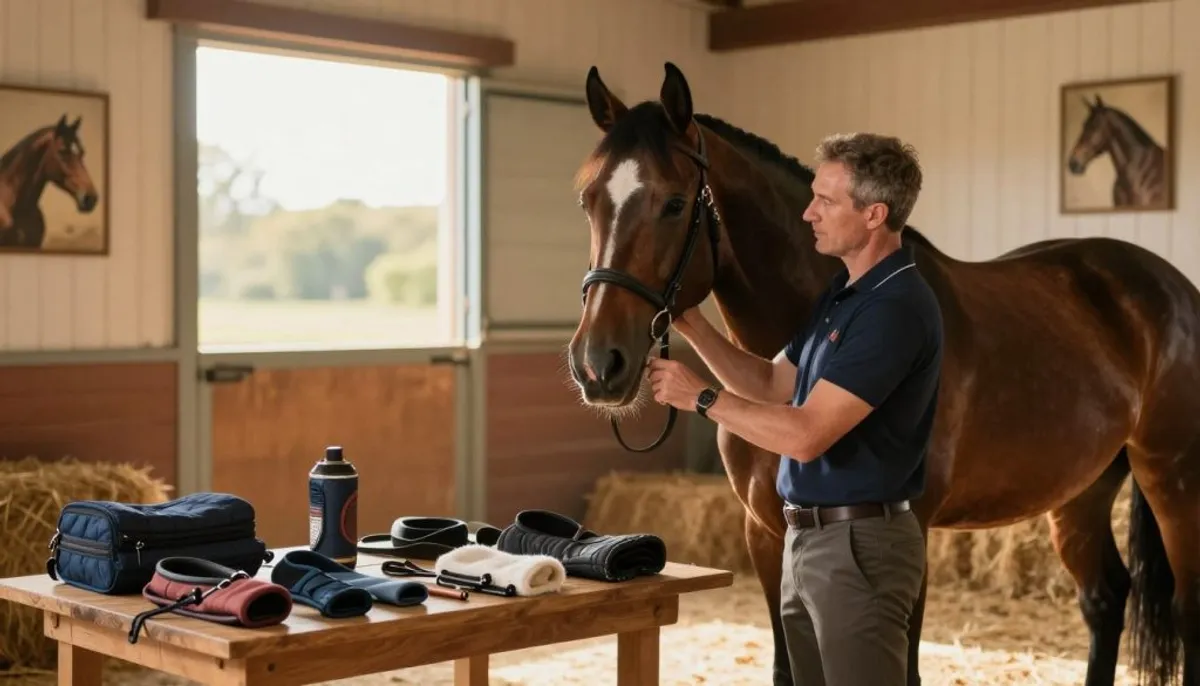
Before deciding on a horse purchase or a half-boarding arrangement, prepare a checklist. This helps not to forget important aspects, especially when feeling emotional. Your main criteria should include budget, type of discipline, your free time, and housing options for the horse.
Preparing your questions in advance is practical for staying objective. It allows you to listen attentively, verify the information obtained, and ask for specific details. This approach facilitates effective communication between both parties.
Reason for Sale, Age, and Level of Training
Knowing the reason for sale can give you a first idea. It may involve a lack of time, a change in professional situation, or behavioral issues with the animal. Be critical and attentive, as important details are not always disclosed.
Regarding the age of the animal, ensure it aligns with your plans. Experts often recommend waiting for the horse to be between 4 and 5 years old to reduce the risk of injury, rather than choosing it too young.
As for training, ask for specific information. What commands does the horse already understand? Does it behave well alone or in a group? For novice riders, a horse described as “easy” should be able to execute simple exercises regularly.
Veterinary History: Vaccinations, Teeth, Feet, Special Requirements
The veterinary history must be precise and up to date. Check the frequency of vaccinations, dental care, and the condition of the feet. These aspects influence the budget and the horse's working capacity.
Also, ask if there are any special needs to consider: digestive sensitivity, allergies, care or rest requirements. Good veterinary follow-up is noticeable in daily life and is not limited to words. This is true for both purchasing a horse and for half-boarding.
| Point to Check | Useful Question | What This Can Change |
|---|---|---|
| Vaccinations | Dates and reminders completed without delay? | Access to boarding, competitions, and reduced risk of infection |
| Teeth | Last visit from the equine dentist, discomfort with the bit? | Comfort, contact, weight gain, behavior under saddle |
| Feet | Trimming/shoeing schedule, past lameness? | Sporting longevity, quality of gaits, management of hard terrains |
| Daily Care | Who does what: ration, supplements, deworming, blankets? | Organization, costs, consistency of horse care |
Daily Temperament and Group Behavior: Consistency, Reactions with Other Horses
The character of a horse reveals itself in small details. Ask about its consistency, whether it is nervous or playful. Its reaction to changes in environment or solitude is also important.
In a group, ask specific questions. Does it show aggression? Does it have a dominant behavior when ridden? This information helps anticipate its behavior outdoors.
Work Frequency: Risks of Bad Habits if Not Ridden Often
The number of training sessions should match your availability. A horse that does not work enough can become tense or forget commands. A horse with a good basic level can develop bad habits if not ridden regularly.
In the case of a half-boarding arrangement, clearly establish the program. How many times a week will it be ridden? What type of exercises will be practiced? This helps organize the schedule and maintain the horse's good temperament.
Conducting a Mounted Trial: Points to Evaluate for a Calm Decision
A mounted trial is crucial before buying. Skipping this step guarantees stress for you and the animal from the start. Before mounting, walk alongside to see how it moves. Also, observe how it is equipped and its behavior during grooming.
Ask someone experienced to ride before you. This shows you its attitude without the influence of novelty. Afterward, conduct a short but precise session yourself, and remember to take breaks.
Testing at Gaits: Aim for a natural walk, trot, and gallop. At walk, observe if it walks regularly and straight. At trot, feel its regularity and if it is easy to stabilize. At gallop, judge its agility and the fluidity of pace changes.
Changes in pace say a lot. A well-balanced horse at a slow pace helps you stay stable in the saddle. Also, check if your legs stay well positioned, without constantly seeking the right place.
Overall Feeling: You can quickly sense the horse's comfort. Flexible back, direct contact, it should react calmly to instructions. On the rider's side, ensure you can remain upright without forcing or squeezing your knees.
Do not neglect logistics. Mounting and dismounting should be easy, with or without a mounting block. A poor size can make all of this difficult, as well as giving and receiving signals.
Signs of Discomfort: Be attentive to signs of unease. Sudden head movements, arched back, agitated tail, or ears back signal a problem. Difficulty in carrying you is visible through heavy transitions or imbalance.
Try to conduct multiple outings to test consistency. A good trial with regular gaits shows the horse's comfort over time, not just for a moment.
| Point to Check During the Trial | What You Feel in the Saddle | What the Horse Shows | Useful Action at the Moment |
|---|---|---|---|
| Direction and Stop at Walk | Stable reins, calm hands, simple trajectory | Regular walk, easy to bend, clear stop | Make straight lines and large circles |
| Cadence at Trot | Comfortable position, fixed legs, easy breathing | Sustained trot, active back, constant contact | Alternate trot and some sitting steps |
| Departure and Maintenance at Gallop | Stable without stiffening, smooth departure | Assured gallop, without rushing, nice curve | Start at gallop in a wide circle then return to trot |
| Transitions (walk-trot, trot-gallop, return) | Simple commands, easy control without pulling | Prompt reaction, no fleeing, gentle rebalance | Practice transitions with relaxed rein position |
| Comfort and Carrying | Little effort to stay aligned, supple pelvis | Flexible back, continuous breathing, relaxed gait | Change hands often, vary amplitude, note the response |
| Warning Signals | Increased tension, need to maintain firmly | Ears back, resistance, agitation, rigid back | Reduce pace, check equipment, stop if needed |
Veterinary Check: Securing Your Purchase and Preventing Unpleasant Surprises
A veterinary check before purchase is essential. Even if the health record is up to date and the promises reassuring, an independent evaluation is crucial. It clarifies things between the seller and the buyer without creating conflict.
The purchase visit checks the horse's physical condition and uncovers hidden problems. This includes checking for a hidden lameness, a sensitive back, or respiratory issues. The veterinarian also examines the information on vaccinations, teeth, and feet. This step saves time and prevents making a decision based solely on impressions.
This verification prevents injuries by linking the horse's health to your plans. Intense sports activity or difficult terrain requires more guarantees. This is particularly important for young horses, older ones, or if the weight is close to the recommended limit.
It is wise to request a written report of the veterinary check. This details what is normal, what requires monitoring, and what could limit the intended use. You will have precise criteria for managing training, shoeing, and care after a break.
| Checked Point | What the Examination Looks At | Why It Is Useful for Your Project |
|---|---|---|
| Locomotion | Observation at walk and trot, flexions, symmetry of supports | Reduces the risk of discomfort during effort and supports injury prevention in regular work |
| Feet and Shoeing | Quality of the horn, conformation, sensitivity, wear, need for trimming | Helps estimate costs and the horse's stability outdoors or in the arena |
| Back and Saddle | Pain on palpation, mobility, reaction to girthing | Guides the adjustment of equipment and long-term comfort |
| Teeth | Condition of the mouth, overgrown teeth, possible discomfort with the bit | Explains certain defenses and promotes regular |
| Breathing and Heart | Auscultation, recovery after light effort | Indicates if the intended intensity is realistic for endurance and sport |
| History and Papers | Vaccinations, deworming, recent treatments, old injuries | Checks consistency with what is announced during the purchase visit |
Saddle and Equestrian Equipment: Safety, Adjustment, and Comfort
The saddle is not just about being comfortable. It plays a significant role in stability and helps calm the horse. Every adjustment in equestrian equipment matters in daily life.
Well-Fitted Saddle: Weight Distribution and Back Protection
A good saddle distributes weight evenly. It avoids pressure points and protects the horse's back. If the saddle is not well placed, the horse may experience pain and move less well.
A custom saddle can improve contact, especially for a particular back. This allows for more free movement and a better position for the rider.
Stirrups and Girths: Key Adjustments for Leg Position
The length of the stirrup affects the entire posture. A good adjustment leads to a natural leg drop and a stable foot without forcing the heel.
Safety stirrups reduce the risk of accidents. There are open and magnetic models, like the Ophena S with the Smart Attach system, for better foot placement.
Pad and Girth: Stability, Limiting Pressure Points
A well-placed pad protects the skin and helps against sweating. But it cannot adjust a poorly fitting saddle.
The girth should be well adjusted without being too tight. It should be tightened gradually to avoid problems. It’s simple but very effective.
Focus on La Sellerie Française: High-End, Made in France, Manufacturing from A to Z in France
La Sellerie Française offers high-quality equipment made in France. They use local artisans to create unique and durable products.
They focus on quality, choice of materials, and long-term usefulness. Their goal is to ensure a product that lasts and is comfortable for both horse and rider.
Why Aim for Custom or Limited Series for Optimal Adjustment
Choosing custom or limited series ensures a better fit. This can improve stability and comfort during movements.
With the right equipment, achieving a good adjustment becomes easier. This makes comfort more consistent from one session to the next.
| Element | Adjustment to Aim For | Signs of a Poor Choice | Desired Benefit |
|---|---|---|---|
| Saddle | Regular support, clear withers, stability at walk and trot | Saddle moving forward, turning, areas of ruffled hair, back hollowing | Weight distribution, protected back, freer locomotion |
| Custom Saddle | Adaptation to morphology and evolution of musculature | Need for “extra thicknesses” to hold in place, recurring discomfort | Fine adjustment, stability, lasting comfort for the pair |
| Stirrups and Girths | Leg dropping naturally, soft knee, foot placed without tension | Leg rising, toe diving, blocked pelvis | More accurate position, clearer aids, reduced fatigue |
| Safety Stirrups | Open or magnetic model depending on use; test on foot then in the saddle | Unstable foot, feeling of “stuck foot,” difficulty putting on | Better safety, confidence, foot stability |
| Pad | Clearance of the withers, appropriate length, reasonable thickness | Friction marks, folds, pad sliding back, excessive heat | Protection, moisture management, contact comfort |
| Girth | Clear contact without compression; gradual and symmetrical tightening | Saddle moving, broken hairs, defenses during girthing | Stability, limiting pressure points, more relaxed horse |
| La Sellerie Française | Craftsmanship-oriented choice, consistency of parts, careful finishes | Rapid wear, leather stretching, adjustments going out of place | High-end saddlery, manufacturing from A to Z in France, durable use |
Conclusion
Choosing between a horse and a pony? It’s simple. You need to consider four important things: morphology, the load the animal can carry, your level and goal, and the temperament of the animal. When all this is in harmony, you will be more confident and consistent.
It is essential to compare different horses or ponies. Test them in real life: walk, trot, gallop, and pay attention to transitions between these gaits. Ask specific questions about their training, social life, foot and dental care, and their medical history.
A visit from a veterinarian before buying is crucial. It helps you avoid unpleasant surprises later. It is an opportunity to ensure that the animal carries you without problem and recovers well after effort.
The equipment is also key to making a difference. A good saddle, well-adjusted stirrups, and a stable pad and girth are essential. Experts like La Sellerie Française can help you find the best equipment, made in France. With the right equipment and the perfect companion, the safety and well-being of the animal improve with each session.
FAQ
How to Differentiate Between a Horse or Pony in Equestrianism?
The height at the withers helps distinguish pony from horse. A pony measures less than 140 cm, a horse, between 160 and 190 cm. There is no absolute rule, but these measurements are useful. When riding, height influences sensation. The higher it is, the bigger a fall seems, especially if one is not very confident.
Is Size Enough to Know if a Horse Will Carry a Rider Well?
No. The carrying capacity of the horse depends on several factors such as bone structure and muscles. The same size does not mean the same comfort. A well-fitted saddle can also protect the horse's back.
Why Does the Horse-Rider Choice Impact Safety and Enjoyment So Much?
A good choice allows for better stability, control, and comfort. This limits tension and increases safety. You will feel the horse's movements better, enhancing enjoyment in leisure or competition.
Which Horse or Pony to Choose When Starting Out?
It is advisable to avoid a pair of beginners. This can reinforce bad practices. Opt for an already trained animal, with an established routine. An equestrian center or instructor can help with the choice.
Is a Horse's Temperament Reliable from Day to Day?
The temperament of a horse can change. It may be calm or energetic, depending on several factors. Before buying, it is wise to ask for a trial period to get to know the animal better.
How to Choose According to Your Goals: Leisure, Trail Riding, or Competition?
Choose a reliable horse for trail riding and leisure. For competition, prioritize an animal ready for effort. If you are still uncertain about your goals, opt for a versatile horse.
What is the Load Rule to Respect the Horse's Well-Being?
Keep the load between 15 and 20% of the horse's weight, equipment included. Calculate the rider's weight plus the weight of the tack, and ensure it does not exceed 20% of the animal's weight. This protects its health.
What Happens if We Exceed 25% of the Horse's Weight?
Exceeding 25% can cause stress and fatigue in the horse. Its way of moving may alter. This is a sign that it is not well and that care must be taken.
Should We Be More Cautious with Very Young or Old Horses?
Yes. For young or old horses, reduce the load. They are not yet or no longer fit to support too much weight. One should wait until they are mature enough for intensive training.
How to Know if the Size is Right for My Position in the Saddle?
Your position, contact, and aids matter more than appearance. Your legs should neither excessively exceed nor hang too low. This helps maintain balance and control your horse.
What Signs Indicate That the Size is Not Suitable?
If your knees exceed or your legs hang too low, this poses a problem. A feeling of imbalance or difficulty maintaining good posture indicates a poor size choice.
Why Does Autonomy (Riding Alone) Matter in the Horse or Pony Choice?
For a small person, a large horse can be a challenge to mount, especially without assistance. Less autonomy means more complications and stress. A horse of appropriate size makes things easier.
Is There a Simple Marker Between the Rider's Size and the Horse's Size?
Riders under 1.80 m often find comfort on horses from 14 to 16 hands. Taller individuals may prefer animals over 16 hands. Discipline and morphology matter as much as size.
Does Breed Help in Choosing, or Should We Mainly Judge the Individual?
Both matter. There are over 350 breeds of horses and ponies. The breed gives clues, but each horse should be evaluated individually for its form and temperament.
What Horse Breeds Are Popular in France for Show Jumping and Eventing?
The Selle Français is valued for its strength and character in show jumping and eventing. The Thoroughbred, excellent at gallop, is also suitable but requires an experienced rider.
Which Breed to Choose for Endurance and Trail Riding?
The Arabian excels in endurance but is sensitive. The Anglo-Arab, a French mix, is also a good choice for these activities due to its liveliness and intelligence.
Which Breeds Are Often Cited for Dressage?
The Friesian shines in dressage for its charisma. The Anglo-Arab, due to its versatility, is also a relevant choice if its character suits the rider.
Is the Barb (Barb/Berber) a Good Versatile Choice?
The Barb, friendly and versatile, works well in different disciplines. It is an economical option depending on its lineage and training.
Do You Have a Reliable Resource for Comparing Horse Breeds?
The guide by Natalie Pilley-Mirande and Thierry Ségard, published by Vigot on January 17, 2017, is a good start. It provides an overview of the characteristics of breeds.
Why Does Choosing “Discipline First” Help Decide Between Horse and Pony?
Depending on the discipline, the horse's size influences performance. A large horse favors amplitude, while a pony favors maneuverability. The priority should be safety and comfort.
Why Go Through an Equestrian Center Before a Purchase or Half-Boarding?
An equestrian center offers the opportunity to test different horses. This clarifies your real level and what works best for you.
Why Is It Advised to Try Several Mounts Before Choosing?
Testing various horses avoids a hasty choice based on a crush. It allows for better comparison and greater certainty in your decision.
Should You Come Accompanied During a Trial?
Yes, an experienced person can provide objective feedback on the horse. This helps avoid inappropriate pairings.
What Questions to Ask About the Reason for Sale, Age, and Training?
Inquire about the reason for sale, the horse's age, and its level of training. This often reveals crucial aspects to consider.
What to Ask About Veterinary History and Horse Care?
Check regular care: vaccinations, dental care, and the condition of the feet. Serious follow-up is a good sign.
What Questions to Ask About Daily Temperament and Group Behavior?
Ask for specifics about the horse's usual behavior, alone and in a group. This can prevent surprises regarding its temperament.
Why Does Work Frequency Matter So Much?
A horse that is not ridden enough risks developing undesirable behaviors. The regularity of training is a good indicator of reliability.
How Does a Good Mounted Trial Proceed?
A good trial should include all gaits and transitions. Ensure you are comfortable and that the horse responds well.
What Signs of Discomfort Should Alert During the Trial?
Be attentive to any signs of discomfort in the horse, such as stiffness. This may indicate a problem to address.
Why Plan for Multiple Trials, If Possible?
Multiple trials help confirm the consistency of the horse's behavior. This aids in making a more secure choice.
Is the Veterinary Check Really Essential Before Purchase?
Absolutely. A qualified veterinarian can detect potential problems, ensuring a more secure purchasing decision.
Why Is a Well-Fitted Saddle Essential for the Horse's Back?
A fitted saddle avoids pressure points and ensures the horse's well-being. This is crucial for its health.
How to Adjust Stirrups and Girths for Stable Legs?
Adjust the length for good balance, with legs slightly bent. This improves stability and control.
What Are the Benefits of a Well-Chosen Pad and Girth?
They ensure the horse's comfort and stabilize the saddle. Together, they contribute to the safety of your duo.
What to Think About Safety Stirrups and Magnetic Stirrups?
These stirrups can help depending on your practice. Test them well before making your choice to see if they suit you.
What Does La Sellerie Française Offer for Premium Equipment?
A: La Sellerie Française (https://laselleriefrancaise.com) offers high-end gear, made in France. This can enhance the stability and comfort of your mount.
Why Choose Custom or Limited Series in Saddlery?
Custom ensures a perfect fit for you and your horse. This promotes performance and comfort in the long term.