
Welcome to Cheval KW, where the love of horses meets sport and French elegance. We connect performance, horse welfare, and luxury craftsmanship. This creates a modern and clear vision of riding in France.
We emphasize the bond between horse, rider, and saddlery. We prioritize sport preparation, thoughtful breeding, and precise nutrition. European standards such as INRA and NRC guide our information, along with UFC, MADC, and digestible energy. Our advice is based on reliable sources, such as the EAAP Scientific Series, Volume 111, from Brill.
We value French excellence through La Sellerie Française. It offers products 100% made in France, either custom-made or in limited editions. Remarkable artisans create these works. Our goal is to provide sustainable, high-performing, and elegant equestrianism.
Cheval KW guides enthusiasts toward excellence in equestrianism, from pleasure to competitions. No matter your level, you will find reliable advice here. They will help you progress with your horse, confidently.
Key Points
- Modern vision of the equestrian world, rooted in horse passion and equestrian performance.
- European nutritional references: INRA, NRC, UFC, MADC, and digestible energy.
- Scientific support via the EAAP Scientific Series, Volume 111 (Brill), for reliable benchmarks.
- Horse-rider-saddlery alliance at the heart of the Cheval KW method.
- French excellence highlighted with La Sellerie Française, 100% manufactured in France.
- Practical advice for training, breeding, and competition participation.
Introduction to the Modern Equestrian World
In France, equestrianism benefits from a true passion. There are dynamic clubs and renowned studs. The equestrian culture is rich and accessible to all.
Why Equestrianism Attracts in France
The charm of equestrianism comes from its variety. You can enjoy horseback rides near the Loire or learn dressing in Saumur. Everyone can explore the nature of the Camargue.
Whether you are a family, an athlete, or simply curious, there is always a place for you. The facilities adapt to every level. And one can only appreciate the seriousness of the instructors.
The Pillars of Performance: Horse, Rider, Saddlery
To achieve performance, horse, rider, and saddlery must be in harmony. The horse's development depends on its genetics, training, and good nutrition.
The rider must focus on technique, physical condition, and mental strength. The quality of the saddlery, with brands like Hermès Sellier, plays a crucial role in comfort and safety.
Trends: Horseback Riding, Dressage, and Equestrian Competitions
Today, we love mixing equestrian activities. Between rides, dressing, and competitions, there is much to do. We also see more osteo-veterinary care and innovations in saddlery.
Scientific frameworks help to better nourish horses. This ensures their well-being and performance.
Cheval KW and Performance Vision
Cheval KW believes in equestrian performance that comes from harmony. They progress step by step in sport preparation, follow European nutrition standards, and adjust the saddlery as closely as possible. Thus, horses, riders, and equipment receive the same attention.
The ideas from the 1st European Workshop on Equine Nutrition offer guidance. They adapt the required energy from rest to effort and adjust proteins. The key points are clear: what the horse eats, the energy it has, and its physical condition.
In saddlery, French excellence plays a significant role. La Sellerie Française locally manufactures luxury equipment, custom-made or in limited editions. A good fit reduces pressure points and improves posture, thus aiding equestrian performance and safety.
Sport preparation combines targeted training, recognized nutrition, and perfect equipment adjustment. These elements guarantee rhythm, balance, and comfort, respecting the horse's well-being.
Horse Breeds and Athletic Abilities
Each discipline requires different qualities. Horses show their talents based on their physique, mentality, and training. The right energy intake helps in dressing, endurance, and leisure activities like horseback riding.
Dressage Horses: Characteristics and Selection
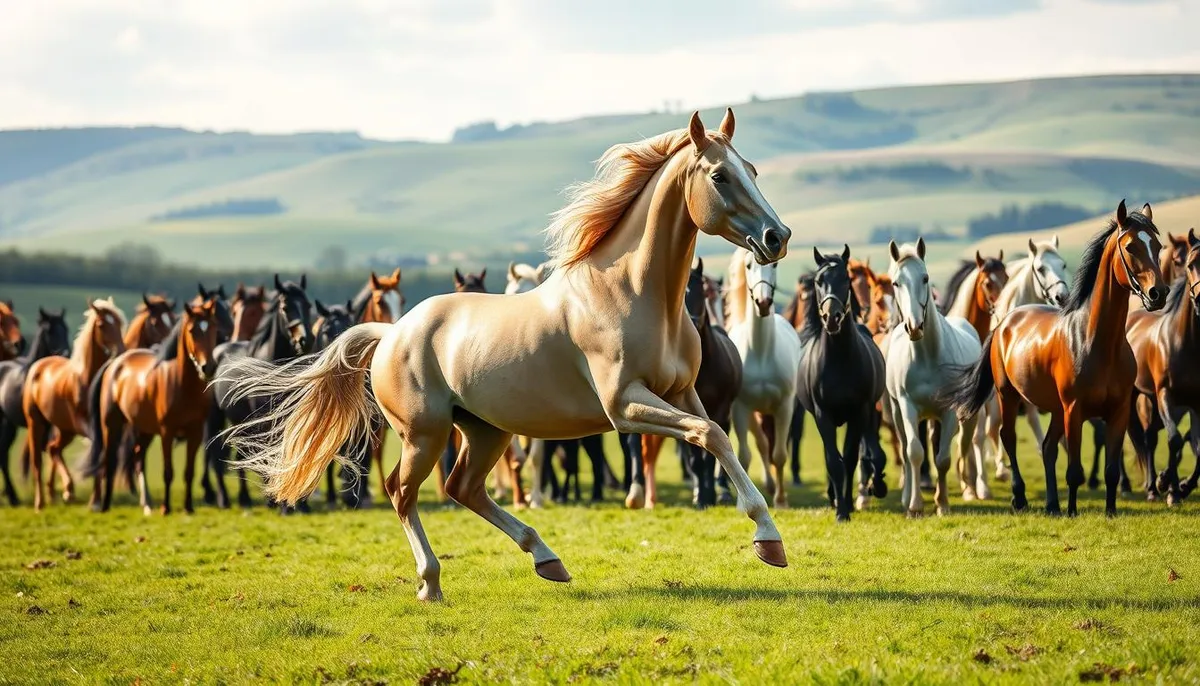
We look for horses with a strong back, a beautiful neck, and a muscular hindquarters. Qualities such as regularity of movement, amplitude, and the ability to collect are valued. The best in dressing have balance, flexibility, and a good temperament.
Their training ranges from relaxation to artistic expression. Controlled nutrition helps maintain focus without over-excitement.
Endurance and Trail Horses
For endurance and trail riding, we seek horses that manage their energy well, are sturdy, have a good metabolism, and a quick recovery. Good weight control helps regulate their temperature and reduce fatigue.
During long outings, energy and nutrients are important, not forgetting electrolytes and good forage. Good cardiac condition and moderate energy expenditure improve their performance.
Versatile Breeds for Leisure Riding
Some breeds are suitable for both indoor riding and outdoor trails. For leisure riding, a calm temperament, pleasant gaits, and suitable morphology are essential.
Having perfectly fitted equipment and appropriate nutrition ensures their well-being and longevity. This helps them both for rides and for light training in dressing or endurance.
- Ability: balance, efficiency in movements, foot durability
- Management: Diet based on effort, rich in fibers
- Comfort: Fitted equipment, good recovery
Equine Nutrition Based on European Systems
Equine nutrition is becoming more precise with European references. Experts use the methods of INRA and NRC to create suitable rations. The UFC and MADC units help understand the nutrition of sport horses. Digestible energy allows for comparisons of practices between different countries.
Goal: to use a common language, from hay to competition rations. This aligns training, digestive health, and energy available for work.
INRA, NRC, and European Systems: UFC, MADC, Digestible Energy
Brill editions (EAAP Scientific Series 111) gather references from several European countries. INRA developed UFC to quantify energy and MADC for digestible nitrogen intake. The NRC offers a complementary calculation for digestible energy and proteins.
These systems simplify the choice of feeds. They clarify energy density and nitrogen load based on the horse's work.
Energy Needs: Maintenance and Work According to European Workshops
For maintenance, we use digestible energy and body condition score. For light to moderate work, UFC allows for adjusting the diet without too much starch.
European workshops define clear activity levels. Each level links the energy required to the frequency and duration of exercise.
Proteins: MADC, Digestible Proteins, and Practical Application
MADC guides the need for digestible amino acids. The goal is to promote muscle without excess nitrogen. We adjust protein sources like alfalfa or soy according to MADC and lysine.
The German and Dutch systems offer complementary views on proteins. This allows for an effective ration.
Regulating Intakes and Voluntary Ingestion in Horses
The horse starts by regulating with forage. Good access to hay reduces feeding anxiety. Concentrates should only come afterward to maintain good fermentation.
The type of feed, its size, and the frequency of meals influence satiety. Distributed intakes are better for energy and reduce gastric risks.
Comparison of Systems: France, Germany, the Netherlands, and Nordic Countries
In France, UFC and MADC guide the daily ration. In Germany, the focus is on digestible energy and proteins. The Netherlands has a refined approach with net energy, useful for high-level horses.
The Nordic countries adapt UFC to local forages. This unified approach helps better understand labels and monitor performance.
| Country / Reference | Energy | Proteins | Strengths | Typical Use |
|---|---|---|---|---|
| France (INRA) | UFC | MADC | Simple reading in sport; good forage anchoring | Dressage and jumping horses with regular monitoring |
| Germany | Digestible Energy | Digestible Proteins | Clear equivalences; detailed tables | Fine adjustments in maintenance and moderate work |
| The Netherlands | Net Energy | Proteins based on digestibility | Precision at high levels; fat valorization | Performance horses under heavy load |
| Nordic Countries | Adapted UFC | Aligned with MADC | Optimization of local fibrous forages | Programs focused on endurance and digestive comfort |
Saddlery and Equipment: Excellence Made in France
Performance often depends on the details of saddlery and equestrian equipment. In France, artisans showcase unique craftsmanship that supports both the horse and rider. Quality materials and proper fitting enhance stability, precision, and comfort.
La Sellerie Française: Custom-Made, Limited Series, and 100% French Craftsmanship
La Sellerie Française creates luxury equipment, made in France by expert saddlers. Custom-made and limited series offer comfort, beauty, and good contact. Everything is chosen to be precise and soothe the horse during work.
Premium Saddles, Bridles, and Accessories for Dressage and Jumping
The saddles, bridles, and accessories are designed for dressage and jumping. They are made from quality leather, hand-finished, and well-balanced. This allows the rider to remain neutral, keep a light hand, and enables the horse to move better. These tools enhance the connection between rider and horse and reduce tension.
Impact of Saddle Fitting on Locomotion and Performance
A precise saddle fitting facilitates shoulder movement and improves back posture. It also reduces pressure points and helps avoid pain. Thus, the horse can move freely, extend, and maintain a regular rhythm. This is important for all performances, from flat work to dressage.
Saddlery Maintenance for Longevity and Safety
Proper maintenance prolongs the life and safety of the equipment: clean after each use, use the right lubrication, and store in a dry, ventilated place. This keeps seams strong, flexibility intact, and the value of the equipment high. Good maintenance instills confidence in the rider every time.
Equine Breeding and Young Horse Preparation
We start with careful selection among horses. We look at their conformation, how they move, and their temperament. This helps choose the right path for each foal, according to their horse breeds and what they do best. This approach lays the foundation for good young horse preparation. It aligns with what is demanded in equestrianism today.
The foal must grow steadily. A diet based on European standards helps meet their needs. Gradually, we introduce them to work, starting gently to keep their interest and ensure their physical well-being.
Being together with others helps young horses feel good mentally and understand how to behave. To stay healthy, it is essential to take care of their feet and teeth early on and follow up with a specialist for their posture. One must not forget a well-fitting saddle; La Sellerie Française offers equipment suitable for each stage, for enjoyable equestrianism.
To get them used to being ridden, we use simple signals, a gentle hand, and often take breaks. It is important to respect the differences between horse breeds. Thus, we adapt their training. This approach builds trust. It is the foundation of good young horse preparation and equine breeding aimed at longevity in performance.
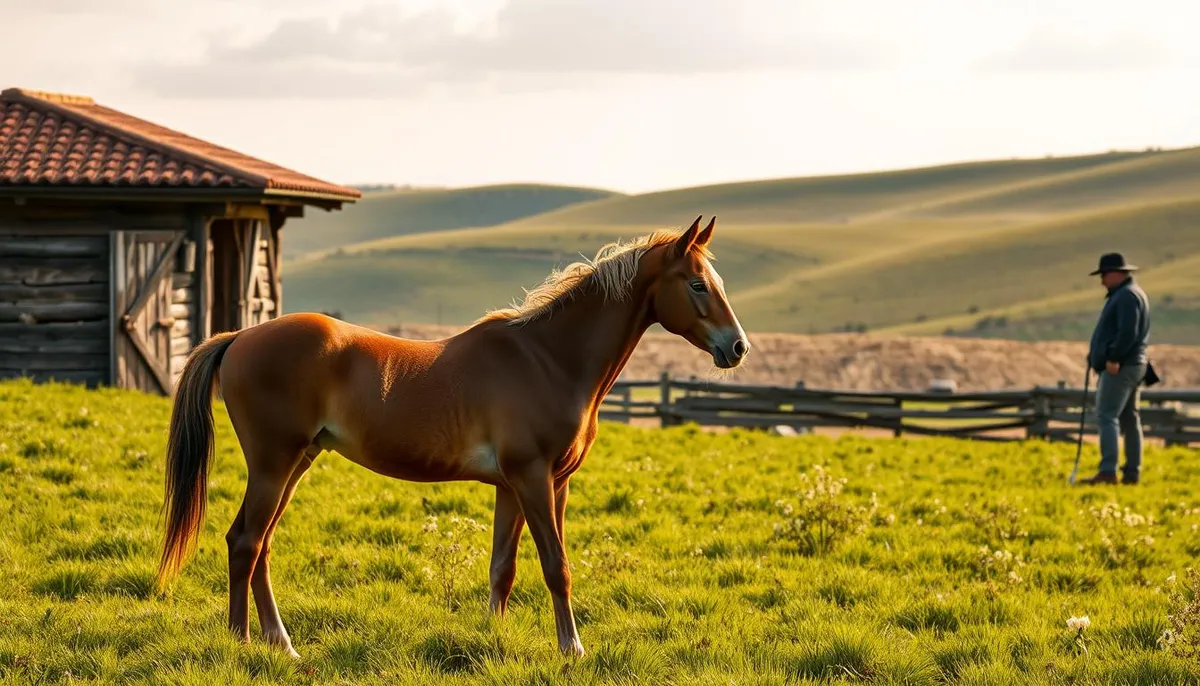
Observing how they move and recover helps adjust their training. Following UFC/MADC nutritional advice ensures they have the necessary energy without excess. With well-fitted equipment and regular care, they begin work gently. This aids in an equestrianism that respects the horse and is effective.
Sport Preparation: Dressage, Equine Care, and Recovery
Preparing a competition horse requires careful planning and constant care. In equestrianism, nothing is left to chance: a well-fitted saddle, precise exercise management, and considering recovery from the warm-up.
Progressive Training Plans for the Sport Horse
A good training plan varies between techniques and endurance, always adapted to the horse's energy. Dressage enhances flexibility and responsiveness. Calm rides increase endurance.
- Periodization: cycles of 3 to 4 weeks with peak, maintenance, then lightening.
- Variability: ground poles, transitions, hills, and stretching.
- Control: monitoring heart rate, returning to calm within minutes, and regularity of gaits.
A fitted saddle promotes relaxation and balance. This prevents back pain and improves movement during training.
Equine Care: Farriery, Dentistry, Osteo-Veterinary Follow-Up
Well-cared-for feet ensure better posture and weight distribution. Proper shoes improve grip, essential in dressage and on various terrains.
Good dental health is crucial for chewing and feeding. It directly influences available energy and training regularity. Regular follow-up with a veterinarian and an osteopath helps prevent pain and underperformance.
- Farriery: foot checks every 5 to 7 weeks.
- Dentistry: examinations every six months, filing as needed.
- Follow-up: frequent palpation exams, targeted analyses, flexibility tests.
Recovery Strategies: Post-Exercise Nutrition and Stress Management
Recovery begins immediately after exercise: walking, hydration, then balanced feeding. A warm mash promotes rehydration and appetite.
- Metabolic window: prioritize forages first, then concentrates.
- Electrolytes adjusted according to the intensity of effort, always fresh water available.
- Stress management: maintain a routine, paddock time, grazing, and peaceful sleep.
Choosing a good pad and a well-balanced saddle aids in muscle relaxation. This improves performance and speeds up recovery.
| Objective | Key Action | Indicator | Benefit in Equestrianism |
|---|---|---|---|
| Aerobic Condition | Long walk/trot, varied terrain | Stable heart rate | Endurance and calmness in dressage |
| Strength and Flexibility | Transitions, ground poles | Symmetry in locomotion | Engagement, balance, straightness |
| Prevention | Farriery and dentistry | Regular gaits, smooth ingestion | Comfort, energy stability |
| Recovery | Hydration, adjusted MADC | Return to calm time | Less stiffness, quality sessions |
| Saddle Comfort | Devoucoux/Antares/Butet Adjustment | Relaxed back, absence of hot spots | Relaxation and consistency of gaits |
Equestrian Competitions and Performance Optimization
Achieving success in equestrian competition requires attention and precision. Everything must be considered: physical preparation, a well-fitted saddle, and appropriate nutrition. We rely on forage units (UFC) and digestible energy to be at our best on competition day.
Workload Management and Nutritional Adjustments
Alternating periods of intense work and rest is essential. Food intakes are adjusted accordingly, using UFC references and digestible energy. The goal is to effectively manage energy for the required work.
Just before the competition, we slightly increase the energy provided while controlling minerals and proteins. After exertion, easily digestible fibers and electrolytes help in recovery. This method ensures stable performance throughout the season.
Competition Routine: Transport, Warm-Up, Hydration
The journey to the competition is carefully planned, including breaks and wet hay to maintain hydration. Upon arrival, we check the condition of the mucous membranes and allow the horse to rest. Using quality saddles, such as those from La Sellerie Française, helps avoid pressure points.
A careful warm-up is crucial: start gently, then intensify. For feeding, we offer warm water and a fiber-rich meal. It is important to monitor the amount of food consumed to maintain the necessary energy without overloading the horse.
Monitoring Indicators: Body Condition, Available Energy, Behavior
Regularly checking the horse's overall condition, heart rate during exertion, and recovery time is essential. Guides on energy needs and horse appetite help us adjust their feeding.
Observing satiety and signs of stress is also useful. Comparing nutritional approaches from different countries allows for refining rations. A good saddle, well-fitted, is crucial for ensuring a regular stride in competition.
| Phase | Key Objective | Equine Nutrition Benchmarks | Field Controls | Saddlery Impact |
|---|---|---|---|---|
| Pre-Competition (D-3 to D-1) | Fill reserves and limit stress | +5–10% energy (UFC/digestible energy), stable MADC, high fibers | Body score, voluntary intake, hydration | Precise adjustment: arch, padding, front balance |
| Competition Day – Before | Energy availability without heaviness | Small fiber-rich meal, electrolytes, warm water | Resting heart rate, transit, behavior | Saddle stability at sitting trot, absence of hot spots |
| Warm-Up | Gradually raise muscle temperature | No additional starch, access to water | Recovery between exercises, flexibility | Shoulder freedom, constant and clear contact |
| Post-Event | Rapid recovery and rehydration | Fiber-rich mash, electrolytes, moderate digestible proteins | Heart rate return, sweating, appetite | Check pressure zones, cleaning and drying |
| D+1 to D+2 | Rebalance and prevent stiffness | UFC returning to maintenance level, quality forages | Gaits, stiffness, mood | Fitting control, potential fine adjustments |
Conclusion
The Cheval KW unit brings together passion and precise goals. It relies on a key mix: the choice of horse, training, and special diet. Systems like INRA and NRC provide precise guides for physical effort, adapting from light activity to demanding training.
Research published in the EAAP Scientific Series, Volume 111 helps understand the needs of horses. They show how to feed and train horses in Europe. This scientific knowledge simplifies the management of their feeding and keeping fit.
La Sellerie Française is synonymous with artisanal quality. Choosing the right saddle can enhance the horse's movements, reduce pressure points, and make training safer. Whether custom-made or in limited edition, good equipment helps the horse-rider duo achieve their goals.
Cheval KW thus presents itself as a comprehensive and sustainable approach in the equestrian world. It is important to properly feed the horse, plan training, provide timely care, and choose the right equipment. Thus, the Cheval KW method allows transforming potential into success while respecting the horse's well-being.
FAQ
What is Cheval KW and what is its vision for equestrianism in France?
Cheval KW innovates in the equestrian world with its modern vision. It focuses on performance, horse comfort, and excellence in craftsmanship. It combines horse, rider, and equipment to excel in competition and care.
Why is equestrianism so appealing in France?
In France, the love for equestrianism comes from its ancient equestrian culture, its multiple infrastructures, and the various disciplines available. Both beginners and competitors find their happiness, thus encouraging a safe and sustainable practice.
How to choose a suitable horse breed (dressage, endurance, leisure)?
For dressage, choose a horse with good regularity and temperament. In endurance, prioritize sturdiness, energy efficiency, and good recovery. For leisure, opt for safe and versatile breeds, offering comfort and security.
What nutritional benchmarks to use: INRA, NRC, UFC, MADC, digestible energy?
The nutritional systems of the EAAP, such as UFC in France and digestible energy in Germany, serve as guides. They help balance the feeding of horses according to the country. The NRC analysis offers an overview of nutritional needs.
How to adjust feeding between maintenance and work?
Start by adjusting forage based on what the horse will eat voluntarily. Then, adapt energy (UFC/DE) and proteins according to exercise. EAAP recommendations present how to properly feed the horse at rest or during work.
What is the importance of MADC and digestible proteins?
MADC assesses the proteins usable for the horse's performance. This helps avoid deficiencies or excesses that can harm the horse. The German and Dutch systems provide comparable benchmarks, essential in competition.
What do we mean by voluntary ingestion and why is it crucial?
Voluntary ingestion refers to the amount of food a horse chooses to eat. It is fundamental for balancing forage and concentrates, for digestive health and energy. EAAP recommendations help establish a good diet.
How to compare the French, German, Dutch, and Nordic systems?
The EAAP provides an overview of nutritional systems, such as UFC in France and net energy in the Netherlands. This analysis helps avoid mistakes and adjust rations according to the equestrian discipline.
How does saddlery influence locomotion and performance?
A well-fitted saddle improves freedom of movement, balance, and weight distribution. This enhances efficiency, safety, and prevents injuries, improving the harmony between horse and rider.
Why choose La Sellerie Française for equipment?
La Sellerie Française creates high-quality equipment, tailored to each rider and horse. Its products, made from selected leathers and with artisanal craftsmanship, ensure comfort and performance.
How to maintain your saddlery for longevity and safety?
To keep your equipment in good condition, clean and lubricate it after each use. Also, ensure it dries naturally and is stored correctly. Regularly check its components to guarantee safety and durability.
What good practices for equine breeding and young horse preparation?
Choose carefully for health and temperament. Ensure balanced growth and good socialization. Follow EAAP advice for feeding, for the well-being of the young horse.
How to structure a progressive training plan?
Vary between technique and physical condition, with rest. Adapt exercise to energy and monitor the horse's health. Dressage benefits from a focus on balance and fluidity of movements.
What equine care is prioritized for performance?
Take care of feet, teeth, and ensure regular medical follow-up. These attentions promote optimal feeding and locomotion for performance.
What recovery strategies after exertion?
Rehydrate and feed correctly after exertion. Also, ensure the horse rests and that its equipment is suitable. This helps in better recovery and preparation for upcoming sessions.
How to manage workload in equestrian competitions?
Adjust feeding and monitor the horse's health before, during, and after competitions. Adjust effort according to its reaction for its well-being and performance.
What routine to adopt on the day: transport, warm-up, hydration?
Ensure a stress-free transport, plan a good warm-up, and regularly hydrate the horse. Also, monitor its feeding to avoid digestive stress. This preparation guarantees better performance.
What indicators to follow to guide performance?
Observe the horse's physical condition, heart rate, movements, and behavior. This information, coupled with EAAP advice, guides necessary adjustments to improve performance.
Can leisure riding reconcile safety and pleasure?
Yes. Choose suitable horses, precise saddlery, and balanced feeding according to the activity. Thus, equestrianism becomes safe and enjoyable, for both rider and horse during rides.