
To succeed in the equestrian field in France by 2026, simply riding well is not enough. It is crucial to define your goals, train adequately, manage your time effectively, and maintain your visibility without burning out. This article offers practical advice for progressing calmly.
The equestrian world is evolving rapidly, with new client expectations, increasing sports levels, budget constraints, and innovative ways to work in stables. Your career can quickly take off or encounter difficulties if you take on too many commitments too soon. The goal is to advance quickly but thoughtfully.
Feng shui indicates that 2026 will be the Year of the Fire Horse (Bing Wu), starting on February 17. This year favors personal ambition, taking a stand, and recognition. If used well, it can propel an equestrian career; otherwise, it may lead to burnout.
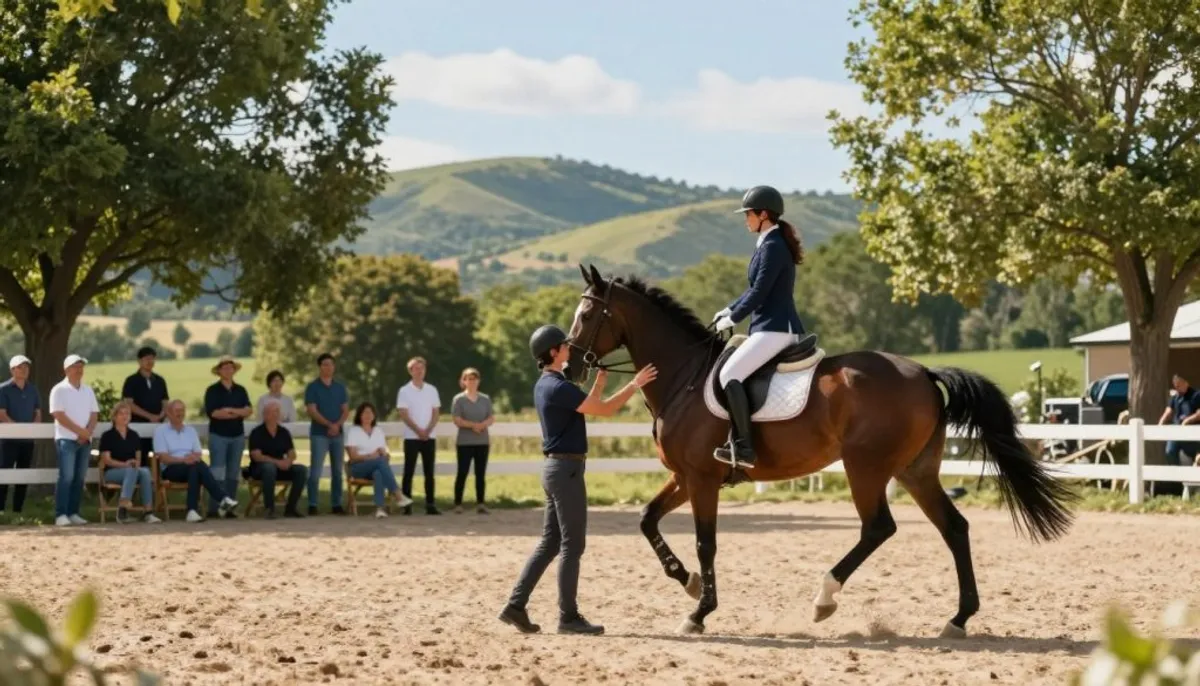
Choosing quality equipment can really make a difference. La Sellerie Française offers high-end products, made in France. They provide unique items, custom-made or in limited editions, all crafted by renowned artisans.
This article guides you through the key steps for a successful career in equestrianism in France for the year 2026. It covers choosing your path, in-demand jobs, training, required skills, budgeting, networking, annual organization, and well-being. The goal is to solidify your professional trajectory and make your journey in the equestrian world more stable and rewarding.
Key Points to Remember
- A horse career is built as much with strategy as with passion.
- The equestrian sector in France 2026 creates opportunities but demands more rigor on a daily basis.
- From February 17, 2026, the Year of the Fire Horse can accelerate your career in equestrianism, provided you channel your efforts.
- Visibility and workload must be managed to limit burnout.
- The choice of equipment and partners matters: La Sellerie Française embodies a high-end and reliable standard.
- The article's plan follows a step-by-step logic to transform the momentum of 2026 into concrete results.
2026 Overview of the Equestrian Sector in France: Opportunities and Points of Caution
In 2026, the equestrian world in France is preparing for a dynamic year. Professionals must be ready to act quickly. To succeed, it is crucial to analyze the market and simplify your organization.
Some use Chinese techniques to plan their actions. They resort to Ba Zi, Feng Shui, Qi Men Dun Jia, Ze Ri, and Yi Jing. This provides perspective, especially when competition increases.
Why 2026 Can Accelerate a Career in Equestrianism
2026 presents itself as a year of powerful energy. This will favor those who take initiatives and achieve results. In the equestrian world, this means more missions, more visibility, and new opportunities.
Details such as consistency, horse care, and good communication will be essential. Those who manage pressure well will benefit from the opportunities of 2026.
Succeeding Without Burning Out: Managing Intensity, Visibility, and Competition
Being in the spotlight has its advantages, but beware of competition. Poor communication can create tensions. In this sector, rumors spread quickly.
Be careful not to burn out. Stress and fatigue can lead to accidents. A good rest routine is essential in equestrianism.
- Limit impulsive changes (position, stable, pace) when emotion takes over.
- Preserve calm times after peaks of intensity, even if brief but regular.
- Clarify roles and priorities to reduce friction related to stable competition.
Planning Rather Than Charging Ahead: The Importance of Strategy in Daily Life
In 2026, thinking before acting is often the key to success. Whether in stable management or equestrianism: organize your week, set clear goals, and track your progress. This way, you can better seize opportunities.
Having clear priorities helps immensely. Limit yourself to three key actions per day. For tense moments, some wear Earth colors to stay centered. This can reduce the pressure of competition.
| Common Situation in 2026 | Risk of Charging Ahead | Useful Reflex (equestrian) | Benefit in Equestrianism |
|---|---|---|---|
| New responsibility in stable | Overload, errors, team tensions | Break the mission into steps and validate the framework from the start | Stable progression and increased confidence |
| More visibility in competitions | Rivalries, comments, loss of concentration | Prepare a simple session plan and maintain a fixed routine | More consistent performance, even under pressure |
| Choice of dates (training, travel) | Accumulation of fatigue and unclear decisions | Use a calendar with "buffer" days and, if necessary, Ze Ri as a reference | Better recovery and fewer surprises |
| Quick decision (changing stable, coach) | Impulsive choice, regret, instability | Compare a maximum of 2 options, set 3 criteria, then decide (Qi Men Dun Jia as a possible prism) | More aligned choice, clearer trajectory |
Horse Career: Choosing Your Path Between Passion, Employment, and Long-Term Project
Building a career in horses requires a sustainable daily routine. By 2026, the sector promises rapid changes. It is crucial to define a simple framework and evaluate it over 8 to 12 weeks.
Some tools like Qi Men Dun Jia help decide among several choices. Ze Ri recommends the right moments to act. And Ba Zi considers your personal ambitions and limits, such as energy and rest time.
Employment in Stables, Independent, or Mixed: Which Model Suits You?
Working in a stable offers stability and regular hours. Being independent brings freedom but involves more risks. The mixed model can offer the best of both worlds.
A good professional project requires attention to detail. Plan your rest days and be realistic about travel. Choose a model suited to your pace.
| Model | What You Gain | What Can Get Stuck | 2026 Reference for Decision |
|---|---|---|---|
| Employment | Stability, teamwork, structured learning | Less margin on planning, fatigue if understaffed | Ze Ri: choose "strong" weeks to request training and responsibilities |
| Independent | Freedom, choice of services, rapid progression if well organized | Irregular income, paperwork, mental load | Qi Men Dun Jia: decide between client volume and service quality |
| Mixed | Safety net + personal development | Risk of "double day", little recovery | Ba Zi: adjust the mix to your energy, not to social pressure |
“Field” Skills vs “Management” Skills: Finding the Right Balance
Technical skill is important, but safety is even more so. Every action must be precise, especially at the end of the day. This is crucial for success in the equestrian field.
In management, a well-organized agenda prevents tensions and oversights. Manage finances, paperwork, communications, and service follow-ups. Punctuality and documentation reflect the reliability of a stable.
2026 Goals: Technical Progress, Financial Stability, Network
To progress, focus on regular training and target one area for improvement at a time. For financial stability, establish a budget and stick to it.
To build a network, prioritize the quality of contacts. In 2026, being visible is useful, but competition is present. Regularity, reliability, and interpersonal skills are key to moving forward.
- Progression: 1 technical goal per month, measurable and realistic.
- Finances: a "fixed costs" envelope and a "unexpected" envelope from the moment of receipt.
- Network: 2 useful contacts per week (owners, professionals, structures), with follow-up.
Jobs in the Horse Industry That Are Hiring: 2026 Trends in Stables and Performance
In 2026, jobs related to horses will be very important. Performance will be key, and rigor will be essential. Stables will seek reliable individuals, ready to adapt quickly.
Everyone will have an important role to ensure safety and help progress.
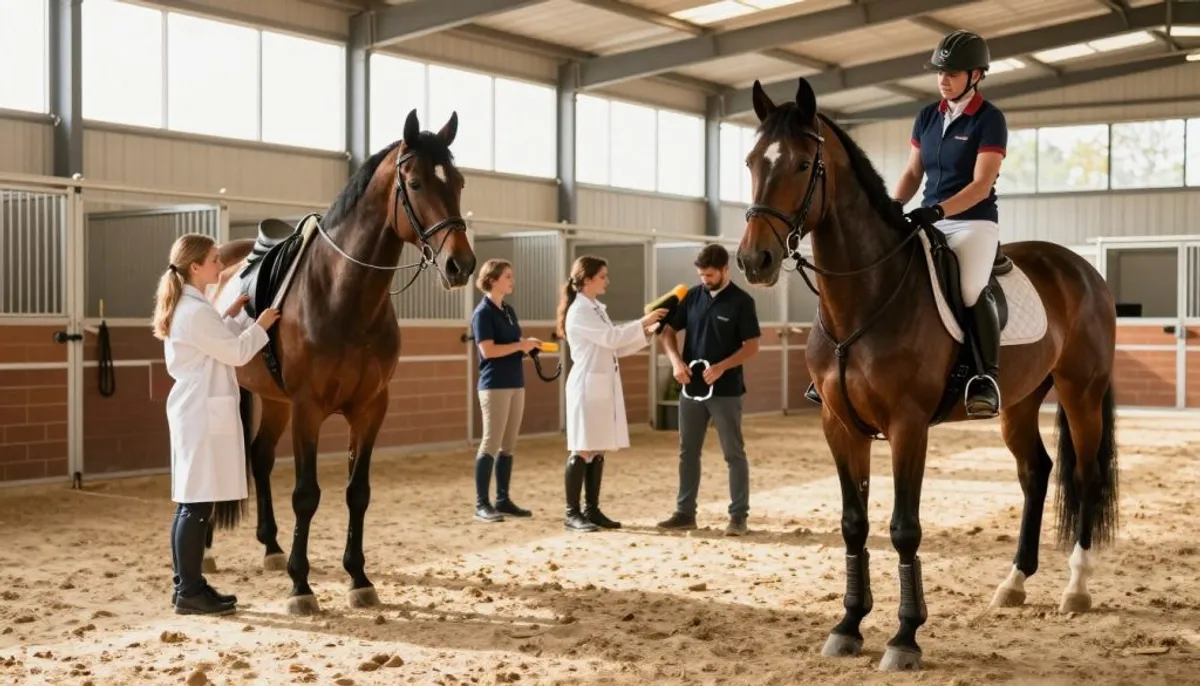
Being visible on social media or in competitions will be crucial. This can bring opportunities but also a lot of pressure. The best teams will be those that know how to plan and communicate well.
Equestrian Training and Preparation of the Horse-Rider Pair
The sought-after training focuses on method. It includes short, targeted sessions. It is important to maintain good energy without overexertion.
Professionals must vary the types of training. This includes flat work, gymnastics, outdoor outings, and rest periods. Good preparation is noticeable through warm-ups, cool-downs, and a limited number of repetitions. Less haste, for more consistency.
Horse Care: Health, Recovery, Prevention, and Monitoring
Horse care is becoming more important to avoid stoppages and stress. In 2026, it will be necessary to observe the horse's overall health daily. This includes the hooves, back, and ensuring proper hydration.
It is valuable to note observations and communicate clearly. This helps the veterinarian and the rest of the team to act quickly. Knowing how to manage recovery is essential: walks, rest, blankets, and a consistent routine.
Key Functions in Stables: Organization, Management, Logistics, and Planning
Organization is the heart of a stable. It is necessary to manage care, stocks, cleaning, and transportation efficiently, even on difficult days. These skills ensure the trust of owners and keep the team stable.
In 2026, planning and anticipating will be major assets. Clearly defining roles, schedules, and necessary equipment avoids tensions. Working with anticipation is valued.
Competitive Equestrianism: Supervision, Mental Coaching, and Management
Equestrian competitions are attractive and rewarding. But they also bring their share of pressure. Having good supervision helps maintain a clear mind: establish routines, have reference points, and simplify communication.
Mental coaching is as important as technique. It helps manage fear, impulsivity, and fatigue. Thus, training and care progress coherently week after week.
| Role in Stable | 2026 Priority | What the Stable Expects Daily | Simple Indicator to Follow |
|---|---|---|---|
| Trainer / Head of Equestrian Training | Measured progression | Short sessions, clear objectives, controlled workload | Regularity of sessions without energy drop |
| Groom focused on Horse Care | Prevention and recovery | Observation, stable routines, reliable information transmission | Fewer injuries, more consistent horse at work |
| Stable Management / Logistics | Fluidity and safety | Planning, stocks, transport, team coordination | Fewer surprises, better time management |
| Supervision of Competitive Equestrianism | Performance under pressure | Mental preparation, management, competition strategy | Stable behavior in warm-up and on the course |
Training and Certification: Building a Credible Professional Training
In 2026, proving your credibility will be easier with solid foundations and clear choices. Serious professional training does not seek to impress immediately. It aims to build confidence among teams, employers, or clients.
The conference My Metaphysics – The Feng Shui News 2026 highlights an important point: planning helps maintain your energy. With tools like Ze Ri, you can choose the best dates to act. Qi Men Dun Jia helps decide when you need to choose quickly.
Building a Progressive Path
To improve in equestrianism, you must progress step by step. Start with technique, then learn pedagogy, and finally, integrate safety.
Obtaining a horse certification becomes easy with clear steps. You need to train regularly, manage your emotions, understand horses, and be confident in your movements. With time, this progression becomes evident, especially during busy periods.
- Technique: hold firmly in the saddle, be clear in your aids, perform smooth transitions.
- Pedagogy: give simple instructions, set achievable goals, provide constructive feedback.
- Safety: know how to anticipate, follow procedures in the stable, manage the unexpected.
Internships and Mentoring
Internships in stables can provide a lot, especially if you know what you want to gain from them. Before starting, write down your expectations: observation, practice, validation.
Mentoring is effective with direct feedback: what works, what needs to change, what needs to be noted. Keep track of your work: planning, completed tasks, care given, and points of attention. This becomes proof of your competence during a horse certification.
- Choose a location: commercial stable, riding center, or sports structure.
- Define a goal: become autonomous, improve your riding, manage horses.
- Obtain a debriefing: 10 minutes to discuss facts, avoid impressions.
Specializing
Specializing opens doors and clarifies your profile. In the equestrian world, having a clear profile helps obtain responsibilities quickly.
Training gains quality with an appropriate specialty. This can be working with young horses, competition, ground work, or fitness training. Choose a field, then strengthen it with internships and regular evaluations.
| Focus | Skills to Strengthen | Learning Stages | Concrete Proof to Show |
|---|---|---|---|
| Young Horses | Calmness, timing, groundwork, gradual progression | Handling, lunging, first mounted sessions | Tracking notebook, safety routines, videos of short sessions |
| Competition | Consistency, pressure management, physical preparation | Training, reconnaissance, competition plan | Season planning, checklists, coach feedback |
| Ground Work | Biomechanics, clarity of requests, respect for distances | Mobility, desensitization, precision exercises | Exercise protocols, objectives per session, measurable progress |
| Fitness Training | Endurance, recovery, observation, adaptation | Gentle resumption, strengthening, load tracking | Load chart, body condition notes, post-effort routines |
Skills to Develop for Longevity: Technique, Interpersonal Skills, and Leadership
In 2026, days pass quickly and pressure is high, especially in equestrianism with competitions and horse care. To succeed in the long term, you need more than technical skills. A positive attitude, a simple routine, and solid support from others are essential.
Thoughtful Leadership: Inspiring Trust Without "Burning" Your Team
A good leader in a stable is someone who pays attention to small details. For example, by making a realistic schedule, giving clear instructions, and staying calm in stressful moments. Being ambitious but also reliable is key, without being too authoritarian. This makes team management much easier as everyone knows their responsibilities and feels valued.
Using a small ritual during important discussions can also help. Like wearing colors that connect us to the earth to stay centered. Symbols, like the feng shui Turtle-Dragon in the North, can remind us of the importance of support. This helps focus on the essentials.
Stable Communication: Avoiding Tensions and Rivalries
With more visibility, rivalries can increase. Clear and professional communication helps reduce misunderstandings. It is important to speak clearly and listen actively, especially when tired.
Clarifying everyone's role avoids confusion. This strengthens the team, especially when work accumulates.
- Clearly rephrasing what has been requested moves things forward.
- Assigning a responsible person for each task ensures organization.
- Doing a quick review each evening avoids misunderstandings.
Decision-Making: Learning to Pause and Prioritize
In equestrianism, making decisions quickly sometimes seems mandatory. However, the best choices are often the result of thorough reflection. Before making an important decision, it is helpful to think calmly. Strategic tools like Qi Men Dun Jia can help choose the right moment and set priorities.
Focusing efforts on consolidating partnerships is another effective strategy. This improves leadership and facilitates communication as expectations are better understood and respected in the long term.
| Frequent Situation | Useful Reflex | Effect on Daily Life |
|---|---|---|
| A tension erupts during care or outings | 2-minute pause, then factual message in one sentence | Less escalation, quick return to a working atmosphere |
| Overloaded schedule before a competition | Prioritize safety, recovery, logistics, then performance | More stable team, better horse monitoring, limited errors |
| Disagreement on a working method | Test one option for 48 hours, then debrief with simple criteria | Fairer decision, collective learning, less ego |
Money, Budget, and Income: Securing Your Equestrian Activity in 2026
In 2026, spending quickly becomes easy due to the pace and travel. Especially when income comes in irregularly. It is important not just to think about earning but also to save for tough times. Having a simple budget to consult regularly helps stay calm and make better choices.
The "Easy to Earn, Easy to Spend" Trap: Establishing a Strict Budget
When you have a good week, you are tempted to buy new equipment "just in case." Then, you find yourself chasing after money the following month. A good method is to check your budget briefly each week, and more thoroughly each month. This tracking helps control essential expenses like food, farriery, horse health, and travel.
To avoid impulse purchases, wait 7 days before making a non-urgent purchase. This protects your earnings without severe restrictions. You will also quickly discover what is truly necessary in your daily life.
Diversifying Your Income: Coaching, Horse Work, Services in Stables
Inconsistent income can create problems. Diversifying is a solution to stabilize your earnings without exhausting yourself. Coaching can fill gaps in your schedule, and horse work can be planned according to needs.
Stable services, such as walker outings, lunging, or post-training care, provide valuable assistance. They make your schedule more reliable and your budget more stable. The idea is to rely on multiple sources of income, not just one.
Useful Investments: Equipment, Insurance, Training, Mobility
During intense activity, investing wisely can reduce risks. Equipping yourself with a sturdy helmet, a protective vest, and a first aid kit can prevent major problems. Having good insurance for your horse is also crucial, especially if you participate in competitions.
Do not underestimate the importance of safety training and well-organized logistics. Having a vehicle in good condition, a reliable trailer, and well-planned routes limits issues and fatigue. A well-chosen insurance policy can also save you from significant losses of time and money.
Some choose to follow rituals to stay focused on their saving goals, drawing inspiration from feng shui. For example, placing a wealth bowl in the Southwest of the house, with a Citrine, can remind you of the importance of saving. A Pi Xiu charm can help control spending and activate the prosperity star #8 in the West by placing a ceramic pot with stones to visually remind you of financial goals.
Contracts and Documents: Verification Reflexes Before Signing
When money is tight, it is easy to sign contracts without much thought. Always carefully check all financial documents before signing, even short contracts. Pay close attention to commitments, cancellation conditions, payment terms, and services included in stable contracts.
A clear quote and a detailed invoice help avoid confusion. By noting each agreement as soon as it is confirmed, you keep your budget balanced. This also helps you know how much money you actually have available for your equestrian needs.
| Leverage | Simple Action | Effect on Cash Flow | Control Point |
|---|---|---|---|
| Rider Budget | Weekly review (10 min) + monthly review (30 min) | Fewer surprises at the end of the month | Difference between planned and actual, item by item |
| Equestrian Income | Add a short offer (coaching) + a regular offer | Smoother income over the season | Number of filled slots and average basket |
| Stable Services | Weekly package (outings, care, lunging) with precise framework | Stable income, clearer planning | Real time spent vs billed time |
| Equine Insurance | Check coverage, deductibles, exclusions, use (work/competition) | Fewer losses in case of an unforeseen event | Cancellation conditions, limits, waiting period |
Network, Image, and Visibility: Getting Noticed Without Putting Yourself in Danger
In 2026, you will be recognized more quickly if your work is of quality and consistent. But beware, competition is increasing. It is easy to want to do too much. To maintain a professional image, prioritize simplicity: well-cared-for horses, equipment in good condition, clear communications, and staying calm in complicated situations.
Being in the Spotlight: Turning Competition into Opportunities
When the eyes are on you, the important thing is to last over time, not just to impress in the moment. Help another rider, offer your assistance, or share useful tips. These gestures enhance your equestrian network while staying positive.
During competitions, what makes the difference is your approach to safety: warm up gradually, follow routes without fault, and be cautious if your horse is not ready. Managing these aspects intelligently protects your reputation as people remember good judgments as much as results.
Networking: Events, Internships, Competitions, Professional Meetings
When the atmosphere is relaxed, it is the right time to participate, even without a specific competition goal. Attending a workshop or an award ceremony can be beneficial. Being present is essential to build good contacts in the equestrian field.
Before a competition, set simple goals like greeting professionals or asking for their opinions. Preparing a list of topics helps stay focused and avoids unnecessary discussions. This makes your exchanges more relevant and enjoyable.
| Action | Net Objective | Signal Sent | Risk to Avoid |
|---|---|---|---|
| Stop by to see a coach after the warm-up | Obtain targeted technical advice | professional image based on listening | Interrupting at the wrong moment, insisting |
| Participate in a flat work workshop | Create a lasting contact with a structure | Visible progression and method | Wanting to show everything in one session |
| Introduce yourself at the paddock with logistical help | Provide service without imposing | Reliability and team spirit | Giving unsolicited instructions |
| Discuss after the event on the course | Understand a difficulty, progress | Respect for facts and the horse | Criticizing, justifying, dramatizing |
Building a Reputation: Regularity, Quality, Reliability, Safety
Reputation is based on regular actions such as being punctual, respecting the schedule, and keeping your space clean. A golden rule: in times of pressure, take your time. This avoids mistakes and shows your professionalism, as rushing things is always noticeable.
The quality of your equipment contributes to your image. Choosing equipment from La Sellerie Française, made in France, shows your commitment to quality and respect for the animal. This reflects a continuity between your work and what others perceive of you.
Plan your presence on social media effectively. Twice a week is sufficient to organize your photos and prepare for your upcoming events. This way, your network can grow without stress, and your image remains stable even when activity increases.
Organization of the Year: Aligning Your Equestrian Season and Goals Month by Month
To organize your stable well, start with a clear equestrian calendar. Then, making realistic choices every month is crucial. With the 2026 monthly guide, you can plan the workload, relationships, and budget.
This helps avoid unpleasant surprises and keeps your 2026 goals in sight.
| 2026 Period (Lunar Month) | Dominant Climate | Practical Priority in the Stable | Useful Detail for Daily Life |
|---|---|---|---|
| M1 (Feb. 17 – Mar. 17) | High ambition, possible tensions with authority | Clear work framework, short instructions | Place a red object in the Northeast and a blue element at the entrance to calm the atmosphere |
| M2 (Mar. 18 – Apr. 15) | Strong social dynamics | Networking, exchanges, mutual aid | Schedule internships, competitions, team meetings in the equestrian calendar |
| M3 (Apr. 16 – May 15) | Financial pressure, unforeseen events | Secure expenses and contracts | Check documents before signing, avoid loans and risky investments |
| M4 (May 16 – Jun. 13) | Maximum intensity, risk of disputes | Recovery and rhythm | Breathing, micro-breaks, and lighter days when possible |
| M6 (Jul. 14 – Aug. 11) | Rebalancing, cooperation | Teamwork | Pair up: care, outings, horse preparation, short briefing |
| M7 (Aug. 12 – Sept. 10) | Opportunities for gains | Optimize income and planning | Activate "luck" via a small metal object on the desk, and track invoicing |
| M9 (Oct. 11 – Nov. 9) | Stable, productive | Long-term projects and sorting | Declutter the desk, organize equipment, structure the continuation of 2026 goals |
| M12 (Jan. 8 – Feb. 5, 2027) | Reflection, rest, planning | Prepare for the next season | Declutter the Southern area, then adjust the equestrian season planning |
High-Intensity Periods
In our calendar, M4 signals a time when everything accelerates. Tensions can rise quickly.
In M5, instability can make choices difficult. It is wise to avoid hasty decisions.
By M11, energy decreases. It is time to switch to "maintenance" mode and not overdo it.
To hold on, consider rest as crucial. And remember: less heated debate, more routine. In M5, some wear jade or agate as a reminder to stay calm.
Months Favorable for Collaboration
M6 encourages working together, especially when teams change often. It is the perfect time to organize who does what.
This method helps clarify things and facilitates planning.
On the ground, doing a quick check in the morning and evening helps. This avoids misunderstandings and supports our goals without making our days too busy.
“Finance” Windows
M3 requires special attention to unexpected expenses. Use the calendar to safeguard and carefully check contracts.
M7 offers opportunities for additional gains. A small metal object can remind you of the importance of managing invoices and payments well.
Time for Review
M9 is perfect for taking stock: sorting, cleaning, and restoring order. This helps avoid daily inconveniences.
M12 is the time to prepare for the future. Getting rid of the superfluous helps to start on a good footing. We turn goals into simple actions to kick off on the right foot.
Well-Being of the Rider and Horse Care: Sustainable Performance in 2026
In 2026, success depends on small care. Having a good schedule, staying calm, and paying attention every day helps a lot. This makes it easier to maintain good performance every week.
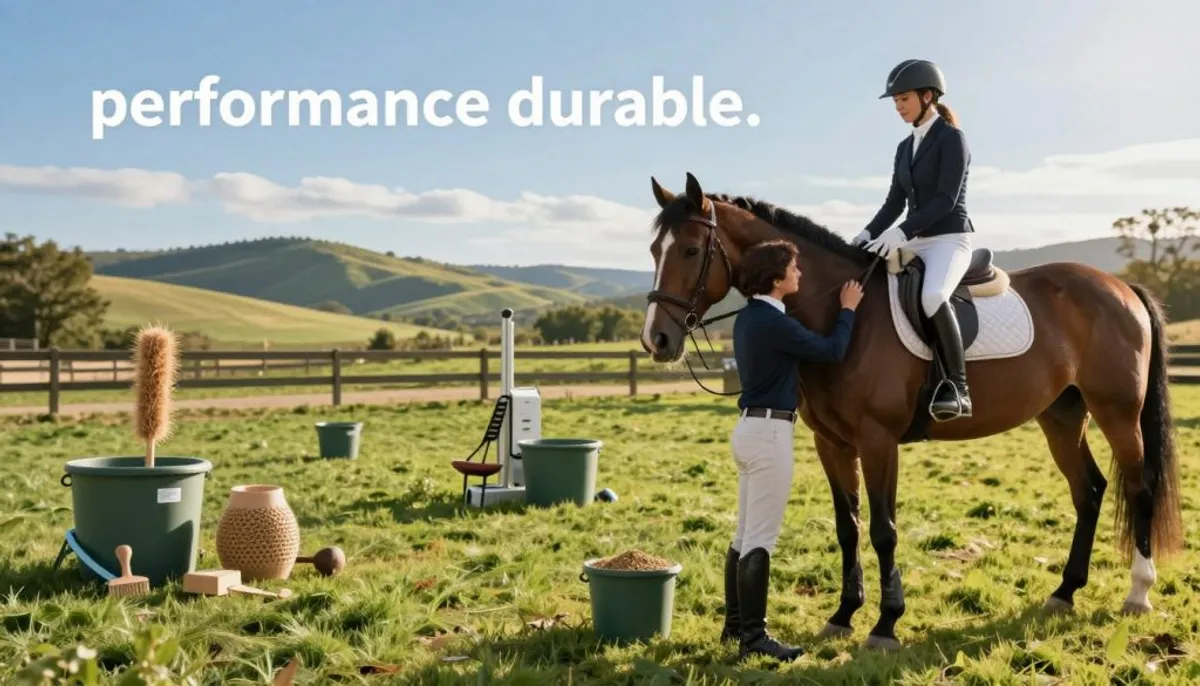
When everything speeds up, it is essential to keep a cool head so that the body can keep up. If the rider remains consistent in their movements, horse care improves as well.
Preventing Burnout: Sleep, Routine, Recovery, and Stress Management
Little sleep can cause anxiety and fatigue. Sleeping 7 to 8 hours helps a lot, especially during competitions.
In Traditional Chinese Medicine, too much "Fire" can make one nervous. You feel more agitated, with a racing heart.
A simple routine before sleeping is beneficial. Avoid screens and stimulants, and keep your room calm. Some place a brass Wu Lou near the bed for better rest.
Engaging in activities like swimming or walking barefoot helps with recovery. Even a bit of exercise after cleaning stalls or a cold bath can be very helpful without taking too much time.
Vigilance and Safety: Reducing Accident Risks Related to Haste
Doing things too quickly makes everything more dangerous: a slamming door or poorly placed equipment can cause accidents. This is often how trust can be broken.
Slowing down risky tasks even by 10% significantly reduces accidents. It gives time to look more closely.
| Risky Moment in Stable | “-10%” Reflex | Desired Effect |
|---|---|---|
| Preparing the horse (girth, training aids, protections) | Perform a 3-point check: skin, tightness, symmetry | Fewer irritations, fewer surprises at mounting, safety in equestrianism clearer |
| Movements (corridors, paddock door, step) | Walk at the shoulder, pause for a second before opening/closing | Reduction of jostling and pinched fingers |
| Equipment on the ground (forks, knives, scissors, nails) | Put away immediately after the action, not "later" | Fewer cuts and falls, cleaner workflow |
| Calm down after a session | 5 minutes of long walking + slow breathing | Recovery of rider and horse more consistent, fewer tensions |
Horse Care: Regularity, Observation, Prevention, and Comfort at Work
Caring for horses involves observing them every day: their appetite, their movements. Noticing something abnormal early can prevent bigger problems later.
It is better to be regular in care than to act in urgency. Keeping this routine ensures the horse's well-being and reduces the risk of issues.
A rested rider is more attentive and efficient. If fatigued, they might not see signs of problems in the horse, putting safety at risk. Resting well is essential for caring for your horse every day.
Conclusion
In 2026, the equestrian world will become more dynamic and visible. To succeed, it is not enough to want. It is crucial to maintain regularity, control, and progress calmly. Reliability, safety, and the quality of daily work distinguish professionals.
Strategy is essential. Plan your season, set priorities, and make thoughtful decisions to persevere. Some use methods like Qi Men Dun Jia or Ze Ri to choose the optimal moment. The important thing is to act at the right time with logical choices.
Financial discipline is the second pillar. A strict budget is vital when income fluctuates, especially in this sector. Avoid the trap of spending as easily as you earn. Carefully reading each contract before signing is a good practice. Opting for adequate professional training can also secure your advancement and reputation.
The third pillar concerns health and prevention. Good sleep, proper recovery, and safe practices minimize accidents and boost performance. This applies to equestrianism in France as well as competitions. Find partners aligned with your goals for a sustainable equestrian career in 2026: quality equipment, serious follow-ups, and a good reputation. La Sellerie Française, with its artisanal products made in France, can contribute to this image of strength and reliability.
FAQ
From what date does the "2026 Year" of the Fire Horse (Bing Wu) begin for planning your horse career?
The 2026 Year of the Fire Horse begins on February 17, 2026. To plan your horse career, this is the ideal time. Set your goals, organize your internships, and plan your communication from the start.
Why can 2026 accelerate a career in equestrianism and horse jobs?
In 2026, the energy of double Fire stimulates dynamism and ambition. This force helps you become more visible, take on responsibilities in stables, progress in competitive equestrianism, or develop your activity as an independent.
What are the risks in 2026 regarding visibility, competition, and relationships in stables?
Being in the spotlight can increase competition and create tensions. The important thing is to remain honest, reliable, and avoid bidding wars to maintain good relationships.
How to succeed without burning out in such an intense year?
In 2026, facing stress and fatigue, maintain a stable recovery routine. Aim for 7 to 8 hours of sleep and take care of your off times. Having endurance will be more useful than trying to reach performance peaks temporarily.
What strategy to adopt daily: rush or plan?
A: Success comes from reflection, not just from boldness. Plan your actions, assess your workload, and move forward with regularity. Value quality and partnerships rather than aiming for a flashy move.
What tools of Chinese metaphysics can help plan 2026 without making promises?
A: Ba Zi, Feng Shui, Qi Men Dun Jia, Ze Ri, and Yi Jing structure your decisions. The conference “My Metaphysics – The Feng Shui News 2026” shows how to use them without acting impulsively.
Employment in stables, independent, or mixed: which work model to favor in 2026?
In 2026, choose a work model based on your risk tolerance and goals. Employment offers learning and stability, independence more freedom but with strict management, and mixed may be a good balance.
What skills make the difference between field and management for evolving in horse jobs?
For the field, focus on technique and the quality of equestrian training. In management, master planning, finances, and team coordination. In 2026, knowing how to manage as well as ride allows for rapid progression.
What 2026 goals to set for a sustainable horse career?
Aim for technical progression, financial stability, and a good network and visibility. These three aspects will allow you to stand out and last in the equestrian sector in 2026.
What horse jobs are hiring in 2026 in stables and performance?
Stables are looking for versatile and competent profiles, especially for equestrian training and horse care. The closer to performance, the more rigor and stress management are important.
How to progress in equestrian training in 2026 without overloading the horse-rider pair?
In 2026, advance methodically. Break down your goals, manage your workload well, and ensure that the work framework is solid. This way, you will progress quickly while taking care of yourself and your horses.
What priorities for horse care in 2026, in a context of possible haste?
Prioritize regularity and prevention in horse care. A precise routine reduces the risk of incidents in an intense context. Caring for horses in a stable manner is a real asset.
What are the key functions in stables that secure daily operations?
Organizing, managing supplies, and planning are key to avoiding errors and maintaining safety. In 2026, those who plan solidify the structure of the stable and gain reliability.
In competitive equestrianism, how to manage pressure and stay performant in 2026?
In 2026, combine technical coaching with mental coaching to better manage pressure. Manage your sleep and recovery well. This will help you remain performant and clear-headed in competition.
How to build a credible professional training in horse jobs?
Build your path step by step: start with technique, then pedagogy, then safety. A professional training of quality is recognized by regularity and the quality of teamwork.
Internships and mentoring: how to get noticed in 2026 without spreading yourself too thin?
In 2026, focus on clear objectives and make the most of each experience. Mentoring can help you gain strong recommendations and stand out in the equestrian field.
Should you specialize in 2026 to differentiate yourself?
Yes, a specialization based on solid skills makes a difference. Choose a field that matches your skills and build a reputation based on regularity and quality.
How to develop thoughtful leadership in stables in 2026?
Be clear in your roles, respect your commitments, and avoid hasty decisions. A good leader inspires trust through fairness and consistency.
How to avoid tensions and rivalries with stable communication in stables?
Prioritize listening, be clear and concise in your messages. Patience is essential to maintain a good team atmosphere, especially under pressure. Wearing Earth colors can help stay centered during important discussions.
How to improve decision-making in 2026, especially regarding career choices?
Take your time, set priorities, and use clear criteria to decide. Approaches like Qi Men Dun Jia and Ze Ri can guide your choices. Avoid impulsive decisions to protect your career path.
How to manage the "easy to earn, easy to spend" trap in 2026?
Focus on management. Establish a precise budget and control your expenses, especially under pressure. This will help you build a solid financial foundation.
How to diversify your income in an equestrian activity in 2026?
Diversify your activities to balance your income. Offer different services in stables or coaching. Clarity in your offers and planning management are essential.
What investments are truly useful to secure your career in equestrianism?
Invest in what reduces risks and improves quality: insurance, training, reliable equipment, and good organization. Accident prevention is key.
What reflexes to adopt for contracts and documents before signing?
Carefully check financial documents before signing. Pay attention to clauses and conditions. A double-check will save you from losses.
How to get noticed in 2026 without putting yourself in danger?
Work consistently, provide reliable work, and respect safety guidelines. The best advertisement remains your regularity and reliability on the ground.
Networking: where and how to create opportunities in the equestrian field in 2026?
Take advantage of events and meetings to get known. Have clear objectives and follow up with clear and factual communications after each meeting.
How to build a solid reputation in horse jobs?
Build your reputation on regularity, quality, and reliability of your work. In 2026, working thoughtfully and without haste enhances your professional image.
Why mention La Sellerie Française in a professional image strategy?
A: La Sellerie Française (https://laselleriefrancaise.com) offers quality products. These equipment embody seriousness and demand, essential to strengthen your professional image.
How to organize your 2026 season month by month with the guide (lunar months)?
Plan 2026 carefully, following the indications of the lunar months. Each period has its peculiarities: ambition in M1, networking in M2, financial caution in M3. The year ends with a reflection period in M12.
Which 2026 periods are the most intense, and what to do concretely?
During the months M4, M5, and M11, simplify your objectives and rest more. These periods require more attention to your recovery and stress management.
Which months are favorable for collaboration in stables?
A: M6 (Jul. 14 – Aug. 11) is perfect for improving teamwork. It is the ideal time to strengthen partnerships and common organization, benefiting the horses and performance.
What "finance" windows to watch in 2026?
Be cautious in M3 (Apr. 16 – May 15) regarding your finances. M7 (Aug. 12 – Sept. 10) presents opportunities for gains, but requires discipline and caution.
When to take stock, sort, and plan for the next season?
A: M9 (Oct. 11 – Nov. 9) and M12 (Jan. 8 – Feb. 5) are ideal for organization and planning. Take advantage of these moments to reflect and prepare for the upcoming season.
How to prevent burnout with Traditional Chinese Medicine markers in 2026?
The Fire element influences tension and stress. Adopt a routine that promotes relaxation and sleep to maintain balance.
How to reduce accident risks in 2026 when energy pushes to accelerate?
Slow down slightly to improve your concentration and reduce risks. A calm and secure approach is essential to avoid accidents.
What "Water" and "Earth" practices help recover when living at the pace of horses?
Integrate activities related to Water and Earth to help you relax. Suitable recovery techniques support your well-being and performance in equestrianism.
What simple feng shui markers are mentioned to stay centered in 2026?
Use Earth colors and feng shui adjustments to improve your mental balance. These practices can help you stay focused and serene.
Are there any feng shui "wealth" rituals mentioned to strengthen financial grounding in 2026?
Some feng shui rituals can symbolize financial prosperity. However, the key remains careful management of your finances and saving.
What rest markers are mentioned to protect sleep in 2026?
Encourage restorative sleep with calm routines before bed. Sleep is crucial for your health and performance.
RelatedRelated articles
- 25 Mar 2026·21 min readWooden Horse Toys – Timeless Charm for ChildrenGeneral
 The wooden horse is a favorite in French homes. It is simple and encourages children to play in ways other than with screens. This toy is cherished through the years as it evokes tradition, dreams, and creativity. A wooden horse in a child's room bec...