
In France, experiencing horseback riding is a daily affair. It takes place between the arena, the paddock, and major events. This magazine offers you a fresh and direct look at the equestrian world, without complicated words. Its aim is to help you understand, choose, and enjoy your equine passion.

This publication discusses news from the equestrian world, competitions, and new trends in stables. You will discover articles on dressage, horse care, and how to progress as a rider. Everything is explained simply. Equipment is also an important topic, focusing on comfort, safety, and longevity.
In this magazine, each section provides practical information: methods, checklists, and real-life experiences. There is also inspiration. The stories of riders and their horses are just as important as the technique. You will find useful information, captivating reading, well-rooted in French equestrian culture.
Key Points
- A horse magazine focused on passion, practice, and trends in France
- A clear thread: equestrian news, competitions, and life in stables
- Guidelines on dressage, rider progression, and preparation
- Care tips for well-being and daily prevention
- A concrete look at equipment: safety, comfort, performance
- An equestrian review designed to learn, inspire, and decide with confidence
Overview of Equestrian News in France
In France, the equestrian world is always in motion: between competitions, stable life, and new projects. To stay informed, we need simple things: important dates, reliable sources, and attention to daily changes. This way, we save time and grasp the essentials better.
Equestrian Competitions to Follow: Calendar, Highlights, and Results
It’s like following a sports season. There is a calendar, key moments, and then the results. Events from the French Equestrian Federation, the Grand National, and Equita Lyon set the pace. To be precise, we always check the standings, the state of the course, and the rules of the event.
| Useful Reference | What We Check | Why It Changes the Reading |
|---|---|---|
| Official Calendar | Dates, locations, levels (Club, Amateur, Pro) | We track progress and avoid rumors |
| Results and Penalties | Times, faults, scores, withdrawals | We understand performance beyond rank |
| Sporting Context | Weather, ground, travel, sequence of events | Discrepancies become more logical and fair |
| Rules and Formats | Scales, tests, order of go | We read surprises and comebacks better |
Stable Trends: Practices, Disciplines, and Emerging Communities
News from the equestrian world is not just about competitions. It is also experienced in stables. There is more discussion about horse monitoring, groundwork, and a well-organized daily routine. Riders want short but frequent training sessions.
Some equestrian sports are becoming more popular in several clubs. Dressage is still appreciated, endurance attracts for its team spirit, and pony games are a favorite among the young. Communities are forming online, sharing workshops, outings, and challenges. This dynamic also influences competitions, as training methods spread quickly.
What Makes the News: Events, Sectors, and Local Initiatives
In France, equestrian news often focuses on three points: events, sector challenges, and local initiatives. A sport horse sale, an open house day, or a local preventive action can be very significant. These elements regularly feed equestrian news.
There are also projects on horse retraining, their well-being, and employment in stables. When a region supports new training or an equestrian center innovates its practices, the effect is immediate. Over time, these initiatives influence competitions, as they affect preparation, level, and horse safety.
Why Read a Horse Magazine Today
We often look for simple and reliable information between two sessions. A horse magazine offers this, with guides on disciplines, care, and equestrian life. Good articles help to understand quickly and act effectively.
Print Equestrian Review vs. Digital Magazine: Advantages for Enthusiasts
The print magazine is perfect for the tack room: you can browse it, write notes in it, and read it at your leisure. The digital format is ideal for following equestrian news. You can access it anywhere, even on the go.
The digital format is easy to update with short content. The print version offers thoughtful reading through in-depth articles.
| Criteria | Print Review | Digital Magazine |
|---|---|---|
| Use at the Stable | Comfortable reading, pages easy to share among riders | Quick consultation, keyword search, immediate access |
| Depth of Articles | Long formats, layout that aids understanding | Diverse formats, enriched, updated according to news |
| Organization of Information | Visual markers, simple table of contents, easy re-reading | Consultable archives, notifications, reading on the go |
Useful Articles on Horses: Learn, Progress, Inspire
Relevant articles go beyond simple advice. They cover riding technique, effort management, and mental aspects. Clear information on nutrition, locomotion, and prevention enables progress.
A good magazine encourages improvement without pressure. You discover inspiring profiles and expert advice. This motivates and brings new ideas for training and better understanding your horse.
For Whom: Riders, Owners, Clubs, Equestrian Culture Enthusiasts
Amateur riders find advice to improve safely. Competitors discover useful techniques and analyses. Owners read practical tips for daily management and avoiding mistakes.
Clubs and trainers use these magazines to enrich their lessons. Equestrian culture enthusiasts find access to history and equestrian traditions. The reading is both easy and enriching.
Equestrianism of Tomorrow: Innovations and Trends Transforming Riding
Equestrianism of Tomorrow makes current riding innovative. Digital technology allows for easy updates. The idea is to follow equestrian news while understanding its impacts.
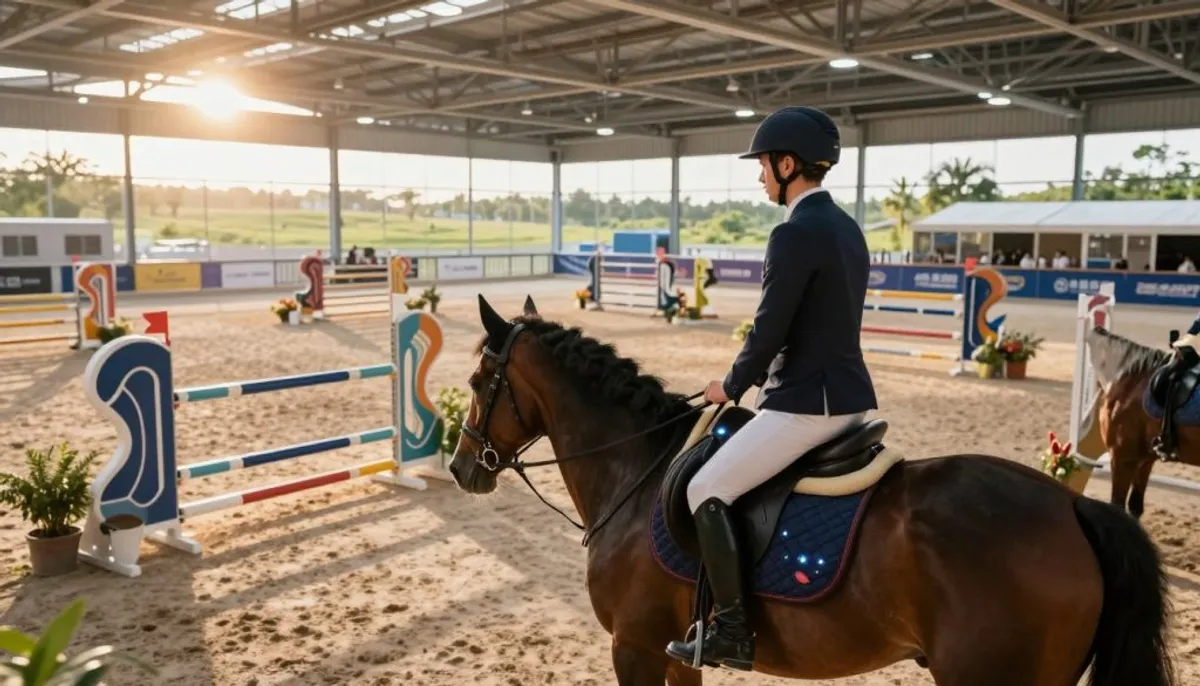
A Digital Magazine Designed to Stay on Top of Trends
Each edition highlights the latest Equine Trends and Innovations. It offers valuable information for those looking to understand the evolution of riding. Even technical subjects are explained simply.
On the Agenda: Expert Interviews, Reports, and Analyses of Cutting-Edge Equipment
The magazine offers short but rich formats: interviews, stable visits, and equipment analyses. You discover advice on safety, ease of use, and maintenance. This creates a link between equestrian practice and the latest news, without superfluous information.
| Format | What You Gain | What You Can Apply |
|---|---|---|
| Expert Interviews | Well-argued viewpoints, explained vocabulary | Adjust a session, better choose a working protocol |
| Reports on Pioneering Initiatives | Context, constraints, observed results | Ideas for stable organization, more efficient routines |
| Analyses of Cutting-Edge Equipment | Usage comparisons, limitations, maintenance | Refine a purchase, improve comfort and safety |
Science, Sustainability, and Human-Horse Connection: New Directions to Follow
Biomechanics and recovery guide equestrian science. Sustainability is key, with a choice of eco-friendly materials. It also includes maintenance and thoughtful consumption. Understanding the horse is essential for good riding practice.
This modern approach interests everyone in equestrianism. From professionals to passionate amateurs, including clubs. It connects innovations to daily practices. Thus, the magazine helps improve, not just entertain.
Reference Price: €24.99 and Positioning as “Essential for Enthusiasts”
The price is set at €24.99, considered essential for enthusiasts. At this price, one expects a reading that regularly enriches the reader. For those closely following equestrianism, the digital format is ideal. It allows staying informed and practicing knowledgeably.
Equestrian Dressage: Methods, Progression, and Inspiration
Equestrian dressage succeeds with clear and simple objectives. Establishing a solid foundation is essential: rhythm, direction, and stop, followed by transitions. A short and precise session is better than a long, confusing training.
Being consistent makes all the difference. In dressage, three aspects are crucial: straightness, impulsion, and stable contact. It is important to have a receptive, relaxed horse, with clear and gentle cues.
To progress, alternating between theory and practice is beneficial. Technical articles and rider profiles offer inspiration and simple routines. This method brings riding to life, helping between lessons.
- Technical File: focus on bending, transitions, and yielding with weekly goals
- Routine: warm-up, main exercise, relaxation, and quick review
- Well-being Bridge: back care, calm breathing, breaks, and rewards
Current methods recommend observing before acting. Dressage benefits from knowledge about movement, recovery, and the use of sustainable equipment. This attention strengthens the rider-horse relationship, based on mutual understanding and adaptability.
| Work Element | Objective in Equestrian Dressage | Simple Reference in Riding | Signal to Watch For |
|---|---|---|---|
| Close Transitions | Increase reactivity and balance | Change pace easily, then relax | Horse that resists or rushes |
| Work on Straight Lines | Improve straightness and propulsion | Aim for a point and align the body | Hips deviating, irregular trajectory |
| Circles and Diameter Variations | Maintain impulsion while softening | Reduce and increase the circle without losing rhythm | Slowdown, stiff neck |
| Cool Down | Encourage relaxation and calm | Walk relaxed, breathe slowly, and stretch | Tight back, clenched jaw, short steps |
This approach creates harmony between the rider and the horse. Dressage is not an accumulation of figures, but a gradual development. In riding, understanding each gesture makes the work smoother and more enjoyable.
Equestrian Competitions: Disciplines, Preparation, and Rider Mentality
In equestrian competitions, every small detail counts. This includes the horse's physical condition, planning, and the rider's mindset. Facing competition, pressure can quickly rise, especially during changes in environment.
Having a simple routine helps to stay focused and relaxed. It is important to aim for continuous improvement rather than trying to do too much at once. This is done by progressing gradually, week by week.
Training Effectively: Routine, Recovery, and Goals
In equestrianism, a stable and concise routine is preferable to a constantly changing schedule. It is good to vary exercises: flat work, light jumps, and rest to stay fit.
Good recovery is as crucial as training itself. This includes actively walking, stretching, staying well-hydrated, and getting enough sleep. In these competitions, an exhausted horse or a stressed rider will diminish their performance.
Set clear and achievable goals, such as improving your technique or completing a course without faults. After each training session, evaluate and adjust your plan.
- A technical goal: rhythm, straightness, course.
- A mental goal: calm, concentration, managing anticipation.
- A management goal: preparation, course exploration, timed relaxation.
Choosing the Right Equipment: Comfort, Safety, and Performance
The choice of equipment should prioritize comfort first: a good saddle, a suitable pad, and protection according to the discipline. Even a small discomfort during training can become a major issue in competition.
Safety comes next. A helmet that meets standards, sometimes a protective vest, and checking the condition of the equipment are essential. Before competing, ensure everything is properly adjusted: stirrups, bits, etc.
Performance, while important, should be the last concern. Evaluate stability, contact, and the horse's recovery after exertion. Equipment analyses and expert advice are valuable for making the right choice.
| Criteria | What We Observe During Warm-Up | Alert Signal in Competition | Simple Adjustment |
|---|---|---|---|
| Comfort | Smooth back movement, longer strides, responsive horse | Frozen ears, tense back, discomfort during girthing | Adjusting the pad, saddle fitting |
| Safety | Stable equipment, good maneuverability | Problems with stirrups, leather wear | Replacing worn equipment, checking before departure |
| Performance | Good connection, precise trajectories, finesse of aids | Difficulty in contact, jerky movement | Optimizing harnessing, adjusting aids |
Understanding Formats: From Club Competitions to More Demanding Circuits
Local competitions teach the fundamentals: preparation, relaxation, time management, and understanding the rules. This helps reduce surprises and protects the morale of riders.
In more advanced competitions, it is essential to be precise, consistent, and resilient throughout the season. It is important to manage the wait between events and the overall atmosphere.
To improve, stay focused on the essentials: doing better, not doing more. Successful progression is manifested by better serenity, good recovery, and the ability to perform well the next day.
Horse Care: Well-Being, Prevention, and Daily Actions
Caring for horses starts with simple daily checks. This saves time and avoids problems. The most informative articles emphasize one point: it is in the small details that prevention is at play.
Signals to Watch: Behavior, Locomotion, General Condition
A horse that changes behavior is often a first sign. For example, it becomes less curious or shows signs of agitation when being groomed. Regarding locomotion, small changes like a shorter step or some stiffness are indicators.
It is also important to observe its appetite and posture to assess its general condition. Comparing its current state with its usual behavior is key. After a particular event, such as transport, it is important to note two or three observations. It is also recommended to check its feet and the temperature of its legs after exertion.
Organization in Stables: Checklists and Regular Care
Being organized helps to take care of our horses regularly. Especially when we have a busy schedule. Checks must be done every day, even if we have little time. Having a checklist prevents forgetfulness and facilitates communication between us, the part-boarders, and the stable.
| Moment | Quick Checks | Simple Trace |
|---|---|---|
| Before Going Out | Appetite, water, droppings, condition of eyes and nostrils | 1 sentence in a notebook or a shared note |
| Grooming | Heat in limbs, sensitivity in the back, skin under the girth | Check “OK” or indicate a sensitive area |
| After Work | Breathing, sweating, recovery, feet (stones, odor, moisture) | Recovery time + note if needed |
| Weekly | Body condition, ration adjustment, equipment check | Photo of the horse + date (profile and back) |
This kind of organization makes it easy to notice if something is wrong. It also helps to discuss more openly with professionals. The best articles are those that offer practical advice, not overly strict rules.
Equine Well-Being: New Approaches and Best Practices
The concept of horse well-being is progressing. It often goes hand in hand with better performance. More attention is now paid to their freedom of movement, stress management, and the quality of their rest. This includes simple things like going out to the paddock, providing unlimited hay, and maintaining a stable routine.
Another evolution is listening to subtle signals to adjust the effort required. Varying session duration, warm-up, and taking care of recovery can make all the difference. These methods are frequently mentioned because they are effective, whether in a club or at home.
Equestrian Tips for Progressing in Riding
There is no secret to improving in riding. Just simple advice to follow while on horseback. They aim for one goal: to stay stable, be clear in your requests, and have a responsive horse.
Posture, Balance, Aids: Fundamentals to Rework
Stand well: look far, relax your shoulders, move your pelvis. Tension makes your position rigid, hindering precision. Breathe well during transitions; it helps.
To be well-balanced, align your ear, shoulder, hip, and heel. A test: at a trot, try to let go of one hand without falling. For the aids, a golden rule: one request at a time, release as soon as you get a response.
Common Mistakes and Simple Adjustments in Daily Practice
Riders often make the same mistakes. But in riding, slight adjustments can change everything. The important thing is to be consistent in practice.
- Too active hands: keep your thumbs up and let the neck extend in a circle.
- Legs that grip constantly: alternate between soft contact and quick action, then release.
- Unclear transitions: start with a half-halt, make your request, then reward.
- Eyes fixed on the ground: aim for a fixed point to guide your horse well.
| Point to Observe | Common Sign | Immediate Adjustment | What You Should Feel |
|---|---|---|---|
| Posture | Upper body leaning forward at a trot | Stand straight, breathe, relax your heels without forcing | More balance, stable hands |
| Balance | Turn where the horse becomes unbalanced | Anticipate with your gaze, adjust with the inside leg and outside rein | Well-rounded turn, precise horse |
| Aids | Horse not responding to the leg | Make a brief request, pause; if necessary, use the whip briefly, then stop | Sharper response, easier work |
| Cadence | Pace speeding up in a line | Count the steps, make tight transitions, calm the game | Even cadence, soft contact |
Building a Progression Plan: Sessions, Tracking, and Motivation
A good plan fits on a sheet. In riding, focus on technique, physicality, and mentality. Set achievable, clear goals suited to each day.
- Choose a topic for each training session (for example, transitions).
- Establish a simple objective (like “3 clean transitions each direction”).
- At the end, note the positives, difficulties, and set a target for next time.
Vary exercises and relaxation moments: do a serious session, then a more relaxed one, and take walks if possible. Before a competition, do a short mental preparation: breathe, visualize, and choose a keyword. These tips will help you stay calm under pressure.
High-End Equipment: Focus on La Sellerie Française
La Sellerie Française shines for its commitment to artisanal excellence, without compromise. For readers passionate about the equestrian world, it is a top choice. Their equipment accompanies the rider for a long time.
The brand prides itself on its pieces made from A to Z in France. They benefit from complete traceability. With its limited series and custom creations, each product is unique, crafted by renowned French artisans.
Using high-quality equipment has a significant advantage. It ensures the horse's comfort and the rider's stability. In competitions, every small detail matters. Equipment withstands wear better during intensive training.
This is a recurring question in equestrian magazines: “Is it worth it?”. It all depends on usage. Durability, quality, and ease of maintenance justify the daily investment.
| Point to Check | What La Sellerie Française Offers | How It Changes Training and Competition |
|---|---|---|
| Manufacturing Origin | Made from A to Z in France, from material selection to assembly | Fewer surprises regarding finish consistency and longevity |
| Type of Pieces | Custom-made, limited series, unique pieces according to ranges | Finer adjustment, more stable contact, more consistent sensations |
| Quality of Artisans | Network of selected French artisans, saddlery and leatherwork expertise | Better precision in stitching, edges, buckles, and tension points |
| Choice of Materials | Leathers and components chosen for sporting use and aesthetics | Enhanced comfort, slower wear, more rational maintenance |
| Purchase Logic | Premium positioning with a promise of reinforced manufacturing | More informed decision, consistent with performance goals |
Choosing your equipment depends on your discipline: dressage, show jumping, trail riding, or flat work. A good piece of advice: opt for high-end equipment that fits the morphology and offers precise adjustments. This makes a difference in pressure situations.
Where to Find an Equestrian Review and Follow the Community
An equestrian review keeps you connected to the equestrian world. It helps distinguish important information and avoid the superfluous. It offers precise files and new items in context. Each new edition is an opportunity to learn more about competitions and seasons.
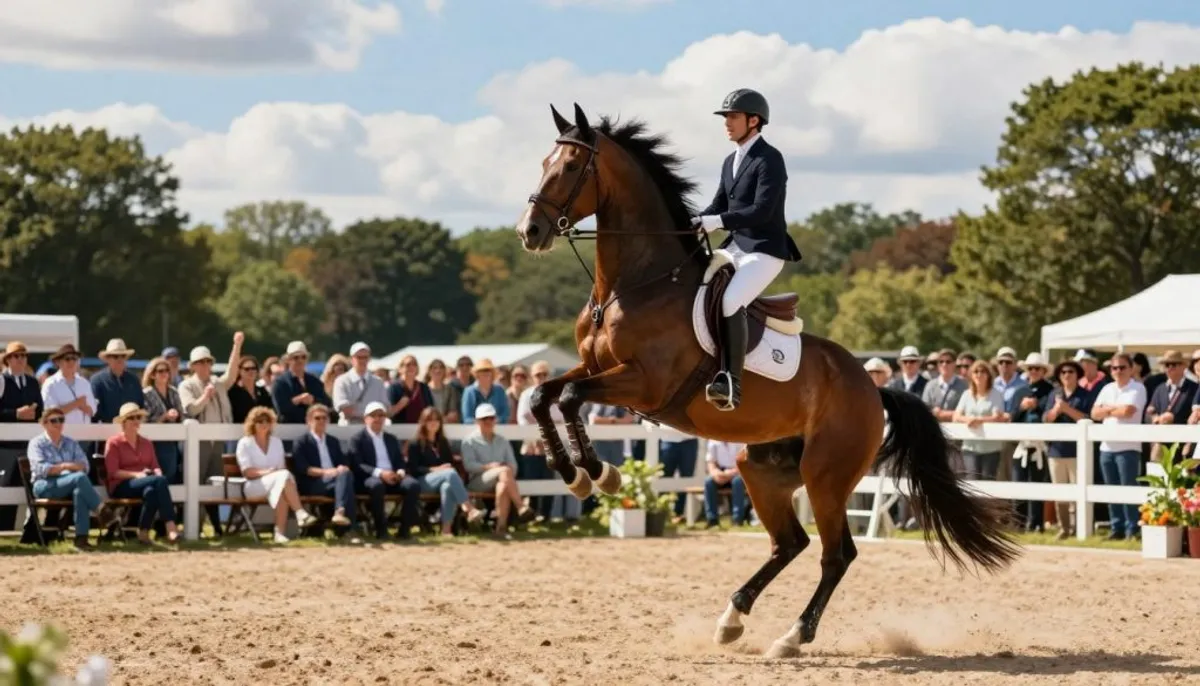
Reading and Discovery: “Equine Trends and Innovations” Sections
The Equine Trends and Innovations section presents the latest news. It discusses advancements, new ideas, and examines modern equipment. It’s an excellent way for equestrian fans to stay updated.
To choose a good review, look for tests and articles on equine well-being. Well-chosen content saves you time and avoids following fleeting trends.
Social Media: Usage Markers and “Instagram” Signals to Exploit
Instagram is perfect for staying quickly informed. It’s useful for competition results and stable trends. The Log In and Sign Up buttons show that an account allows you to save and follow what interests you. You can easily find information before returning to a review for analysis.
- Look at the frequency of posts and the clarity of descriptions.
- Compare reviews on equipment such as saddles or helmets.
- Follow brands and events to see announcements and results.
Managing Preferences and Cookies: Understanding the Browsing Experience
Websites and applications use cookies to remember information about your device. Accepting these technologies allows for a personalized online experience. That’s why you find articles that seem more relevant to you.
A button or link View Preferences helps you adjust your choices. This simplifies following an equestrian review and ensures navigation tailored to your preferences.
| Channel | What You Find Most Quickly | What It Brings to Daily Life | Point of Caution |
|---|---|---|---|
| Equestrian Review (Print or Digital) | Analyses, files, equipment tests, interviews | Understand a trend, progress, compare before buying | Check the date of articles and the transparency of tests |
| Results, behind-the-scenes, field feedback, trend signals | Follow equestrian news live, spot work ideas | Sort between informative content and promotional content | |
| Cookie Settings and Preferences | Consent choices, management of unique IDs, audience settings | A smoother browsing experience and better-targeted content | Regularly review your choices via “View Preferences” |
Conclusion
A horse magazine keeps us informed of the latest news and trends in France. It offers precise information on important events. This allows us to stay focused on what truly matters.
Equestrian reviews offer more than just news. They help improve our dressage technique. We find useful tips for training. In-depth articles provide concrete answers to our questions.
To succeed in competition, it is crucial to prepare well. This includes working on our mindset and recovering properly. Good equipment is also essential for our comfort and safety.
Horse magazines are in tune with their time. They address topics like innovation and sustainability. They also promote interaction on social platforms like Instagram. This type of review is practical to use anywhere. It offers easy-to-apply tips and simple navigation on the Internet.
FAQ
What is a horse magazine focused on France, and what to expect?
This magazine focuses on the equestrian universe in France. It explores culture, news, and the lives of sector players. You will find news from the equestrian world, the latest trends, and in-depth studies tailored to the French context.
What are the major editorial pillars covered in your equestrian review?
Our magazine covers various topics: equestrian events, training, horse care, equipment, and more. Everything is designed to be directly useful and inspiring, whether you are on the ground or on the go.
How to follow equestrian competitions without getting lost (calendar, highlights, results)?
Find an accurate calendar and note important moments of the season. Check results on reliable and specialized sites. Always verify information from multiple sources to avoid errors.
Where to find reliable information for equestrian news?
The best information comes from institutions, organizers, and reliable media. Testimonials from those who live equestrianism daily are also valuable. Choose a review that verifies and explains them well.
What trends are really seen in stables in France?
The new trends highlight the comfort and well-being of horses. Communities around horses are forming quickly. New disciplines, focusing on the intersection of technique and well-being, are becoming popular.
“What Makes the News” in France, what is it in the equestrian world?
Notable news often comes from events, important developments, or innovative ideas that change practice. Measurable innovations and model projects attract attention. They inspire topics of innovation and detailed analyses.
Print equestrian review or digital magazine: what to choose?
The print format is ideal for quiet reading at the stable. The digital format is perfect for its practicality and quick updates. Many find that one complements the other well: print offers depth, while digital provides responsiveness.
What is the real value of articles on horses for progress?
Good articles save you time and effort. They teach techniques, organize your approach, and improve your choices regarding care and equipment. They also inspire you with real-life stories from stables.
Who is your content aimed at: leisure, competition, owners, clubs?
Our content targets all actors in equestrianism: amateurs, competitors, owners, trainers, and clubs. It also addresses those interested in equestrian culture. Our goal is to provide clear and useful reading for all.
What is “Equestrianism of Tomorrow” and how is this digital magazine different?
A: Equestrianism of Tomorrow focuses on innovations and trends shaping the future of riding. It combines advanced research, practical experience, and testimonials to stay up to date with the latest discoveries.
What content can be found in each issue of Equestrianism of Tomorrow?
Each edition offers detailed articles, unique interviews, reports on pioneering projects, and reviews of innovative equipment. Everything is designed to be immediately usable, with precise criteria and well-explained methods.
What themes structure Equestrianism of Tomorrow?
The magazine revolves around technology, horse well-being, and innovative disciplines. It also examines sustainability and the human-horse relationship. These subjects redefine training, equipment, and horse management.
Why talk about science, sustainability, and human-horse connection in an equestrian magazine?
These topics transform training, care, and equipment choices. Science clarifies our practices, sustainability makes them more logical, and the relationship with the horse enhances cooperation. They unite performance and well-being.
What is the price of Equestrianism of Tomorrow?
Its price is set at €24.99. The magazine is aimed at those passionate about a modern and realistic approach to riding.
Where to find the “Equine Trends and Innovations” section?
This section is your guide to discovering new items and remarkable initiatives. It facilitates identifying important advancements and relevant tests. It is also an excellent starting point for staying regularly informed.
How to structure a dressage method that promotes progress?
Define clear objectives, train regularly, and don’t forget the basics. Seek harmony between horse and rider by working on understanding, stability, and responsiveness. A good method is judged over the long term.
What type of “magazine-style” reading logic really helps in daily life?
Vary between technical articles, inspirations, and advice on well-being. Profiles and concrete examples provide leads, while methods make them achievable. Tips on comfort and relationships reinforce your progress.
How to prepare for a competition: routine, recovery, and measurable goals?
Organize your training around a well-defined routine and include simple checks. Consider recovery as essential. Set realistic goals, followed by adjustments based on the horse's condition.
How to choose your equipment in competition prioritizing comfort, safety, then performance?
First, ensure a good fit and absence of discomfort for the horse. Then guarantee safety. The question of performance comes next, depending on the specific needs of the horse and its activity.
How to transition from club competitions to more demanding circuits?
Progress requires more effort in organization and mentality. The demands are more precise. It is also important to prepare the horse for different environments.
What concrete signals should alert regarding horse care?
Pay attention to any changes in behavior, movement, or general condition. Indicators like changes in appetite or energy levels should be monitored. Reacting quickly can prevent more serious issues.
How to organize “professionally” daily at the stables?
Make simple lists, follow a regular rhythm, and note the important: horse condition, work done, feeding. This helps to notice discrepancies and act quickly.
Can equine well-being and performance be linked without opposing them?
Absolutely. Well-being promotes the horse's engagement and consistency. Paying particular attention to prevention, effort management, and recovery often supports sustainable performance.
What equestrian tips for reworking posture, balance, and aids?
Focus on posture, breathe well, and keep your hands stable. Work on the precision of legs gently. Choose a single objective per session.
What common mistakes are seen in riding, and what simple corrections can be applied?
Common mistakes include rushing and inconsistency. Simplify by maintaining careful transitions and straight lines. Repeat good movements to reinforce safety.
How to build a progression plan with tracking and motivation?
Organize your sessions in advance and note progress in a journal. Set partial goals and celebrate each success. Integrate mental exercises for competition.
Why consider La Sellerie Française for high-end equipment?
A: La Sellerie Française (https://laselleriefrancaise.com) offers superior quality equipment, crafted with expertise in France. Each piece reflects French artisanal expertise. This goes beyond a label: it is the assurance of a product designed with care from start to finish.
How does “made from A to Z in France” change equipment choice?
This guarantees superior quality and consistency. For the rider, this means durable, comfortable, and well-finished products. It is also a more responsible way to select equipment.
What is the link between innovations and equipment in competition conditions?
In-depth analyses and expert opinions guide you on truly useful innovations. The important thing is the comfort and safety of the horse, guided by practical feedback and innovations.
How to use Instagram to follow news, results, and stable trends?
A: Instagram is perfect for quickly capturing the latest news and trends. It is crucial to follow the right sources and verify key information.
How does managing preferences and cookies work during browsing?
Cookies are used to remember information about your device. With your consent, they can enhance your online experience. A link “View Preferences” helps you adjust these settings.
What reading path to follow to cover everything without getting distracted?
First, update yourself on the news from the equestrian world. Then, enrich yourself with technical advice. Next, focus on competitions and horse care. Finally, inform yourself about quality equipment and follow innovations.
RelatedRelated articles
- 25 Mar 2026·24 min readHorse Career: Tips and Trends 2026General
 To succeed in the equestrian field in France by 2026, simply riding well is not enough. It is crucial to define your goals, train adequately, manage your time effectively, and maintain your visibility without burning out. This article offers practica...