Many wonder if horseback riding is a sport or just a hobby. In France, many see the horse as a companion for Sunday walks, focus on the cost of lessons, and think that riding is simply being carried effortlessly. However, if one attends a session, the opinion quickly changes.
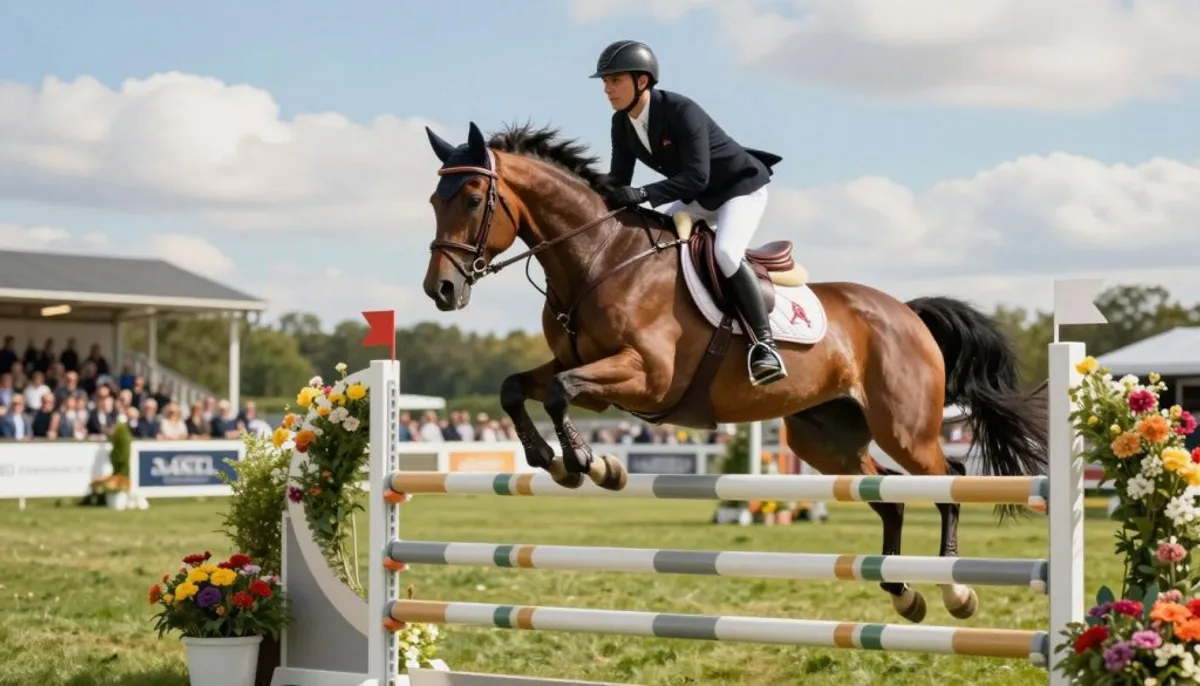
Horseback riding is extremely popular in France, with 2.7 million people trying it or practicing regularly. Each year, about 700,000 people enroll in a pony club or an equestrian center. And this number has increased by about 12% compared to 2019. Therefore, it is more than just a hobby, given the organization surrounding this activity.
The article explores horseback riding without exaggeration. It shows the physical efforts, mental challenges, and competitions that help in progression. It also discusses clubs, licenses, and the economic aspect. In short, what defines the life of a competitive rider.
Key Points
-
The debate between sport and leisure comes from its pleasant image and the involvement of an animal.
-
Approximately 2.7 million people practice horseback riding in France, either occasionally or regularly.
-
The number of licensed riders, about 700,000 per year, shows that it is a well-structured activity.
-
The 12% increase compared to 2019 indicates a growing sporting interest.
-
This section is based on data, sporting criteria, and the realities of competitions.
-
We will see what truly makes a competitive rider, beyond preconceived notions.
Overview of Horseback Riding in France: Key Figures, Popularity, and Profiles
Understanding the place of the horse in leisure activities in France is interesting. The figures come from a survey conducted among 4,014 people. This helps to see the popularity of horseback riding without relying solely on impressions.
Horseback riding has different uses. There are discovery sessions, club lessons, and outdoor outings. Each activity has its own pace and level of commitment.
2.7 million enthusiasts and 5.8% of the French population (ages 15–70) have practiced it at least once in 12 months
In one year, 5.8% of people aged 15 to 70 have ridden at least once. This amounts to over 2.7 million people, including both occasional and regular riders.
There are different rhythms of practice. 41% ride all year round, 19.7% during holidays. 10.9% at certain times and 28.4% episodically. These differences explain the popularity of horseback riding, especially in tourist areas.
Regular Practice: Over 1 Million Riders (2.4%), with a Weekly Frequency for 39% of Practitioners
Regular practice concerns 2.4% of the population. This represents more than one million riders. 39% of these individuals ride each week.
This regularity involves taking care of the horse. It requires maintaining fitness and keeping a routine. This regularity makes horseback riding a pursued hobby and raises the question: is it really a sport?
Who Practices? A Predominantly Female Activity (67%) and Relatively Young (44% are 15–29 years old)
The majority of riders are women, at 67%. In terms of age, 44% are between 15 and 29 years old. 39% are between 30 and 49 years old, and 17% are over 50.
There are also 60% of active individuals, 20% students, and 7% retirees. Socially, the categories vary but show a predominance of higher categories compared to non-practitioners.
Regarding education level, 45% do not have a high school diploma, often because they are still studying. 36% have a higher degree. A large number, 70%, have sporty parents, suggesting a family transmission.
Declared Level: 35% Consider Themselves "Average," 22% "Good," 19% "Expert"
Perception of level varies. 35% consider themselves "average," 22% "good," and 19% "expert." 23% see themselves as beginners, showing that there is room for everyone.
Riders also engage in other sports. They report an average of 6.4 outdoor activities or hobbies per year. Hiking, cycling, and mountain biking are popular. This paints a clear picture of the profile of riders.
| Indicator | Data | Quick Reading |
|---|---|---|
| People who practiced in 12 months (ages 15–70) | 5.8% (≈ 2.7 million) | Large base, mix of trials and established practices |
| Regular practice | 2.4% (≈ 1 million+) | A stable core, often structured by the club and horse maintenance |
| Weekly frequency | 39% of practitioners | A rhythm that brings practice closer to regular training |
| Female/Male Distribution | 67% female | Strong mark of the profile of riders in France |
| Ages | 44% (15–29) / 39% (30–49) / 17% (50+) | A young practice, but present at all ages |
| Declared Level | 35% average / 22% good / 19% expert / 23% beginner | A wide range, from initiation to high-level amateur |
| Desire to Discover in 12 Months | 4% of respondents (3% adults + 1% under 18) | A pool that maintains the popularity of horseback riding |
In conclusion, this information provides an overview of horseback riding in France. It explains why people often wonder if it is really a sport. The practices, levels, and frequencies tell very diverse experiences.
Is Horseback Riding a Sport: Definition, Sporting Criteria, and Realities on the Ground
When asking is horseback riding a sport, we look at a few key points. There is effort, technique, training, and progress. On a horse, everything is evident: how one holds their body, how one guides the horse, and following a rhythm becomes essential. Whether in a competition or a course, performances can be clearly seen, just like in any other sport.
Physical Exertion and Technicality: Posture, Core Stability, Coordination, Balance
Even at a slow pace, riding works the entire body. The competitive rider adjusts their pelvis, engages their abdomen, and keeps their legs firm to stay in place. This requires good posture, coordination, and balance.
Speaking of horseback riding and fitness, the importance of core strength, mobile hips, and endurance is noted. This makes horseback riding a complete sport, involving both the upper and lower body while avoiding sudden movements.
Mental Dimension: Stress Management, Concentration, Decision-Making
Riding requires as much mental work as physical. One must understand the horse, anticipate its movements, and decide quickly. Whether in a lesson or a competition, knowing how to manage stress is crucial.
Concentration is also fundamental. One must pay attention to their breathing, gaze, and timing. If attention is lost, the horse feels it, and the exercise becomes less effective. This clearly shows that horseback riding is truly a sport.
Equestrian Specificity: Performance “in Pairs” (Rider + Horse) and Need for Regular Training
A unique aspect of horseback riding is working in a duo. The competitive rider must communicate clearly with the horse. One must adjust their approach according to the horse's reactions, maintaining a clear direction.
Horseback riding goes beyond the moments spent in the saddle. Care, preparation, and daily follow-up are essential to training. This is why we talk about horseback riding and fitness. The complete sport includes both riding and everything necessary for the pair to progress each week.
| Observable Sporting Criteria | What the Rider Does | What is Measured in the Session |
|---|---|---|
| Physical Commitment | Core stability, pelvic control, leg stability, breathing | Maintaining posture at sitting trot, regularity of contact, perceived fatigue |
| Technicality | Coordination of aids, precision of trajectories, rhythm management | Quality of transitions, clear curves, number of faults in a sequence |
| Mental Dimension | Concentration, anticipation, quick choices under pressure | Regularity of decisions, stress-related errors, adherence to the work plan |
| Progression and Training | Repetition, corrections, cool-down, following instructions | Successful exercises more often, more stable paces, better precision |
| Performance “in Pairs” | Clear communication, adaptation to the horse, respect for reactions | Fluidity, horse's availability, quality of the pair in a routine |
Competitive Horseback Riding: Equestrian Disciplines and Competitions in France
Competitive horseback riding is like a big family. It has rules, and one learns a lot. Progress is made, discovering how to manage a course and remain precise.
In France, competitions provide a goal to achieve. One moves from a simple objective to establishing game plans.
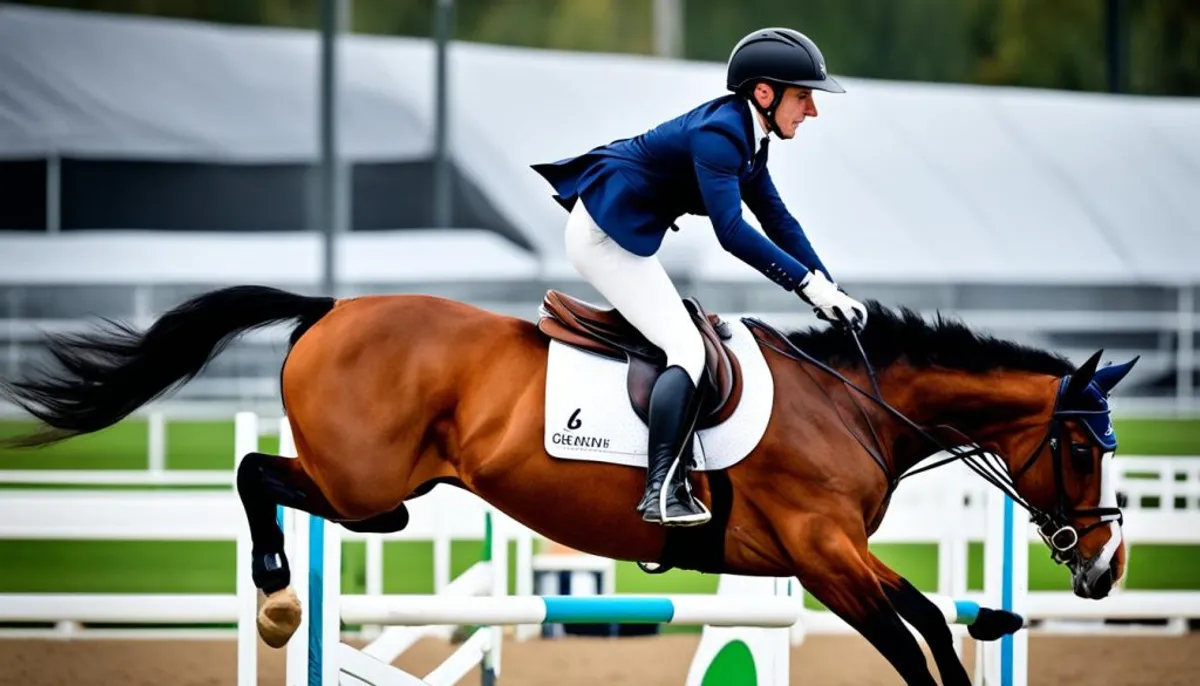
The equestrian disciplines are varied. The show jumping requires precision and a good path. The eventing combines dressage, cross-country, and jumping, requiring endurance and calm.
Other disciplines such as dressage, vaulting, and cross-country are included. Not to mention racing and sulky, which have their own rules.
Key Disciplines
In show jumping, every step is important. One must calculate well, maintain balance, and look ahead. In eventing, one manages the horse's energy over a long duration and aims for precision over obstacles.
These sports require preparation, regularity, and controlling emotions in competition.
Competition Formats
One can compete alone or in a team. Competitors often progress from club level to higher levels. They must adhere to specific technical rules.
- Club events teach rhythm, stress management, and introduce scoring.
- More challenging events require more technique: height, combinations, time management, and more detailed dressage.
- There are individual and team rankings, where tactics and teamwork are essential.
Focus on a Major Event
In Lamotte-Beuvron, the atmosphere is unique. For fifteen days, about 14,000 participants, many of whom are young, come for the French championships.
This event is a true test of level. One learns by observing others and understands the stakes of a championship.
A Sport that Matters
Each year, 700,000 riders enroll in a pony club or an equestrian center. Horseback riding is clearly experiencing growth, with a 12% increase since 2019.
This sport is very popular in France, especially among women. It bridges the gap between leisure and competition.
| Reference | What it Changes on the Ground | Example in Competition |
|---|---|---|
| Show Jumping | Trajectory work, balance, controlled speed | Ground poles, oxers, doubles, then adjustments to the clock |
| Eventing | Versatility and effort management over several tests | Dressage + cross-country + jumping, with recovery and freshness control |
| Individual/Team Formats | Different objectives: personal performance or collective points | Solo ranking, then addition of scores for a team ranking |
| Lamotte-Beuvron | “Big meeting” experience and better-managed pressure | French championships over fifteen days, high density of participants |
| Weight of Licensed Riders | Dense network of clubs and rich calendar of equestrian competitions | About 700,000 licenses/year, with a 12% increase vs 2019 |
Practicing Horseback Riding in France: Clubs, Supervision, and Practice Habits
In France, the love for horses often begins within the family or with friends. Many embark on the adventure with family (34%) or through their loved ones (30%). Others join an equestrian club (36%), and a few discover this world at school or with colleagues (4%), or even alone (18%). The average age to start is 12, encouraged by sharing and first steps at the pony club.
The choice of location to practice horseback riding is crucial, as is the rhythm of the sessions. Equestrian centers often offer a wide variety of horses, arenas, and a safe environment. Pony clubs attract young people with suitable ponies and shorter lessons. Riding lessons help in regular progression, mixing flatwork, jumping exercises, and outdoor rides.
Supervision is essential in a sport that requires specific facilities. The majority of riders (56%) choose associative clubs, while 16% prefer commercial structures. Only a third (32%) ride independently. And 23% have never had supervision; among them, some listen to advice from other riders (9% of the total).
The regularity of lessons often depends on the availability of instructors. 39% benefit from constant supervision, aiming to improve their posture and balance. Clubs vary in their approach: technique, relationship with the horse, care, and safety.
| Practice References | Share of Practitioners | What This Implies on the Ground |
|---|---|---|
| Discovery with Family | 34% | Shared outings, habits formed early, sometimes access to horses outside of clubs |
| Discovery with Friends | 30% | Playful introduction, occasional attempts, collective motivation |
| Discovery in Club | 36% | Facilitated registration, structured progress, immediate access to riding lessons |
| Practice in Associative Structure | 56% | Community spirit, volunteering opportunities, activity and training planning |
| Independent Practice | 32% | More freedom, but requires experience, equipment, and an available horse |
Events are also an important aspect of horseback riding. 39% do not participate in any events or competitions, while 42% engage in at least two events per year. These occasions range from club parties to hikes, without a competitive spirit. For many, it is the atmosphere and the opportunity to ride in new places that matter.
The practice of horseback riding also contributes to the economy, with jobs in various sectors. Between equestrian centers, breeding, horse feed, equine health, and shows, this represents more than 20,000 direct jobs and as many indirect ones in France. This sector relies heavily on supervision for safety, training, and the well-being of horses.
Horseback Riding and Fitness: What Really Works the Body of the Competitive Rider
Horseback riding and fitness do more than just strengthen the legs. In fact, the rider uses their entire body in a precise and consistent manner. It is a sport that demands balance, good breathing, and great precision.
When riding, one works on their posture with every step. The hips move with the horse, while the torso remains fixed and the hands relaxed. This also influences how we move off the horse.
Muscles Engaged
The deep abdominal muscles act like a belt, especially at trot and canter. The back remains straight without stiffening. The thighs and legs assist, but do not need to be constantly tight.
The shoulders also play an essential role. They seek stability, supported by strong shoulder blades and strong forearms. This upper body structure helps maintain correct posture over the long term.
| Engaged Area | What It Develops | When It Is Most Felt |
|---|---|---|
| Deep Abdominals | Core stability, trunk stability | Transitions, sitting trot, landing from an obstacle |
| Back (Lumbar and Dorsal) | Upper body hold, control of relaxation | Canter, flatwork, amplitude variations |
| Adductors and Thighs | Leg stability, regular contact | Turns, bending, canter departures |
| Calves and Ankles | Impulse, leg descent, stability | Sequences, balance work |
| Shoulders and Forearms | Stable hand, precise guiding | Half-halts, cadence control, direction |
Developed Abilities
Cardio training is "intermittent" in horseback riding. Intense work sequences alternate with moments of active recovery. This teaches us to control our effort, adapting our breathing to the movement.
Mobility, especially in the hips, is crucial. The more flexible one is, the better their posture in the saddle. Coordination also improves rapidly, thanks to the use of precise and sometimes independent gestures.
Why Regularity Matters
In horseback riding, progress comes with regular practice. To master posture and reflexes, time is needed. A single session can be enjoyable, but it is repetition that truly leads to progress.
And let’s not forget the horse, which needs constant attention and training. Taking care of it and working with it regularly structures our week and improves our coordination.
Benefits of Horseback Riding: Mental Health, Nature, and Bonding with the Horse
We go to the club to ride, but we stay for the feelings afterward. Horseback riding improves both body and mind, especially outdoors. The fresh air and the horse's movement quickly balance us.
Proximity to Nature
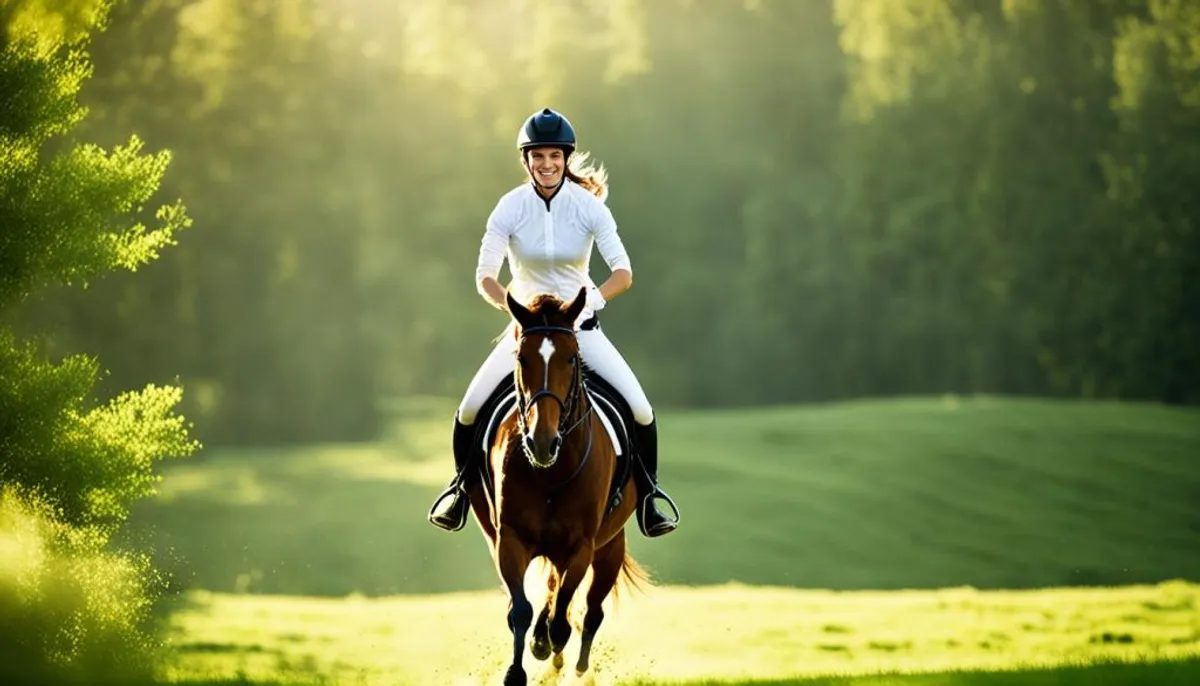
Horseback riding is practiced outdoors, away from gyms. Forests, countryside, or seaside, the landscapes motivate. This sport connects us to nature; we listen to the horse breathe.
On a trail ride, we learn to navigate the terrain and control speed. The weather guides us without stopping. We prepare our gear and choose our path, making each outing an adventure.
Well-Being and Morale
Calm begins with horse care. These routines force us to be fully present. This is how the bond between the horse and rider is created.
On the horse, we communicate through voice, hands, and eyes. We adjust and release, which reduces stress. This gives a sense of control, characteristic of horseback riding.
Social Dimension
Many ride with others, even if some prefer solitude. The group offers safety and a pleasant atmosphere. We share advice and progress together.
| Who Do We Ride With Most Often? | Share of Practitioners | What This Changes in the Moment |
|---|---|---|
| With Family | 33% | Common ritual, help with preparation, rhythm adapted to levels |
| With Friends | 33% | Longer outings, friendly challenges, constant motivation |
| As a Couple | 18% | Calm moments, coordination on rides, easier organization |
| With Colleagues or Schoolmates | 1% | Rare, as practice remains closely tied to the club and equestrian life |
Social bonds add to the relationship with the animal. Together, rider and horse learn to trust each other. This strengthens their connection during these natural adventures.
Cost and Accessibility: Sport Horse, License, Boarding, and Budget Reality
Discussing the budget can determine whether or not one embarks on a sporting project. The cost of horseback riding varies greatly depending on the region, the level aimed for, and the time spent at the club. Let's think about the objectives, and there you have it, equestrian competitions add real expenses.
Average Price of a Sport Horse (2022): Approximately €11,000 and an 11% Increase Over 12 Months
Buying a horse becomes crucial for families aiming for major competitions. In 2022, purchasing a sport horse costs around €11,000, with an 11% increase in one year. This price reflects its size, education, resilience, and hours of training.
Before taking the plunge, some opt for a half-lease or annual rental. This allows them to try without blocking the entire budget immediately.
Recurring Expenses: Boarding, Insurance, Farrier, Veterinarian, Transport (Trailer), Coaching
After purchase, the horse requires a monthly payment for boarding. Then, one must account for regular care: farrier, veterinarian, dentist, and sometimes osteopathy. Insurance is also there to protect against unforeseen events.
Competition also requires its budget for logistics. One must rent a trailer, consider fuel, tolls, competition stalls, and sometimes accommodation. Coaching is essential for proper preparation and stress management during events.
| Expense Item | Frequency | What to Expect | Leverage to Control the Budget |
|---|---|---|---|
| Riding License | Annual | Access to federal structures and events according to level | Choose the appropriate plan (club vs competition project) |
| Horse Boarding | Monthly | Accommodation, access to facilities, sometimes hay and turnout | Compare services (stall, pasture, mixed) and distance from home |
| Farrier | Every 6 to 8 weeks | Trimming or shoeing depending on work and ground | Adapt shoeing to the program, avoid unnecessary changes |
| Veterinarian and Care | Variable | Vaccines, dewormers, emergencies, locomotor assessment if needed | Prevention, up-to-date health record, regular follow-up |
| Transport and Competitions | Seasonally | Trailer rental, fuel, entry fees, stalls, accommodation | Carpooling from the stable, nearby competitions, plan outings |
| Coaching | Weekly + competitions | Technical progression, relaxation routine, course strategy | Packages, targeted sessions before deadlines, clear objectives |
“Rich People’s Sport” vs Popularity: A Massive Enthusiasm and a Sector with Over €1 Billion in Revenue
The cliché of “rich people’s sport” does not tell the whole story. There are nearly 700,000 licensed riders each year, up 12% since 2019. Horseback riding is very popular in France, especially among women. Many start by obtaining their license, participate in a few competitions, and then consider a purchase.
On a national scale, the equestrian sector has a significant impact: it generates over €1 billion. This dynamic also benefits from exports, driven by countries passionate about horses such as the United States, the United Kingdom, and Ireland. Understanding the cost of horseback riding helps to define priorities without hindering passion.
Equestrian Equipment: Safety, Performance, and French Craftsmanship with La Sellerie Française
When riding regularly or in competitions, the importance of equipment goes beyond mere appearance. It ensures our protection, stabilizes us, and facilitates our movements. In any situation, whether in a club or competition, choosing the right equipment is essential for our safety.
Wearing a properly fitted helmet, a protective vest, and boots that support the ankles can significantly reduce dangers. For the horse, a well-positioned saddle and a correctly adjusted bridle make the ride more comfortable and precise. This attention to detail enhances the trust between rider and horse, improving their performance in every training session.
High-quality equestrian equipment appeals to those seeking durability. Strong stitching, quality leather, and well-thought-out accessories make all the difference. The goal is clear: to achieve more precise assistance, reduce pressure points, and simplify equipment maintenance.
La Sellerie Française stands out for its commitment to excellence, offering custom or limited edition creations. Everything is made in France, in workshops renowned for their expertise. Choosing this brand also means opting for durable equipment that can be repaired and adjusted to last even longer.
| On-the-Ground Need | What the Equipment Provides | Point of Attention |
|---|---|---|
| Rhythmic Sessions in the Arena | Rider stability, finer aids, horse comfort | Saddle adjustment/girth, state of the girth straps |
| Flatwork and Dressage | Regular contact, more fixed hands, better precision | Bit placement, length of reins, saddle balance |
| Show Jumping and Cross-Country | Support, protection, responsiveness in turns | Check helmet, vest, closure of boots/chaps |
| Club Life and Intensive Use | Durability, quicker maintenance, possible repairs | Leather cleaning, buckle checks, dry storage |
The French equestrian tradition is rich, relying on clubs, competitions, and a solid network of artisans. Choosing suitable equipment means embracing this tradition of quality craftsmanship. With quality equipment, safety while riding is easier to maintain on a daily basis.
Conclusion
Is horseback riding a sport? In France, the numbers do not lie. Approximately 2.7 million people chose horseback riding in one year. This represents 5.8% of people aged 15 to 70. And more than one million ride regularly.
The strength of horseback riding as a sport in France is evident. With nearly 700,000 licenses per year, competitions are at the heart of this activity. The major event in Lamotte-Beuvron attracts 14,000 people over fifteen days. This proves that competition holds a significant place.
Horseback riding works the entire body. It improves posture, strength, coordination, and balance. Moreover, it teaches us to manage our stress and stay focused. The rider-horse duo is unique: it involves training, but also care and maintenance. The commitment is total, whether in a club, on a trail, or in competition.
The budget is a real concern. Owning a sport horse costs about €11,000 in 2022. One must also consider boarding fees, veterinary care, farrier services, and transport. Despite this, horseback riding offers much: fresh air, a strong bond with the animal, and mental well-being. Safety and comfort are crucial for fully enjoying this sport. French craftsmanship, like La Sellerie Française, plays a significant role.
FAQ
Is horseback riding a sport or a hobby in France?
It is both. Many see it as a hobby because it takes place in nature and creates a special bond with the horse. However, when there is training and competition, it is also a sport.
Why does the question “sport vs hobby” come up so often?
Because the horse makes everything unique. One cannot just use it; one must take care of it. This blurs the line between playing for fun and doing sport seriously.
How many people practice horseback riding in France?
Approximately 2.7 million people rode in the past year. This represents 5.8% of people aged 15 to 70.
How regular is the practice?
Many practice all year round, at 41%. Others ride occasionally, especially during holidays. In total, 2.4% of the population rides regularly.
Why is regularity more pronounced than elsewhere?
A horse requires constant care and training. Even if one does not ride, they must take care of it. This encourages more frequent practice, especially in clubs.
Who practices horseback riding the most in France?
Mainly women, at 67%. Young people between 15 and 29 also ride a lot. Most are either employed or still in school.
Is horseback riding really “a rich person’s sport”?
That’s what some think because it can be expensive. However, it is one of the most popular sports, especially among women. Each year, 700,000 people obtain a license in clubs.
What is the social and educational profile of practitioners?
Riders come from all backgrounds. However, wealthier families are more represented. In terms of education, 45% do not have a high school diploma, but many are still in middle or high school.
Does family transmission play a role?
Yes. Many have sporty parents and thus discover horseback riding. Often, the family already owns a horse.
What level do riders most often declare?
Most say they are of average level. Some consider themselves good or expert, and a good number see themselves as beginners. This shows the diversity of practitioners.
Do riders engage in other outdoor activities?
Yes, they often do outdoor sports like hiking or cycling. This highlights the love for outdoor activities among riders.
Is there a pool of new practitioners in France?
Absolutely. Some want to start horseback riding, whether adults or young people under 18. This shows a great interest in this sport.
What criteria prove that horseback riding is a sport?
It is physically demanding, and one must learn techniques. Riders train to improve their performance, whether in dressage or show jumping.
What muscles does the competitive rider really work?
Horseback riding strengthens deep muscles, such as the abdominals, back, and legs. This improves core stability, posture, and balance.
Is horseback riding and fitness compatible?
Yes, horseback riding develops skills similar to fitness, such as stability and coordination. It also includes cardio through alternating gaits.
Why is horseback riding considered very technical?
It requires great finesse in control and coordination. Every element, from gaze to position, influences the horse's movement.
What is the mental aspect of competitive horseback riding?
It is very mental. The rider must stay focused and make quick decisions. This is crucial in competition, where managing stress is essential.
In what way is horseback riding a “two-person” sport?
Success depends on the rider-horse relationship. This includes everything from preparation to recovery after exertion. Both partners must work together.
What are the main competitive equestrian disciplines?
The major events include show jumping and dressage. There are also cross-country and vaulting, as well as other sports like racing.
How do equestrian competitions work in France?
One can compete alone or in a team. Beginners often start in clubs and then progress to more challenging competitions, with the help of their club.
Lamotte-Beuvron, why is this event so emblematic?
It is seen as the biggest equestrian event in France. Each year, it attracts around 14,000 participants, mostly young people.
What does the license represent in the landscape of horseback riding in France?
Obtaining a license shows a serious commitment to the sport. Almost 700,000 riders register each year, demonstrating the importance of this sport.
Where and how do people most often discover horseback riding?
Many start at the club, thanks to their family or friends. The beginning often occurs around age 12, thanks to pony clubs.
Is supervision essential for practicing horseback riding?
Most ride in clubs. This helps them progress technically and stay safe.
Do riders often participate in events or gatherings?
Some never go to events, but others go often. These can be competitions or just leisure rides.
What are the mental benefits of horseback riding?
Being with horses helps against stress. The concentration required creates a break from everyday life.
Is horseback riding a nature sport?
Yes, it is practiced outdoors, in forests or in the countryside. Riders also enjoy this connection with nature.
Is horseback riding more of an individual or collective sport?
It can be both. One can ride alone, but it is often a social activity practiced with others.
How much does a sport horse cost, and why does this figure matter?
A sport horse costs on average €11,000. This price reflects the budget necessary to aim for high levels, such as at Lamotte-Beuvron.
What expenses are most common in sustained practice?
Expenses include boarding and veterinary care. There are also transport costs and coaching for competitions.
What is the economic weight of the equine sector in France?
Horseback riding supports 40,000 jobs and generates over €1 billion. It is an important sector for the French economy and for exports.
Why does equestrian equipment matter so much in the sport?
It ensures safety and helps communicate better with the horse. Choosing the right equipment is essential for performance and comfort.
What distinguishes La Sellerie Française in the world of equestrian equipment?
A: La Sellerie Française offers high-end, handmade products in France. They prioritize quality and originality.
How does equipment influence performance in competitive horseback riding?
Good equipment improves control and comfort. This helps the rider stay focused and prevent injuries.
How do I know if I should practice for leisure or aim for competitive horseback riding?
It all depends on your goals. If you seek relaxation and enjoyment, opt for leisure. For a more serious approach, choose sport.